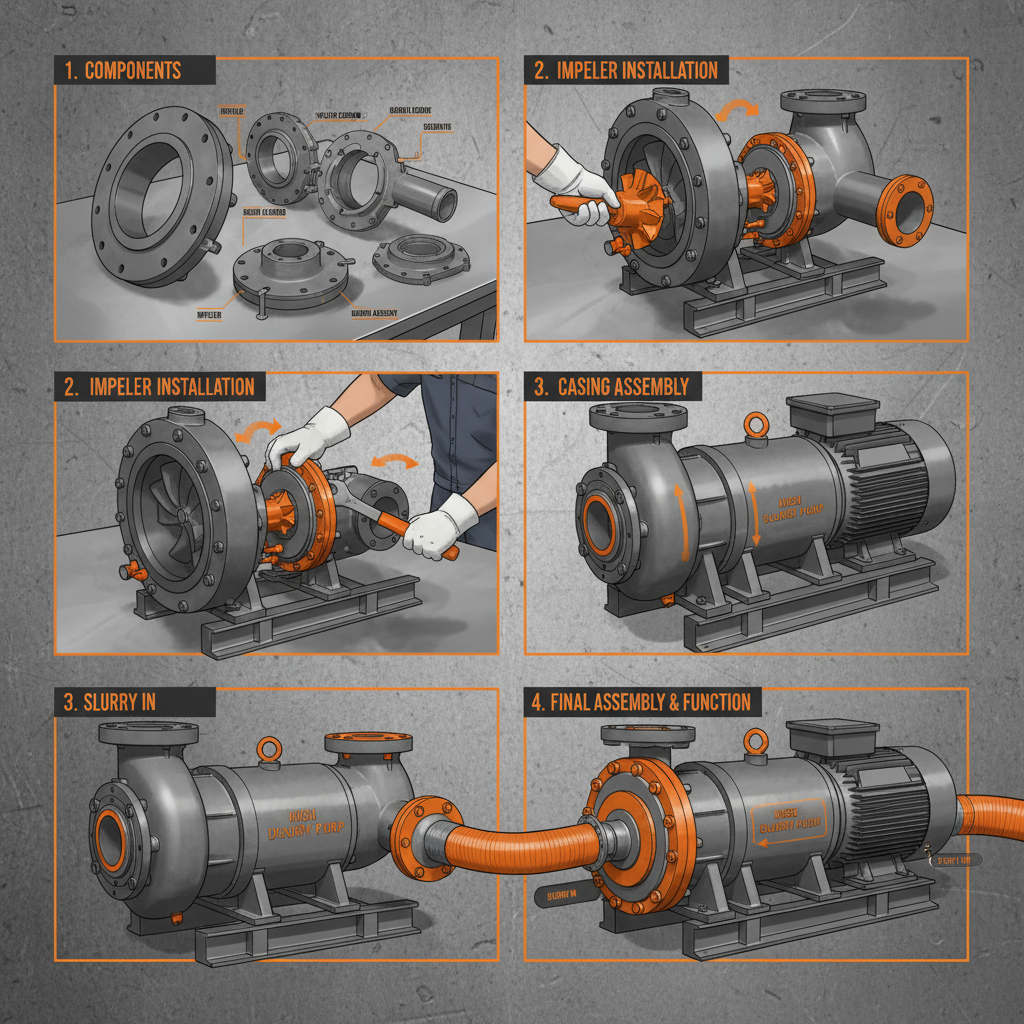
Selecting the right slurry pump manufacturer is a critical decision for any industrial operation dealing with abrasive fluids, tailings, or heavy mineral suspensions. These specialized machines are the heartbeat of mining and dredging operations, ensuring that corrosive and high-density materials are transported efficiently without compromising the structural integrity of the system.
In an era where operational uptime translates directly to profitability, the expertise of a professional slurry pump manufacturer becomes indispensable. From the precision engineering of the impeller to the selection of wear-resistant alloys, every detail affects the Mean Time Between Failures (MTBF), making the choice of partner a strategic investment rather than a simple procurement task.
Understanding the nuances of pump hydraulics, material science, and system integration allows companies to reduce energy consumption and maintenance costs. By partnering with a leading slurry pump manufacturer, operators can access cutting-edge technology designed to handle the harshest environments on Earth, from deep-sea dredging to high-altitude mineral processing.
Global Relevance of Slurry Pump Manufacturing
The global demand for raw materials has pushed the mining and metallurgy sectors to explore more challenging deposits, often involving highly abrasive materials. A world-class slurry pump manufacturer provides the essential infrastructure needed to move these materials from the extraction site to the processing plant, maintaining the flow of the global supply chain.
According to industry standards aligned with ISO quality management, the reliability of slurry handling systems directly impacts environmental safety. Poorly manufactured pumps are prone to leaks and catastrophic failures, which can lead to tailings dam breaches or soil contamination, making the engineering rigor of the manufacturer a matter of global environmental security.
Defining the Role of a Slurry Pump Manufacturer
At its core, a slurry pump manufacturer is an engineering firm specializing in the design and production of pumps capable of transporting "slurry"—a mixture of solids and liquids. Unlike standard water pumps, these machines must combat the dual forces of erosion and corrosion, requiring advanced knowledge of metallurgy and fluid dynamics to ensure the pump does not wear away in a matter of days.
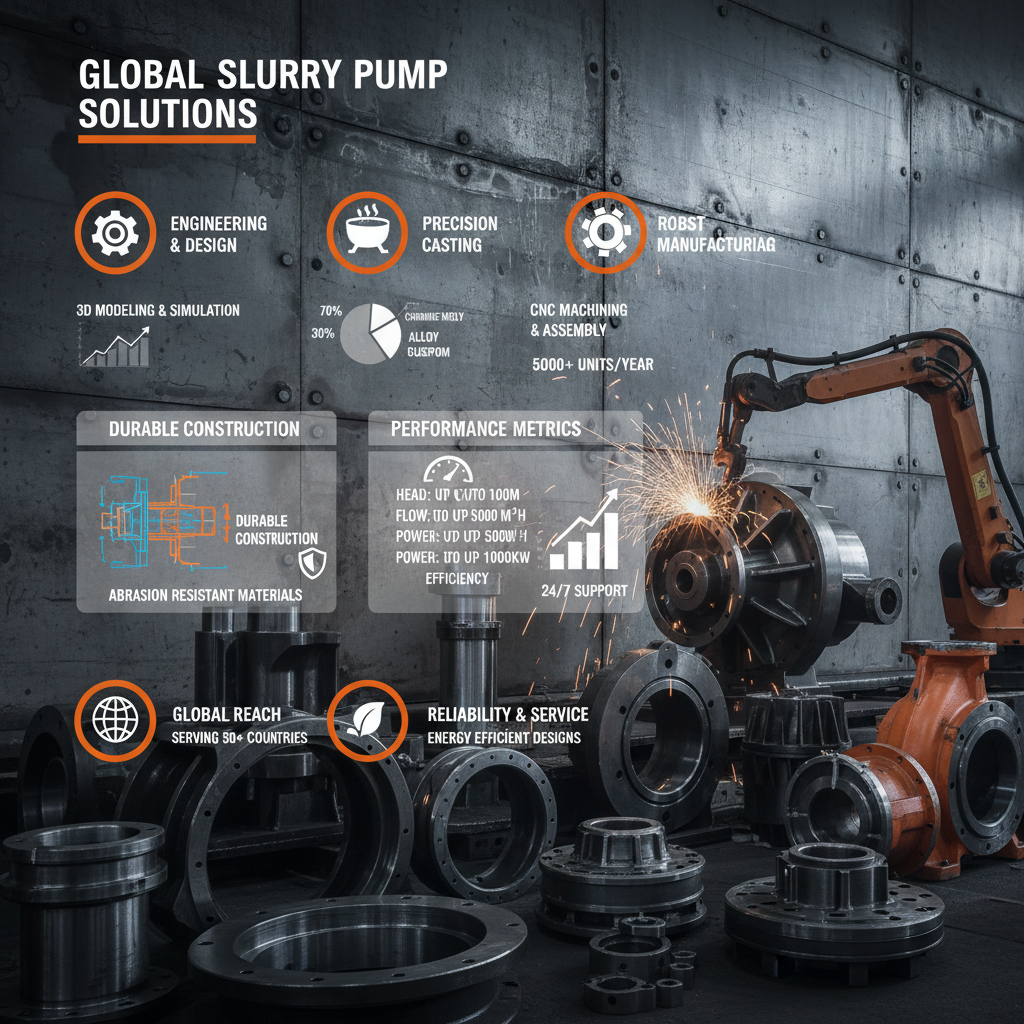
Modern slurry pump manufacturing extends beyond just casting iron; it involves the integration of variable frequency drives (VFDs), precision-balanced impellers, and specialized sealing systems. This connection to modern industry is vital, as these pumps facilitate the production of everything from semiconductor-grade silicon to the copper used in electric vehicle batteries.
Furthermore, the role of a manufacturer is to provide a comprehensive ecosystem of support, including the production of wear-resistant parts and specialized linings. By offering modular designs, a professional manufacturer ensures that clients can replace worn components quickly, minimizing downtime in remote industrial zones where logistics can be a nightmare.
Core Components of High-Performance Slurry Pumps
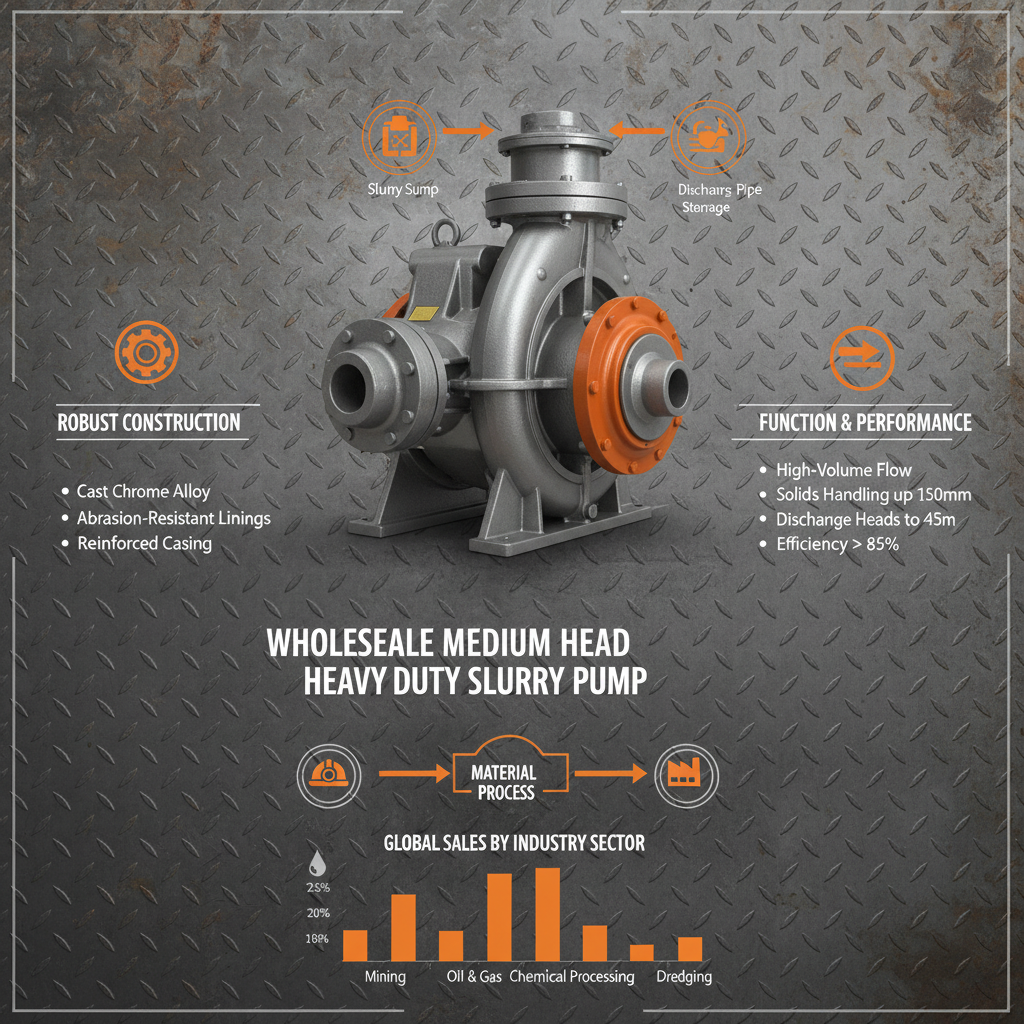
The durability of a system provided by a slurry pump manufacturer begins with the impeller. This component is the primary point of contact with abrasive particles, and its geometry must be meticulously designed to balance flow efficiency with wear resistance, often utilizing high-chrome alloys to withstand the constant bombardment of solids.
Scalability is another pillar of design. A reputable slurry pump manufacturer develops a range of pump sizes—from small-scale auxiliary pumps to massive heavy-duty units—ensuring that as a mining operation grows, the pumping infrastructure can be expanded without requiring a complete redesign of the hydraulic circuit.
Finally, cost efficiency is achieved through the use of replaceable liners. Instead of replacing the entire pump casing, manufacturers design interchangeable wear plates. This approach allows operators to maintain the core structural integrity of the pump while only spending money on the "sacrificial" parts that naturally wear down over time.
Key Performance Factors and Efficiency Metrics
When evaluating a slurry pump manufacturer, engineers focus on the "Total Dynamic Head" (TDH) and the pump's ability to maintain a constant flow rate despite changes in slurry density. The efficiency of the pump is not just about power consumption, but about how effectively it prevents solids from settling in the pipeline, which would otherwise cause costly blockages.
Advanced manufacturers now utilize computational fluid dynamics (CFD) to optimize the internal flow paths. This reduces turbulence and cavitation, which are the primary enemies of pump longevity. By smoothing the transition of the slurry through the volute, the manufacturer can significantly extend the life of the internal components.
Comparative Efficiency Ratings by Slurry Pump Manufacturer Approach
Global Industrial Applications and Use Cases
The applications of equipment from a professional slurry pump manufacturer are diverse. In the mining sector, these pumps are used for transporting ore slurry from the primary crusher to the flotation cells. In the dredging industry, they are critical for removing sediment from harbors and riverbeds to maintain navigable waterways, often operating in saltwater environments that require specialized anti-corrosion coatings.
Beyond heavy industry, slurry pumps are essential in wastewater treatment plants for moving sludge and in chemical processing for transporting caustic pastes. For instance, in remote industrial zones in South America or Africa, the ability of a manufacturer to provide rugged, easy-to-maintain pumps is the difference between a productive site and a stalled project.
Long-term Value and Operational Advantages
Investing in a high-tier slurry pump manufacturer provides tangible long-term value through reduced Total Cost of Ownership (TCO). While the initial purchase price of a premium pump may be higher, the reduction in unplanned downtime and the extension of the service interval for wear parts lead to significant cumulative savings.
From a logical perspective, the reliability of these systems enhances site safety. A pump failure in a tailings line can lead to hazardous spills, putting workers at risk and inviting regulatory fines. Therefore, the trust placed in a manufacturer's engineering is effectively an insurance policy against operational disaster.
Furthermore, the innovation brought by leading manufacturers—such as energy-efficient motor integration—aligns with global sustainability goals. Reducing the kilowatt-hour per ton of material moved not only lowers costs but also reduces the carbon footprint of the entire extraction process.
Future Innovations in Slurry Handling Technology
The future of the slurry pump manufacturer lies in the intersection of material science and digitalization. We are seeing the emergence of "Smart Pumps" equipped with IoT sensors that monitor vibration, temperature, and flow rates in real-time. This allows for predictive maintenance, where the system alerts the operator to replace a liner before it fails, eliminating unexpected shutdowns.
Additionally, the development of nano-composite materials is pushing the boundaries of wear resistance. New alloys are being engineered to be harder than the particles they transport, potentially doubling the lifespan of impellers. This shift toward ultra-durable materials is coupled with a move toward green energy, where pump drives are being optimized for solar-hybrid power grids in remote locations.
Automation is also playing a key role. Automated control systems can now adjust pump speeds dynamically based on the density of the incoming slurry, ensuring the pump always operates at its Best Efficiency Point (BEP). This digital transformation is turning the traditional pump into an intelligent component of a fully automated mineral processing plant.
Technical Analysis of Future Slurry Pump Technologies
| Technology Type |
Primary Benefit |
Implementation Cost |
Expected Lifespan Gain |
| IoT Predictive Sensors |
Zero Unplanned Downtime |
Moderate |
15-20% |
| Nano-Ceramic Liners |
Extreme Abrasion Resistance |
High |
50-100% |
| VFD Smart Drives |
Energy Optimization |
Low to Moderate |
10-15% |
| Hybrid Alloy Casting |
Corrosion-Erosion Balance |
Moderate |
30-40% |
| Automated Lubrication |
Bearing Life Extension |
Low |
20% |
| CFD-Optimized Volutes |
Reduced Cavitation |
Moderate (Design phase) |
25% |
FAQS
The best approach is to provide the manufacturer with a detailed "slurry profile," including particle size distribution, chemical composition (pH levels), and the percentage of solids by weight. A professional manufacturer will use this data to recommend the specific alloy—such as high-chrome or natural rubber—that offers the best resistance to your particular abrasive material.
Lifespan varies wildly based on the application. In mild applications, liners can last years; in high-abrasion tailings, they may last only a few months. However, a quality manufacturer ensures that the replacement process is streamlined, meaning a part that lasts 3 months can be replaced in 4 hours, maintaining high overall equipment effectiveness (OEE).
Yes, leading manufacturers offer specialized duplex stainless steels or high-nickel alloys specifically designed for saltwater dredging. These materials prevent the pitting and crevice corrosion common in marine environments while maintaining the hardness required to pump sandy sediment.
Variable Frequency Drives allow operators to adjust the pump speed to match the actual flow requirements. This prevents "over-pumping," which can lead to excessive wear and energy waste, and it allows the pump to maintain the critical velocity needed to keep solids in suspension without causing unnecessary erosion.
While third-party parts may be cheaper, OEM parts are engineered to the exact tolerances of the original design. Using non-OEM parts can often lead to misalignment or poor sealing, which increases the wear rate of the impeller and can void the manufacturer's warranty on the main pump unit.
Common indicators include a noticeable drop in discharge pressure, an increase in motor amperage (as the pump becomes less efficient), and an increase in vibration. Regular ultrasonic thickness testing of the casing is the most professional way to monitor wear before a breakthrough occurs.
Conclusion
In summary, the role of a professional slurry pump manufacturer extends far beyond the simple casting of metal; it is a fusion of material science, hydraulic engineering, and operational support. By focusing on key factors such as wear-resistant alloys, scalable designs, and the integration of smart monitoring technologies, these manufacturers enable the global mining and industrial sectors to operate with greater efficiency, safety, and sustainability.
Looking forward, the industry will continue to shift toward predictive maintenance and eco-friendly materials, further reducing the environmental impact of heavy industry. For operators looking to optimize their flow systems, the recommendation is clear: prioritize long-term TCO over initial cost and partner with a manufacturer that offers a complete lifecycle support system. Visit our website for more professional solutions: www.miningzy.com