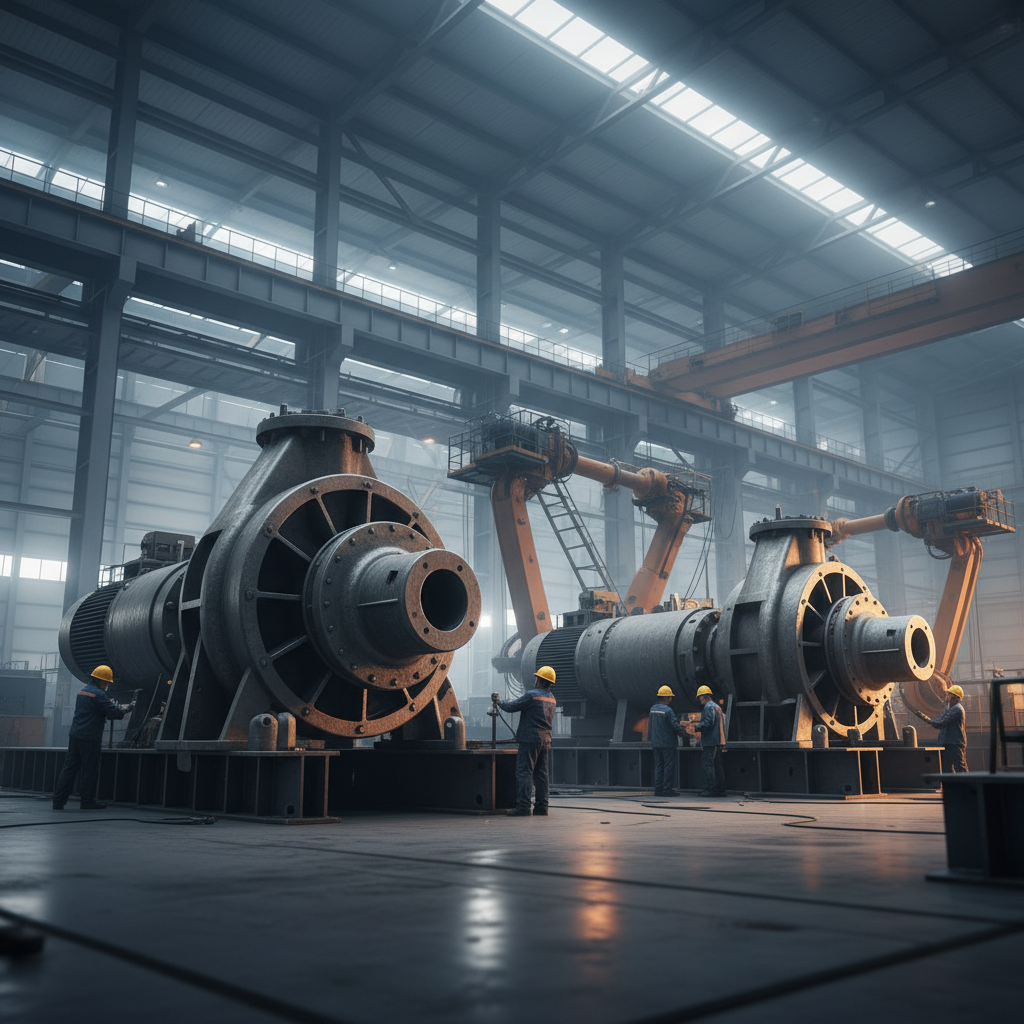
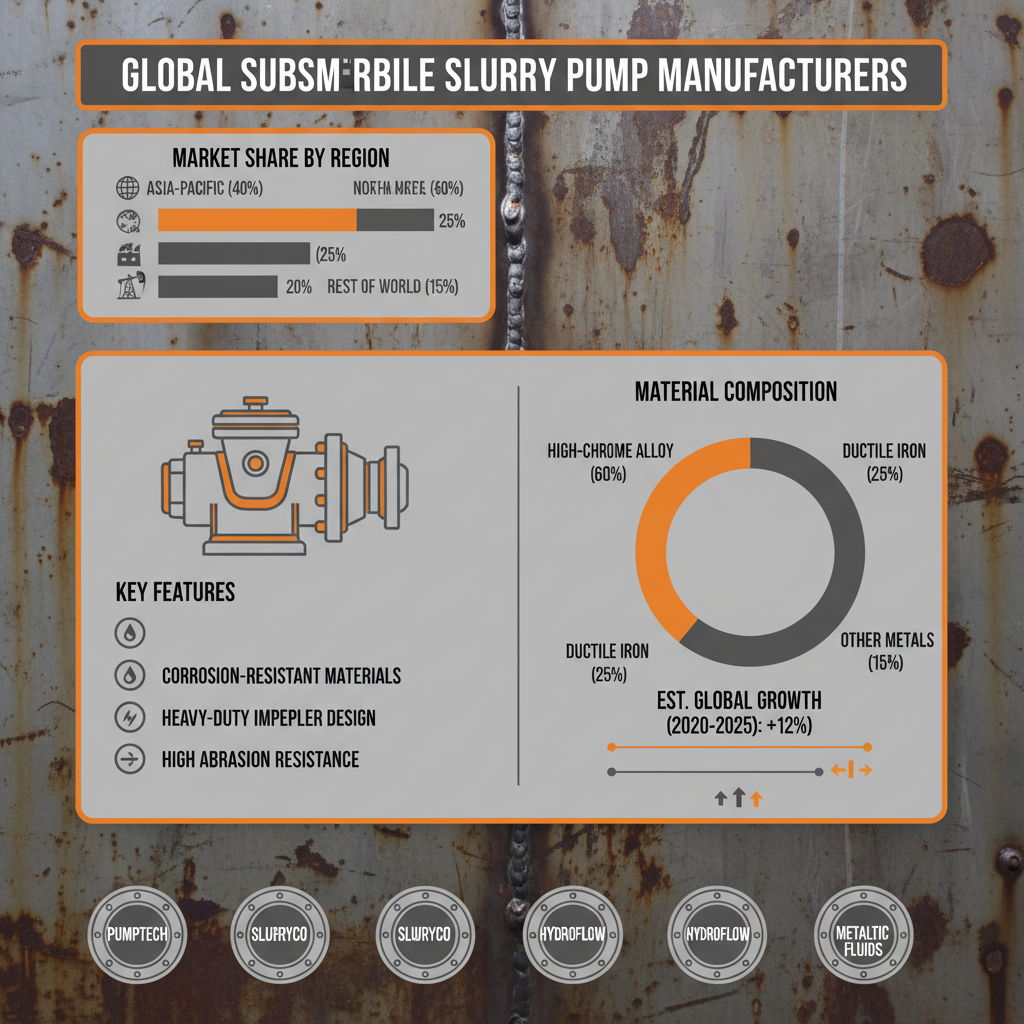
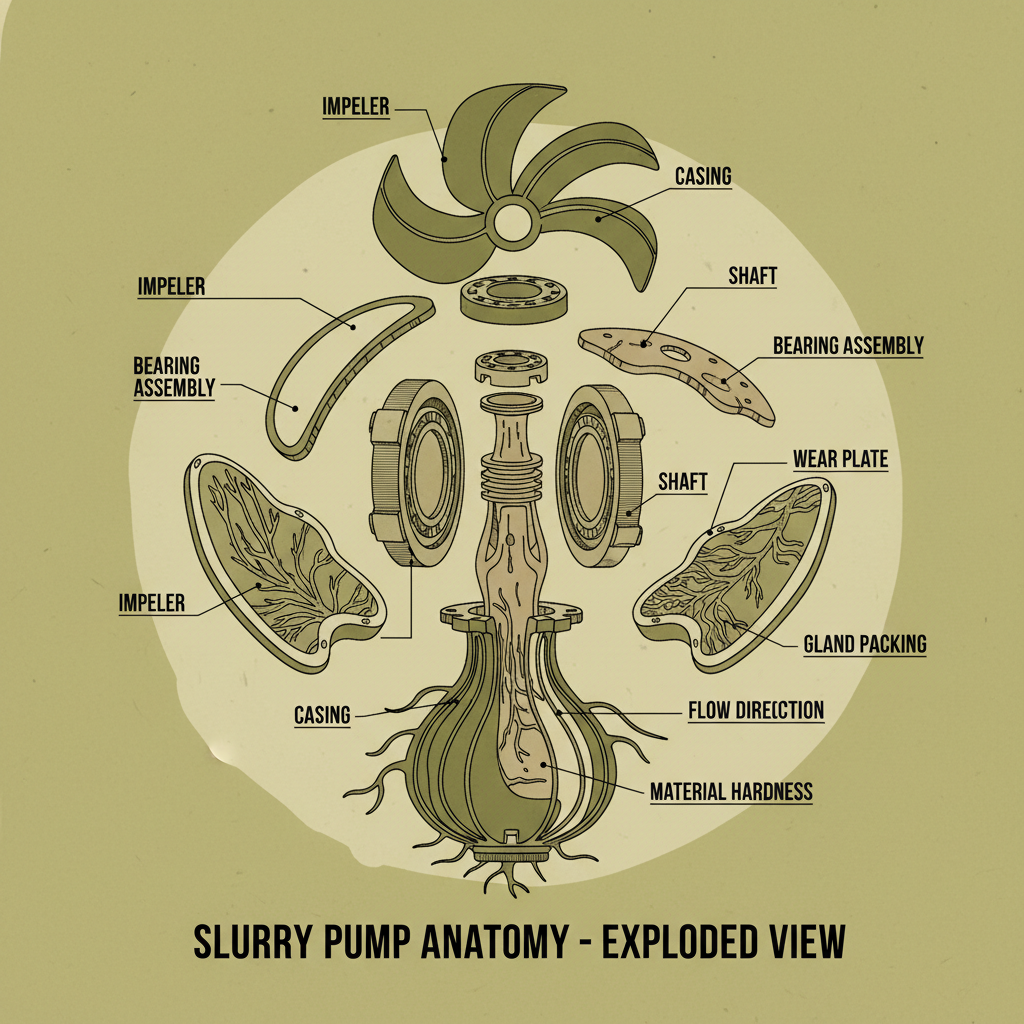
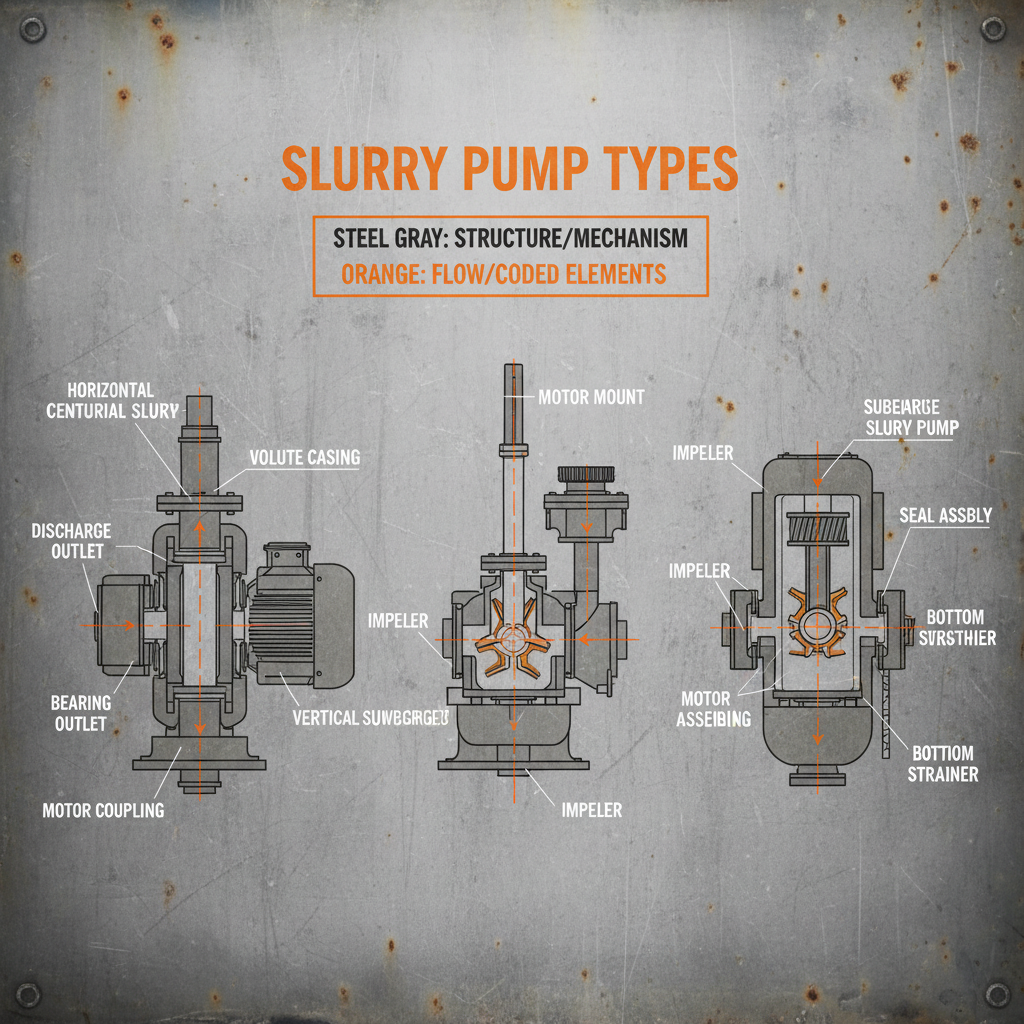
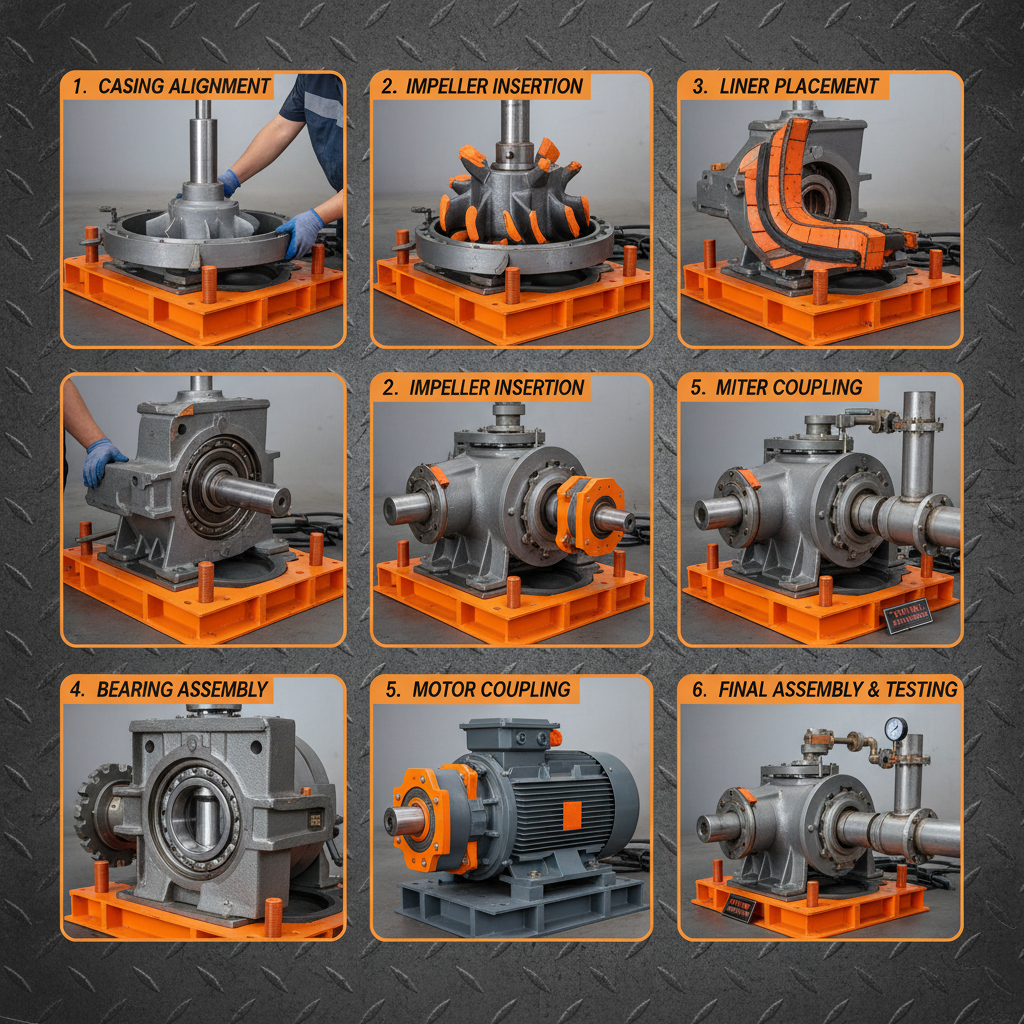
Finding reliable submersible slurry pump manufacturers is critical for any industrial operation dealing with abrasive materials, tailings, or heavy sludge. These specialized pumps are engineered to operate entirely submerged, eliminating the need for long suction lines and reducing the risk of cavitation, which significantly increases efficiency in mining, dredging, and wastewater treatment sectors.
The global demand for high-performance slurry handling has surged as mining operations move toward deeper deposits and urban infrastructure requires more robust flood control and sludge removal systems. By partnering with experienced submersible slurry pump manufacturers, companies can ensure they receive equipment tailored to specific gravity, particle size, and chemical composition of the fluids being transported.
Understanding the nuances of pump metallurgy and hydraulic design is what separates a standard pump from a long-life industrial asset. This guide explores the essential criteria for selecting the right partners, the technological advancements driving the industry, and how to maximize the lifecycle of your investment in slurry management.
The Role of Submersible Slurry Pump Manufacturers in Modern Industry
Submersible slurry pump manufacturers serve as the backbone of heavy-duty fluid transport. Unlike standard water pumps, these manufacturers must integrate advanced sealing technologies and high-torque motors that can withstand the immense pressure of being submerged while pushing dense, abrasive mixtures. This specialized expertise ensures that the equipment does not succumb to premature seal failure or motor burnout in harsh environments.
By focusing on the intersection of hydraulic efficiency and mechanical robustness, leading manufacturers provide solutions that reduce downtime. The ability to handle high-solid concentrations without clogging is a hallmark of quality engineering, allowing industries to maintain continuous production cycles and reduce the labor costs associated with manual pit cleaning.
Key Engineering Factors for Slurry Pump Durability
Durability in the context of slurry pumping starts with the impeller design. Top-tier submersible slurry pump manufacturers utilize Computational Fluid Dynamics (CFD) to optimize flow paths, minimizing turbulence and reducing the velocity of abrasive particles against the pump walls. This strategic design reduces "hot spots" of wear and ensures a more uniform erosion pattern.
Another critical factor is the sealing mechanism. Because the pump operates under water, the interface between the motor and the pump end must be impervious to fine grit. High-performance mechanical seals, often paired with oil chambers and dual-barrier systems, prevent the ingress of slurry into the electrical components, which is the primary cause of pump failure.
Finally, scalability and adaptability play a huge role. Whether it is a small-scale dredging project or a massive mining operation, the ability to adjust impeller diameters or motor speeds allows operators to optimize the pump for varying slurry densities, ensuring that the motor operates within its efficient window without overloading.
Understanding the Material Science Behind Wear Resistance
The selection of materials is where the true expertise of submersible slurry pump manufacturers becomes evident. The constant friction of sand, ore, and minerals acts like sandpaper on internal components, making standard stainless steel insufficient for long-term use.
Many industry leaders now employ high-chromium alloys and specialized ceramics. These materials offer a superior balance of hardness and toughness, allowing the pump to resist both abrasive wear (slow erosion) and impact wear (sudden shocks from large particles), thereby extending the mean time between overhauls (MTBO).
Beyond the alloys, some manufacturers integrate replaceable wear liners. By using sacrificial sleeves in high-velocity areas, the core structure of the pump remains intact while only the low-cost liners need replacing, drastically reducing the total cost of ownership for the end-user.
Comparative Performance Analysis of Pumping Methods
When evaluating different approaches to slurry management, it is essential to compare the effectiveness of various pump designs. Different submersible slurry pump manufacturers may prioritize either high-volume flow or high-head pressure depending on the target application, such as deep-well mining versus shallow pond dredging.
The following data illustrates how different design philosophies impact the overall efficiency and reliability of the system. By analyzing these ratings, operators can better determine which pump configuration aligns with their specific operational constraints.
Performance Ratings by Pump Configuration
Global Applications and Industrial Use Cases
The versatility of equipment from submersible slurry pump manufacturers allows for deployment in diverse environments. In the mining sector, these pumps are indispensable for removing tailings from sumps, ensuring that mine shafts remain dry and safe for workers. In remote industrial zones, their ease of installation—requiring no external priming—makes them the preferred choice for rapid deployment.
Furthermore, municipal wastewater plants utilize these pumps to manage heavy grit and sludge, preventing clogging in the primary treatment stages. Even in post-disaster relief operations, where floodwaters are often contaminated with mud and debris, submersible slurry pumps are deployed to clear critical infrastructure and restore accessibility to affected regions.
Economic Benefits and Long-term Operational Value
Investing in high-quality pumps from reputable submersible slurry pump manufacturers provides a tangible return on investment through reduced operational expenditure (OPEX). While the initial capital cost may be higher for premium alloys, the reduction in unplanned downtime and the extended intervals between part replacements lead to significant savings over the pump's lifecycle.
From a safety perspective, submersible pumps eliminate the hazards associated with surface-mounted pumps and complex suction piping. By keeping the pumping action below the liquid level, the risk of air leaks and pump "run-dry" scenarios is virtually eliminated, protecting the investment and the personnel operating the machinery.
Sustainability is also a key driver. Modern pumps are designed with higher hydraulic efficiency, meaning they move more material per kilowatt of energy consumed. This not only lowers electricity bills but also reduces the carbon footprint of the industrial site, aligning with global ESG (Environmental, Social, and Governance) standards.
Future Trends in Smart Slurry Pumping Technology
The next generation of equipment from submersible slurry pump manufacturers is integrating the Industrial Internet of Things (IIoT). Smart sensors are now being embedded directly into the pump housing to monitor vibration, temperature, and wear levels in real-time. This allows for predictive maintenance, where a technician is alerted to replace a part before it fails, rather than reacting to a breakdown.
Automation is also playing a critical role. Variable Frequency Drives (VFDs) are becoming standard, allowing the pump to automatically adjust its speed based on the slurry density detected by sensors. This optimization prevents energy waste during low-density cycles and ensures maximum throughput during peak loads.
As the industry moves toward "green mining," we are seeing a shift toward fully recyclable materials and more biodegradable lubricants in the motor cooling systems. The goal is to create a closed-loop lifecycle where the pump components can be refurbished and reused, further reducing the environmental impact of heavy industry.
Analysis of Advanced Material Performance and Lifecycle Costs
| Material Type |
Wear Resistance Score (1-10) |
Initial Cost Index |
Estimated Lifespan (Years) |
| High Chrome Alloy |
9 |
Medium-High |
5-8 |
| Tungsten Carbide |
10 |
Very High |
10-12 |
| Hardened Steel |
6 |
Low |
2-3 |
| Rubber-Lined Alloy |
8 |
Medium |
4-6 |
| Ceramic Composite |
9 |
High |
7-9 |
| Polyurethane Coating |
7 |
Low-Medium |
3-5 |
FAQS
When choosing a manufacturer, look beyond the price tag. Evaluate their expertise in metallurgy, the availability of spare parts, and their ability to provide customized hydraulic designs based on your specific slurry density and particle size. A manufacturer that offers CFD analysis and a proven track record in your specific industry (e.g., mining vs. dredging) is generally a safer investment.
Lifespan varies wildly based on material choice. Standard steel pumps may only last 2-3 years in high-abrasion environments, whereas pumps from top-tier submersible slurry pump manufacturers using high-chrome alloys or ceramic liners can last 5-12 years. Regular maintenance and the use of wearable liners are key to maximizing this lifespan.
Yes, provided the materials are selected correctly. Many manufacturers offer duplex stainless steel or special polymer coatings to resist corrosion. It is vital to communicate the pH level and chemical composition of your slurry to the manufacturer so they can specify the correct alloy for the pump casing and impeller.
While schedules vary, a monthly inspection of the seal oil and vibration levels is recommended. For highly abrasive applications, a quarterly check of the impeller wear is advisable. Using "smart" pumps with IIoT sensors can move you toward a predictive model, where maintenance is performed based on actual wear data rather than a calendar.
Submersible pumps are superior for applications where the fluid is in a pit or sump, as they eliminate suction lift issues and cavitation. Horizontal pumps are better for permanent installations where the fluid is already at surface level and requires very high-pressure transport over long distances. For most dredging and pit-clearing tasks, the submersible option is far more efficient.
The two most common causes are seal failure and impeller erosion. Seal failure usually occurs due to improper installation or handling of the pump during deployment. Impeller erosion is inevitable but can be slowed down by choosing the right materials and avoiding "dry running," which can cause rapid overheating and catastrophic failure.
Conclusion
Selecting the right equipment from professional submersible slurry pump manufacturers is a strategic decision that impacts the entire operational efficiency of an industrial site. From the critical choice of high-chrome alloys to the integration of IIoT for predictive maintenance, the quality of your pumping system determines your downtime and long-term profitability. By focusing on durability, material science, and hydraulic optimization, companies can ensure their slurry management is both cost-effective and sustainable.
As the industry evolves toward automation and greener materials, the gap between standard pumps and high-performance engineered solutions will only widen. We recommend that operators conduct a thorough audit of their fluid characteristics before purchasing to ensure they get a tailored solution rather than a generic product. For those looking to upgrade their infrastructure with the latest in wear-resistant technology, visiting a trusted provider is the first step toward operational excellence. Visit our website: www.miningzy.com