Look, I’ve spent the last fifteen years wading through mud, dust, and concrete dust on sites all over the world. I've seen pumps fail when they’re needed most, projects delayed because of downtime, and budgets blown out because of preventable issues. That's why understanding high density slurry pumps isn't just about specs and flow rates – it's about keeping projects moving, people safe, and costs under control. It's the backbone of so many operations, from mining to wastewater treatment, and the consequences of a bad pump are real and they hit hard.
We’re talking about moving incredibly abrasive materials – think tailings, dredged sediment, or concentrated mineral slurries. It’s not like pumping water. These materials are heavy, dense, and will eat through standard equipment like it’s butter. Choosing the right high density slurry pump isn't a cost-saving measure; it's a risk mitigation strategy. A reliable pump means less downtime, lower maintenance, and a more predictable project timeline. Believe me, when you’re staring down a deadline and a flooded pit, you want something you can rely on.
The industry is changing, though. We're seeing a push for more sustainable practices, a demand for remote monitoring, and a need for pumps that can handle increasingly complex slurry compositions. It’s not enough to just move the material anymore, we need to do it efficiently, responsibly, and with as little human intervention as possible. That's where the advancements in high density slurry pump technology are really starting to shine.
The Global Significance of high density slurry pump
Let's be clear: the demand for effective material handling is only going up. The UN projects global population to reach nearly 10 billion by 2050, meaning increased demand for resources—mining, infrastructure development, and waste management all rely heavily on moving high-density slurries. According to the World Bank, significant investments are planned in water and wastewater treatment infrastructure in developing nations, many of which require robust high density slurry pump systems. This isn’t a niche market; it's a global necessity.
The challenge isn’t just volume; it’s the type of slurry. We’re dealing with increasingly abrasive and corrosive materials, driven by the extraction of lower-grade ores and the complexities of industrial waste. Pumps that were adequate ten years ago just aren’t cutting it now. The ISO 13709 standard for centrifugal pumps sets a high bar, and manufacturers need to constantly innovate to meet these evolving requirements. Failing to do so leads to catastrophic failures, environmental damage, and significant financial losses.
Defining high density slurry pump
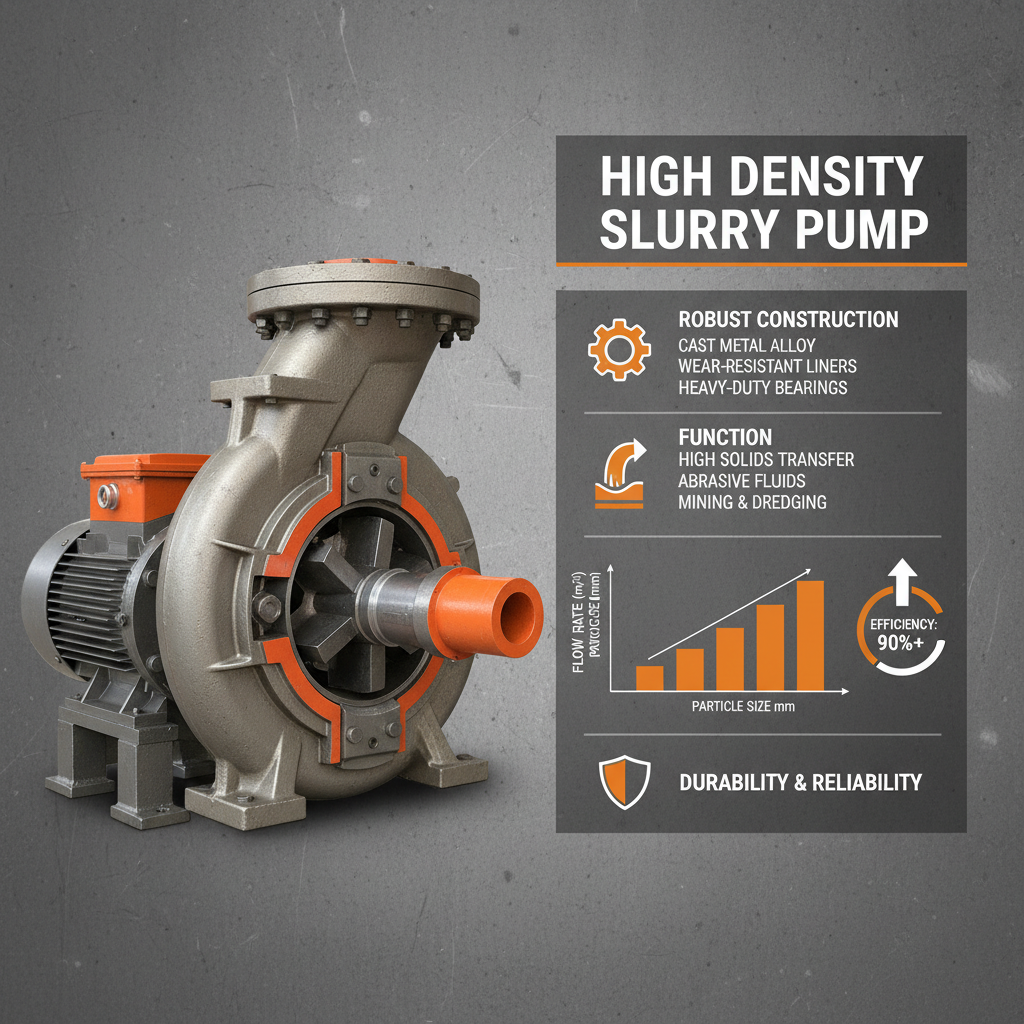
Put simply, a high density slurry pump is designed to move fluids containing a high concentration of solid particles. Unlike standard pumps that struggle with even a small amount of grit, these are built to handle mixtures where solids make up a substantial portion of the overall volume. Think of it like this: pumping water is one thing, pumping wet concrete is another entirely. That’s the difference we’re talking about.
These pumps aren't just about brute force; it’s about clever engineering. They often incorporate features like hardened materials, specialized impeller designs, and robust seals to withstand the constant abrasion and corrosion. They're typically centrifugal, positive displacement, or diaphragm pumps, each with its strengths and weaknesses depending on the specific application.
This technology isn't just for heavy industry anymore. It's crucial for environmental remediation – dredging contaminated sediments, treating industrial wastewater, and managing mine tailings. It plays a vital role in humanitarian efforts, too, like delivering potable water and managing waste in disaster zones. It’s a foundational technology for modern infrastructure and environmental protection.
Core Components & Characteristics
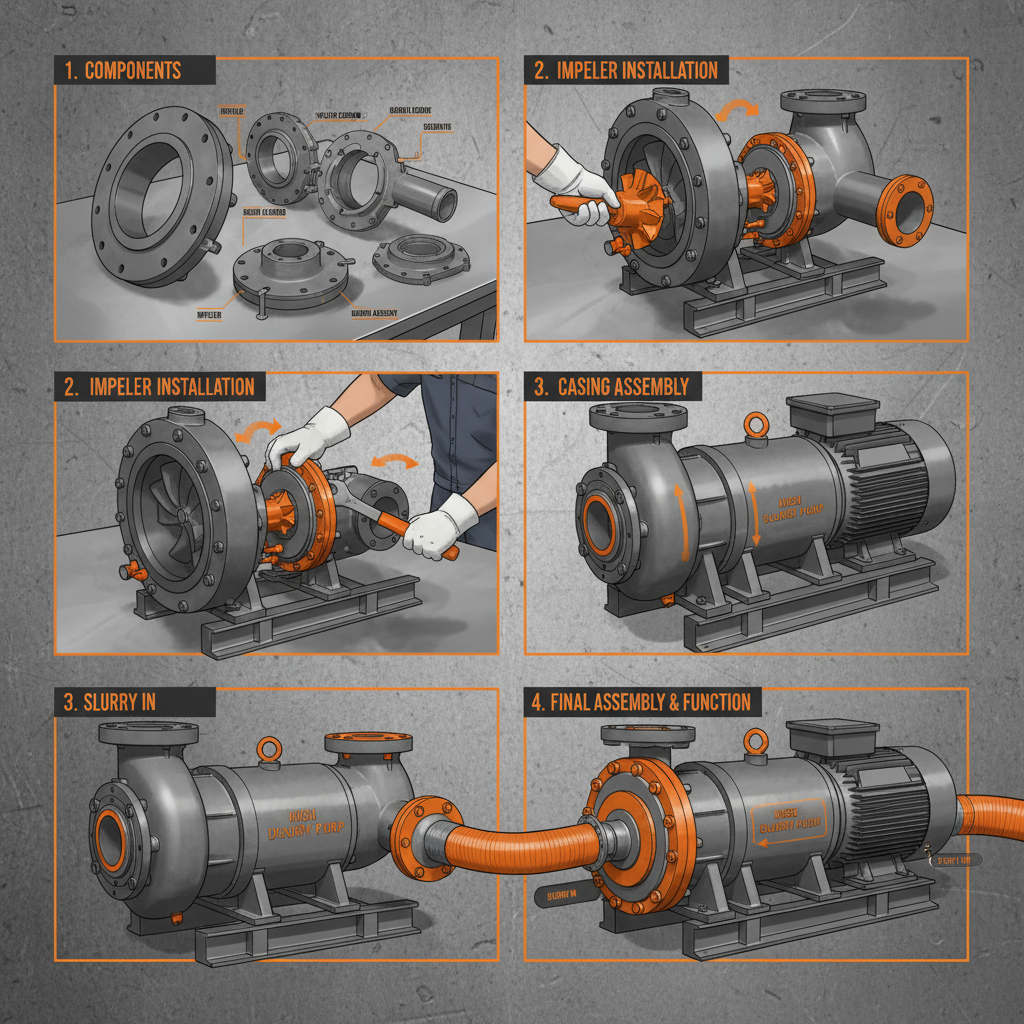
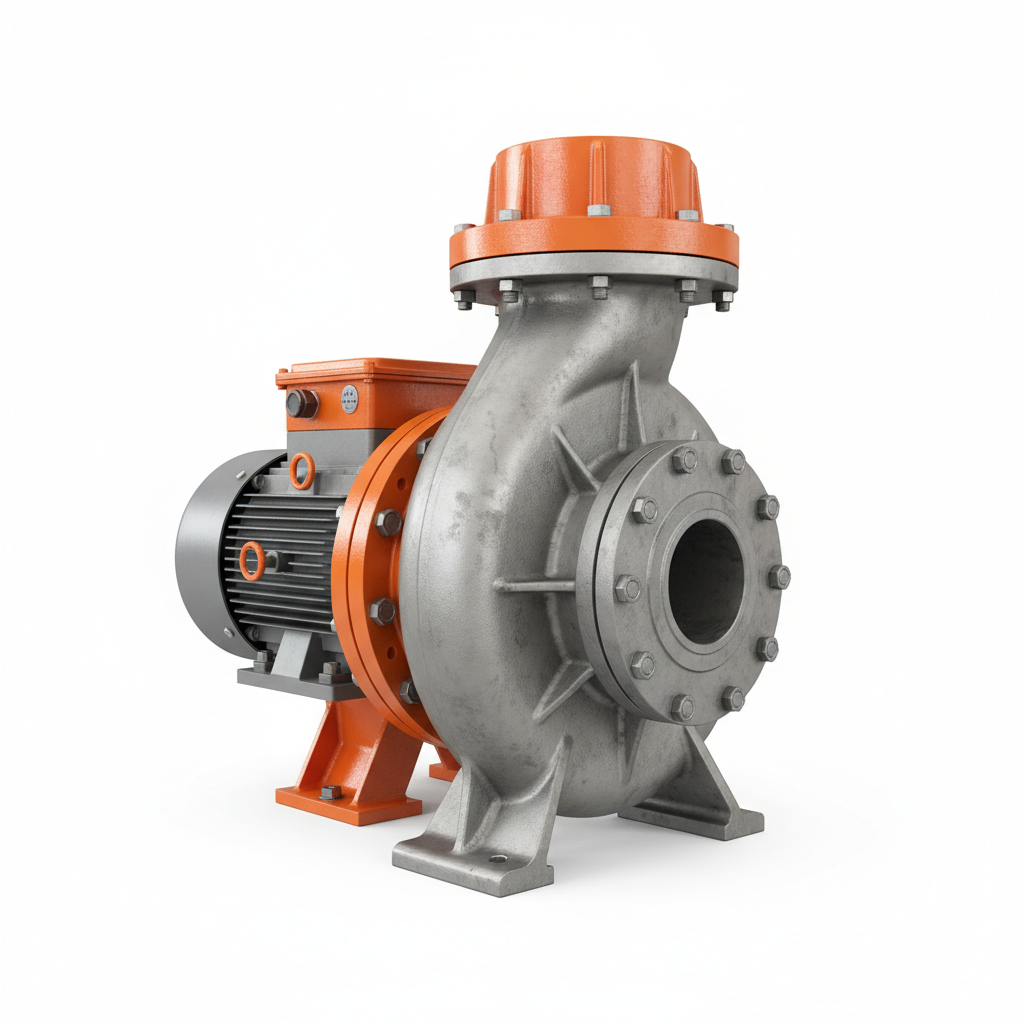
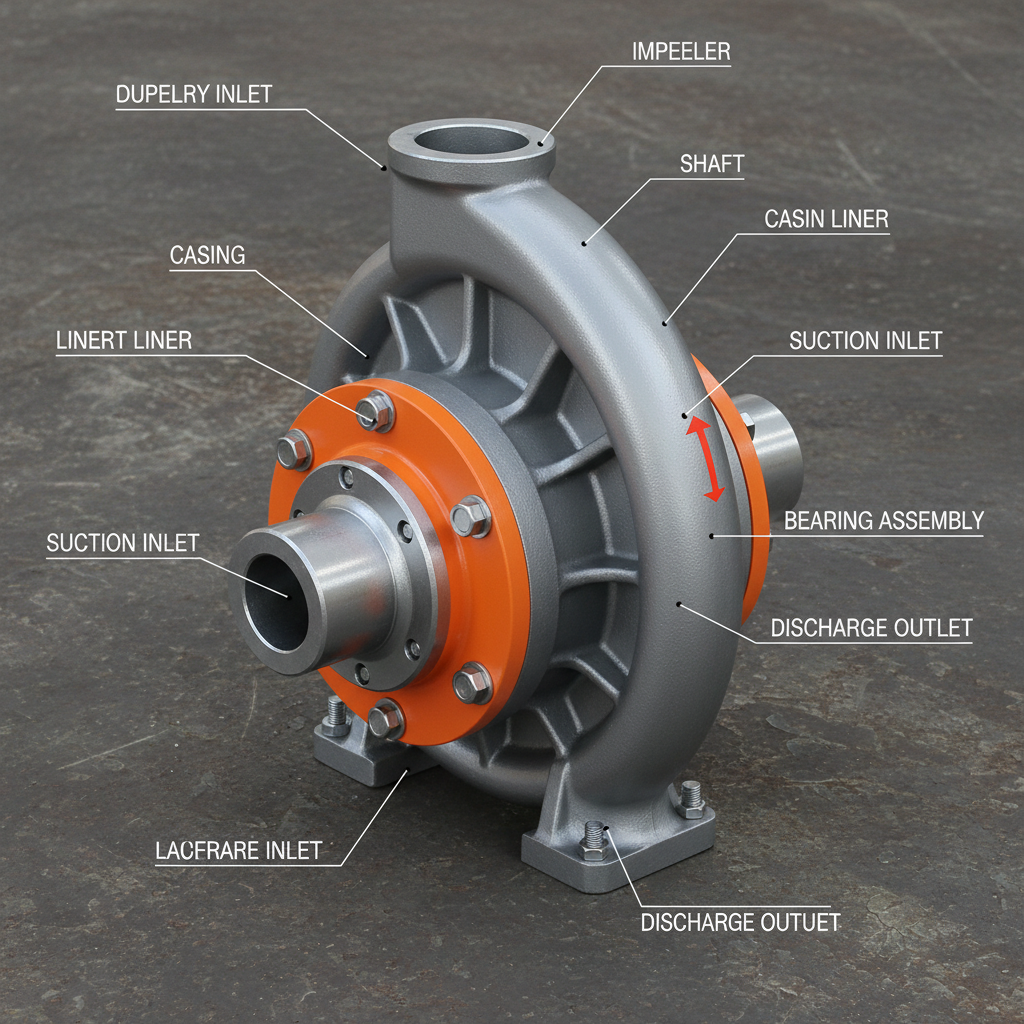
Let’s talk about what makes these pumps tick. First, you’ve got the casing – it needs to be incredibly durable, typically made from high-chrome alloys or specialized rubber linings to resist abrasion. Then there's the impeller, the heart of the pump. Its design is critical for maximizing efficiency and minimizing wear. We look for impellers with hardened edges and optimized blade angles.
Seals are another crucial component. A failure here can lead to leaks, downtime, and environmental hazards. Mechanical seals are common, but their design and material selection are paramount. We always opt for double mechanical seals with a barrier fluid system in particularly abrasive applications. Beyond the hardware, the pump’s control system is also vital, allowing for adjustments to flow rate, pressure, and speed to optimize performance and protect the pump from overload.
Finally, consider the drive system. Electric motors are typical, but diesel or hydraulic drives are often used in remote locations or for portable applications. The choice depends on the power requirements, available infrastructure, and operational constraints. The entire system needs to be designed for ease of maintenance and accessibility, because when things go wrong, you need to be able to fix them quickly and efficiently.
Practical Applications Across Industries
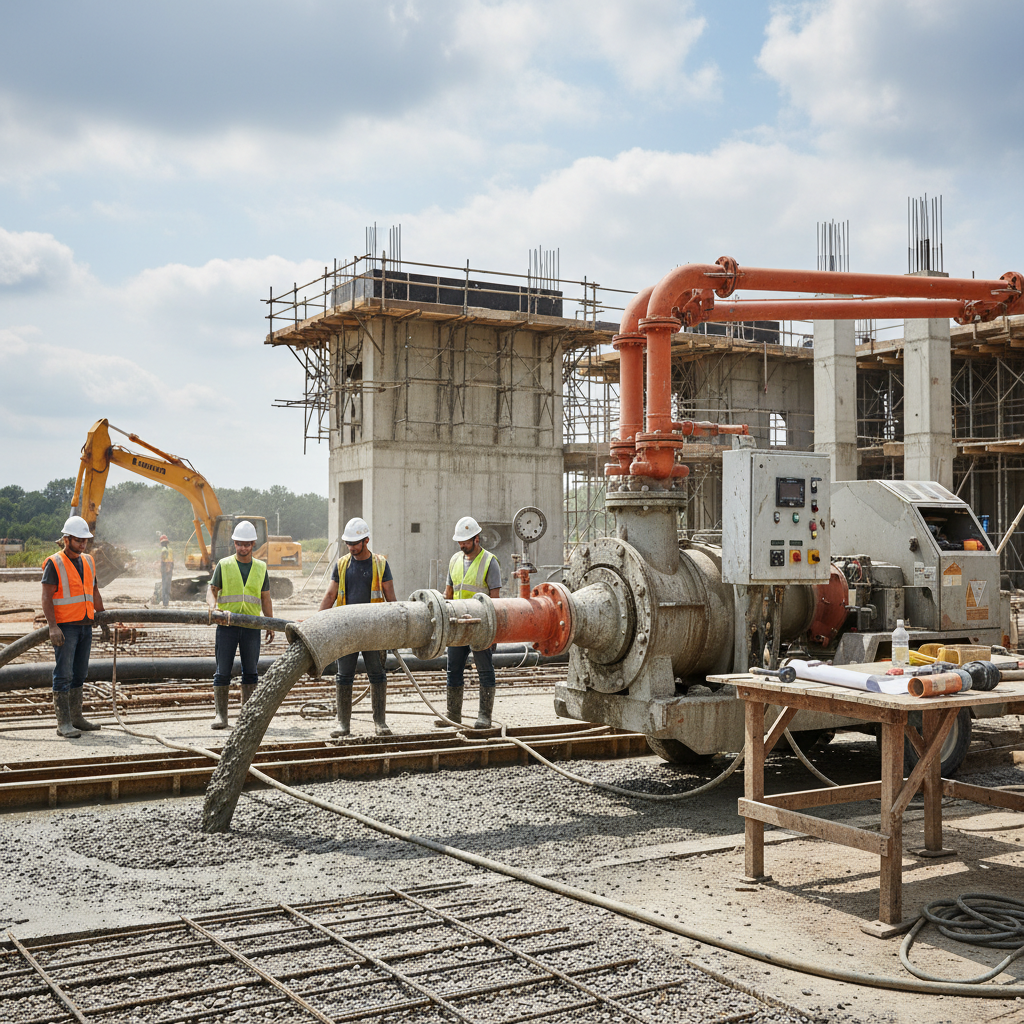
You’ll find high density slurry pumps everywhere. In the mining industry, they’re essential for transporting tailings, backfilling stopes, and moving process slurries. In dredging operations, they’re used to remove sediment from harbors, rivers, and waterways. Water and wastewater treatment plants rely on them to manage sludge and biosolids.
The oil and gas industry uses them for drilling mud circulation and waste disposal. Even in the food and beverage industry, they're used to move viscous products like fruit pulp and sauces. In remote areas of Australia, these pumps are vital for moving ore slurry over long distances. In the Netherlands, they protect low-lying areas by pumping away floodwaters laden with silt and debris.
Performance Comparison of high density slurry pump Methods
Long-Term Benefits & Value Proposition
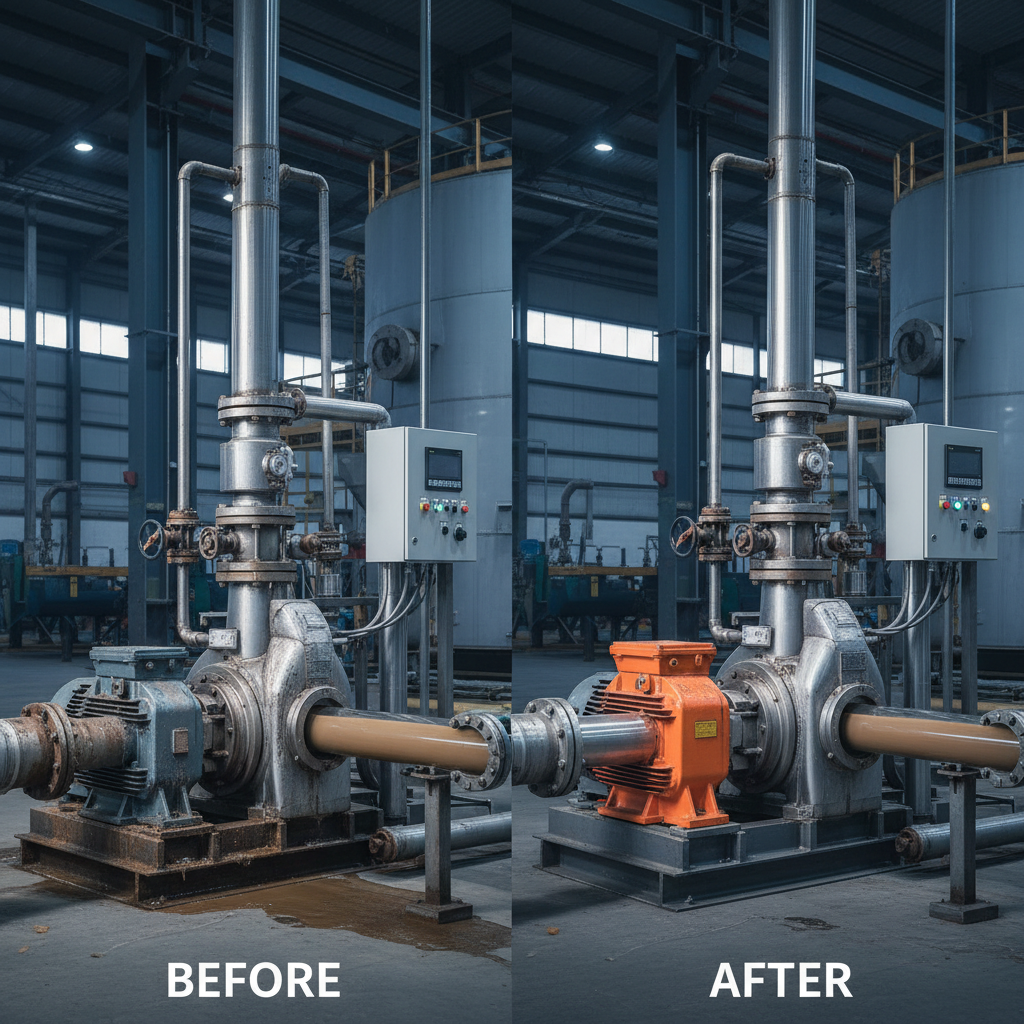
The initial cost of a high density slurry pump can be higher than standard pumps, no question. But the total cost of ownership is where the real value lies. Reduced downtime, lower maintenance, and increased efficiency translate to significant savings over the pump’s lifespan. Plus, a reliable pump minimizes the risk of costly environmental incidents.
From a sustainability standpoint, these pumps can help reduce energy consumption and minimize waste. By optimizing flow rates and minimizing wear, you’re reducing the overall environmental impact of your operation. And let’s not forget the safety aspect. A well-maintained pump reduces the risk of leaks, spills, and potential hazards for workers.
Future Trends and Innovations
We’re seeing a big push towards smart pumps – pumps equipped with sensors and data analytics capabilities. These pumps can monitor their own performance, predict failures, and even adjust their operating parameters in real-time. Remote monitoring is also becoming increasingly common, allowing operators to track pump performance from anywhere in the world.
Material science is also playing a role. New alloys and coatings are being developed that offer even greater resistance to abrasion and corrosion. And with the rise of Industry 4.0, we’re seeing increased integration of high density slurry pumps into automated control systems.
Common Challenges & Effective Solutions
One of the biggest challenges is dealing with varying slurry compositions. A pump that works perfectly with one type of slurry might struggle with another. That’s why it’s crucial to thoroughly analyze the slurry characteristics before selecting a pump.
Another common issue is abrasive wear. Even with hardened materials, pumps will eventually wear out. Regular inspections, preventative maintenance, and the use of wear-resistant liners can extend pump life. And finally, dealing with blockages is a constant concern. Properly designed suction lines and the use of agitation systems can help prevent blockages from forming.
We’re also seeing a need for more flexible pump designs that can handle a wider range of slurry densities and particle sizes. Modular pump systems are gaining popularity, allowing operators to quickly adapt to changing conditions.
Summary of Challenges and Solutions for high density slurry pump
| Challenge |
Impact on Operation |
Solution |
Implementation Cost (1-10) |
| Abrasive Wear |
Reduced pump life, increased maintenance |
Hardened materials, wear-resistant liners |
6 |
| Slurry Composition Variation |
Decreased pump efficiency, potential damage |
Slurry analysis, pump selection based on characteristics |
4 |
| Blockages |
Downtime, reduced flow rates |
Optimized suction lines, agitation systems |
5 |
| Seal Failure |
Leaks, environmental hazards |
Double mechanical seals with barrier fluid |
7 |
| Energy Consumption |
High operating costs |
Variable frequency drives, optimized impeller design |
5 |
| Remote Monitoring Implementation |
Initial setup complexity |
Integrated sensor network, data analytics platform |
8 |
FAQS
Honestly, it’s underestimating the abrasiveness of the slurry. Folks often focus on flow rate and head, but if you don’t select materials that can withstand the constant impact of solid particles, the pump won’t last. Get a proper slurry analysis done – know your particle size distribution, hardness, and concentration before you even start looking at pumps.
I recommend a minimum of monthly inspections, but in really tough applications, you might want to do weekly checks. Look for signs of wear on the impeller, casing, and seals. Listen for unusual noises, and monitor the pump’s performance – any drop in flow rate or increase in power consumption could indicate a problem. Keep a detailed maintenance log.
Centrifugal pumps are generally better for high flow rates and lower viscosity slurries. They’re also more forgiving of variations in slurry composition. Positive displacement pumps, on the other hand, are better for high viscosity slurries and applications where you need a precise, consistent flow rate. They're also more efficient at lower flow rates, but can be more sensitive to solids.
Proper suction line design is key. Avoid sharp bends and ensure the line is adequately sized for the slurry flow rate. Also, consider using an agitation system in the suction tank to keep the solids suspended. Regularly inspect and clean strainers and filters. And, most importantly, make sure your operators understand the importance of avoiding sudden changes in flow rate.
A VFD allows you to adjust the pump’s speed to match the actual demand. This can significantly reduce energy consumption, minimize wear and tear, and improve process control. It also allows you to avoid potential issues like cavitation and overloading the pump. It's a worthwhile investment in most applications.
Don’t guess! You need to carefully calculate the required flow rate, head pressure, and slurry density. Consider the system’s overall layout, including pipe diameter, elevation changes, and any restrictions to flow. And always factor in a safety margin to account for potential variations in operating conditions. Consulting with a pump specialist is a smart move.
Conclusion
In the end, high density slurry pumps are the workhorses of countless industries. Selecting the right pump, implementing a robust maintenance program, and embracing new technologies like smart pumps and advanced materials are all crucial for ensuring reliable, efficient, and sustainable operations. It's about more than just moving material; it’s about protecting your investment, your environment, and your people.
Don’t cut corners when it comes to these critical components. Investing in quality equipment, proper training, and proactive maintenance will pay dividends in the long run. If you’re facing a challenging slurry application, or simply want to learn more about optimizing your pump system, reach out to the experts at Miningzy.com. We’re here to help.