Look, slurry pump companies… it's not glamorous work, right? But someone's gotta keep the stuff flowing. I spend my life on these sites, you know, boots on the ground, and let me tell you, things are changing. Used to be, you'd just grab the cheapest pump that could handle the grit. Now? Everyone's talking about efficiency, longevity, and, strangely, the environmental impact. I've been seeing a lot of push for variable frequency drives to optimize energy use. It's good, I guess. But it also means more complicated control systems, which... well, more things to break down.
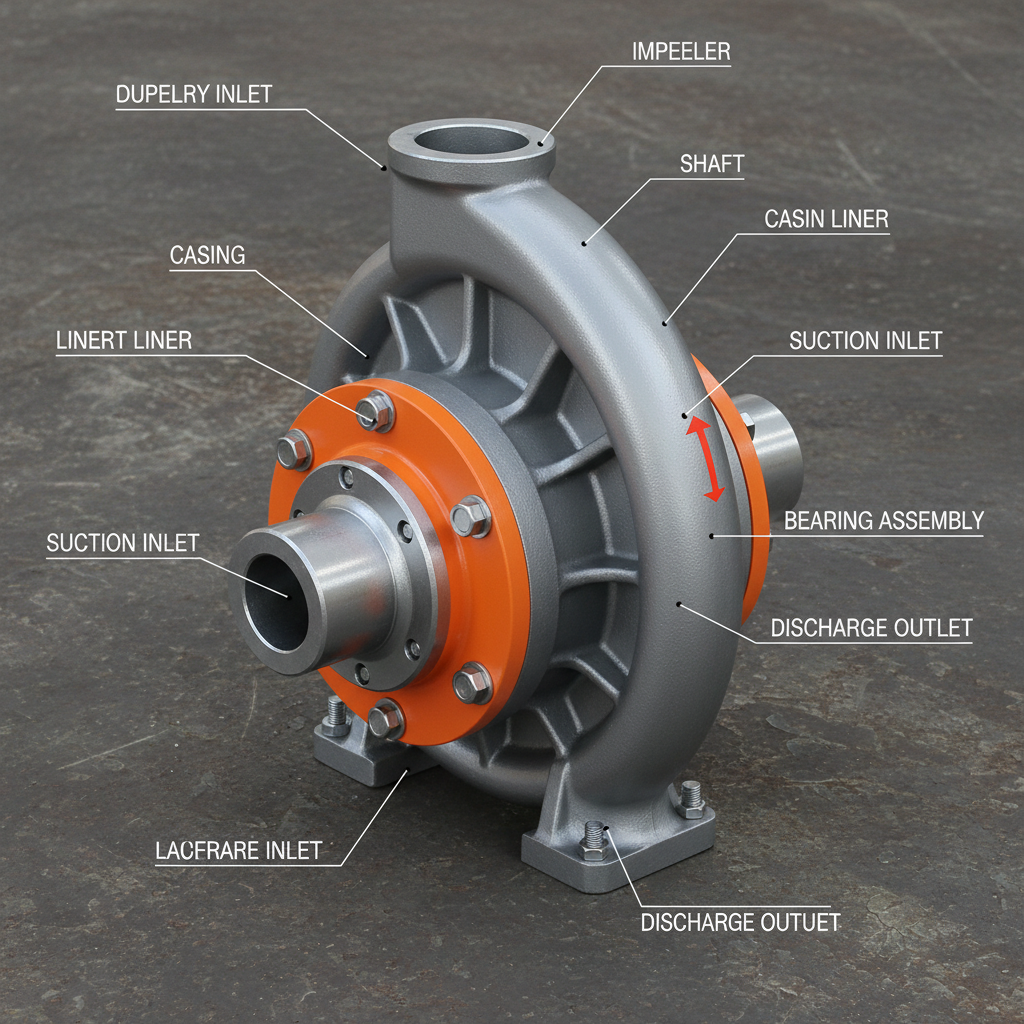
To be honest, a lot of folks underestimate the importance of impeller design. Have you noticed how many pumps choke on stringy materials? It’s a constant headache. Everyone’s trying to optimize for solids handling, but it's a balancing act. Increase the impeller clearance too much and you lose efficiency. Too little, and you're calling me out here at 3 AM because the line’s backed up. It’s a real headache.
And the materials… that's a whole other story. We’re moving away from just cast iron all the time. High-chrome iron is good, gives you good abrasion resistance, but it’s heavy. Really heavy. Polyurethane linings? Now those are interesting. Smell kind of funny when you first open a new liner, a weird chemical odor. But they're lighter, more flexible, and surprisingly durable. But they scratch easy, you gotta be careful during installation. I encountered this at a coal prep plant last time, a whole shipment of liners got scuffed up during unloading. Cost them a fortune.

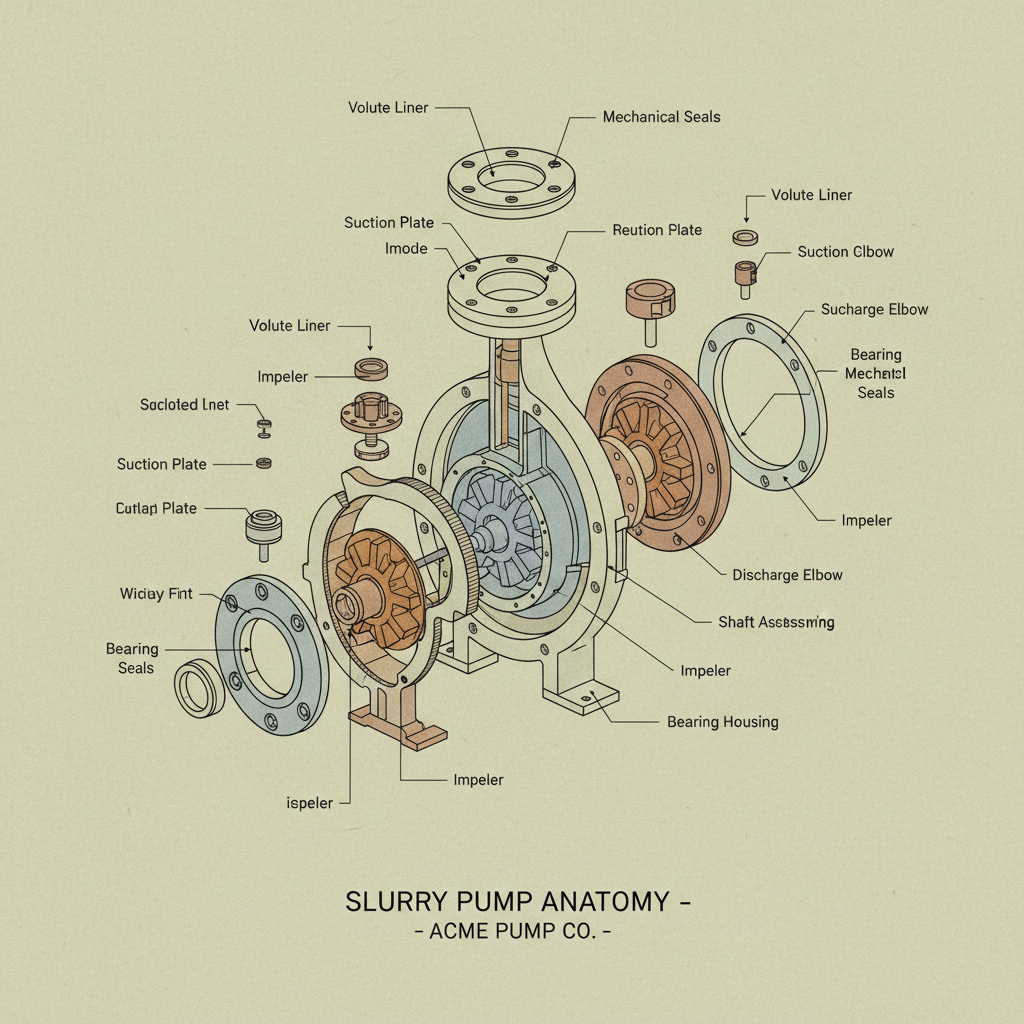
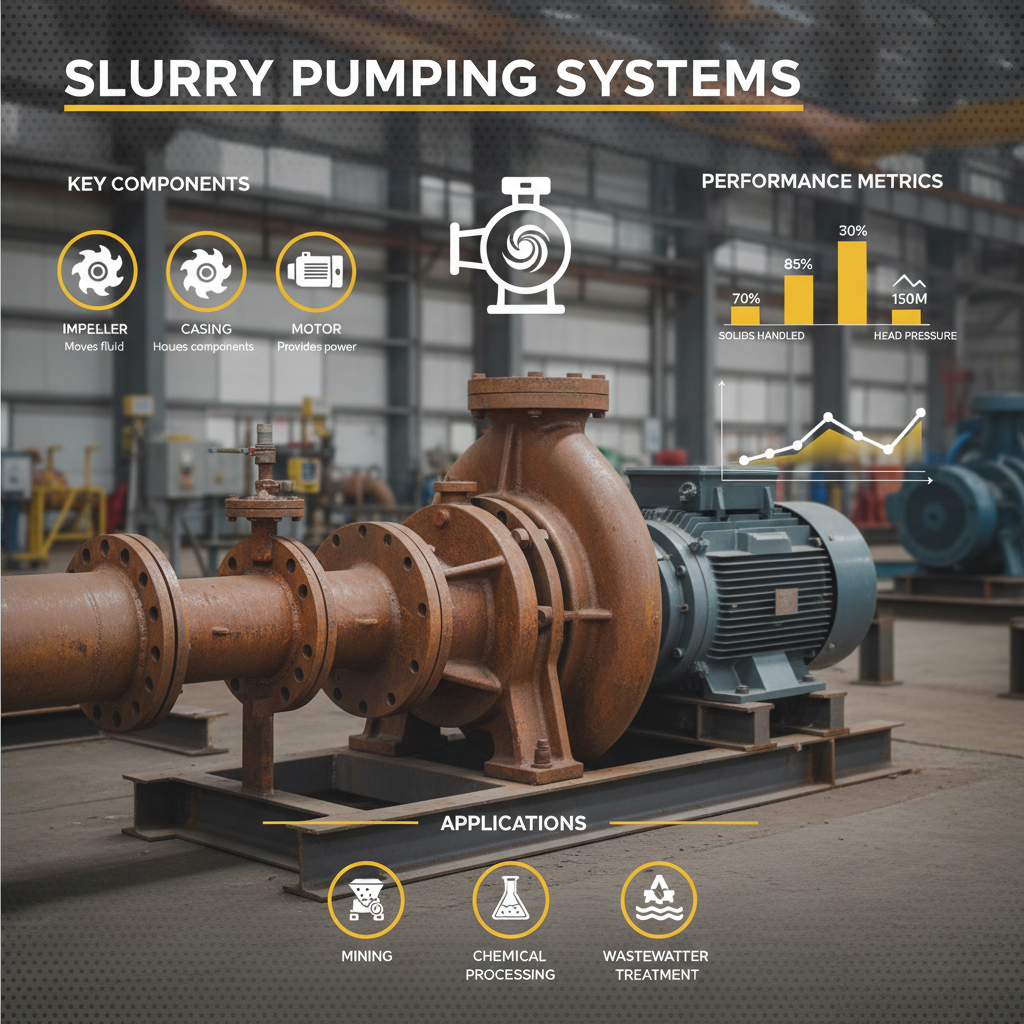
Slurry pump companies aren't just about moving liquids with solids. They are the unsung heroes of industries from mining and wastewater treatment to construction and even food processing. It’s a massive market, billions globally, driven by the need to efficiently transport abrasive and corrosive materials. It's a lot more complicated than people think.
The demand for reliable and efficient slurry pumps is constantly growing, fueled by increasing industrialization, stricter environmental regulations, and the need to optimize operational costs. According to a recent report by the World Bank, investment in water and wastewater infrastructure will exceed $2 trillion over the next decade, and slurry pumps will be a critical component of these projects.
We’re seeing an increasing focus on sustainability too. Companies are looking for pumps that use less energy, reduce water consumption, and minimize environmental impact. This is putting pressure on slurry pump companies to innovate and develop more eco-friendly solutions. Anyway, I think it’s a good thing, even if it makes my job a little harder.
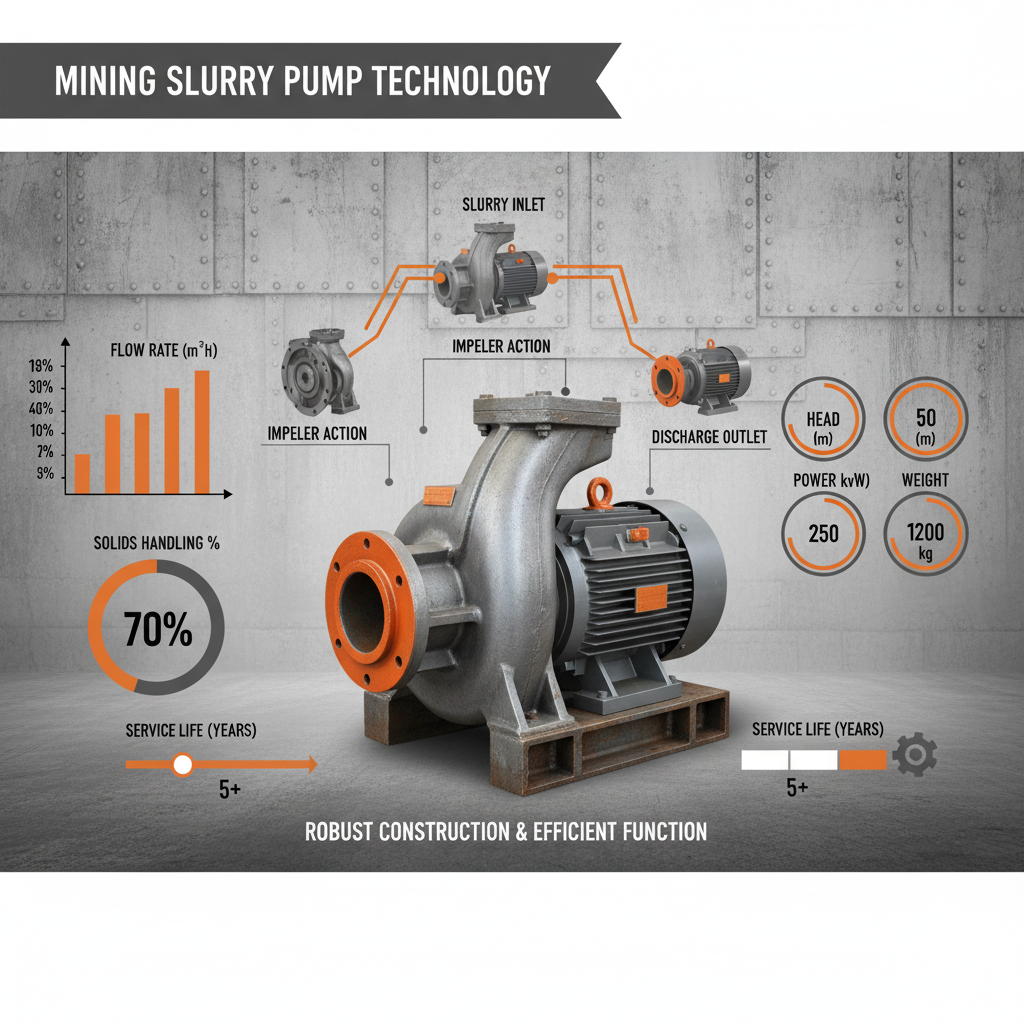
The lifespan really depends on the slurry characteristics – how abrasive it is, the particle size distribution, and the chemical composition. A well-maintained pump in a relatively benign environment might last 5-7 years, but in a heavy-duty mining application with highly abrasive materials, you might be looking at 2-3 years. Regular inspections and preventative maintenance are key. They can significantly extend the life of the pump. It's all about catching problems early before they become catastrophic failures.
That’s a good question. You need to consider several factors, including the flow rate, the total dynamic head (TDH), the specific gravity of the slurry, and the solids concentration. You’ll also need to know the particle size distribution and the slurry’s abrasiveness. Most slurry pump companies offer sizing tools and engineering services to help you select the right pump for your specific needs. Ignoring these factors can lead to premature wear, reduced efficiency, and costly downtime.
Abrasive wear is a major one, obviously. But cavitation, corrosion, and mechanical failures – like seal failures or bearing failures – are also common. Improper installation, inadequate maintenance, and operating the pump outside of its design parameters can also contribute to failures. It’s all about prevention – regular inspections, lubrication, and timely replacement of worn parts. I can't stress that enough.
Absolutely! Most reputable slurry pump companies offer customization options, such as different impeller designs, materials of construction, and seal configurations. For example, last month, that small boss in Shenzhen who makes smart home devices insisted on changing the interface to for a very specific internal cooling loop application. It was a pain, but we made it happen. It involved modifying the pump housing and seal arrangement to accommodate the new connector.
Regular maintenance is critical. This includes lubricating bearings, checking seals, inspecting the impeller and wear plates for wear, and monitoring pump performance. It's also important to keep the pump clean and free of debris. Many companies offer maintenance contracts and remote monitoring services to help you stay on top of things. Don't ignore those little noises, either. They usually mean something's about to go wrong.
Yes, absolutely. Variable Frequency Drives (VFDs) are a great way to optimize energy consumption by adjusting the pump speed to match the flow rate requirements. High-efficiency motors and impeller designs can also help reduce energy usage. And remember, proper maintenance – like keeping the impeller clean and free of debris – can also improve pump efficiency. Even small improvements can add up to significant savings over time.
So, slurry pump companies are a foundational part of countless industries, dealing with challenging materials and demanding applications. From the materials they use, to the designs they employ, and the innovations they’re pushing forward, they’re constantly evolving to meet the needs of a changing world. It’s about durability, efficiency, and increasingly, sustainability.
Ultimately, whether this thing works or not, the worker will know the moment he tightens the screw. Visit our website at miningzy.com to explore our range of slurry pump solutions and learn how we can help you keep your operations running smoothly.


Zen Young Technology Hebei Co., Ltd. Specialized in Slurry pump solutions, Foundry OEM services, Drilling rigs and drilling tools, and Air compressors for world wide industries of mining, metallurgy, municipal construction, power, dredging, petrochemical, etc.
Copyright © 2026 Zen Young Technology Hebei Co.,Ltd. All Rights Reserved. Sitemap | Privacy Policy | Top Blog | Global Service