
Sep . 11, 2025 10:20 Back to list
Premium Drill Rod & Tool Steel | High Performance Drilling
Current Industry Trends in Drilling and Tool Steel
The global demand for high-performance drilling solutions is witnessing significant growth, driven by expanding exploration activities in mining, oil and gas, and infrastructure development. Key trends include the increasing adoption of automated drilling systems, a focus on enhanced material durability for extreme conditions, and the push for sustainable manufacturing practices. Innovations in material science are leading to the development of superior drill rod and tool steel alloys that offer extended service life and improved operational efficiency. The market is also seeing a rise in specialized drilling applications, such as deep-hole drilling and directional drilling, which necessitate bespoke tooling with precise metallurgical properties.
There's a strong emphasis on reducing total cost of ownership (TCO), which directly translates to a demand for products with lower wear rates, higher fatigue resistance, and predictable performance. Manufacturers are responding by integrating advanced heat treatments and surface coatings. Furthermore, the digitalization of drilling operations, including real-time monitoring and predictive maintenance, requires tools like drill tech rods to be manufactured with consistent quality and tight tolerances to ensure compatibility and reliability within these sophisticated systems. The drive towards electrification in mining equipment also influences the material choices, requiring lighter yet stronger drilling components.
Precision Manufacturing Process of Drill Rods and Tool Steel
The manufacturing of high-quality drill rod and tool steel involves a series of meticulously controlled steps, designed to ensure superior material integrity, dimensional accuracy, and optimal mechanical properties. This intricate process transforms raw materials into highly specialized drilling components capable of withstanding extreme operational stresses.
1. Material Selection and Preparation
The foundation of a robust drill rod lies in its material composition. Typically, high-grade alloy steels such as 45Mn2, 55SiMnMo, or other proprietary boron-alloyed steels are selected for their excellent hardenability, wear resistance, and toughness. These materials are sourced from reputable mills, accompanied by comprehensive material certifications. Initial preparation involves rigorous inspection for impurities and structural defects.
2. Casting and Forging
- Casting: Selected alloy steels are melted in induction furnaces, with precise control over chemical composition. The molten steel is then cast into billets or ingots, which undergo further cooling and homogenization processes to ensure a uniform microstructure.
- Forging: Billets are heated to specific temperatures and then hot-forged. This process refines the grain structure, eliminates porosity, and aligns the grain flow, significantly enhancing the steel's strength, ductility, and fatigue resistance – critical for drilling rods and bits that endure immense stress.
3. Heat Treatment
Heat treatment is a pivotal stage that determines the final mechanical properties. Processes include:
- Quenching: Heating the steel to an austenitizing temperature, followed by rapid cooling in oil or water. This creates a hard martensitic structure.
- Tempering: Reheating the quenched steel to a lower temperature to improve toughness and ductility, relieving internal stresses while maintaining desired hardness.
- Surface Hardening (e.g., Induction Hardening): Specific sections, particularly thread areas, may undergo induction hardening to increase wear resistance and fatigue life without affecting the core toughness.
4. CNC Machining and Threading
After heat treatment, the rods are machined to precise dimensions using Computer Numerical Control (CNC) equipment. This ensures consistent outer diameter, straightness, and concentricity. The critical thread profiles, essential for connection integrity in dth drill rod systems, are cut with exceptional accuracy, adhering to industry standards like API or proprietary designs. The quality of threading directly impacts torque transmission and operational safety.
5. Surface Treatment and Coating
To enhance performance and service life, rods may undergo surface treatments. This includes shot peening to induce compressive residual stresses, improving fatigue resistance, and corrosion-resistant coatings (e.g., phosphating, galvanizing, or specialized polymer coatings) that protect against environmental degradation, contributing to energy saving and corrosion resistance advantages.
6. Quality Control and Testing Standards
Throughout the manufacturing process, stringent quality control measures are implemented. Products are tested against international standards such as ISO 9001, ANSI, and often specific client specifications.
- Dimensional Inspection: Calipers, micrometers, and laser gauges verify length, diameter, and straightness.
- Non-Destructive Testing (NDT): Ultrasonic testing, magnetic particle inspection, and eddy current testing detect internal and surface flaws.
- Mechanical Properties Testing: Tensile strength, yield strength, elongation, impact toughness (Charpy V-notch), and hardness tests (Rockwell, Brinell) confirm material performance.
- Metallurgical Analysis: Microstructural examination confirms grain size, heat treatment effectiveness, and absence of detrimental phases.
- Thread Gauging: Specialized gauges ensure thread form, pitch, and taper meet precise tolerances for secure connections.
These rigorous testing protocols ensure that each drill rod and tool steel component delivered meets the highest standards for performance and safety, achieving an optimized service life critical for demanding target industries like petrochemical, metallurgy, and water supply & drainage.
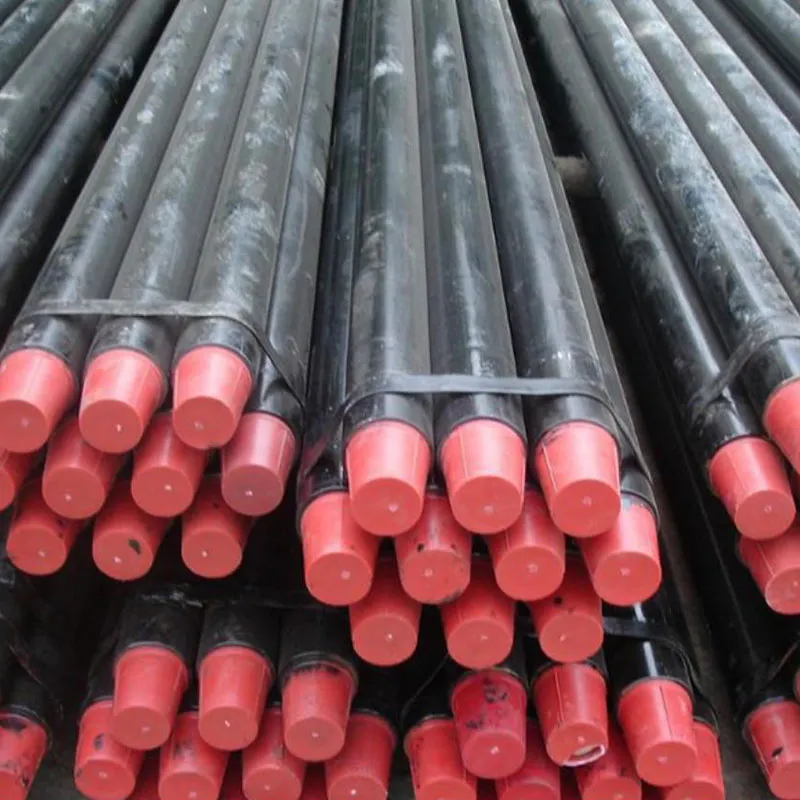
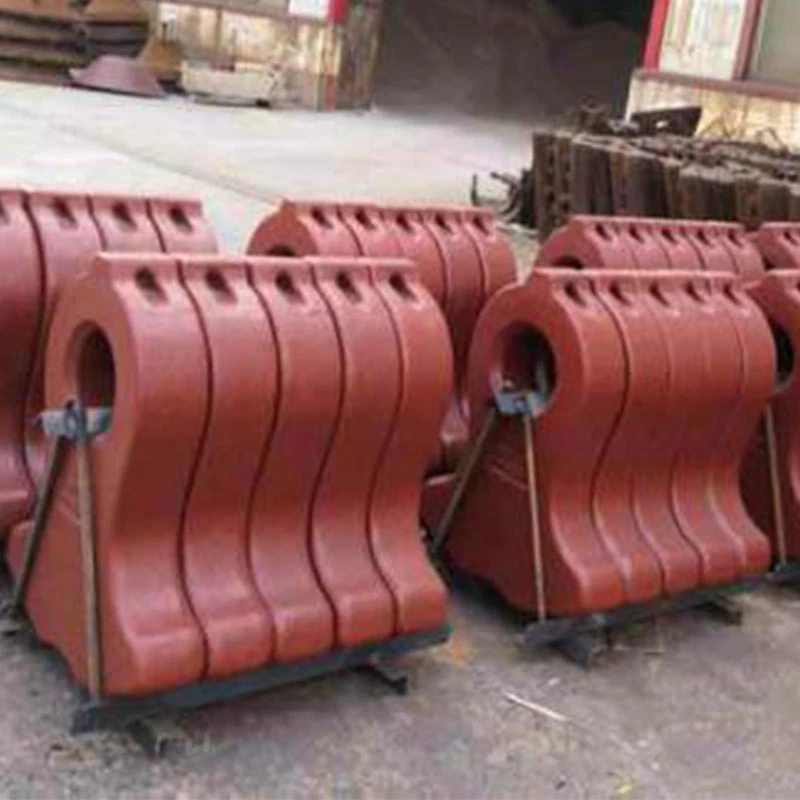
Precision-engineered drill rods ready for deployment in demanding environments.
Technical Specifications and Performance Parameters
Understanding the precise technical specifications of drill rod and tool steel is paramount for selecting the appropriate equipment for specific drilling operations. Parameters such as material grade, tensile strength, yield strength, and impact energy directly influence performance, durability, and safety in challenging environments.
Typical Drill Rod Specifications (Examples)
| Parameter | Unit | Typical Value (High-Grade Alloy Steel) | Relevance to Performance |
|---|---|---|---|
| Material Grade | - | 45Mn2 / 55SiMnMo / Proprietary Alloy | Determines overall strength, hardness, and wear resistance. |
| Outer Diameter (OD) | mm (inches) | 38 - 102 mm (1.5 - 4 inches) | Influences drilling diameter and torsional rigidity. |
| Wall Thickness | mm (inches) | 5 - 12 mm (0.2 - 0.47 inches) | Affects weight-to-strength ratio and internal flow capacity. |
| Length | m (feet) | 1.5 - 6 m (5 - 20 feet) | Dictates drilling depth per rod and setup time. |
| Tensile Strength | MPa (psi) | ≥ 1000 MPa (145,000 psi) | Maximum stress material can withstand before breaking. |
| Yield Strength | MPa (psi) | ≥ 700 MPa (100,000 psi) | Stress at which material begins to deform permanently. |
| Hardness | HRC | 40-45 HRC (Body), 50-60 HRC (Thread) | Resistance to indentation, crucial for wear and thread longevity. |
| Impact Toughness (Charpy V-notch) | J (ft-lb) | ≥ 40 J (≥ 30 ft-lb) | Ability to absorb energy and resist fracture under dynamic loading. |
| Thread Type | - | API Reg, IF, FH, BECO, Proprietary | Ensures compatibility with drilling bits and equipment. |
These specifications are crucial for optimizing drilling performance, ensuring compatibility with various drilling rods and bits, and maximizing the operational lifespan, thereby impacting the overall drill rod price effectiveness.
Versatile Application Scenarios
Drill rod and tool steel are indispensable components across a multitude of heavy industries, providing the backbone for crucial excavation, exploration, and construction activities. Their robust nature and specialized designs enable efficient operation in some of the world's most challenging environments.
Target Industries and Typical Applications:
- Mining and Quarrying: Essential for blast-hole drilling in open-pit and underground mines (e.g., coal, iron ore, gold, copper), exploration drilling to define ore bodies, and rock reinforcement. High-grade drill tech rods are crucial for deep-hole drilling and handling abrasive rock formations.
- Oil and Gas Exploration: Used in directional drilling, core sampling, and well drilling, particularly in challenging geological formations and high-pressure/high-temperature (HPHT) environments. Specialized tool steel components ensure reliability in extreme conditions.
- Construction and Infrastructure: Utilized for piling, anchoring, ground stabilization, and tunneling projects. This includes drilling for foundation work, bridge construction, and road building, where precise and durable drilling rods and bits are critical.
- Geothermal Drilling: Employed in projects to harness geothermal energy, requiring tools capable of operating effectively at elevated temperatures and in corrosive subsurface conditions.
- Water Well Drilling: Critical for creating potable water wells, irrigation wells, and dewatering applications in both urban and remote areas. The durability of dth drill rod is vital for prolonged operations.
- Environmental and Geotechnical Investigations: Used for soil sampling, groundwater monitoring, and site characterization to assess environmental risks and plan construction projects.
In each of these sectors, the ability of drill rod and tool steel to withstand immense torsional stress, axial loads, and abrasive wear directly translates to operational efficiency, safety, and project success, thereby influencing overall project costs and timelines.
Technical Advantages and Performance Benefits
The selection of premium drill rod and tool steel offers a distinct competitive advantage, delivering superior performance, extended operational life, and enhanced safety in demanding drilling applications. These advantages are a direct result of advanced metallurgical science and precision engineering.
Key Advantages:
- Exceptional Durability and Service Life: Through optimized heat treatment and high-grade alloy compositions, our drill rods exhibit superior resistance to abrasion, impact, and fatigue. This significantly extends the service life, reducing the frequency of rod replacement and minimizing downtime, directly impacting the overall drill rod price per meter drilled.
- High Strength-to-Weight Ratio: Advanced steel alloys allow for robust construction without excessive weight, facilitating easier handling, reducing stress on drilling equipment, and improving drilling speeds and energy saving.
- Enhanced Corrosion Resistance: Specialized surface treatments and material compositions offer improved protection against corrosive elements often encountered in drilling fluids or ground conditions, prolonging the lifespan and maintaining structural integrity in harsh environments.
- Superior Thread Integrity: Precision CNC machining ensures consistently accurate thread profiles, which are then often induction hardened. This maximizes coupling strength, minimizes thread wear, prevents premature connection failure, and ensures efficient power transmission in dth drill rod systems.
- Reduced Downtime and Maintenance: The reliability and longevity of high-quality drill rods translate directly into fewer operational interruptions, lower maintenance costs, and increased productivity. This is critical for meeting tight project deadlines.
- Optimal Energy Transfer: The rigidity and material integrity of the rods ensure efficient transfer of impact energy to the drilling bit, maximizing penetration rates and operational efficiency, especially with drilling rods and bits designed for high-performance.
- Consistency and Reliability: Adherence to strict international manufacturing standards (e.g., ISO, API) and rigorous quality control processes ensures that each rod performs consistently, providing predictable results and enhancing operational safety.
These technical advantages culminate in a product that not only performs exceptionally under stress but also contributes significantly to the economic viability and safety of complex drilling projects.
Vendor Comparison and Selection Criteria
Selecting the right vendor for drill rod and tool steel is a critical decision that impacts operational efficiency, cost-effectiveness, and project timelines. While many suppliers exist, a discerning approach is necessary to ensure the procurement of high-quality, reliable products and comprehensive support.
Key Factors for Vendor Evaluation:
- Material Quality and Manufacturing Process: Verify the use of certified raw materials and advanced manufacturing techniques (e.g., precision forging, multi-stage heat treatment, CNC threading). Transparency in process flow indicates superior quality control.
- Certifications and Standards: Prioritize vendors adhering to international standards such as ISO 9001, API, or relevant national standards. These certifications indicate a commitment to quality and consistency.
- Product Range and Customization: Assess the breadth of their product offerings (e.g., various diameters, lengths, thread types for drill tech rods) and their ability to provide customized solutions for unique drilling requirements.
- Technical Support and Expertise: A strong vendor provides expert technical advice, assists with product selection, and offers troubleshooting support. This is invaluable for optimizing drilling operations.
- After-Sales Service and Warranty: Evaluate warranty terms, availability of spare parts, and responsive customer service for long-term operational assurance.
- Reputation and Client Testimonials: Research the vendor's industry reputation, review case studies, and seek client feedback to gauge reliability and performance.
- Lead Times and Logistics: Assess their capacity to meet delivery schedules and handle international logistics efficiently.
Comparative Analysis: Premium vs. Standard Vendors
| Feature | Premium Vendor (e.g., MiningZY) | Standard Vendor |
|---|---|---|
| Material Quality | High-grade alloy steels (e.g., 55SiMnMo), fully traceable with mill certificates. | Often uses generic or lower-grade steels, sometimes with less stringent QC. |
| Manufacturing Precision | Multi-stage forging, advanced CNC machining, induction hardening for threads. | Basic forging/rolling, standard machining, less specialized heat treatment. |
| Quality Control | Comprehensive NDT, mechanical testing, metallurgical analysis per batch. ISO/API certified. | Limited testing, often only visual inspection. May lack full certification. |
| Product Performance | Extended service life, superior fatigue/wear resistance, consistent performance in harsh conditions. | Shorter lifespan, higher risk of premature failure, variable performance. |
| Technical Support | Dedicated engineers, application-specific recommendations, problem-solving. | Basic sales support, limited technical depth. |
| Customization | High capability for bespoke lengths, diameters, thread types, and material grades. | Limited or no customization options. |
| Total Cost of Ownership (TCO) | Higher initial drill rod price, but lower long-term costs due to durability and efficiency. | Lower initial price, but higher long-term costs due to frequent replacement and downtime. |
Investing in a premium vendor for drill rod and tool steel ultimately leads to enhanced productivity, greater safety, and significant savings over the project lifecycle, despite potentially higher upfront costs.
Customized Solutions for Unique Challenges
Standard off-the-shelf drill rods may not always meet the precise demands of highly specialized or unusually challenging drilling projects. Recognizing this, leading manufacturers offer bespoke solutions for drill rod and tool steel, tailoring products to exact client specifications and operational environments.
The Customization Process:
- Detailed Needs Assessment: Collaboration with clients to thoroughly understand their drilling parameters, geological conditions, equipment specifications, and performance expectations. This includes discussing specific requirements for drill tech rods in terms of length, diameter, and connection types.
- Material Engineering: Tailoring alloy compositions or heat treatment processes to achieve specific mechanical properties such as enhanced corrosion resistance for saline environments, superior hardness for abrasive formations, or increased flexibility for directional drilling.
- Design and Prototyping: Developing custom rod designs, including unique thread forms, larger internal diameters for increased fluid flow, or specialized coatings for reduced friction. Advanced CAD/CAM tools are utilized, often followed by prototype manufacturing and rigorous testing.
- Manufacturing Adaptations: Adjusting manufacturing processes, such as localized hardening in critical wear zones or specialized internal coatings, to meet the custom design requirements precisely.
- Performance Verification: Conducting extensive testing on customized products, often including simulated field conditions, to ensure they meet or exceed the specified performance criteria before full-scale production.
This bespoke approach ensures that clients receive drilling rods and bits that are perfectly matched to their operational needs, maximizing efficiency, reducing risk, and optimizing project outcomes, particularly when the standard drill rod price might not reflect the highly specialized requirements.
Real-World Application Case Studies
Our commitment to delivering high-performance drill rod and tool steel is validated by successful deployments in challenging projects worldwide. These case studies highlight the tangible benefits our products bring to diverse drilling operations.
Case Study 1: Deep Geothermal Exploration in Volcanic Terrain
Client: Major Geothermal Energy Developer, Indonesia.
Challenge: Drilling deep exploration wells (up to 3,000 meters) through highly abrasive volcanic rock and high-temperature subsurface formations, requiring exceptional heat resistance and minimal deviation.
Solution: Customized drill tech rods manufactured from a proprietary high-strength, high-temperature alloy with enhanced fatigue resistance. The rods featured specialized thread connections designed for continuous high-torque rotation and internal coatings for improved corrosion resistance against geothermal fluids.
Result: Achieved a 25% increase in average penetration rate and a 40% reduction in rod failure rates compared to previously used rods. The extended service life of the rods significantly lowered overall project costs and allowed for faster well completion, validating the investment in a higher drill rod price for premium quality.
Case Study 2: Underground Mining Production Drilling
Client: Large-scale Copper Mine, Chile.
Challenge: Maximizing productivity in underground blast-hole drilling operations, requiring robust dth drill rod with superior wear resistance in extremely hard, fractured rock, and consistent performance to minimize blockages.
Solution: Supplied specific lengths of DTH drill rods with optimized thread hardening and a unique external wear-resistant layer. These rods were rigorously tested to ISO standards for straightness and concentricity to ensure smooth operation.
Result: The mine reported a 30% improvement in rod lifespan and a 15% reduction in unplanned downtime due to rod failures. This directly translated to a substantial increase in daily drilling meters and overall ore extraction efficiency, showcasing the value of high-quality drilling rods and bits.
Case Study 3: Offshore Oil & Gas Directional Drilling
Client: Offshore Drilling Contractor, North Sea.
Challenge: Executing complex directional drilling profiles in unconsolidated marine sediments and hard rock layers, demanding flexible yet strong drill rods capable of maintaining precise borehole trajectories without compromising integrity.
Solution: Custom-engineered flexible drill rod and tool steel featuring a specialized heat treatment to enhance elasticity and resist fatigue under bending stresses. These rods were supplied with premium API-certified connections, ensuring leak-proof and high-strength coupling.
Result: The drilling contractor successfully completed multiple highly deviated wells, achieving target depths and trajectories with minimal non-productive time (NPT). The rods demonstrated exceptional resistance to buckling and connection wear, surpassing the performance of previous suppliers.
Ensuring Trust: FAQ, Lead Time, Warranty, and Support
At MiningZY, we understand that trust is built on transparency, reliability, and robust support. We are committed to providing clear information regarding our products, processes, and customer service.
Frequently Asked Questions (FAQ)
A: Our drill rod and tool steel are manufactured using premium-grade alloy steels, undergo multi-stage heat treatment processes, and precision CNC machining, ensuring exceptional strength, wear resistance, and thread integrity. We adhere to stringent ISO 9001 quality standards and conduct comprehensive NDT on every batch.
A: Absolutely. We specialize in customized solutions, including tailored lengths, diameters, thread types, and specialized material compositions or surface treatments for unique geological conditions or drilling equipment. Our engineering team works closely with clients to develop optimal drill tech rods.
A: Our technical experts can assist you. We require details about your drilling rig specifications, target depth, geological formation, and desired borehole diameter. This information allows us to recommend the most suitable drilling rods and bits for your application.
A: The service life varies greatly depending on drilling conditions, operator technique, and maintenance. However, our premium dth drill rod are engineered for maximum durability, often significantly exceeding the lifespan of standard rods, contributing to a lower overall drill rod price per drilled meter.
Lead Time and Fulfillment
Our manufacturing capabilities and optimized logistics ensure efficient order fulfillment. Standard drill rod orders typically have a lead time of 4-6 weeks, depending on volume and current production schedule. Custom orders may require 8-12 weeks, allowing for design, prototyping, and specialized manufacturing. We provide real-time updates on order status and collaborate with trusted global shipping partners to ensure timely and secure delivery to your site, anywhere in the world.
Warranty Commitments
MiningZY stands behind the quality of its drill rod and tool steel. All products come with a comprehensive manufacturing warranty against defects in material and workmanship under normal operating conditions. Specific warranty terms and durations are provided with each quotation and may vary based on product type. We commit to prompt investigation and resolution of any warranty claims to minimize disruption to your operations.
Customer Support Information
Our dedicated customer support team and technical engineers are available to assist you with any inquiries, from product selection and technical specifications to after-sales support and troubleshooting. We offer multi-channel support:
- Email Support: Responsive assistance for detailed queries and documentation.
- Phone Support: Direct access to our technical team during business hours for immediate operational concerns.
- Online Portal: Access to product manuals, technical data sheets, and order history.
- On-site Technical Assistance: For complex issues or large-scale project commissioning, our engineers can provide on-site support.
We are committed to building long-term partnerships based on trust and mutual success.
References
- ISO 9001:2015 Quality management systems — Requirements. International Organization for Standardization.
- API Specification 5DP, "Drill Pipe," American Petroleum Institute.
- ASM Handbook, Volume 4: Heat Treating. ASM International.
- Journal of Materials Processing Technology. "Advanced Manufacturing of Drilling Tools." Elsevier.
- "Rock Drillability and Drilling Performance." CRC Press.
-
Find the Best Industrial Martillo a la Venta for Professional Needs
NewsApr.16,2026
-
Technical Guide for Herramientas de Perforación Subterránea PDF
NewsApr.09,2026
-
Comprehensive Guide to Underground Drilling Tools Herramientas de Perforación Subterráneas
NewsApr.07,2026
-
Comprehensive Guide to Underground Drilling Tools herramientas de perforación subterránea
NewsApr.04,2026
-
Finding Reliable Proveedores de Compresores de Aire Diesel for Your Industry Needs
NewsMar.31,2026
-
Comprehensive Guide to Diesel Air Compressors and Miningzy Fábrica de Compresores de Aire Diesel
NewsMar.28,2026