

Oct . 27, 2026 22:18 Back to list
Choosing Bearing Chock: Working Requirements and Integration Fit
THE BUYER'S GUIDE / SELECTION
Choosing Bearing Chock: Working Requirements and Integration Fit
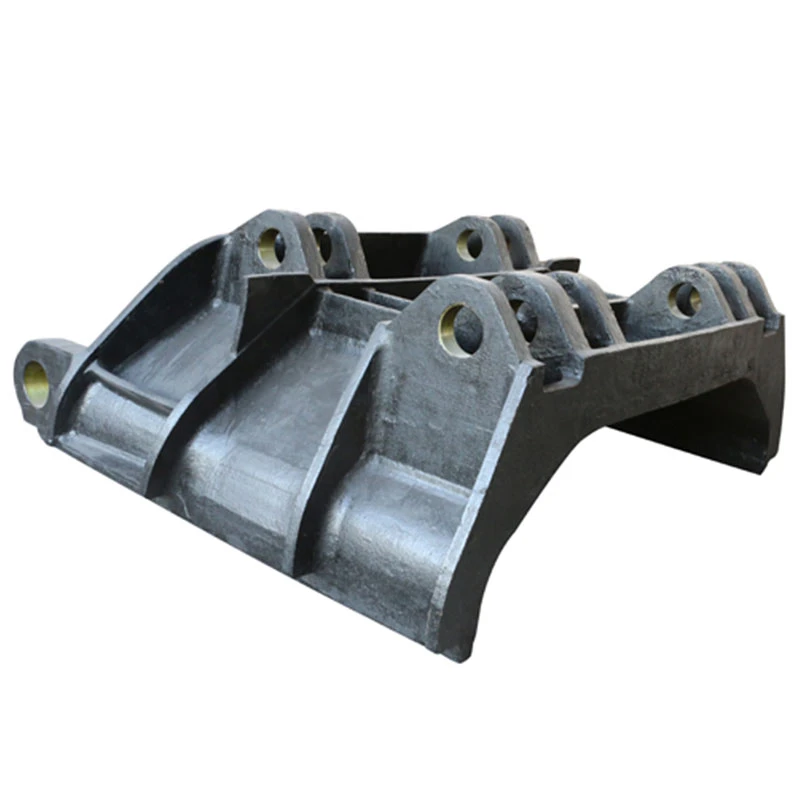
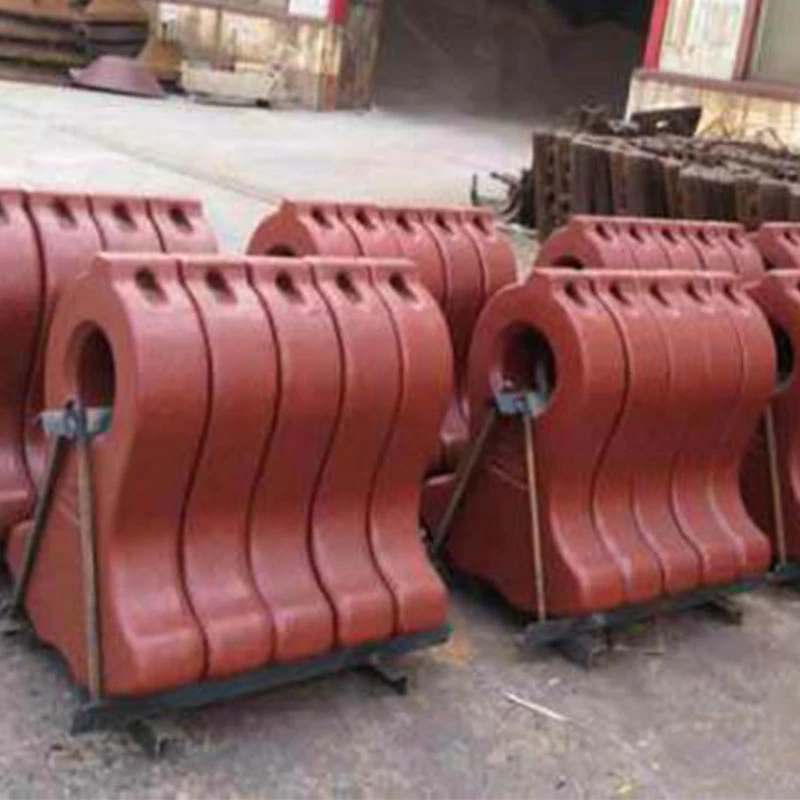
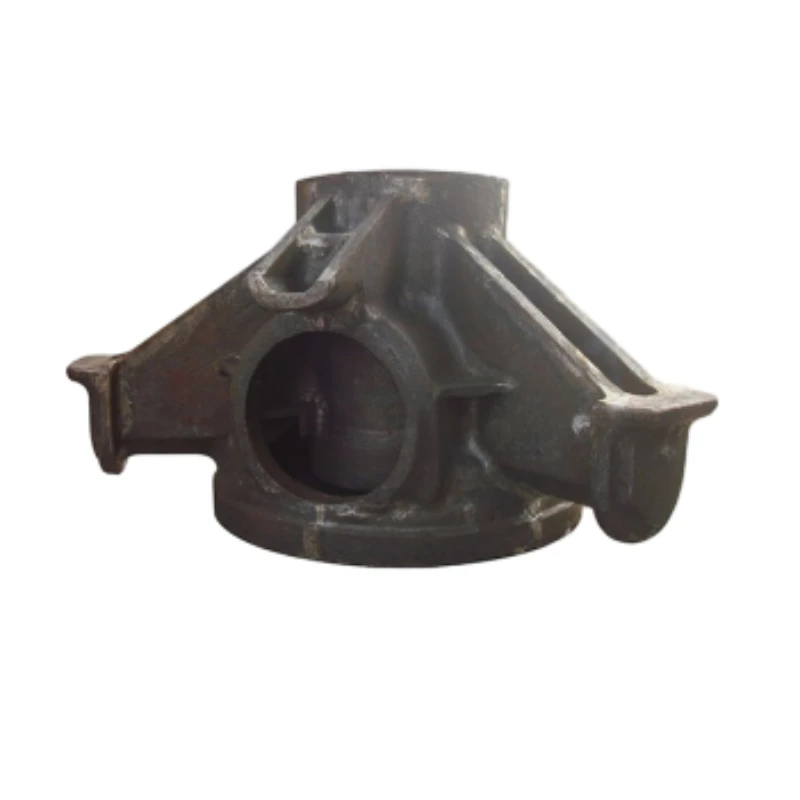
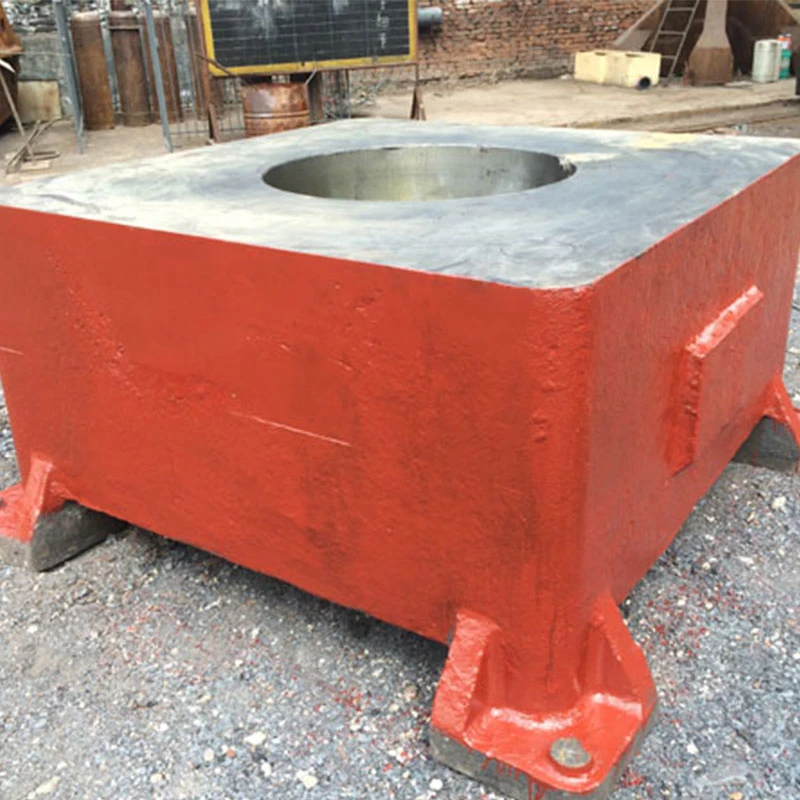
A bearing chock is the structural housing that holds and supports the bearing assembly in heavy equipment such as ball mills and rolling mills. Selecting the right chock means matching material quality, load-bearing capacity, lubrication design, and maintenance access to the demands of the application. This guide explains the core working requirements and integration factors buyers should evaluate when choosing a housing for continuous, heavy-load operations.

Material strength and load-bearing capacity: The housing must be manufactured from an appropriate casting steel grade (ZG35, ZG45 or equivalent) to withstand continuous heavy loads and impact forces typical of ball mill and rolling mill environments.
Lubrication design and maintenance access: Thin oil lubrication reduces friction and operating temperature compared with dry-oil designs; an integrated oil-level observation mark on the lower seat enables in-operation monitoring and timely replenishment, reducing the risk of bearing damage.
Dust exclusion and environmental protection: An outer top sleeve or equivalent sealing feature prevents particulate ingress into the bearing box, preserving oil quality and extending bearing service life in mining and metallurgical environments.
Application-specific geometry: For rolling mill use, buyers must confirm whether a work roll chock or backup roll chock geometry is required, as each roll position experiences different load profiles within the mill stand.
What Is a Bearing Chock?
A bearing chock — also known as a bearing seat or bearing housing — is the component that fixes and supports the bearing in rotating heavy machinery. In equipment such as ball mills and rolling mills, the chock carries the entire weight of the cylinder or roll together with dynamic impact forces generated during operation. Because it forms the structural interface between the rotating shaft and the machine frame, the quality of the selected housing directly affects production efficiency and equipment safety.
Core Working Requirements
Before purchasing, buyers should assess the operating conditions the component will face. The following requirements form the foundation of a sound selection decision.
1. Material Strength and Load Capacity
Chocks for ball mills and rolling mills must withstand continuous heavy loads combined with impact. High-quality casting steels — such as ZG35 and ZG45 grades — provide high hardness, high wear resistance, and strong load-bearing capacity that supports long, uninterrupted service. Buyers operating under heavy or shock-load conditions should confirm that the material grade is appropriate before specifying.
2. Wear Resistance and Shock Absorption
Because the housing typically operates at low speed under heavy load with accompanying impact, the casting material must combine high strength with adequate shock absorption. Designs that lack sufficient wear resistance degrade quickly, increasing replacement frequency and unplanned downtime. Material selection — specifically the steel grade and alloy composition — is therefore a primary evaluation criterion.
3. Operating Temperature and Lubrication Efficiency
The lubrication system built into the housing has a direct effect on operating temperature and energy consumption. Thin oil lubrication reduces the friction coefficient to a low value, producing lower operating temperatures compared with dry-oil (grease) designs. This advantage extends bearing service life and delivers measurable power savings. Buyers running continuous or high-availability processes should verify that the specified housing is designed for thin oil lubrication.
4. Oil-Level Monitoring and Maintenance Access
Reduced maintenance overhead matters in production environments. A lower seat fitted with an oil-level observation mark allows operators to check lubricant level during operation without stopping the machine. Timely replenishment prevents lubrication failure and reduces the risk of bearing damage. When comparing options, confirm whether an accessible oil mark is included as standard.
5. Dust Exclusion and Environmental Protection
In mining, metallurgy, and mill environments, airborne particulate contamination is a constant concern. An outer top sleeve or equivalent dust exclusion feature keeps particles out of the bearing box, maintains oil quality, and protects the bearing surface. This structural detail extends service life and supports reliable operation in harsh surroundings.
Integration Fit: Matching the Component to Your Application
Beyond individual working requirements, integration fit addresses how the housing interacts with surrounding equipment and operational workflow.
Ball Mill Applications In a ball mill, the seat carries the full weight and impact force of the rotating cylinder. It acts as the external support point — the shaft being the inner support — and its quality directly determines production efficiency and operational safety. Stability, consistent load distribution, and long service life are the governing integration factors.
Rolling Mill Applications For rolling mill service, these housings support both work rolls and backup rolls. The distinction between a work roll chock and a backup roll chock matters at the specification stage: each position in the mill stand experiences different load magnitudes and directions. Buyers should confirm the specific roll position and mill stand configuration before ordering, and verify that the geometry and steel grade match that role.
Continuous Heavy-Duty Service Across both application areas, continuous operation capability is a defining requirement. A housing built from appropriate casting steel — supported by thin oil lubrication, integrated oil monitoring, and effective dust sealing — can work continuously for a long time with good stability. This combination supports the high-availability expectations typical of mining and metallurgical production lines.
Selection Checklist for Buyers
- Material grade: Confirm the casting steel grade (e.g., ZG35, ZG45 or equivalent) is suited to the load and impact levels of your application.
- Lubrication design: Prefer thin oil lubrication for lower operating temperature and better power efficiency.
- Oil monitoring: Verify that an oil-level observation mark is included on the lower seat.
- Dust exclusion: Check for an outer top sleeve or equivalent seal to prevent particulate ingress.
- Roll position (rolling mills): Specify whether work roll or backup roll geometry is required.
- Load profile: Match the component to actual load magnitude, direction, and shock loading expectations.
- Service life: Align material quality and design features with your target maintenance intervals.
Zen Young Technology Hebei Co.,Ltd. Bearing Chock
Zen Young Technology Hebei Co.,Ltd. manufactures bearing chocks from high-quality ZG35, ZG45 and other casting steels to deliver high hardness, high wear resistance, and strong load-bearing capacity for continuous heavy-duty service. The thin oil lubrication design reduces friction and operating temperature; the integrated oil-level observation mark on the lower seat supports in-operation monitoring; and the outer top sleeve excludes dust to preserve oil quality and bearing condition. These features are designed to support long service life and stable operation in both ball mill and rolling mill applications.
Note: Pricing, delivery schedules, and certification details are not available in current confirmed materials. Contact Zen Young Technology Hebei Co.,Ltd. directly for application-specific quotations and lead times.
THE PEOPLE

About the author
THE COMPANY
Zen Young Technology Hebei Co.,Ltd.
Zen Young Technology Hebei Co., Ltd. Specialized in Slurry pump solutions, Foundry OEM services, Drilling rigs and drilling tools, and Air compressors for world wide industries of mining, metallurgy, municipal construction, power, dredging, petrochemical, etc. Zen Young’ pump models include ZGB type slurry pump, G/GH gravel pump,M/AH/HH pump and SP/SPR pump and spare parts.…
About Us ↗Visit company website ↗YOUR NEXT STEP
Bring your brief. Start a useful conversation.
Use case, specification, quantity and delivery window: make the next conversation specific.
-
High Air Pressure DTH Hammer Questions Buyers Ask Before Ordering
NewsNov.02,2026
-
Integrated Surface DTH Drilling Rig FAQ: Specifications, Ordering and Support Questions
NewsOct.29,2026
-
Choosing Jaw Crusher Wear Parts: Application Fit and Specification Checks
NewsOct.27,2026
-
Choosing M, AH, HH Model Slurry Pumps: Application Fit and Specification Checks
NewsOct.27,2026
-
Choosing a High Air Pressure DTH Hammer Supplier: Application Fit and Specification Checks
NewsOct.27,2026