
Sep . 10, 2025 11:00 Back to list
Durable Crusher Hammer Head: High-Performance Wear Parts
Advancing Crushing Efficiency: The Critical Role of the Crusher Hammer Head
In the demanding landscape of mineral processing, construction, and recycling, the efficiency and reliability of crushing equipment are paramount. At the heart of impact crushers, one component stands out for its pivotal role in material reduction and operational uptime: the crusher hammer head. This article delves into the intricate details of these indispensable components, covering their manufacturing, technical specifications, application trends, and how they contribute to enhanced operational performance. As industries increasingly prioritize sustainability and cost-effectiveness, the evolution of the crusher hammer head reflects a continuous drive towards superior wear resistance, extended service life, and optimized energy consumption.
Industry Trends and Market Dynamics for Crushing Wear Parts
The global market for crushing wear parts, including the specialized crusher hammer head and the broader category of crusher hammer, is experiencing significant growth, driven by escalating demand in infrastructure development, mining activities, and recycling initiatives. According to industry reports, the market is projected to reach over USD 3.5 billion by 2027, with a compound annual growth rate (CAGR) exceeding 6%. Key trends shaping this market include:
- Material Innovation: A strong shift towards advanced alloys like high chromium cast iron, high manganese steel, and ceramic-reinforced composites to improve wear resistance and service life, especially for applications involving abrasive materials.
- Digitalization and IoT: Integration of smart monitoring systems for real-time performance tracking and predictive maintenance of crushing equipment, optimizing hammer replacement schedules.
- Sustainability Focus: Demand for hammers with longer lifespans reduces waste and energy consumption associated with frequent replacements and manufacturing.
- Customization: Increasing need for application-specific hammer designs to optimize crushing efficiency for varied material characteristics and operational demands.
The drive for increased productivity and reduced downtime is pushing manufacturers to invest heavily in R&D to produce crusher hammer head components that offer unmatched durability and performance.
Detailed Manufacturing Process and Technical Specifications
The production of a high-performance crusher hammer head is a sophisticated process involving metallurgical expertise and precision engineering. The objective is to produce components that withstand extreme impact, abrasion, and fatigue.
Manufacturing Process Flow: From Raw Material to Finished Product
- Material Selection and Preparation: High-grade alloys such as Hadfield (high manganese) steel (e.g., Mn13Cr2, Mn18Cr2) or high chromium cast iron (e.g., Cr26, Cr28) are meticulously selected based on the required balance of toughness and hardness. Raw materials undergo rigorous chemical analysis to ensure compliance with international standards (e.g., ASTM A128, EN X120Mn12).
- Melting and Alloying: In electric arc furnaces or induction furnaces, selected materials are melted. Precise alloying elements (chromium, molybdenum, nickel, carbon) are added to achieve the desired metallurgical properties, enhancing wear resistance and impact strength.
- Molding and Casting: Custom sand molds are prepared using advanced pattern-making techniques. The molten metal is carefully poured into these molds, a process demanding precise temperature control and pouring speed to prevent defects like porosity and shrinkage. Modern foundries utilize simulation software to optimize mold design and gating systems.
- Solidification and Demolding: After casting, the hammers are allowed to cool and solidify under controlled conditions. Once cooled, they are demolded, and excess material (risers, gates) is removed.
- Heat Treatment: This is a critical stage. High manganese steel hammers undergo a solution heat treatment (water quenching from 1050-1100°C) to achieve a tough austenitic structure. High chromium cast iron hammers often require complex tempering cycles to optimize hardness (up to 60-65 HRC) and toughness. This process significantly dictates the hammer's service life and performance.
- Precision Machining (CNC): Post-heat treatment, critical dimensions like pin holes and seating surfaces are precisely machined using CNC (Computer Numerical Control) equipment. This ensures perfect fitment, reduces vibration, and enhances operational stability.
- Quality Control and Testing: Each crusher hammer head undergoes stringent quality checks. This includes:
- Chemical Composition Analysis: Spectrometer analysis to verify alloy content.
- Mechanical Properties Testing: Hardness testing (Rockwell/Brinell), impact testing (Charpy V-notch), and tensile strength tests.
- Non-Destructive Testing (NDT): Ultrasonic testing (UT) and magnetic particle inspection (MPI) for internal and surface defects.
- Dimensional Inspection: Verification of all critical dimensions against engineering drawings.
- Surface Treatment (Optional): Some applications may benefit from surface hardening or coating for additional wear resistance or corrosion protection.
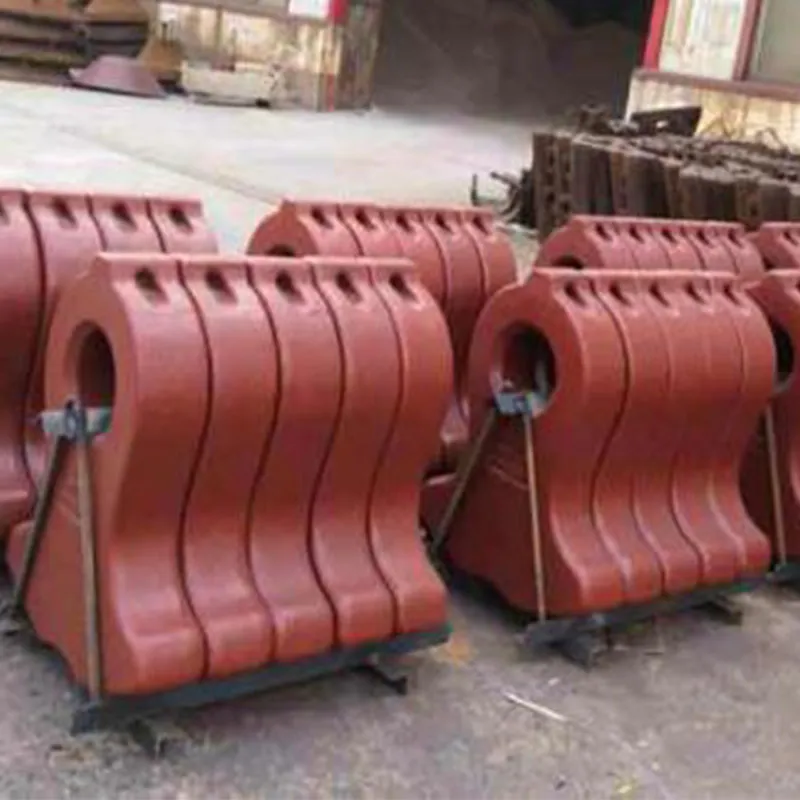
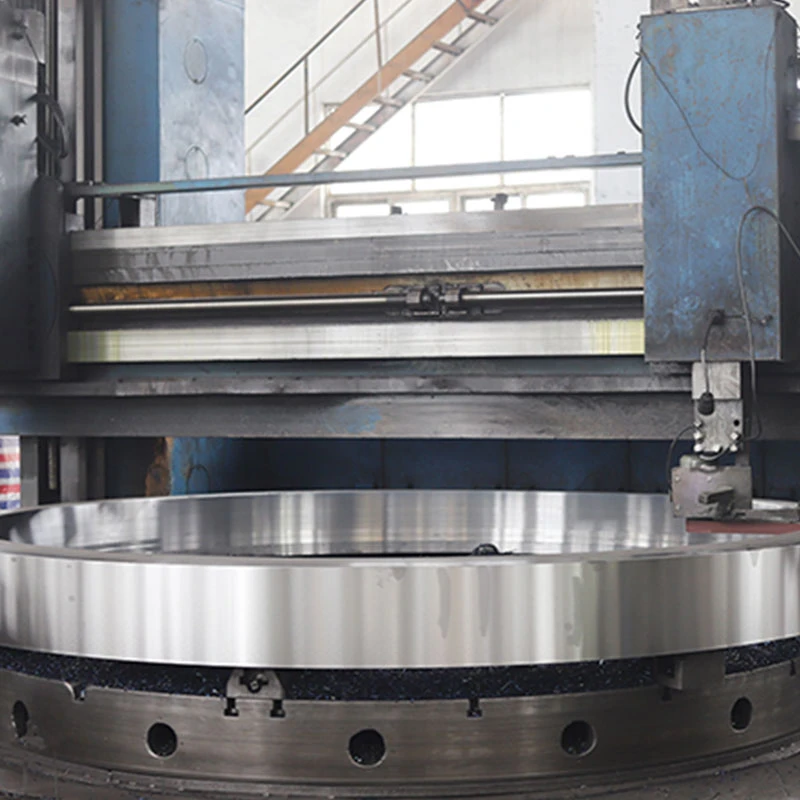
Figure 1: High manganese steel crusher hammer head undergoing final inspection.
Key Product Specifications: Steel Heavy Hammer Crusher Hammer
Our Steel Heavy Hammer Crusher Hammer is engineered for superior performance in demanding crushing applications. The following table provides typical technical specifications:
| Parameter | Specification | Testing Standard |
|---|---|---|
| Material Composition | High Manganese Steel (e.g., Mn18Cr2) or High Chromium Iron (e.g., Cr26) | ASTM A128 / EN X120Mn12, GB/T 33939 |
| Hardness (HRC) | Mn18Cr2: >30 HRC (work-hardened), Cr26: 58-62 HRC | ASTM E18 / ISO 6508-1 |
| Impact Toughness (J/cm²) | Mn18Cr2: >150 J/cm², Cr26: 15-25 J/cm² (depending on heat treatment) | ASTM E23 / ISO 148-1 |
| Tensile Strength (MPa) | Mn18Cr2: >700 MPa, Cr26: >500 MPa | ASTM E8 / ISO 6892-1 |
| Density (g/cm³) | Approx. 7.8 g/cm³ | ASTM E562 |
| Typical Service Life Increase | 30-50% compared to standard hammers (application dependent) | Field Performance Data |
Core Technical Advantages and Performance Metrics
The advanced engineering behind our crusher hammer head translates directly into tangible operational benefits, significantly impacting the total cost of ownership (TCO) for crushing plants.
- Extended Service Life: Through optimized material selection and proprietary heat treatment processes, our hammers achieve a significantly longer lifespan. For instance, Mn18Cr2 hammers can achieve up to a 50% increase in service life compared to standard Mn13 hammers in highly abrasive environments, reducing replacement frequency and downtime by an average of 20-30%.
- Superior Wear Resistance: High chromium cast iron (Cr26, Cr28) crusher hammer head components offer exceptional resistance to abrasive wear, making them ideal for crushing hard, abrasive materials like granite, basalt, and clinker. In a typical clinker crusher hammer application, our specialized high chromium hammers demonstrate 2-3 times the wear resistance of conventional materials.
- Enhanced Impact Toughness: For applications involving large feed sizes and high impact forces, high manganese steel hammers (e.g., Mn18Cr2) are designed to withstand severe shock loads without fracturing. This prevents premature failure and ensures continuous operation, even under erratic feed conditions.
- Energy Efficiency: A sharp and durable hammer profile maintains optimal crushing efficiency throughout its lifespan. This consistent performance reduces the energy required per ton of processed material. Studies show that using optimally designed hammers can lead to a 5-10% reduction in specific energy consumption (kWh/ton) by minimizing recirculation and maximizing particle size reduction per pass.
- Corrosion Resistance: While primary focus is on wear, certain alloy compositions offer improved resistance to chemical corrosion, which can be beneficial in applications processing corrosive or chemically reactive materials, extending the hammer's integrity beyond purely mechanical wear.
Application Scenarios and Target Industries
The versatility and robust design of the crusher hammer head make it indispensable across a multitude of heavy industries. Its ability to efficiently process diverse materials positions it as a critical component in the following sectors:
- Mining and Aggregates: Used extensively for primary, secondary, and tertiary crushing of hard rocks such as granite, basalt, iron ore, copper ore, and limestone. Ensures consistent aggregate production for construction.
- Cement Production: Essential for crushing clinker, limestone, gypsum, and other raw materials in cement manufacturing. High chrome clinker crusher hammer are particularly crucial here due to the abrasive nature of clinker.
- Metallurgy: In steel mills and non-ferrous metal processing, hammers are used for crushing slag, ferroalloys, and various mineral concentrates.
- Petrochemical and Chemical Industry: Though less direct crushing, specialized applications might involve breaking down solid catalysts or specific mineral inputs.
- Power Generation: Crushing coal for thermal power plants to achieve optimal particle size for combustion.
- Recycling and Waste Management: Processing construction and demolition waste (C&D waste), asphalt, concrete, and industrial waste for resource recovery and volume reduction.
- Water Supply & Drainage (Infrastructure): Crushing aggregates for various civil engineering projects, including pipelines, reservoirs, and urban development.
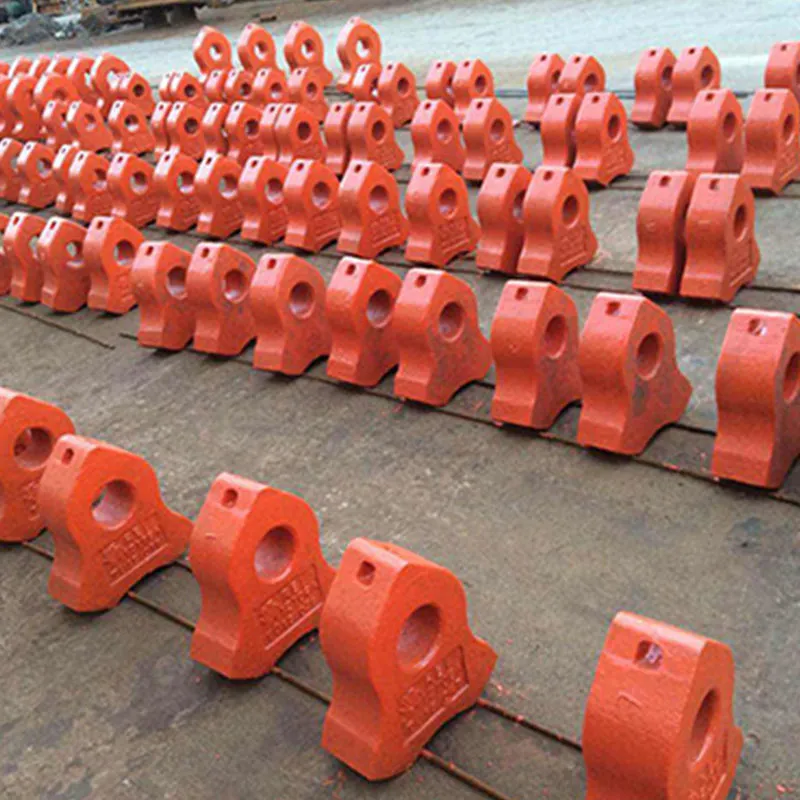
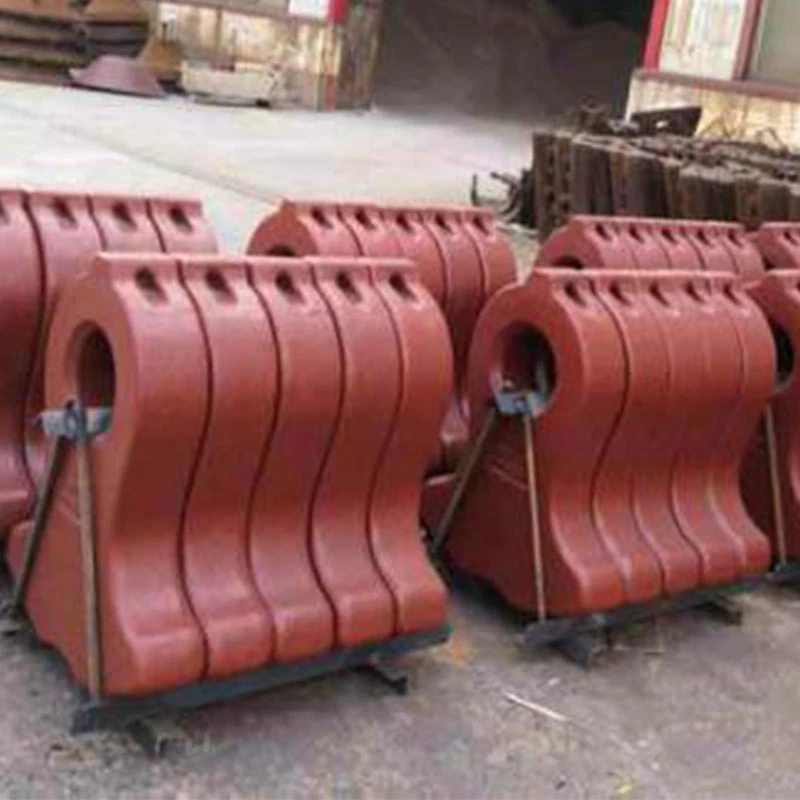
Figure 2: Crusher hammer heads awaiting dispatch for a large-scale quarry project.
Typical Application Scenario: Clinker Crushing in Cement Plants
In cement production, the efficient crushing of clinker (sintered limestone and other raw materials) is a rate-limiting step. Clinker is highly abrasive and generates significant impact and friction. Our specialized high chromium crusher hammer head is explicitly designed for this environment. Their superior hardness (typically 58-62 HRC) combined with carefully controlled microstructure ensures maximum resistance to abrasive wear, minimizing material consumption and maximizing throughput. This results in:
- Reduced Downtime: Fewer hammer changes mean more operational hours.
- Consistent Product Fineness: Maintained hammer profile ensures consistent particle size distribution of crushed clinker.
- Lower Operating Costs: Less frequent replacements, reduced maintenance labor, and optimized energy use.
Vendor Comparison: Choosing the Right Crusher Hammer Head Partner
Selecting the right supplier for crusher hammer head components is crucial for operational success. A comprehensive evaluation should go beyond initial purchase price to consider factors influencing long-term performance and total cost of ownership.
Key Factors for Vendor Evaluation:
- Material Expertise: Does the vendor possess deep metallurgical knowledge to recommend the optimal alloy for your specific application and material?
- Manufacturing Capabilities: State-of-the-art casting, forging, and machining facilities are indicative of precision and quality control.
- Quality Control & Certifications: Adherence to international standards (e.g., ISO 9001, ASTM) and robust internal testing protocols.
- R&D and Innovation: A commitment to continuous improvement and development of new, more durable materials and designs.
- Customization & Engineering Support: Ability to provide tailored solutions and technical consultation.
- Track Record & Client References: Proven success in similar operating environments and positive customer feedback.
- After-Sales Support & Warranty: Comprehensive service, technical assistance, and clear warranty terms.
Product Comparison: High Manganese vs. High Chromium Hammers
The choice between different hammer materials significantly impacts performance. Here’s a comparative overview:
| Feature | High Manganese Steel (e.g., Mn18Cr2) | High Chromium Cast Iron (e.g., Cr26) | Ceramic Matrix Composites (Hybrid) |
|---|---|---|---|
| Primary Wear Mechanism | Impact Wear, Work Hardening | Abrasive Wear | Severe Abrasive Wear |
| Hardness (HRC) | 30-35 (work-hardened surface up to 50) | 58-62 | 60-70 (ceramic inserts) |
| Impact Toughness | Excellent (High) | Moderate (Good, but brittle) | Low to Moderate (depends on matrix) |
| Wear Resistance | Good (improves with impact) | Excellent | Superior |
| Typical Application | Limestone, Granite, Ores with high impact, less abrasive | Clinker, Basalt, Quartz, highly abrasive materials | Extremely abrasive materials, extended life cycles |
| Cost Efficiency | Moderate (Good balance of cost/performance) | Higher (due to superior wear life) | Highest (premium performance, longest life) |
Customized Solutions and Engineering Capabilities
Recognizing that every crushing operation presents unique challenges, we specialize in providing customized crusher hammer head solutions. Our engineering team leverages extensive experience and advanced simulation tools to design hammers specifically tailored to your equipment, material characteristics, and desired output.
- Material Optimization: Based on detailed analysis of your feed material (abrasiveness, hardness, moisture content), we recommend and formulate the optimal alloy composition to maximize wear life and efficiency.
- Design Modification: Adjustments to hammer geometry, weight, and impact angles can significantly improve crushing performance and wear patterns. This includes redesigning leading edges, improving hammer balance, and optimizing attachment points.
- Performance Enhancement: For extreme applications, we explore advanced solutions such as bi-metal hammers (combining a hard wear face with a tough body) or ceramic inserts integrated into the hammer face to achieve unparalleled wear resistance.
- Reverse Engineering: We can reverse engineer existing hammer designs to replicate or improve upon their performance, providing compatible solutions for a wide range of crusher models, including those from leading OEMs.
Our collaborative approach ensures that the customized crusher hammer solutions deliver measurable improvements in productivity, energy efficiency, and operational costs.
Application Case Studies and Customer Experience
Our commitment to quality and performance is best demonstrated through real-world applications and the feedback from our valued clients. We partner with leading companies across the globe, delivering reliable and high-performing crusher hammer head solutions.
Case Study 1: Large-Scale Quarry in Australia
Client: Major Aggregate Producer, Western Australia
Challenge: Crushing highly abrasive granite with significant silica content, leading to rapid wear of standard Mn13 hammers (average lifespan of 250 hours) and frequent, costly replacements.
Solution: We provided custom-designed Mn18Cr2 crusher hammer head components, engineered with an optimized geometry to enhance work-hardening characteristics.
Results: The client reported an increase in hammer lifespan by 45%, averaging 360 hours per set. This translated to a 30% reduction in annual wear parts expenditure and a 15% improvement in overall plant uptime due to fewer scheduled maintenance breaks for hammer changes.
Case Study 2: Cement Plant in Southeast Asia
Client: International Cement Manufacturing Group, Vietnam
Challenge: Excessive wear on clinker crusher hammer components due to the highly abrasive nature of clinker, resulting in high specific wear rates (grams of hammer per ton of clinker) and inconsistent product output.
Solution: We supplied specialized Cr26 high chromium cast iron crusher hammer, featuring a refined microstructure and advanced heat treatment to maximize hardness and uniform wear.
Results: The client experienced a 60% reduction in specific wear rate (from 0.8g/ton to 0.32g/ton) and a doubling of hammer service life. This led to a significant decrease in operational costs and a more consistent clinker particle size distribution, improving downstream grinding efficiency.

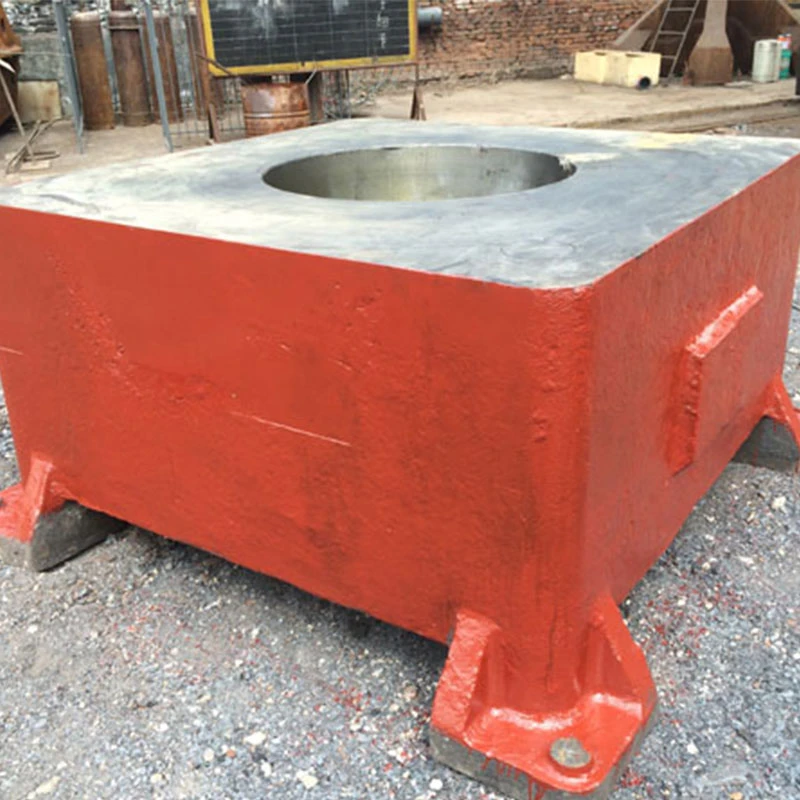
Figure 3: A batch of high chromium crusher hammer heads ready for quality verification.
Ensuring Quality: Certifications and Authoritativeness
Our unwavering commitment to quality is underpinned by robust certifications, adherence to global standards, and long-standing partnerships. We ensure every crusher hammer head we produce meets the most stringent industrial requirements.
- ISO 9001 Certified: Our manufacturing facilities operate under a certified ISO 9001 Quality Management System, ensuring consistent product quality, process control, and continuous improvement.
- Compliance with ASTM/ANSI Standards: All materials and testing procedures conform to relevant international standards, including ASTM A128 for Hadfield manganese steel and various ASTM/ANSI standards for mechanical property testing.
- Years of Service and Expertise: With over two decades of experience in wear parts manufacturing, our accumulated expertise translates into superior product design and metallurgy.
- Authoritative References & Test Data: We maintain detailed batch-specific test reports (chemical composition, hardness, impact value) for every production run. Independent third-party inspection and certification are available upon request.
- Global Partner Clients: Our portfolio includes partnerships with leading mining, aggregate, and cement companies worldwide, a testament to our reliability and performance.
Frequently Asked Questions (FAQ)
Q1: How do I choose the correct material for my crusher hammer head?
A1: The optimal material depends on your specific application and the characteristics of the material being crushed. High manganese steel is generally recommended for tough, high-impact applications with less abrasive materials, while high chromium cast iron excels in highly abrasive environments like clinker or hard rock crushing. Our technical team can provide a detailed material analysis and recommendation.
Q2: What is the typical lead time for an order of crusher hammer components?
A2: Standard orders for commonly stocked items typically have a lead time of 4-6 weeks. For custom-designed hammers or large project orders, lead times can range from 8-12 weeks, depending on complexity and production schedules. We strive to communicate precise lead times at the point of quotation and maintain transparency throughout the order fulfillment process.
Q3: What warranty do you offer on your crusher hammer head products?
A3: We offer a comprehensive warranty against manufacturing defects in material and workmanship. The specific terms of the warranty, including duration and conditions, are detailed in our sales agreement. Our commitment is to ensure products meet published specifications and perform reliably in their intended applications.
Q4: Can you provide technical support and after-sales service?
A4: Absolutely. Our dedicated after-sales support team provides extensive technical assistance, including installation guidance, performance monitoring, wear analysis, and troubleshooting. We are committed to ensuring optimal performance of our products throughout their service life and are readily available for consultation.
Procurement and Support: Lead Time, Warranty, and After-Sales
Understanding the critical need for operational continuity, we streamline our procurement and support processes to ensure maximum trustworthiness and efficiency for our B2B clients.
- Efficient Lead Times: Our advanced manufacturing planning and inventory management systems ensure competitive lead times. For standard items, we target 4-6 weeks from order confirmation to dispatch. Urgent requests or specific large-volume orders can be accommodated with optimized production scheduling.
- Robust Warranty Commitments: Each Steel Heavy Hammer Crusher Hammer is backed by a clear and comprehensive warranty against defects in materials and workmanship. Our warranty policy is designed to provide peace of mind and reflects our confidence in product quality and longevity.
- Dedicated Customer Support: Our expert team provides dedicated customer support from initial inquiry through post-purchase. This includes technical consultation, order tracking, and prompt resolution of any issues. We offer both remote and on-site support where necessary to ensure your crushing operations run smoothly.
- Global Logistics & Fulfillment: With established logistics networks, we ensure timely and secure delivery of our products to any global destination, handling all aspects of international shipping and customs clearance.
Conclusion
The crusher hammer head is far more than just a wear part; it is a meticulously engineered component that directly impacts the productivity, efficiency, and profitability of crushing operations. By leveraging advanced materials, precise manufacturing processes, and continuous innovation, we provide solutions that not only meet but exceed the rigorous demands of modern heavy industries. Our commitment to quality, backed by rigorous testing, certifications, and dedicated customer support, ensures that our clients receive a product that delivers exceptional value and sustained performance. Partner with us to optimize your crushing operations and achieve new benchmarks in efficiency and durability.
Authoritative References
- 1. ASM Handbook, Volume 1: Properties and Selection: Irons, Steels, and High-Performance Alloys. ASM International.
- 2. European Cement Association (CEMBUREAU) Technical Report on Clinker Production and Grinding Efficiency.
- 3. "Wear Analysis of High Manganese Steel Hammers in Impact Crushers," Journal of Minerals, Metals & Materials Society (JOM), Vol. 72, Issue 3, pp. 1001-1010.
- 4. ISO 9001:2015 Quality Management Systems - Requirements. International Organization for Standardization.
- 5. Global Construction Aggregates Market Research Report by Grand View Research, 2020-2027.
-
Find the Best Industrial Martillo a la Venta for Professional Needs
NewsApr.16,2026
-
Technical Guide for Herramientas de Perforación Subterránea PDF
NewsApr.09,2026
-
Comprehensive Guide to Underground Drilling Tools Herramientas de Perforación Subterráneas
NewsApr.07,2026
-
Comprehensive Guide to Underground Drilling Tools herramientas de perforación subterránea
NewsApr.04,2026
-
Finding Reliable Proveedores de Compresores de Aire Diesel for Your Industry Needs
NewsMar.31,2026
-
Comprehensive Guide to Diesel Air Compressors and Miningzy Fábrica de Compresores de Aire Diesel
NewsMar.28,2026