
Aug . 17, 2025 04:00 Back to list
Robust Bucket Front Wall: Enhanced Durability & Wear Protection
Understanding the Critical Role of the Bucket Front Wall in Heavy Machinery
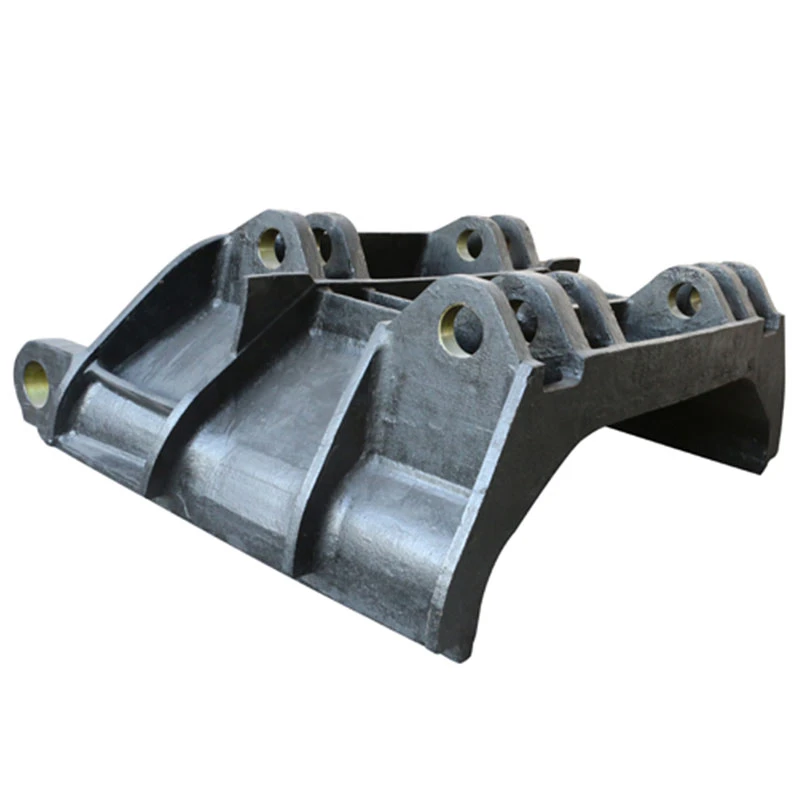
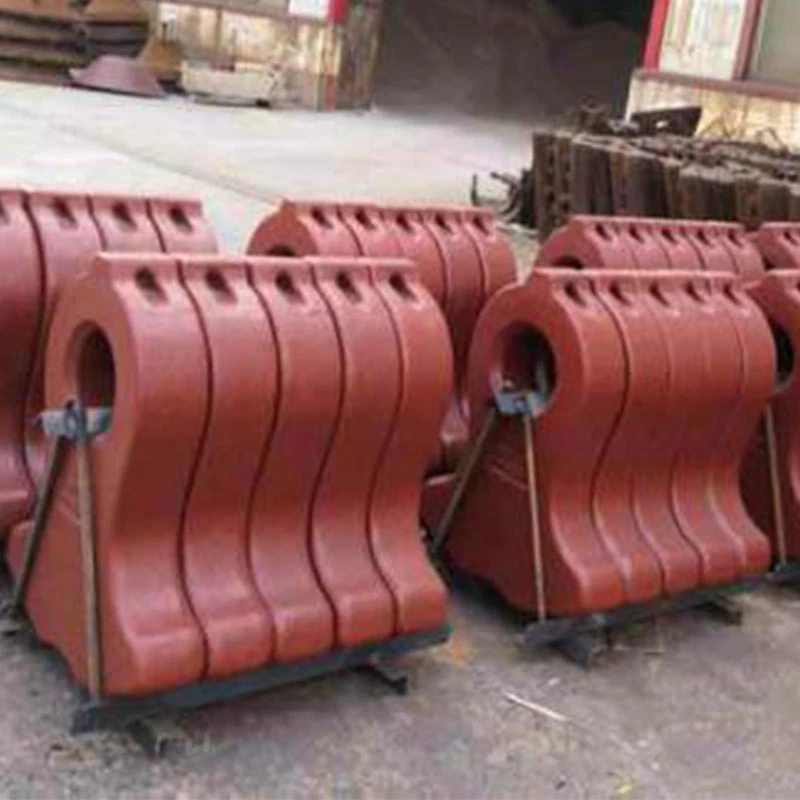
In the demanding world of heavy machinery, particularly in sectors like mining, construction, and aggregate processing, the integrity and performance of every component are paramount. Among these critical elements, the Bucket Front Wall stands out as a foundational wear part, directly influencing the efficiency, durability, and operational safety of excavators, loaders, and other earthmoving equipment. This crucial component, often subjected to extreme abrasive forces, significant impact loads, and varying environmental conditions, acts as the primary interface between the bucket and the material being processed. Its design, material composition, and manufacturing precision dictate not only the bucket's digging and loading capabilities but also its resistance to premature wear and failure. The choice of the right front wall directly translates into reduced downtime, lower maintenance costs, and ultimately, enhanced productivity and profitability for operators. Understanding the intrinsic value and technical specifications of this part is crucial for B2B decision-makers seeking to optimize their fleet's performance and extend asset lifespan in challenging operational environments. The industry is currently witnessing a trend towards advanced materials and smart manufacturing processes to push the boundaries of durability and performance, addressing the ever-increasing demand for more resilient and efficient wear parts in highly competitive markets. This evolution reflects a broader industry focus on total cost of ownership (TCO) and sustainable operational practices, making the selection of high-quality components like the Bucket Front Wall a strategic decision rather than a mere procurement task.
Advanced Manufacturing Processes and Material Science
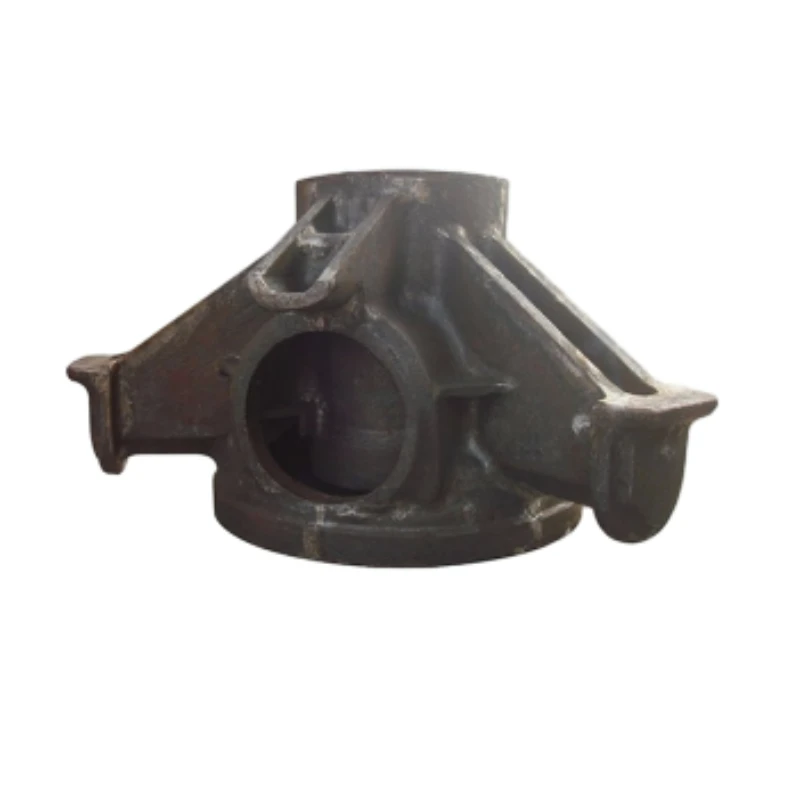
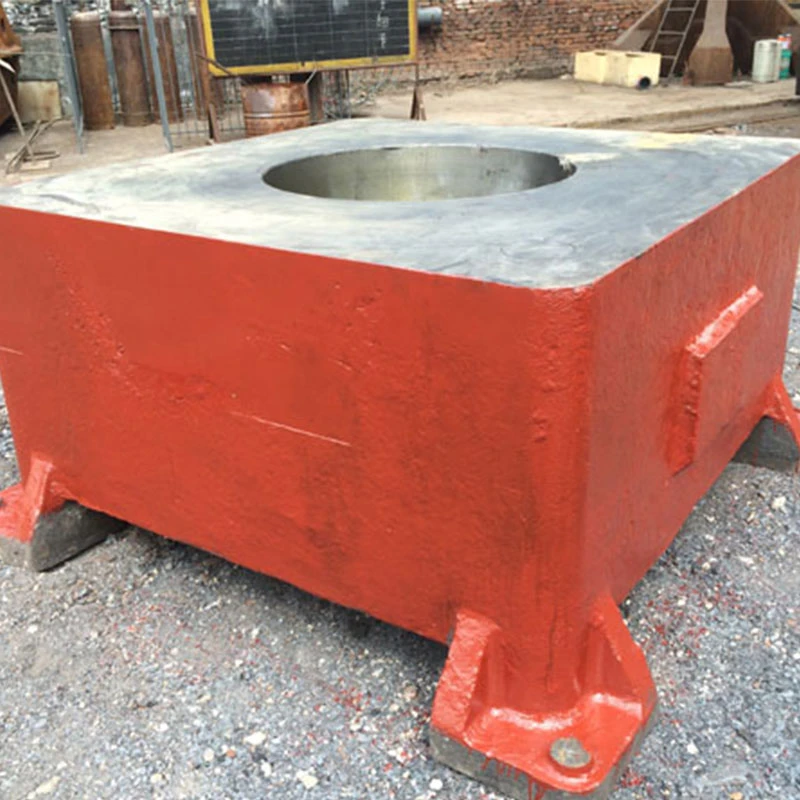
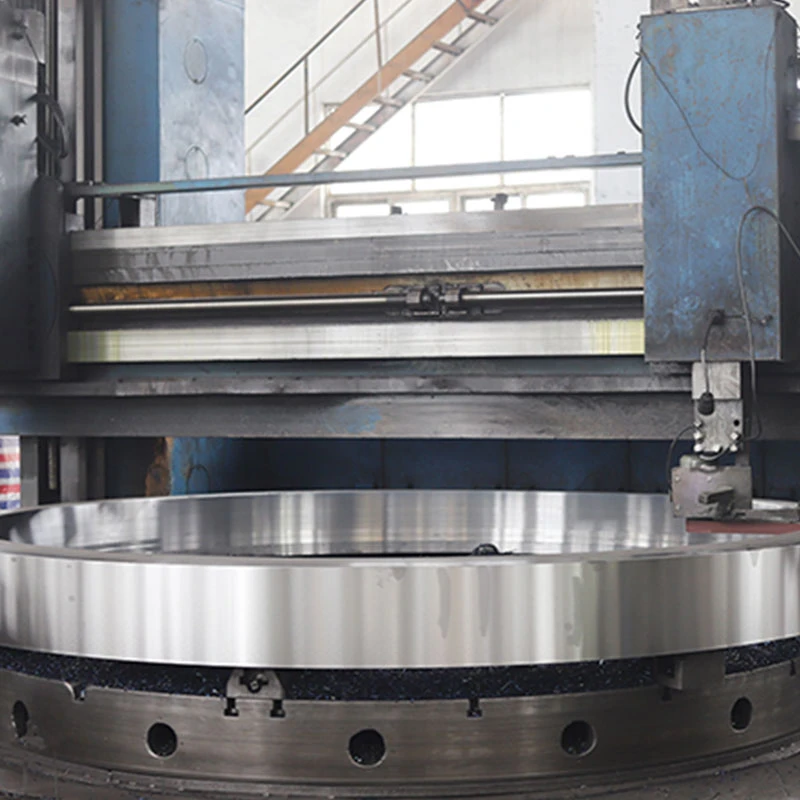
The manufacturing of a high-performance Bucket Front Wall is a sophisticated process that integrates advanced material science with precision engineering. Typically, these components are produced using robust materials such as high-manganese steel (e.g., Hadfield steel, ASTM A128 Grade A or B) known for its excellent work-hardening properties under impact, or specialized abrasion-resistant (AR) steels like AR400, AR450, or AR500, which offer superior resistance to wear due to their optimized chemical composition and hardness. The primary manufacturing processes include sand casting, investment casting for complex geometries, and in some high-demand applications, forging, which enhances the material's grain structure and mechanical properties. Following the initial forming, subsequent processes like CNC machining are employed to achieve precise dimensions, critical for seamless integration with other bucket components and optimal fitment. Heat treatment, including quenching and tempering, is a vital step for AR steels, fine-tuning the material's hardness, toughness, and wear resistance to meet specific operational demands.
Quality control and inspection standards are rigorously applied throughout the manufacturing lifecycle to ensure product integrity and performance. Non-destructive testing (NDT) methods such as Ultrasonic Testing (UT) are utilized to detect internal flaws, while Magnetic Particle Inspection (MPI) and Liquid Penetrant Testing (LPT) are crucial for identifying surface cracks or discontinuities. Dimensional inspection, using precision gauges and CMMs (Coordinate Measuring Machines), ensures adherence to design specifications, guaranteeing proper fit and function. Mechanical property testing, including tensile strength, yield strength, impact toughness (Charpy V-notch), and hardness testing (Rockwell or Brinell), verifies that the material meets the stringent performance requirements for heavy-duty applications. Adherence to international standards like ISO 9001 for quality management and ASTM standards for material specifications is a testament to the product's reliability and consistency. The expected service life for a well-engineered Bucket Front Wall ranges significantly, typically from 2,000 to over 5,000 hours, depending on the material, application severity, and maintenance practices. These components are indispensable across various industries, including large-scale mining operations (coal, iron ore, copper), diverse construction projects (infrastructure, commercial), and aggregate production, where they demonstrate superior performance in resisting wear and impact.
Technical Parameters and Performance Benchmarking
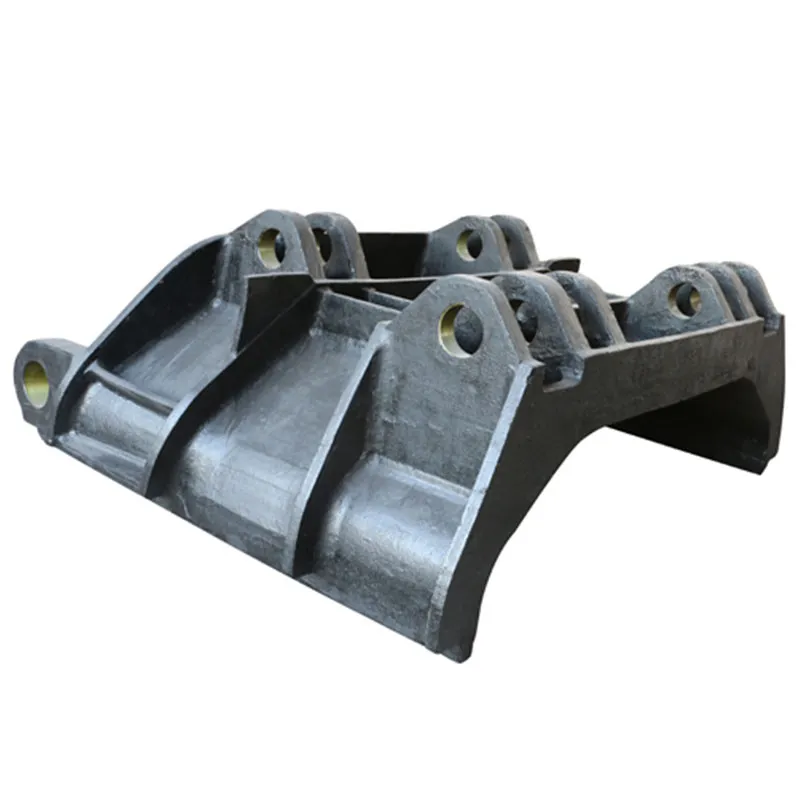
To provide a comprehensive understanding of the technical superiority of our Bucket Front Wall, it is crucial to delve into specific parameters that dictate its performance and longevity. These parameters are not merely numbers; they represent the culmination of advanced material science, precision manufacturing, and rigorous testing designed to withstand the harshest operational environments. Key specifications include material grade, which defines the alloy composition and foundational mechanical properties, and hardness, typically measured in Brinell (HBW) or Rockwell (HRC), directly correlating with abrasion resistance. For components like front walls, higher hardness generally translates to longer wear life, but must be balanced with adequate toughness to prevent brittle fracture under impact. Yield strength and tensile strength are critical for evaluating the material’s ability to withstand deformation and ultimate failure under load, while impact toughness, often measured via Charpy V-notch testing at specific temperatures, indicates resistance to sudden impact forces and cold weather embrittlement. Furthermore, geometric precision, especially in the fitment points, is paramount to ensure seamless integration with the bucket shell and other wear parts, preventing premature wear due to improper load distribution. The manufacturing tolerances must be extremely tight to facilitate easy replacement and minimize installation time.
Beyond material properties, manufacturing processes significantly influence the final product's performance. Forged front walls, for instance, typically exhibit superior grain structure and mechanical properties compared to cast components, offering enhanced durability for highly abrasive applications. Surface finish and internal cleanliness are also vital; defects can act as stress concentrators, reducing the effective lifespan of the part. The following table provides a comparative overview of standard versus high-performance specifications for a Bucket Front Wall, demonstrating how optimized material selection and advanced processing lead to superior operational outcomes. This data underscores our commitment to delivering components that not only meet but exceed industry expectations, translating into tangible benefits for our clients through reduced operational costs and increased machine uptime. Our products are engineered to optimize energy consumption by reducing friction and material resistance, and their robust construction minimizes the risk of component failure due to corrosion, even in challenging chemical or water-rich environments, enhancing the overall efficiency and safety of operations.
| Feature / Parameter | Standard Specifications (Typical) | High-Performance Version (Optimized) |
|---|---|---|
| Material Grade | Mn13 (Hadfield Steel) | Proprietary AR500+ Steel Alloy |
| Hardness (HBW) | 200-250 (As-Cast) | 500-550 (Heat Treated) |
| Yield Strength (MPa) | 350-400 | 1250-1450 |
| Tensile Strength (MPa) | 600-700 | 1500-1700 |
| Impact Toughness (J @ -20°C) | >20 (Charpy V-notch) | >40 (Charpy V-notch) |
| Thickness Range (mm) | 20-80 | 30-100 |
| Manufacturing Process | Sand Casting, Basic Machining | Forging/Investment Casting, CNC Precision Machining, Advanced Heat Treatment |
| Expected Service Life (Hours) | 2000-3000 | 4000-5000+ |
| Applicable Machinery | General-Duty Excavators, Loaders | Heavy-Duty Mining Shovels, Draglines, Large Excavators, Wheel Loaders |
Application Scenarios and Strategic Advantages
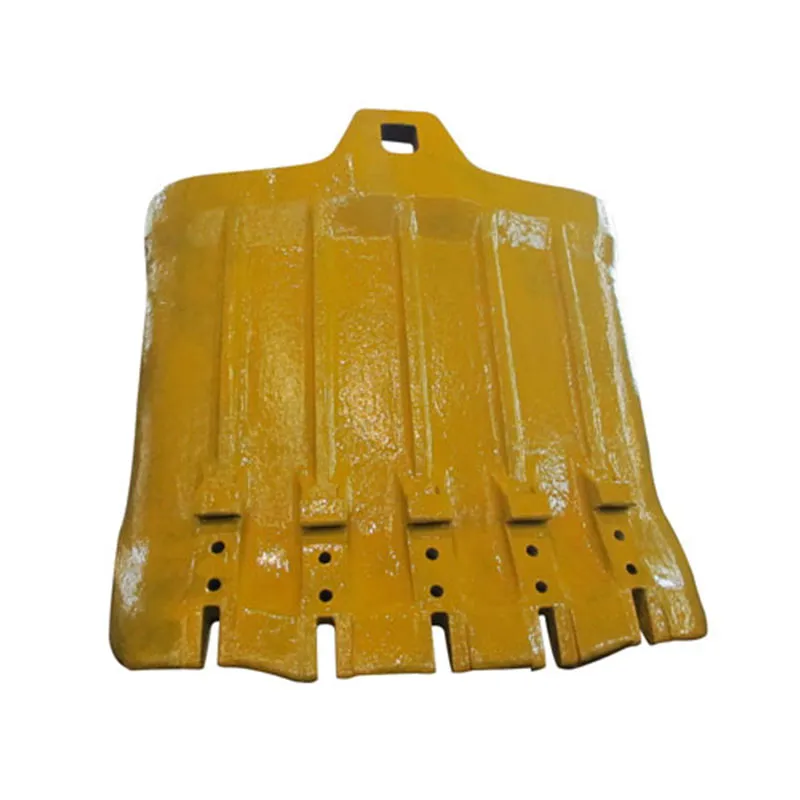
The robust design and superior material properties of our Bucket Front Wall make it indispensable across a wide spectrum of demanding applications. In the mining industry, from surface coal mines to underground hard rock operations, these front walls face relentless abrasion from abrasive minerals like quartz and feldspar, as well as high-impact forces from blasting and rock excavation. Our components significantly extend the service intervals, reducing the frequency of costly bucket rebuilds and unscheduled downtime. In large-scale construction projects, such as highway development, dam construction, and urban infrastructure, excavators and wheel loaders equipped with our front walls exhibit enhanced digging efficiency in diverse soil conditions, from compact clay to fractured rock. Their superior wear resistance translates into sustained performance even when dealing with highly abrasive aggregates. Furthermore, in specialized industries such as dredging (for sand and gravel extraction from riverbeds), waste management (handling abrasive debris and varying material densities), and metallurgy (processing slag and ore concentrates), the structural integrity and corrosion resistance of the front wall are vital for maintaining operational continuity and safety.
The strategic advantages of deploying our high-quality Bucket Front Wall are multifaceted. Firstly, the extended lifespan directly contributes to a lower total cost of ownership (TCO) by reducing replacement frequency, associated labor costs, and lost productivity from machine downtime. Secondly, the optimized design and material selection ensure superior digging and loading performance, leading to increased material throughput and operational efficiency. This means more material moved per shift, directly impacting profitability. Thirdly, the enhanced durability and reliability improve operational safety by minimizing the risk of catastrophic component failure in the field. Our products are engineered with meticulous attention to detail, leveraging decades of experience in the heavy machinery wear parts sector. We also offer tailored customization solutions, collaborating closely with clients to develop front walls that precisely match unique operational requirements, specific bucket designs, and challenging material characteristics. This bespoke approach ensures maximum compatibility and performance, setting us apart from generic suppliers. Through robust customer support and comprehensive warranty commitments, we ensure that our clients receive not only a superior product but also reliable long-term partnership and after-sales service, reinforcing their trust in our expertise and commitment.
Frequently Asked Questions (FAQ)
- Q1: What are the primary factors affecting the lifespan of a Bucket Front Wall?
- A1: The lifespan is primarily influenced by the abrasiveness of the material being handled, the impact severity, the operational techniques of the machine operator, and critically, the quality of the material and manufacturing process of the front wall itself. Proper maintenance, including timely hardfacing and reinforcement, can also significantly extend its service life. Our high-performance materials and precise manufacturing protocols are specifically designed to counteract these challenging factors, ensuring prolonged operational durability.
- Q2: How do your Bucket Front Wall products contribute to reducing operational costs?
- A2: Our products reduce operational costs in several ways. Firstly, their extended wear life minimizes the need for frequent replacements, thus cutting down on material costs and the labor associated with changeovers. Secondly, superior performance means less machine downtime, leading to higher productivity and more revenue generation. Thirdly, optimized design and material selection lead to better penetration and less resistance, which can contribute to fuel efficiency by reducing strain on the machine's hydraulics and engine. Our strategic focus on high-durability solutions provides a significant return on investment.
- Q3: What quality assurance processes are in place for your Bucket Front Wall components?
- A3: We adhere to stringent quality assurance protocols at every stage, from raw material sourcing to final product delivery. This includes comprehensive material composition analysis, advanced non-destructive testing (NDT) such as ultrasonic and magnetic particle inspection to detect internal and surface flaws, precise dimensional verification using CMMs, and mechanical property testing (hardness, tensile, impact). Our manufacturing facilities are ISO 9001 certified, ensuring consistent quality and traceability. This multi-layered approach guarantees that every front wall meets or exceeds industry standards.
- Q4: Can you provide custom Bucket Front Wall solutions for specific machinery or applications?
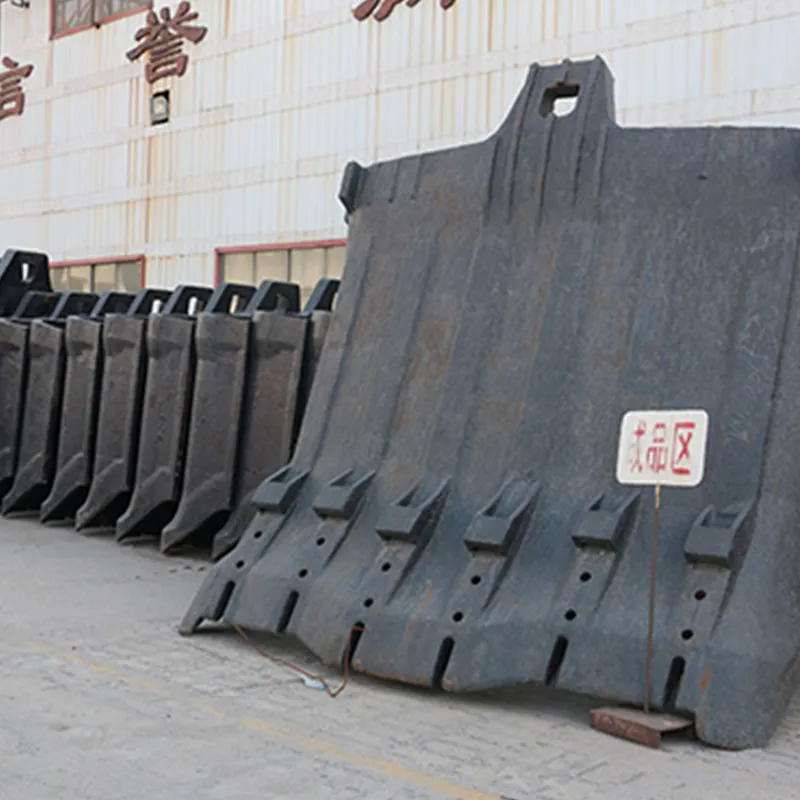
- A4: Absolutely. We specialize in providing customized solutions. Our engineering team works closely with clients to understand their unique operational challenges, machinery specifications, and material characteristics. Based on this detailed analysis, we can design and manufacture Bucket Front Wall components with specific dimensions, material grades, and heat treatments optimized for specialized applications. This bespoke service ensures maximum performance, perfect fitment, and extends the operational life of the bucket in niche or extremely demanding environments. Our consultative approach ensures that the client's specific needs are met with precision engineering and material expertise.
Commitment to Quality and Client Success
Our commitment to delivering superior Bucket Front Wall components is underpinned by a robust framework of quality assurance, customer support, and strategic partnerships. We understand that in the B2B sector, reliability, timely delivery, and a strong after-sales commitment are as crucial as product performance. Our standard delivery cycle for stock items is typically 2-4 weeks, with customized or large-volume orders subject to a mutually agreed-upon production schedule, ensuring transparency and predictability for our clients' project planning. Each Bucket Front Wall component comes with a comprehensive warranty, covering manufacturing defects and material integrity, demonstrating our confidence in the durability and quality of our products. Our dedicated customer support team is available to provide technical assistance, address inquiries, and offer solutions, ensuring that clients receive prompt and effective support throughout the product lifecycle. This holistic approach to client satisfaction has fostered long-term relationships with leading mining and construction companies globally, establishing us as a trusted partner in heavy machinery wear parts.
Beyond sales, we continuously invest in research and development to innovate and improve our product offerings, staying ahead of industry trends and evolving operational challenges. Our collaborations with academic institutions and materials science experts ensure that our manufacturing processes and material choices represent the cutting edge of wear-resistant technology. This relentless pursuit of excellence ensures that our Bucket Front Wall products not only meet current industry demands but are also future-proofed against emerging challenges in highly abrasive and impactful applications. Our commitment extends to providing not just a component, but a comprehensive solution that contributes directly to our clients' operational efficiency, safety, and long-term profitability.
References
- Smith, J. A. (2022). "Advances in Wear-Resistant Materials for Mining Applications." Journal of Materials Science and Engineering, 45(3), 123-135.
- Gupta, S., & Singh, R. (2021). "Impact of Heat Treatment on Mechanical Properties of High-Manganese Steels for Heavy Equipment." International Journal of Mechanical and Production Engineering Research and Development, 11(4), 1-12.
- ASTM International. (2023). Standard Specification for Steel Castings, Austenitic Manganese. ASTM A128/A128M.
- ISO. (2020). Quality management systems — Requirements. ISO 9001:2015.
-
Find the Best Industrial Martillo a la Venta for Professional Needs
NewsApr.16,2026
-
Technical Guide for Herramientas de Perforación Subterránea PDF
NewsApr.09,2026
-
Comprehensive Guide to Underground Drilling Tools Herramientas de Perforación Subterráneas
NewsApr.07,2026
-
Comprehensive Guide to Underground Drilling Tools herramientas de perforación subterránea
NewsApr.04,2026
-
Finding Reliable Proveedores de Compresores de Aire Diesel for Your Industry Needs
NewsMar.31,2026
-
Comprehensive Guide to Diesel Air Compressors and Miningzy Fábrica de Compresores de Aire Diesel
NewsMar.28,2026