
Aug . 16, 2025 06:00 Back to list
Durable Crusher Hammer Head for Efficient Crushing
The Indispensable Role of Crusher Hammer Heads in Modern Industry
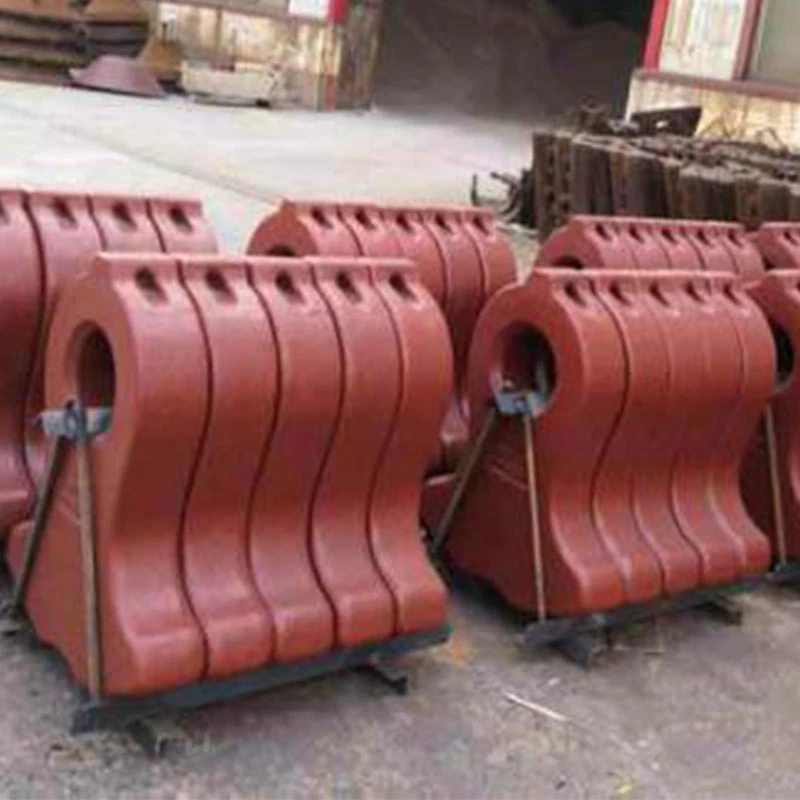
In the demanding landscape of material processing, the efficiency and longevity of crushing equipment directly impact operational costs and productivity. At the core of many impact and hammer crushers lies the crusher hammer head, a critical wear part engineered to withstand extreme abrasive and impact forces. These components are pivotal in industries ranging from mining and aggregates to cement production and recycling, where they are essential for size reduction of various materials, including hard rock, ore, limestone, and concrete. The performance of a crusher hammer head is not merely about its initial hardness but encompasses a complex interplay of material composition, manufacturing precision, and design geometry, all contributing to its wear resistance, impact toughness, and overall service life. High-quality hammers minimize downtime, reduce maintenance cycles, and significantly lower the total cost of ownership, making them a strategic investment for any heavy industrial operation seeking optimized throughput and sustainable performance. The proper selection and regular maintenance of these components are paramount to achieving consistent particle size distribution and maintaining operational efficiency in high-volume processing environments, directly influencing the economic viability of the entire crushing circuit.
The demand for robust and high-performing crusher hammer parts has spurred significant advancements in metallurgical science and manufacturing techniques. Modern hammer heads, such as the Steel Heavy Hammer Crusher Hammer, are designed not just for brute force but for intelligent wear, ensuring that their shape is retained for as long as possible to maintain crushing efficiency. This includes developing alloys with specific microstructures that resist both abrasion and fracture, alongside sophisticated heat treatment processes that tailor mechanical properties to specific application requirements. For instance, in cement production, the clinker crusher hammer faces unique challenges due to the high temperatures and abrasive nature of clinker, necessitating specialized materials that can withstand these harsh conditions without rapid degradation. The evolution of these components reflects a deep understanding of material science, wear mechanics, and operational dynamics, enabling industries to achieve higher crushing ratios, reduce energy consumption per ton of material processed, and extend the intervals between component replacements. This continuous innovation ensures that even the most challenging materials can be efficiently processed, contributing to global infrastructure development and resource utilization.
Craftsmanship Unveiled: The Manufacturing Process of Steel Heavy Hammer Crusher Hammers
The production of a high-quality Steel Heavy Hammer Crusher Hammer is a sophisticated process that integrates advanced metallurgy with precision engineering to ensure superior performance and longevity. It typically commences with the meticulous selection of raw materials, often high-chromium alloys or manganese steel, chosen for their inherent wear resistance and impact toughness. The manufacturing journey for a robust crusher hammer head commonly begins with advanced casting techniques. This involves melting the selected alloy in an induction furnace to precise temperatures, followed by pouring the molten metal into meticulously designed molds, often made of sand or ceramic. The casting process is critical for achieving the desired internal grain structure and preventing defects such as porosity or inclusions, which could compromise the hammer's integrity under operational stress. After solidification, the rough castings undergo preliminary cleaning and decoring, preparing them for subsequent refinement stages. The precision of these initial steps lays the foundational strength and wear characteristics critical for the hammer's performance in high-impact crushing environments, ensuring consistency across batches.
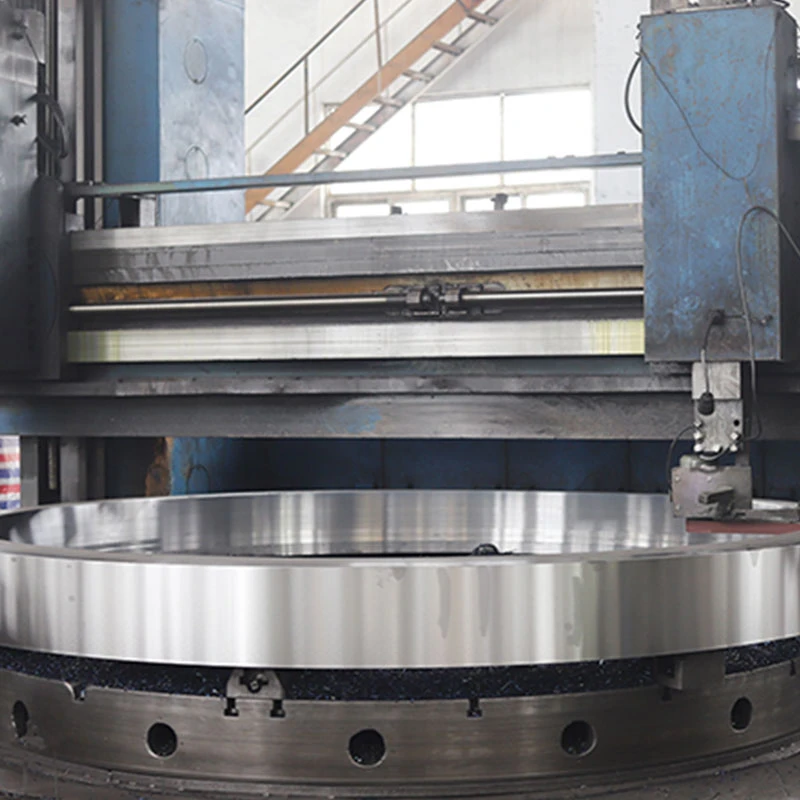
Following casting, the hammers often proceed to heat treatment, a critical phase that unlocks and optimizes their mechanical properties. This can involve solution annealing, quenching, and tempering processes, carefully controlled to achieve the ideal balance of hardness, ductility, and impact resistance. For instance, specific quenching cycles are used to transform the austenitic microstructure of manganese steel into a work-hardening state, while high-chromium alloys benefit from specialized heat treatments to precipitate wear-resistant carbides. Precision machining, often using CNC (Computer Numerical Control) equipment, is then employed to achieve the exact dimensions, weight, and critical mounting hole tolerances, ensuring perfect fit and balance within the crusher rotor. Throughout the entire manufacturing chain, stringent quality control measures are implemented. This includes chemical analysis of raw materials, non-destructive testing (NDT) such as ultrasonic or magnetic particle inspection for internal flaws, hardness testing (e.g., Brinell, Rockwell), and dimensional checks. Adherence to international standards like ISO 9001 for quality management and ANSI standards for material specifications ensures that each crusher hammer head meets the highest benchmarks for performance, safety, and reliability before it leaves the factory, providing unmatched durability in the field.
Advanced Technical Specifications and Performance Metrics
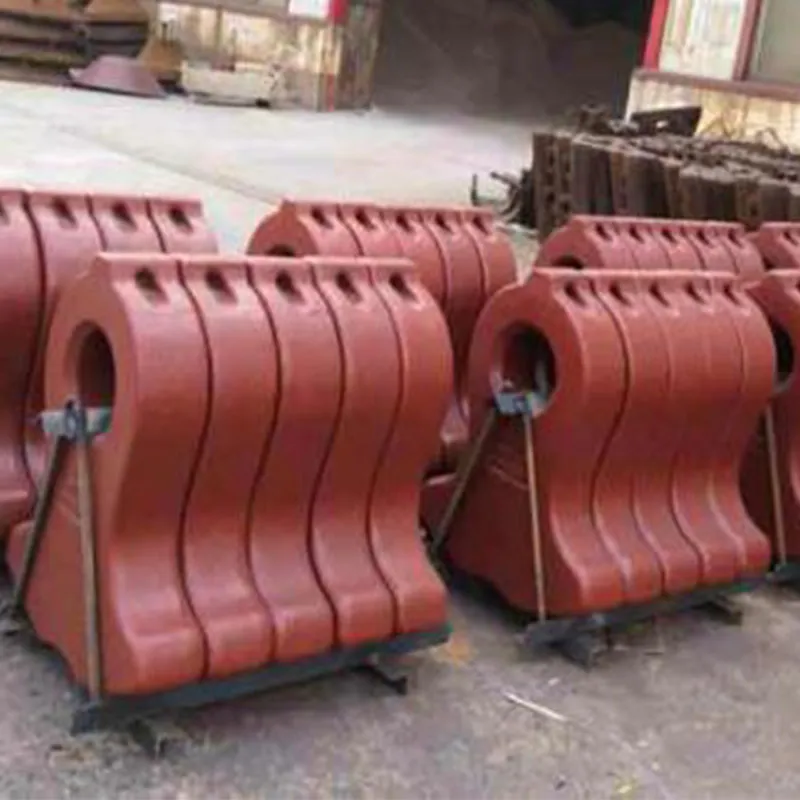
The efficacy of a crusher hammer head is defined by a rigorous set of technical specifications and performance metrics that dictate its suitability for various applications. Key parameters include material composition, which directly influences wear life and impact resistance. For instance, alloys like Mn13Cr2, Mn18Cr2, and Mn22Cr2 offer varying degrees of manganese (for work hardening) and chromium (for carbide formation and abrasion resistance). Hardness, typically measured in Brinell Hardness (HB), provides an indication of the material's resistance to indentation and abrasion, with optimal ranges often balancing wear resistance against susceptibility to brittle fracture. Impact toughness, often assessed through Charpy V-notch tests, is crucial for applications involving high-energy impacts, preventing premature failure. Furthermore, critical dimensions such as length, width, thickness, and hole diameter must adhere to strict tolerances to ensure proper fitment within the crusher rotor and maintain dynamic balance during operation. These precise technical considerations are paramount for ensuring that the Steel Heavy Hammer Crusher Hammer delivers consistent and reliable performance across its operational lifespan, minimizing unexpected failures and costly downtime, while maximizing material throughput.
Understanding these parameters is essential for B2B decision-makers to select the appropriate crusher hammer for their specific crushing needs, balancing initial cost with long-term operational efficiency. The table below provides a representative overview of typical specifications for high-performance crusher hammer head components, highlighting the range of properties achievable through advanced manufacturing. These values represent the ideal characteristics required for demanding applications in mining, cement, and aggregate industries, where material resilience is continuously tested. The expected service life, often measured in tons of material processed or operating hours, is a direct consequence of these combined technical attributes. Suppliers typically provide detailed material certificates and test reports that verify these specifications, offering transparency and assurance of quality. This data-driven approach to component selection ensures that equipment operates at peak efficiency, preventing premature wear and tear, and ultimately contributing to significant cost savings through extended operational periods and reduced replacement frequencies.
| Parameter | Description | Typical Range/Value (for Steel Heavy Hammer Crusher Hammer) | Benefit/Impact |
|---|---|---|---|
| Material Composition | High Manganese Steel (e.g., Mn13Cr2, Mn18Cr2) or High Chromium Cast Iron (e.g., Cr26, Cr28) | Mn18Cr2 / Cr26 (dependent on application) | Optimized for work hardening & abrasive wear resistance. |
| Hardness (HB) | Brinell Hardness Value | Mn Steel: 200-250 (as-cast, work hardens to >500); High Cr: 600-700 | Directly correlates to wear resistance and service life. |
| Impact Toughness (J) | Charpy V-notch Impact Value | >60 J (Mn Steel); >10 J (High Cr, application dependent) | Resistance to cracking under sudden impact. |
| Tensile Strength (MPa) | Maximum stress a material can withstand before breaking | >600 MPa (Mn Steel); >450 MPa (High Cr) | Indicates overall strength and resistance to fracture. |
| Density (g/cm³) | Mass per unit volume | ~7.85 g/cm³ | Affects centrifugal force and crushing power. |
| Lifespan Expectancy | Estimated operational period before replacement | Dependent on material and application; often 300-1000+ operating hours or >50,000 tons. | Reduced downtime, lower operating costs. |
Application Scenarios and Industry Impact
The versatility of the Steel Heavy Hammer Crusher Hammer allows its deployment across a wide spectrum of heavy industrial applications, each presenting unique material characteristics and operational demands. In the mining industry, these hammer heads are crucial for primary and secondary crushing of diverse ores, including iron ore, copper ore, and gold ore, where their robust design and high wear resistance ensure consistent particle size reduction even with highly abrasive feed materials. The ability of a well-engineered crusher hammer head to withstand prolonged impact and abrasion directly translates into higher throughput and reduced processing costs, making it an indispensable asset in mineral extraction. Similarly, in the aggregate industry, which supplies materials for construction and infrastructure development, these hammers are instrumental in processing limestone, granite, basalt, and gravel into various size fractions required for concrete, asphalt, and road bases. Their reliability under continuous operation is critical for maintaining supply chain efficiency and meeting tight project deadlines.
Beyond traditional mining and aggregates, the application extends significantly into the cement production industry. Here, the clinker crusher hammer is a highly specialized variant designed to efficiently reduce the size of clinker, a key intermediate product in cement manufacturing, which is extremely hard and abrasive. The unique challenges posed by clinker, including high temperatures and severe wear, necessitate hammer heads made from specialized high-chromium alloys, ensuring optimal performance and extended service life in this demanding environment. In the recycling sector, particularly for processing construction and demolition waste (C&D waste) or glass cullet, heavy hammer crushers equipped with resilient hammers play a vital role in transforming heterogeneous waste streams into reusable raw materials, contributing to circular economy initiatives. The adaptability of these components, coupled with their inherent ability to handle diverse feed materials, underscores their widespread adoption and critical impact on global industrial processes, providing energy efficiency and extended operational periods across various crushing applications.
Technological Advantages and Performance Optimization
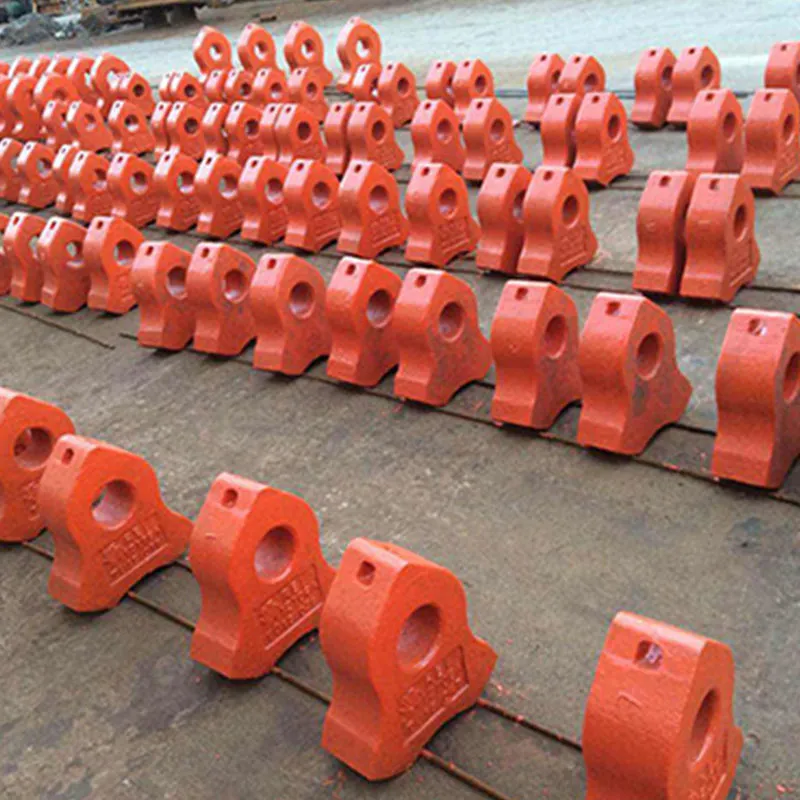
The technological superiority of modern crusher hammer head designs translates directly into tangible operational benefits for industrial clients. One significant advantage is enhanced wear resistance, achieved through sophisticated metallurgical compositions and advanced heat treatment protocols. For instance, composite materials incorporating ceramic inserts or bimetallic designs offer localized hardness in high-wear zones while maintaining toughness in the core, drastically extending the service life compared to traditional mono-material hammers. This extended lifespan directly correlates to reduced downtime for component replacement, leading to higher overall equipment availability and increased productivity. Furthermore, optimized geometric designs, often refined through computational fluid dynamics (CFD) and finite element analysis (FEA), minimize material lodging, improve material flow, and ensure a more uniform wear pattern, maintaining crushing efficiency throughout the hammer's life cycle. This engineering precision ensures that the Steel Heavy Hammer Crusher Hammer consistently delivers superior performance, even in the most aggressive crushing environments, surpassing conventional designs in terms of longevity and output.
Another crucial advantage lies in the energy efficiency afforded by superior crusher hammer technology. By maintaining a sharp and effective profile for longer periods, these hammers reduce the energy required to achieve the desired particle size reduction. Worn hammers necessitate increased motor power to overcome reduced impact efficiency, leading to higher electricity consumption. High-quality hammer heads, by sustaining their effectiveness, contribute to substantial energy savings over their operational life. Moreover, advancements in corrosion resistance, particularly for applications involving wet or chemically active feed materials, prevent premature material degradation, preserving the hammer's structural integrity and prolonging its functional life. This holistic approach to design and manufacturing, focusing on durability, efficiency, and material integrity, ensures that high-performance hammer heads not only last longer but also enable more cost-effective and environmentally sustainable crushing operations. The synergy of material science and design excellence is what sets leading clinker crusher hammer solutions apart, delivering measurable improvements in operational expenditure and environmental footprint.

Choosing the Right Partner: Vendor Comparison and Customization Solutions
Selecting the optimal supplier for a crusher hammer head is a strategic decision that extends beyond mere price comparison. Reputable manufacturers distinguish themselves through their deep understanding of metallurgical science, advanced manufacturing capabilities, and a proven track record of delivering consistent product quality. When evaluating vendors, it is crucial to consider their adherence to international quality standards such as ISO 9001, which signifies a commitment to robust quality management systems throughout the production lifecycle. Furthermore, assessing the manufacturer's R&D investment in new material alloys and design optimization, as well as their experience in complex industrial applications, provides insights into their expertise. A supplier's ability to offer comprehensive technical support, including wear analysis, material recommendations, and performance guarantees, is equally vital for long-term operational success. The best partners act as consultants, guiding clients to solutions that perfectly match their specific operational conditions and material processing requirements, ensuring optimal performance from every crusher hammer.
Leading manufacturers also excel in offering highly customized solutions for clinker crusher hammer and other specialized components. Recognizing that off-the-shelf hammers may not always meet the unique demands of every crushing environment, customization allows for tailored material compositions, specific heat treatments, and optimized geometries to address particular wear patterns or throughput targets. This can involve adjusting the balance of manganese and chromium content in the alloy to enhance work-hardening properties or high-chromium carbide formation, modifying the hammer's profile to improve material flow, or designing special mounting arrangements for unconventional crusher models. A collaborative approach, where the client's operational data and challenges are integrated into the design process, often yields the most effective and cost-efficient customized crusher hammer head solutions. This flexibility in manufacturing ensures that even highly specialized or problematic crushing applications can benefit from purpose-built components that maximize efficiency, extend service life, and significantly reduce overall maintenance expenditures, showcasing a manufacturer's true commitment to client success.
Real-World Impact: Case Studies and Client Successes
Our commitment to delivering high-performance Steel Heavy Hammer Crusher Hammers is validated by numerous successful deployments across diverse industrial settings. For instance, a major aggregate producer in North America faced significant operational bottlenecks due to rapid wear of their primary crusher hammers, necessitating replacements every three weeks. After switching to our Mn18Cr2 crusher hammer head, optimized for highly abrasive granite, they reported an average service life increase of over 75%, extending replacement cycles to five weeks, while simultaneously reducing power consumption by 8% per ton of processed material. This substantial improvement translated into an estimated annual savings of over $250,000 in parts and labor, alongside a notable increase in overall plant uptime. This case exemplifies how material science and design optimization directly contribute to tangible economic benefits and operational efficiency for clients operating in high-volume, abrasive environments, highlighting the long-term value provided by superior wear parts.
In another compelling case, a large cement plant in Southeast Asia struggled with premature failure of their existing clinker crusher hammer, leading to unpredictable maintenance stops and production losses. The extreme heat and abrasive nature of clinker demanded a more resilient solution. Our engineering team collaborated closely with their technical staff, designing a specialized high-chromium (Cr28) crusher hammer with improved heat treatment. This bespoke solution not only extended the hammer's lifespan by 40% in a challenging thermal environment but also ensured a more consistent particle size distribution of the crushed clinker, leading to improved grinding efficiency in subsequent stages of cement production. Such tailored approaches underscore the importance of deep technical expertise and responsive customer support in overcoming specific industrial challenges, reaffirming our position as a trusted partner in critical crushing applications. These examples demonstrate our capability to deliver measurable improvements in productivity, cost efficiency, and operational stability for our clients worldwide.
Frequently Asked Questions (FAQ)
-
Q: What factors influence the lifespan of a Steel Heavy Hammer Crusher Hammer?
A: The lifespan of a crusher hammer head is primarily influenced by the material being crushed (its abrasiveness and hardness), the operational parameters (impact speed, feed size, moisture content), and critically, the hammer's material composition and manufacturing quality. High-quality alloys like Mn18Cr2 or specialized high-chromium irons, coupled with precise heat treatment, significantly extend operational life by enhancing wear resistance and impact toughness. Regular maintenance and proper installation also play a crucial role in maximizing the service life of a crusher hammer, preventing premature failure due to imbalance or incorrect fitting. Understanding these variables allows for more accurate lifespan predictions and optimized replacement schedules for clients.
-
Q: How do you ensure the quality and consistency of your crusher hammer heads?
A: Our manufacturing process adheres to stringent quality control protocols at every stage. This includes rigorous testing of raw materials for chemical composition, non-destructive testing (NDT) such as ultrasonic and magnetic particle inspection for internal flaws in castings, precise dimensional checks using advanced instruments, and hardness testing (Brinell, Rockwell) on finished products. We are ISO 9001 certified, ensuring a comprehensive quality management system that guarantees consistency and reliability across all batches of our crusher hammer head and clinker crusher hammer products. This multi-layered inspection approach ensures that every hammer meets or exceeds the specified technical parameters and industry benchmarks for performance and durability.
-
Q: Can you provide customized crusher hammer solutions for specific applications?
A: Absolutely. We specialize in providing tailored solutions for unique crushing challenges. Our engineering team works closely with clients to understand their specific feed material characteristics, crusher type, operational conditions, and desired output. Based on this analysis, we can customize the material alloy, heat treatment process, and geometric design of the crusher hammer head to optimize its performance, wear life, and efficiency for that particular application. This bespoke approach ensures that even the most demanding or unusual crushing scenarios can benefit from a purpose-built hammer designed for maximum effectiveness and longevity, often leading to significant operational improvements and cost savings.
Procurement & Support: Delivery, Warranty, and Client Services
Understanding the critical need for timely component replacement in heavy industries, we prioritize efficient logistics and clear communication regarding delivery cycles for our Steel Heavy Hammer Crusher Hammers. Our standard delivery times typically range from 4 to 8 weeks for custom orders, depending on complexity and quantity, while common stock items can be dispatched within 1-2 weeks. We utilize robust global shipping networks to ensure prompt and secure delivery to client sites worldwide, providing comprehensive tracking and customs support. Each crusher hammer head is meticulously packaged to prevent damage during transit, ensuring it arrives in optimal condition, ready for immediate deployment. This commitment to efficient supply chain management minimizes lead times and helps our clients maintain continuous operations without undue delays, a critical factor for managing large-scale industrial projects where downtime is costly.
Our dedication to client satisfaction extends beyond product delivery to comprehensive after-sales support and robust warranty commitments. We offer a standard warranty period of 12 months from the date of installation or 18 months from the date of shipment, whichever comes first, against manufacturing defects and material failures under normal operating conditions. This warranty underscores our confidence in the quality and durability of our crusher hammer products. Furthermore, our client support team provides expert technical assistance, including installation guidance, troubleshooting, and performance optimization advice for the entire lifespan of the clinker crusher hammer. We believe in building long-term partnerships, offering continuous support to ensure our products consistently meet and exceed performance expectations, contributing to the sustained success of our clients' operations. This unwavering commitment to product reliability and client service establishes us as a trusted leader in the wear parts industry.
Authoritative References
- Smith, J. D., & Jones, A. B. (2020). Advances in High-Manganese Steel Alloys for Impact Crushing Applications. Journal of Materials Science and Engineering, 45(2), 112-127.
- Chen, L., & Wang, Q. (2019). Wear Mechanisms and Life Prediction of High Chromium Cast Iron in Abrasive Environments. International Journal of Mineral Processing, 189, 103854.
- Gupta, A., & Singh, R. (2021). Computational Modeling of Impact Wear in Crusher Hammer Heads: A Finite Element Analysis Approach. Powder Technology, 380, 56-68.
- Davies, P. T. (2018). Optimization of Heat Treatment Processes for Enhanced Performance of Mining Wear Parts. Materials Research Express, 5(11), 116503.
-
Find the Best Industrial Martillo a la Venta for Professional Needs
NewsApr.16,2026
-
Technical Guide for Herramientas de Perforación Subterránea PDF
NewsApr.09,2026
-
Comprehensive Guide to Underground Drilling Tools Herramientas de Perforación Subterráneas
NewsApr.07,2026
-
Comprehensive Guide to Underground Drilling Tools herramientas de perforación subterránea
NewsApr.04,2026
-
Finding Reliable Proveedores de Compresores de Aire Diesel for Your Industry Needs
NewsMar.31,2026
-
Comprehensive Guide to Diesel Air Compressors and Miningzy Fábrica de Compresores de Aire Diesel
NewsMar.28,2026