
Aug . 18, 2025 04:00 Back to list
Vertical Centrifugal Pumps: Slurry, Sump & Cantilever Solutions
Understanding Vertical Centrifugal Pump Technology and Its Industrial Imperatives
In the intricate landscape of industrial fluid dynamics, the vertical centrifugal pump stands as a cornerstone technology, essential for a myriad of applications ranging from wastewater management to heavy-duty mining operations. These robust machines are specifically engineered to handle liquids by transforming rotational kinetic energy into the hydrodynamic energy of the fluid flow, often operating with their impellers submerged within the liquid, which eliminates the need for priming. This design not only conserves valuable floor space but also enhances operational reliability in challenging environments. The inherent versatility and specialized capabilities of a vertical pump centrifugal configuration make it indispensable across sectors requiring efficient fluid transfer, especially where solids or corrosive materials are present, or where suction lift capabilities are critical. The continuous evolution of materials science and precision manufacturing techniques has further refined the performance envelopes of these pumps, leading to advancements in energy efficiency, reduced maintenance requirements, and extended service life. Industries today demand not just functionality but also sustainability and cost-effectiveness from their fluid handling solutions, driving innovation in pump design and material selection. This comprehensive overview delves into the core aspects of these vital industrial assets, highlighting their design intricacies, application versatility, and the critical factors influencing their selection and long-term performance, ensuring that B2B decision-makers and technical personnel are equipped with the knowledge to optimize their operational frameworks.
The design philosophy behind the vertical centrifugal pump is centered on maximizing operational stability and minimizing footprint, making it an ideal choice for confined spaces or specific sump applications. Unlike horizontal pumps, their vertical shaft orientation allows the motor to be located above the liquid level, protecting it from submersion while the pumping elements remain immersed. This configuration is particularly beneficial in applications involving a cantilever sump pump, where the pump shaft extends into the sump without any submerged bearings, thus reducing wear and simplifying maintenance, especially when dealing with abrasive slurries. The manufacturing process of these pumps is a testament to precision engineering, typically involving a blend of advanced casting techniques for housing and impellers, often utilizing high-chrome alloy, ductile iron, or various stainless steels (e.g., 304, 316, duplex stainless steel) to resist abrasion and corrosion specific to the intended application. For critical components, forging may be employed to enhance material strength and integrity, followed by sophisticated CNC machining to achieve the precise tolerances required for optimal hydraulic performance and minimal vibration. Each component undergoes rigorous quality assurance, adhering to international standards such as ISO 9906 for hydraulic performance and ANSI/HI 1.6-2000 for centrifugal pump design and application, ensuring exceptional reliability and a significantly extended service life, often exceeding 20 years with proper maintenance. These pumps are primarily deployed in industries like petrochemicals, mining, metallurgy, power generation, and municipal water and wastewater treatment, where their robust design and ability to handle varying fluid properties, including highly viscous or solid-laden media, offer distinct advantages such as significant energy savings through optimized impeller designs and superior resistance to corrosive agents.
Technical Parameters and Advanced Manufacturing Processes
The performance of any vertical centrifugal pump is characterized by a suite of technical parameters that define its operational envelope and suitability for specific tasks. Key among these are flow rate (capacity), measured in cubic meters per hour (m³/hr) or gallons per minute (GPM), which dictates the volume of fluid moved; head (discharge pressure), measured in meters or feet, representing the vertical distance the pump can lift the fluid; and motor power, typically expressed in kilowatts (kW) or horsepower (HP). Efficiency, often expressed as a percentage, reflects how effectively the pump converts input power into hydraulic power. Understanding these parameters is crucial for selecting the right pump for a given application, ensuring optimal energy consumption and operational effectiveness. Modern manufacturing techniques leverage advanced computational fluid dynamics (CFD) for impeller design optimization, ensuring peak efficiency and reduced cavitation. The material selection process is critical, with choices often made based on the fluid's corrosiveness, abrasiveness, temperature, and pH. For instance, high-chrome white iron (e.g., A05, A07) is standard for handling highly abrasive slurries, while stainless steel alloys (e.g., CD4MCu, 316L) are preferred for corrosive chemical applications. Elastomer liners (e.g., natural rubber, EPDM) provide an additional layer of protection in specific slurry applications. The integration of advanced manufacturing processes such as Investment Casting for intricate components, Sand Casting for larger casings, and precision CNC machining ensures the tight dimensional tolerances and surface finishes required for high performance and longevity. Stringent inspection standards, including non-destructive testing (NDT) like ultrasonic testing and radiographic inspection, alongside hydrostatic pressure testing and performance curve verification, guarantee that each pump meets or exceeds international benchmarks like ISO 2858 and API 610, ensuring an impressive service life under demanding industrial conditions.
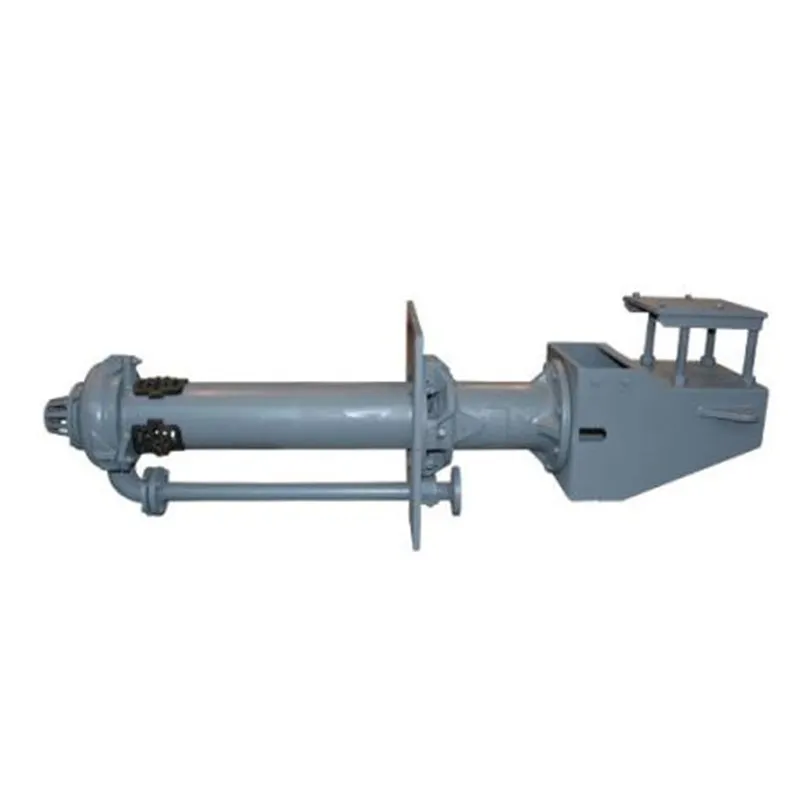
Fig 1: Illustrative diagram of key internal components of a vertical centrifugal pump, highlighting its robust construction.
| Parameter | Range/Value | Notes |
|---|---|---|
| Flow Rate (Q) | 10 to 5000 m³/hr (44 to 22000 GPM) | Dependent on model and impeller size. |
| Total Head (H) | 5 to 120 meters (16 to 394 ft) | Max head for single-stage designs. |
| Motor Power | 1.5 kW to 1000 kW (2 to 1340 HP) | Varies with flow and head requirements. |
| Operating Temperature | -20°C to +150°C (-4°F to +302°F) | Dependent on material and seal selection. |
| Solids Handling Capacity | Up to 80mm (3.15 inches) for specific models | Critical for slurry and wastewater applications. |
| Material Options | High-chrome alloy, SS304/316, Duplex SS, Cast Iron, Rubber Lined | Selected based on fluid corrosiveness/abrasiveness. |
| Efficiency (Max) | Up to 85% | Varies with design and operating point. |
Diverse Applications and Strategic Advantages in Core Industries
The adaptability of the vertical centrifugal pump across various industrial sectors underscores its critical role in modern infrastructure and manufacturing. In the mining industry, for instance, specialized vertical pump centrifugal designs, particularly those optimized for abrasive solids, are indispensable for dewatering sumps and transferring heavy slurry sump mixtures from processing plants. These pumps, often featuring robust, wear-resistant materials like high-chrome alloys or rubber-lined components, effectively manage highly abrasive media without premature wear, ensuring continuous operation in harsh environments. Similarly, in petrochemical facilities, vertical centrifugal pumps are employed for transferring corrosive chemicals, solvents, and fuels, benefiting from their space-saving design and the ability to prevent leakage of hazardous fluids due to their seal-less or double-seal configurations. For water and wastewater treatment plants, these pumps handle raw sewage, activated sludge, and treated effluent, offering reliable performance with minimal clogging, even when solids are present. Their cantilever sump pump variations are particularly valued in these applications as they eliminate the need for submerged bearings, significantly reducing maintenance intervals and operational complexities associated with abrasive or fibrous media. The metallurgical industry relies on these pumps for handling molten metals, aggressive pickling acids, and quenching solutions, where high-temperature and corrosion resistance are paramount. Energy efficiency is a significant advantage, with many modern vertical pump designs incorporating optimized hydraulic passages and high-efficiency motors, leading to substantial reductions in operational costs over the pump's long lifespan. Furthermore, their ability to operate effectively with varying liquid levels in sumps, without the risk of air entrainment or cavitation, ensures consistent performance and extends equipment longevity, making them a strategic investment for facilities prioritizing both reliability and economic operation.
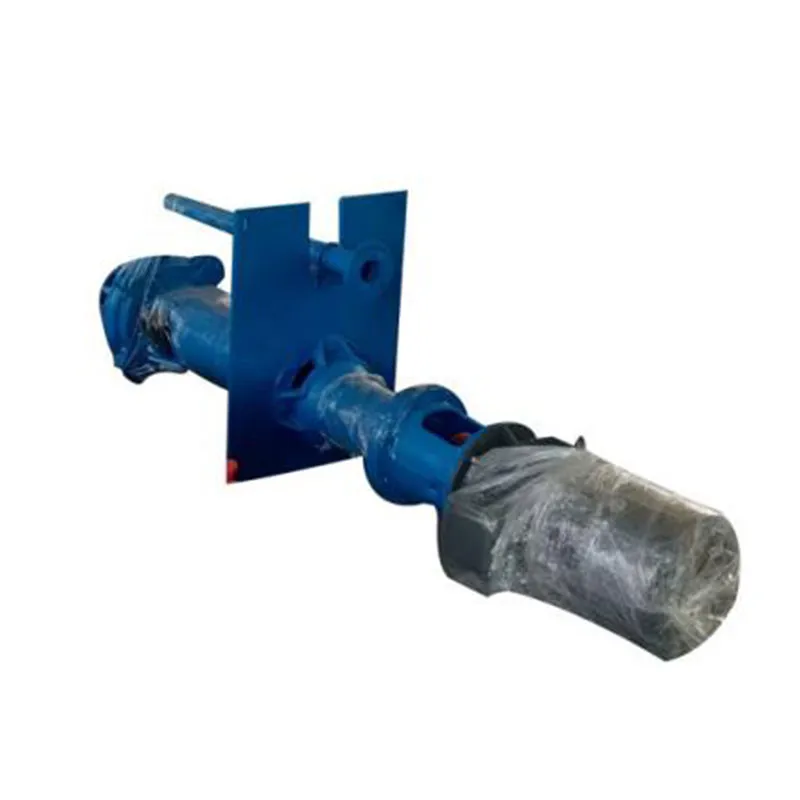
Fig 2: A vertical centrifugal pump effectively managing fluid transfer in a demanding industrial setting, such as a mining sump.
The operational lifespan of a vertical centrifugal pump is directly correlated with the quality of its manufacturing, the suitability of its materials for the intended application, and the diligence of its maintenance regimen. Pumps constructed with premium materials like specialized stainless steels or high-chromium alloys for corrosive and abrasive services demonstrate superior resistance to wear and chemical attack, significantly extending their operational life in comparison to standard cast iron pumps in such environments. For instance, in applications handling highly corrosive acids or abrasive slurries, a well-engineered pump made from CD4MCu or A05 high-chrome iron can achieve a service life of 15-20 years, provided regular inspections and preventative maintenance are conducted. The design's inherent advantages, such as the absence of submerged bearings in many cantilever designs, further contribute to this longevity by eliminating a common point of failure. The emphasis on energy efficiency, driven by global sustainability initiatives, has led to pump designs that not only meet stringent performance metrics but also contribute to reduced carbon footprints and lower operating expenses over their entire lifecycle. Industries are increasingly seeking pumps that offer optimal hydraulic performance over a broad operating range, reducing energy waste during fluctuations in flow demand. This focus on long-term value, rather than just initial vertical centrifugal pump price, is a testament to the industry's shift towards sustainable and economically viable solutions. The integration of smart monitoring systems also allows for predictive maintenance, anticipating potential failures before they occur, thus further maximizing uptime and extending the pump's effective service life while minimizing the total cost of ownership.
Strategic Customization and Supplier Selection for Optimal Performance
Selecting the appropriate vertical centrifugal pump involves more than just matching basic specifications; it demands a strategic approach to customization and a thorough evaluation of vertical centrifugal pump suppliers. Each industrial application presents unique challenges concerning fluid properties, environmental conditions, and operational requirements. Therefore, reputable suppliers offer extensive customization options to ensure the pump perfectly aligns with these specific needs. This includes a wide array of material choices for wet-end components (impeller, casing, shaft, wear plates) to combat abrasion, corrosion, or high temperatures effectively. Furthermore, motor types can be selected for specific power requirements, voltage, and hazardous area classifications (e.g., explosion-proof motors). Specialized coatings or liners can be applied to enhance resistance to extreme chemical attacks or abrasive slurries, significantly extending the pump's operational life. Beyond physical modifications, instrumentation packages for condition monitoring, such as vibration sensors, temperature probes, and flow meters, can be integrated to facilitate predictive maintenance and optimize performance. When considering vertical centrifugal pump price, it's crucial to look beyond the initial capital expenditure and evaluate the total cost of ownership, which includes energy consumption, maintenance costs, and projected lifespan.
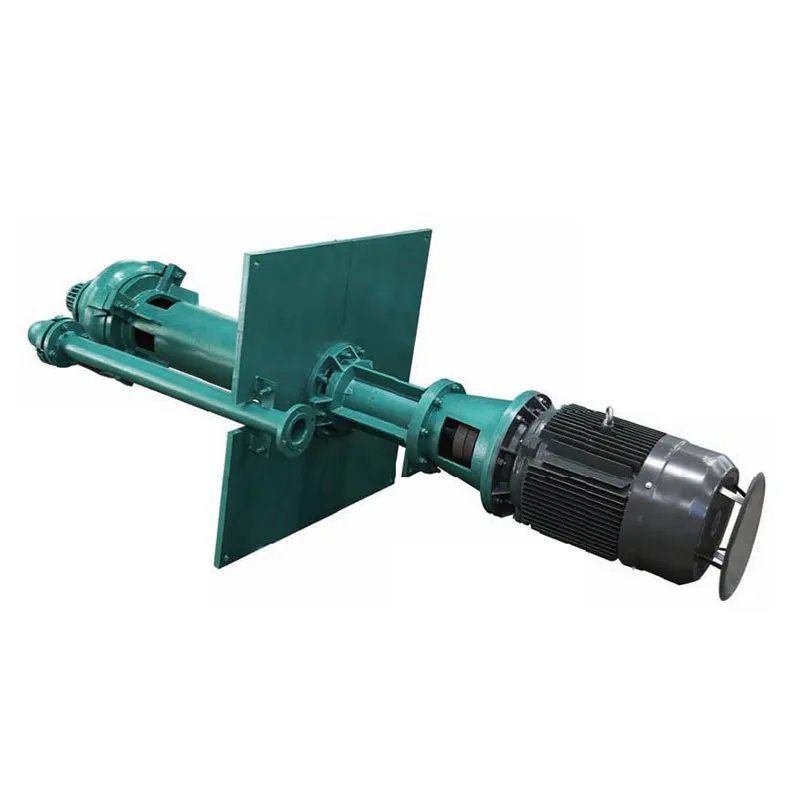
Fig 3: Quality control and assembly line for a vertical centrifugal pump, showcasing manufacturing precision.
Evaluating vertical centrifugal pump suppliers necessitates a comprehensive assessment of their expertise, manufacturing capabilities, and post-sales support. A reputable supplier will possess a proven track record, evidenced by industry certifications such as ISO 9001 for quality management and ISO 14001 for environmental management, signifying their commitment to quality and sustainability. Furthermore, their experience in serving diverse industries, coupled with a portfolio of successful application cases, demonstrates their understanding of complex fluid handling challenges. Key indicators of a reliable supplier include access to advanced engineering teams capable of performing detailed hydraulic analyses and custom designs, robust testing facilities to validate pump performance before deployment, and a global service network for prompt technical assistance, spare parts, and field service. For instance, a leading manufacturer like the one behind the SP MODEL SUMP PUMPS APPLICATION AND FEATURES will not only offer a broad range of standard and customized solutions but also provide comprehensive documentation, training, and ongoing support, ensuring the long-term reliability and efficiency of their products. The ability to offer tailored solutions, such as specific cantilever sump pump designs for highly corrosive media or a vertical pump centrifugal configuration for deep sump applications, is a hallmark of an expert vendor. Prioritizing suppliers who invest in R&D and adhere to stringent international standards like FDA for certain applications (e.g., food processing) or specific certifications for hazardous environments is crucial for mitigating risks and ensuring compliance. Ultimately, forming a partnership with a knowledgeable and supportive supplier translates into enhanced operational uptime, reduced maintenance burdens, and a lower total cost of ownership for your fluid handling systems.
Trust and Support: Ensuring Long-Term Value and Reliability
Establishing trust in a B2B context for critical equipment like a vertical centrifugal pump is paramount, relying on transparency, reliability, and robust customer support. This section addresses common inquiries and outlines the commitments reputable suppliers make to ensure client satisfaction and operational continuity. A typical delivery cycle for a standard vertical pump centrifugal model might range from 4-8 weeks, while highly customized solutions or complex cantilever sump pump configurations could extend to 12-16 weeks, depending on material availability and manufacturing complexity. Suppliers should provide clear, realistic lead times and keep clients informed throughout the production and delivery process. Concerning quality assurance, leading manufacturers often provide a comprehensive warranty, typically ranging from 12 to 24 months from the date of commissioning or 18 to 30 months from shipment, covering manufacturing defects and material failures under normal operating conditions. Beyond the warranty period, ongoing customer support is crucial, including access to expert technical assistance, spare parts availability, and field service teams capable of addressing installation, maintenance, and troubleshooting needs. This level of support minimizes downtime and extends the operational life of the pump, ensuring a favorable return on investment. The commitment to authoritative standards, such as ISO 9001 quality management systems, rigorous factory acceptance testing (FAT), and adherence to industry-specific codes like ANSI/HI or API, further solidifies a manufacturer's trustworthiness.
Customers frequently inquire about specific challenges, and an effective FAQ module can proactively address these concerns, building confidence and streamlining decision-making. For example, common questions might include: "How do I select the right material for my abrasive slurry sump application?" (Answer: High-chrome alloy or rubber-lined options are recommended for optimal wear resistance, based on particle size and pH), or "What maintenance is required for a vertical centrifugal pump?" (Answer: Regular checks on lubrication, vibration, and wear parts like impellers and casings, with specific intervals depending on operating conditions). Another frequent question involves the `vertical centrifugal pump price` and its correlation with performance: "Why does the price vary so much between suppliers?" (Answer: Variations reflect differences in material quality, manufacturing precision, engineering expertise, efficiency ratings, and after-sales support – emphasizing that lowest initial cost rarely equates to lowest total cost of ownership). The emphasis on long-term partnerships, reflected in consistent product performance, responsive technical support, and transparent communication, differentiates leading `vertical centrifugal pump suppliers` from mere vendors. This holistic approach ensures that industrial clients receive not just a product, but a complete solution backed by expertise, experience, and an unwavering commitment to reliability.
Frequently Asked Questions (FAQ)
Q1: What are the primary advantages of a vertical centrifugal pump over a horizontal pump?
A1: Vertical centrifugal pumps offer significant space-saving benefits due to their vertical orientation, are ideal for sump or pit installations as they don't require priming (impeller is submerged), and many designs, like cantilever types, eliminate submerged bearings, reducing maintenance in abrasive or corrosive media. They are also less prone to shaft seal issues when dealing with hazardous fluids.
Q2: How do I ensure maximum lifespan for my vertical centrifugal pump in a slurry application?
A2: Maximizing lifespan in slurry applications depends on selecting the correct wear-resistant materials (e.g., high-chrome alloys, rubber linings), ensuring proper installation to minimize vibration, maintaining optimal operating conditions (avoiding cavitation), and adhering to a strict preventative maintenance schedule for wear parts.
Q3: What certifications should I look for when evaluating vertical centrifugal pump suppliers?
A3: Look for suppliers with ISO 9001 (Quality Management System), ISO 14001 (Environmental Management), and adherence to industry-specific standards like API 610 (for petrochemical) or relevant ANSI/HI standards. These certifications indicate a commitment to quality, safety, and performance excellence.
Conclusion and Authoritative References
In conclusion, the vertical centrifugal pump is a highly specialized and indispensable asset in a broad spectrum of industrial applications. Its unique design offers distinct advantages in terms of space efficiency, reduced priming requirements, and enhanced reliability in handling challenging fluids, including abrasive slurries and corrosive chemicals. The continuous advancements in materials science, precision manufacturing techniques, and intelligent monitoring systems are further enhancing the performance, energy efficiency, and operational lifespan of these critical machines. For B2B decision-makers and technical personnel, a thorough understanding of technical parameters, manufacturing processes, and the strategic importance of customization and diligent supplier selection is crucial. By prioritizing trusted vertical centrifugal pump suppliers who adhere to stringent international standards, offer comprehensive support, and provide tailored solutions, industries can optimize their fluid handling processes, minimize downtime, and achieve significant long-term cost savings. The focus on expertise, experience, authoritativeness, and trustworthiness in every aspect of pump acquisition and operation ensures that investments in this vital technology yield maximum operational benefits and contribute to sustainable industrial practices.
References
- Hydraulic Institute. (2018). HI 1.6-2000 American National Standard for Centrifugal Pump Tests. Hydraulic Institute Press.
- API Standard 610. (2020). Centrifugal Pumps for Petroleum, Petrochemical and Natural Gas Industries. American Petroleum Institute.
- ISO 9906. (2012). Rotodynamic pumps — Hydraulic performance acceptance tests — Grades 1, 2 and 3. International Organization for Standardization.
- Karassik, I. J., & McGuire, T. P. (2007). Centrifugal Pumps: Design and Application. McGraw-Hill Professional.
- Mohan, S., & Sharda, A. (2019). Advanced Pumping Technologies in Industrial Applications. CRC Press.
-
Find the Best Industrial Martillo a la Venta for Professional Needs
NewsApr.16,2026
-
Technical Guide for Herramientas de Perforación Subterránea PDF
NewsApr.09,2026
-
Comprehensive Guide to Underground Drilling Tools Herramientas de Perforación Subterráneas
NewsApr.07,2026
-
Comprehensive Guide to Underground Drilling Tools herramientas de perforación subterránea
NewsApr.04,2026
-
Finding Reliable Proveedores de Compresores de Aire Diesel for Your Industry Needs
NewsMar.31,2026
-
Comprehensive Guide to Diesel Air Compressors and Miningzy Fábrica de Compresores de Aire Diesel
NewsMar.28,2026