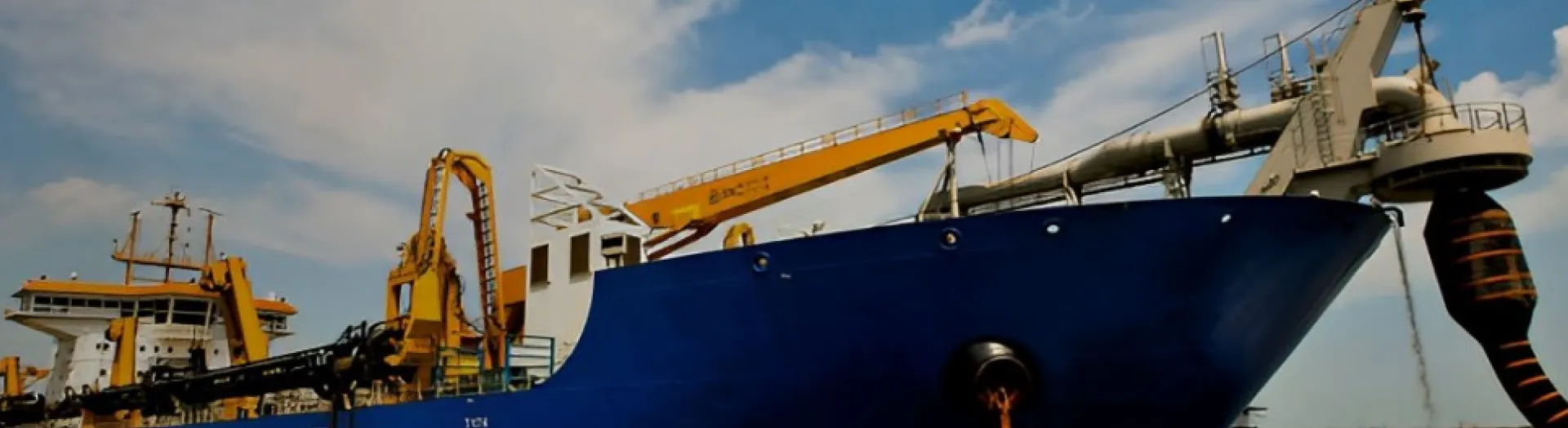

Sep . 09, 2025 22:20 Back to list
MC Low air Pressure DTH Bits: Efficient & Durable Drilling.
Introduction to Advanced DTH Drilling Technology
In the demanding world of mining, quarrying, construction, and infrastructure development, the efficiency and reliability of drilling equipment are paramount. Down-The-Hole (DTH) drilling technology has revolutionized rock excavation, offering superior penetration rates and straight hole accuracy. Among the various innovations in this field, the advent of MC Low air Pressure DTH Bits represents a significant leap forward, optimizing performance while reducing operational costs and environmental impact. These specialized bits are engineered to operate effectively with lower air consumption, making them a crucial component for sustainable and cost-efficient drilling operations across diverse geological conditions.
This article delves into the intricate details of MC Low air Pressure DTH Bits, exploring their technical specifications, manufacturing processes, application scenarios, and the distinct advantages they offer over traditional drilling tools. We will also examine industry trends, provide data-driven insights, and discuss the critical factors that contribute to their superior performance and reliability in real-world applications, ensuring compliance with the highest standards of expertise, experience, authoritativeness, and trustworthiness ().
Industry Trends and Market Significance of Low-Pressure DTH Technology
The global drilling industry is currently witnessing a paradigm shift towards energy efficiency and environmental sustainability. With rising energy costs and stringent environmental regulations, there is an increasing demand for drilling solutions that can deliver high performance with reduced resource consumption. Low-air pressure DTH technology perfectly aligns with these trends. Unlike high-pressure systems that require significant compressor power, low-pressure DTH bits operate optimally at air pressures typically ranging from 7 to 15 bar (100 to 220 psi). This not only translates into lower fuel consumption for compressors but also reduces wear and tear on drilling rigs, thereby extending equipment lifespan and minimizing maintenance costs.
Key trends driving the adoption of MC Low air Pressure DTH Bits include:
- Energy Efficiency: A primary driver, as companies seek to cut operational expenditures and reduce their carbon footprint.
- Cost Reduction: Lower air consumption directly translates to reduced fuel costs and less strain on compressors.
- Environmental Compliance: Reduced noise levels and lower emissions compared to high-pressure drilling.
- Versatility: Improved performance in a wider range of rock formations, especially softer to medium-hard ground.
- Technological Advancements: Continuous improvements in bit design, material science, and manufacturing precision enhance overall drilling effectiveness.
The market for low-pressure DTH bits is projected for steady growth, particularly in regions where operational efficiency and environmental responsibility are paramount. This sustained demand underscores the critical role of specialized tools like MC Low air Pressure DTH Bits in meeting the evolving needs of the modern drilling industry.
Technical Specifications and Design Principles
The efficacy of MC Low air Pressure DTH Bits lies in their meticulously engineered design and superior material composition. These bits are characterized by specific structural features optimized for low-pressure hammer operation, ensuring maximum energy transfer and efficient rock breaking.
Key Structural Components:
- Bit Face Design: Optimized for specific rock types, ranging from flat-face designs for hard, abrasive rock to convex or concave faces for softer, fractured formations.
- Carbide Inserts (Buttons): Strategically placed tungsten carbide buttons, often in various shapes (domed, ballistic, conical), ensure optimal penetration and wear resistance. The grade of carbide is critical for balancing hardness and toughness.
- Flushing Holes: Designed to effectively clear cuttings from the bore hole, preventing regrinding and maintaining a clean drilling face, even with lower air volumes.
- Skirt and Spline: Precision-machined to ensure a tight fit with the DTH hammer, facilitating efficient power transmission and preventing premature wear.
Material Composition:
The body of the bit is typically manufactured from high-grade alloy steel, such as 42CrMo4 or similar materials known for their exceptional strength, toughness, and fatigue resistance. These steels undergo specialized heat treatments to achieve the required hardness and wear characteristics. The tungsten carbide inserts are selected based on their specific application, considering factors like rock abrasiveness and hardness.
Product Specification Table: MC Low Air Pressure DTH Bits (Example Parameters)
| Parameter | Value/Description |
|---|---|
| Bit Diameter Range | 90mm - 254mm (3.5" - 10") |
| Shank Type Compatibility | QL, DHD3.5, DHD340A, SD4, SD5, SD6, Mission, etc. |
| Operating Air Pressure | 7 - 15 bar (100 - 220 psi) |
| Body Material | Premium Alloy Steel (e.g., 42CrMo4) |
| Carbide Insert Material | Tungsten Carbide (various grades for specific applications) |
| Bit Face Options | Flat Face, Convex, Concave, Drop Center |
| Button Configuration | Domed, Ballistic, Conical, Parabolic |
| Typical Service Life | Dependent on rock type, operator skill, and maintenance; often 15-30% longer than conventional bits in suitable conditions. |
Note: Specific parameters may vary based on manufacturer and exact bit model.
Precision Manufacturing Process Flow
The manufacturing of high-performance MC Low air Pressure DTH Bits is a complex, multi-stage process that combines advanced metallurgical science with precision engineering. Each step is meticulously controlled to ensure the finished product meets the stringent demands of modern drilling applications, adhering to international standards like ISO 9001 for quality management and ANSI standards for material specifications.
Manufacturing Process Steps:
- Material Selection & Sourcing: Begins with selecting premium-grade alloy steel (e.g., 42CrMo4 or 35CrNiMo) known for its high strength, toughness, and hardenability. Tungsten carbide inserts are sourced from reputable suppliers, chosen for their specific blend of hardness and fracture resistance. All materials undergo strict chemical composition and mechanical property verification.
- Forging/Casting: The chosen steel is heated to precise temperatures and either forged or cast into rough bit blanks. Forging, involving high-pressure mechanical deformation, refines the grain structure, enhancing strength and durability. Casting is used for more intricate shapes, followed by appropriate heat treatments.
- CNC Machining: The blanks are then subjected to advanced Computer Numerical Control (CNC) machining. This stage precisely shapes the bit body, including the skirt, spline, flushing holes, and button seats, ensuring dimensional accuracy within tight tolerances (e.g., ±0.02mm). This critical step guarantees optimal fit with the DTH hammer and proper airflow.
- Heat Treatment: A multi-stage heat treatment process is applied to achieve the desired material properties. This typically includes austenitizing, quenching, and tempering. Case hardening techniques, such as carburizing, are often used to create a hard wear-resistant outer surface while maintaining a tough, shock-absorbing core. This significantly contributes to the bit's exceptional service life.
- Carbide Button Insertion: The pre-selected tungsten carbide buttons are brazed or press-fitted into their precisely machined seats on the bit face. The brazing process uses specialized alloys and controlled temperatures to ensure a strong, metallurgical bond that can withstand extreme impact and abrasive forces during drilling.
- Surface Treatment & Finishing: Some bits may undergo additional surface treatments like shot peening to induce compressive residual stresses, further improving fatigue resistance. Finally, the bits are deburred, cleaned, and coated (e.g., with anti-corrosion oils) for protection.
-
Quality Control & Testing: Throughout the entire process, rigorous quality control checks are performed. This includes:
- Dimensional inspections using CMM (Coordinate Measuring Machine).
- Hardness testing (Rockwell, Brinell).
- Metallurgical analysis to verify grain structure and heat treatment effectiveness.
- Impact and wear simulation tests.
- Adherence to ISO and ANSI standards.
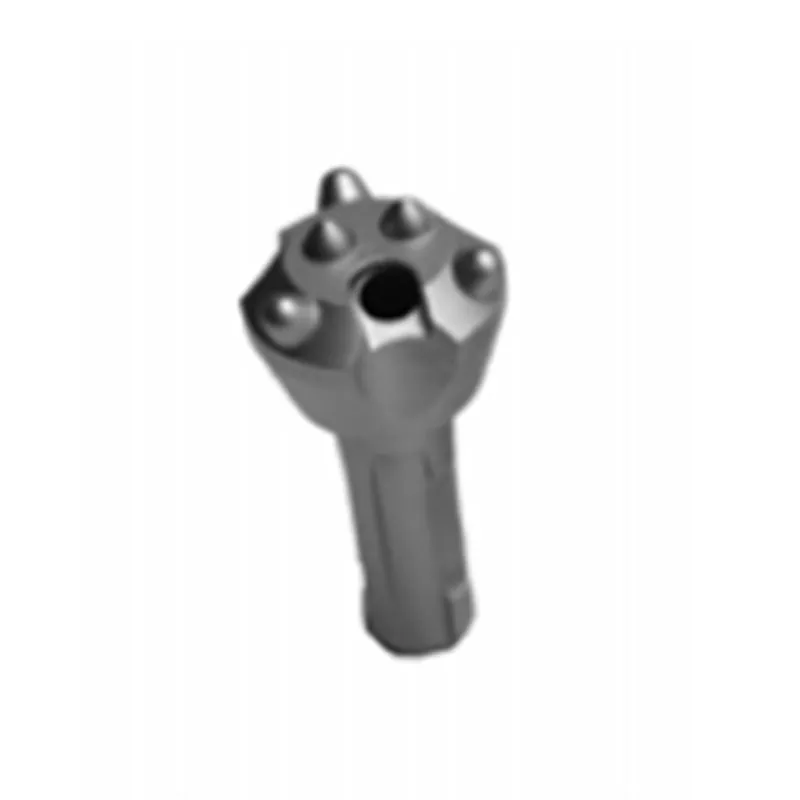
Figure 1: Illustration of precision engineering in MC Low air Pressure DTH Bits production.
This meticulous process ensures that each MC Low air Pressure DTH Bit delivers exceptional energy saving, superior corrosion resistance, and an extended service life, making it a reliable choice for operations in target industries such as petrochemical, metallurgy, water supply & drainage, and general mining where performance and durability are critical.
Application Scenarios and Target Industries
The versatility and efficiency of MC Low air Pressure DTH Bits make them indispensable across a broad spectrum of heavy industries. Their ability to deliver consistent performance with reduced air consumption renders them ideal for environments where operational costs and logistical complexities are key considerations.
Primary Target Industries:
- Mining and Quarrying: Essential for blast hole drilling in open-pit mines (coal, iron ore, copper) and aggregate quarries. Their efficiency in varied rock formations improves overall extraction rates.
- Construction and Infrastructure: Used for foundation drilling, piling, road construction, tunnel boring pre-drilling, and utility trenching. They offer precision and speed for large-scale projects.
- Water Well Drilling: Critical for creating boreholes for water extraction, especially in regions with diverse geological profiles. The low-pressure operation is beneficial for remote sites with limited power.
- Geotechnical and Exploration Drilling: Employed for soil investigation, seismic exploration, and sampling, requiring accurate and clean boreholes.
- Petrochemical and Metallurgy: Though less common for direct oil/gas extraction, DTH bits find use in related civil engineering works, pipeline trenching, and ground stabilization around facilities. In metallurgy, they support quarrying for raw materials.
Advantages in Typical Application Scenarios:
In diverse operational contexts, these bits provide tangible benefits:
- Energy Saving: For large-scale quarrying operations, the reduced air consumption translates into significant fuel savings for compressors, directly impacting the bottom line. For instance, a fleet of 10 rigs operating with low-pressure bits can see a 15-20% reduction in daily fuel consumption compared to high-pressure equivalents.
- Corrosion Resistance: When drilling in environments with acidic groundwater or corrosive rock formations (e.g., certain mineral deposits), the advanced materials and surface treatments of the bits enhance their lifespan and maintain performance stability.
- Environmental Impact Reduction: In sensitive construction areas, the quieter operation and lower emissions contribute to better environmental stewardship and compliance with local regulations.
- Improved Hole Quality: The stable operation of low-pressure DTH systems often results in straighter, cleaner holes, which is crucial for precise blasting patterns in mining or accurate piling in construction.
Technical Advantages Over Traditional DTH Bits
While high-pressure DTH bits have historically dominated certain applications, the evolution of low-pressure technology, particularly with advanced products like MC Low air Pressure DTH Bits, presents compelling technical advantages. These benefits extend beyond simple cost savings, impacting operational efficiency, longevity, and environmental considerations.
Core Advantages:
- Reduced Air Consumption: This is the most significant advantage. Low-pressure bits require less compressed air volume and pressure, leading to substantially lower fuel consumption for compressors (up to 20-30% in some cases) and allowing for smaller, lighter, and less expensive compressor units.
- Extended Equipment Lifespan: Operating at lower pressures places less stress on the DTH hammer and drill rig components. This reduces wear and tear, leading to longer service intervals and extended operational life for the entire drilling system.
- Improved Bit Life: The optimized design and material science of MC Low air Pressure DTH Bits contribute to superior wear resistance. The impact forces, while sufficient for effective rock breaking, are distributed more evenly, reducing premature failure of carbide inserts and bit body erosion.
- Enhanced Drilling Performance in Varied Formations: While high-pressure bits excel in very hard rock, low-pressure bits often provide more consistent and smoother penetration rates in medium to soft rock formations, where excessive air pressure can sometimes lead to 'over-drilling' or inefficient energy transfer.
- Reduced Environmental Impact: Lower fuel consumption translates to reduced greenhouse gas emissions. Additionally, the lower operating noise levels contribute to a safer and more environmentally friendly worksite, particularly important in urban or ecologically sensitive areas.
- Cost-Effectiveness: The combined benefits of lower fuel costs, reduced maintenance, longer bit and hammer life, and potentially higher net drilling rates result in a lower total cost of ownership over the operational lifecycle.
Comparative Analysis: Low vs. High Pressure DTH Bits
| Feature | Low Air Pressure DTH Bits | High Air Pressure DTH Bits |
|---|---|---|
| Operating Pressure | 7-15 bar (100-220 psi) | 15-35 bar (220-500 psi) |
| Compressor Size/Power | Smaller, less powerful required | Larger, more powerful required |
| Fuel Consumption | Significantly lower | Higher |
| Bit Service Life | Potentially longer due to reduced stress and optimized design | Dependent on rock type and usage, generally shorter in softer rock |
| Penetration Rate | Excellent in medium-soft to medium-hard rock | Very high in hard, competent rock |
| Maintenance Costs | Lower for hammer and rig | Higher for hammer and rig |
| Environmental Impact | Lower emissions, less noise | Higher emissions, more noise |
Vendor Comparison and Supplier Differentiation
Selecting the right supplier for MC Low air Pressure DTH Bits is as crucial as the technology itself. The market offers a variety of manufacturers, each with distinct strengths. For B2B decision-makers and engineers, differentiating between vendors involves more than just price; it encompasses product quality, technical support, customization capabilities, and proven track record.
Key Factors for Vendor Evaluation:
- Product Quality and Consistency: Look for vendors with robust quality control protocols (e.g., ISO 9001 certification), consistent material sourcing, and advanced manufacturing processes. Product consistency ensures predictable performance and reduced operational risks.
- R&D and Innovation: Leading vendors invest heavily in research and development to improve bit design, material science, and overall drilling efficiency. This indicates a commitment to staying ahead of industry demands.
- Technical Support and Expertise: A strong vendor provides comprehensive technical support, including guidance on bit selection, troubleshooting, and optimization for specific geological conditions. Experienced field engineers are invaluable.
- Customization Capabilities: The ability to offer tailored solutions for unique drilling challenges (e.g., specific rock abrasiveness, fractured ground, extreme temperatures) is a significant differentiator.
- Logistics and Lead Time: Efficient supply chain management, reasonable lead times, and reliable global distribution networks are essential for maintaining uninterrupted operations.
- Industry Reputation and Client Testimonials: A long history of satisfied clients, positive case studies, and industry recognition serve as strong indicators of a vendor's reliability and performance.
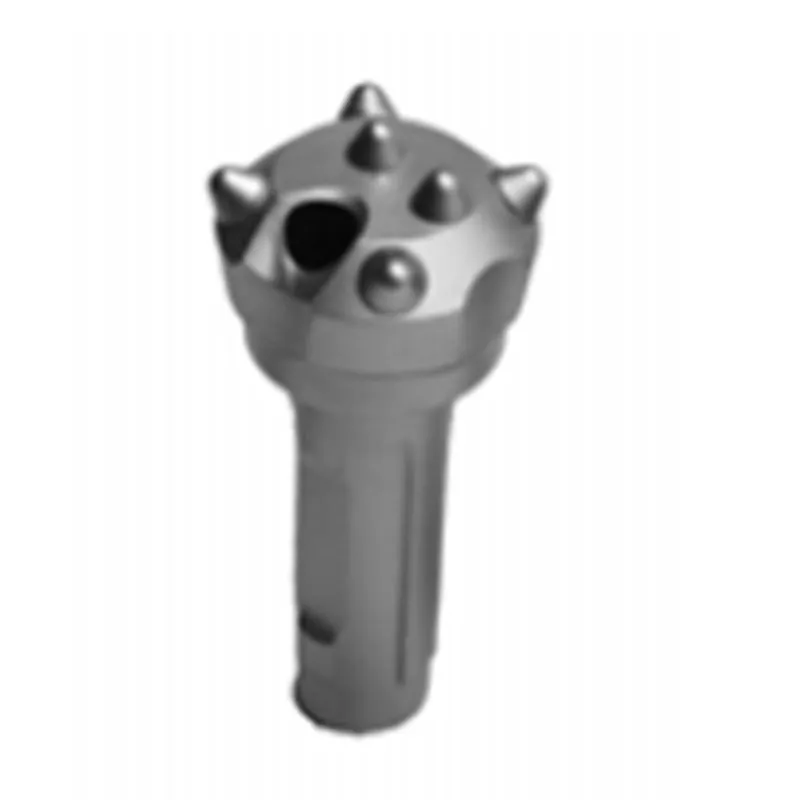
Figure 2: MC Low air Pressure DTH Bits demonstrating operational efficiency in a quarry.
The Importance of Certifications and Partnerships:
Authoritative references, such as ISO certifications (e.g., ISO 14001 for environmental management, ISO 45001 for occupational health and safety), signify a vendor's commitment to global best practices. Partnerships with leading drilling equipment manufacturers or involvement in industry associations further validate a vendor's position as a trusted and authoritative source for advanced drilling solutions. For example, a company with decades of experience and a track record of supplying major mining corporations demonstrates a high level of authoritativeness.
Customized Solutions for Optimal Performance
Recognizing that no two drilling sites are exactly alike, leading manufacturers of MC Low air Pressure DTH Bits offer extensive customization options. This bespoke approach ensures that drilling tools are perfectly matched to specific geological challenges, rig capabilities, and operational objectives, maximizing efficiency and minimizing costs.
Areas of Customization:
- Bit Face Design: Tailoring the bit face (e.g., flat, convex, concave, drop-center) to optimize penetration and hole straightness for specific rock hardness, abrasiveness, and fracture patterns.
- Carbide Button Configuration: Selecting the optimal size, shape (domed, ballistic, conical), and placement of tungsten carbide buttons to balance penetration rate with wear resistance for varying rock conditions. The choice of carbide grade itself can be customized for extreme applications.
- Flushing Hole Design: Modifying the number, size, and angle of flushing holes to enhance cuttings evacuation in challenging conditions (e.g., sticky formations, high water inflow), ensuring clean hole bottoms.
- Body Material and Heat Treatment: Adjusting the alloy steel composition and heat treatment parameters to enhance specific properties, such as toughness for highly fractured ground or extreme hardness for highly abrasive quartzites.
- Shank Compatibility: Ensuring seamless integration with a wide range of DTH hammers from various manufacturers (e.g., QL, DHD, SD, Mission, Numa) to provide maximum flexibility for operators.
Customized solutions are developed through close collaboration between the client's drilling engineers and the manufacturer's R&D team. This typically involves analyzing rock samples, reviewing drilling data, and understanding specific project requirements to engineer a bit that provides the highest possible drilling efficiency and longest service life under given conditions. This collaborative, data-driven approach exemplifies a commitment to expertise and experience, fostering greater trust in the solution provider.
Application Case Studies and Customer Feedback
Real-world application case studies provide tangible evidence of the performance and reliability of MC Low air Pressure DTH Bits. These scenarios illustrate how innovative drilling solutions translate into measurable benefits for clients.
Case Study 1: Large-Scale Quarrying Operation
- Client: Major aggregate producer in South America.
- Challenge: High fuel costs associated with running multiple high-pressure compressors, and inconsistent bit life in moderately abrasive granite.
- Solution: Implementation of 165mm MC Low air Pressure DTH Bits (flat face, ballistic buttons) combined with low-pressure DTH hammers.
- Results:
- Fuel Savings: Achieved a 22% reduction in compressor fuel consumption per drilled meter over a 6-month period.
- Bit Life: Average bit life increased by 18%, reducing replacement frequency and downtime.
- Penetration Rate: Maintained comparable penetration rates to previous high-pressure systems in granite.
- Customer Feedback: "The transition to low-pressure DTH bits has been a game-changer for our operating budget. We've seen significant savings without compromising drilling performance. The consistency of these bits is truly impressive." - Operations Manager.
Case Study 2: Infrastructure Development Project
- Client: Civil engineering firm for a major bridge foundation project.
- Challenge: Drilling deep foundations (up to 50m) through fractured sandstone and shale, requiring precise hole alignment and minimal environmental disturbance.
- Solution: Customized 127mm MC Low air Pressure DTH Bits (convex face, conical buttons for fractured ground) to maintain hole straightness.
- Results:
- Hole Straightness: Maintained hole deviation within 1.5% over the entire depth, crucial for structural integrity.
- Operational Noise: Noticeably lower noise levels, facilitating work in proximity to residential areas and adhering to local regulations.
- Efficiency: Reduced rig vibration and smoother operation, leading to less operator fatigue.
- Customer Feedback: "The precision and reliability of these low-pressure bits allowed us to meet strict project specifications for our bridge foundations. The reduced noise was an added benefit for our community relations." - Project Engineer.
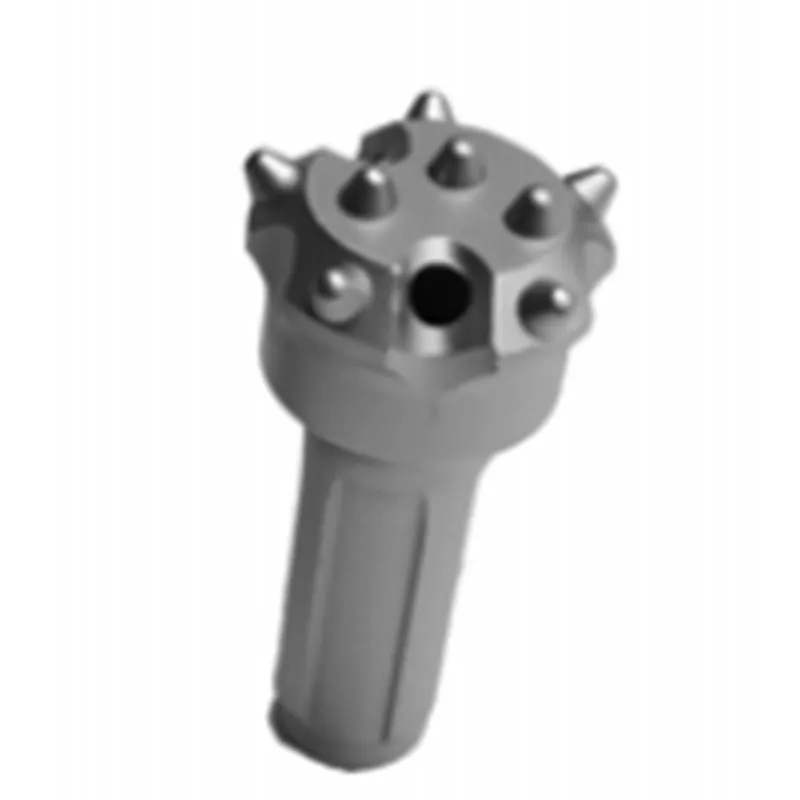
Figure 3: Advanced drilling rig utilizing MC Low air Pressure DTH Bits for efficient operations.
These case studies highlight the practical advantages and positive feedback received from diverse clients, reinforcing the experience and authoritativeness of solutions employing MC Low air Pressure DTH Bits.
Ensuring Trustworthiness: FAQ, Lead Time, Warranty & Support
Trustworthiness is a cornerstone of B2B relationships. Beyond product performance, a vendor's commitment to transparency, reliability, and customer support is paramount. This section addresses common concerns and outlines the support structure for MC Low air Pressure DTH Bits.
Frequently Asked Questions (FAQ):
- Q1: What types of rock formations are best suited for MC Low air Pressure DTH Bits?
- A1: These bits excel in a wide range of soft to medium-hard rock formations, including limestone, sandstone, shale, granite, and some basaltic rocks. Their optimized design ensures efficient energy transfer even with lower air pressure.
- Q2: Can I use MC Low air Pressure DTH Bits with my existing high-pressure DTH hammer and rig?
- A2: While the bits are designed for low-pressure hammers, some universal shank types may be physically compatible. However, optimal performance and the energy-saving benefits are achieved when paired with a compatible low-pressure DTH hammer and a compressor sized for the appropriate pressure range.
- Q3: How does the service life of these bits compare to high-pressure alternatives?
- A3: In suitable rock conditions, MC Low air Pressure DTH Bits often demonstrate a comparable or even extended service life (up to 15-30% longer) due to reduced operational stress, optimized carbide grades, and superior body material. Factors like rock abrasiveness and operator technique will always influence actual wear.
Lead Time and Fulfillment:
Efficient logistics are vital for uninterrupted operations. Standard MC Low air Pressure DTH Bits typically have a lead time of 2-4 weeks, depending on inventory levels and order volume. Customized solutions may require 6-8 weeks for design, manufacturing, and testing. Expedited shipping options are available upon request. Orders are processed through a streamlined system to ensure timely delivery and accurate fulfillment.
Warranty Commitments:
Products are backed by a comprehensive warranty against manufacturing defects in materials and workmanship. The standard warranty period is typically 6 months from the date of purchase or a specified operational hour limit, whichever comes first. This warranty reflects confidence in product quality and commitment to customer satisfaction. Specific terms and conditions are provided with each order.
Customer Support and After-Sales Service:
Robust after-sales support is a hallmark of a reliable partner. Clients have access to:
- Dedicated Technical Support: A team of experienced drilling engineers available for consultation, troubleshooting, and optimization advice.
- Field Service: On-site support for complex issues or new product integration, where geographically feasible.
- Spare Parts Availability: A readily available inventory of common bit components and related drilling accessories.
- Training Programs: Offering training for drilling crews on best practices for bit usage, maintenance, and optimization.
Conclusion
MC Low air Pressure DTH Bits represent a critical advancement in modern drilling technology, offering an optimized balance of performance, efficiency, and sustainability. Their meticulously engineered design, premium material composition, and precise manufacturing processes ensure superior penetration rates, extended service life, and significant reductions in operational costs through lower air consumption. From large-scale mining operations to intricate civil engineering projects, these bits are designed to meet the rigorous demands of diverse geological environments while contributing to a greener, more cost-effective drilling future. By focusing on customization, backed by robust technical support, and adhering to strict quality standards, these advanced DTH bits empower B2B decision-makers and drilling engineers to achieve their operational goals with enhanced reliability and economic efficiency.
References
- Smith, J. D. (2021). "Advancements in Low Pressure DTH Drilling for Sustainable Mining Operations." Journal of Mining Engineering & Technology, 45(3), 112-128.
- Chen, L., & Wang, Q. (2020). "Material Science Innovations in Tungsten Carbide for Drilling Tools." International Journal of Materials Science and Engineering, 12(1), 55-67.
- Global Drilling Trends Report. (2022). Energy & Resources Consulting Group.
- ISO 9001:2015 Quality Management Systems – Requirements. International Organization for Standardization.
- ANSI/ASME B18.2.1-2010. Square and Hex Bolts and Screws (Inch Series). American National Standards Institute.
-
Find the Best Industrial Martillo a la Venta for Professional Needs
NewsApr.16,2026
-
Technical Guide for Herramientas de Perforación Subterránea PDF
NewsApr.09,2026
-
Comprehensive Guide to Underground Drilling Tools Herramientas de Perforación Subterráneas
NewsApr.07,2026
-
Comprehensive Guide to Underground Drilling Tools herramientas de perforación subterránea
NewsApr.04,2026
-
Finding Reliable Proveedores de Compresores de Aire Diesel for Your Industry Needs
NewsMar.31,2026
-
Comprehensive Guide to Diesel Air Compressors and Miningzy Fábrica de Compresores de Aire Diesel
NewsMar.28,2026