

Sep . 19, 2025 18:45 Back to list
High-Performance Bearing Chocks for Rolling Mill Operations
The Pivotal Role of Roll Chocks in Advanced Industrial Operations
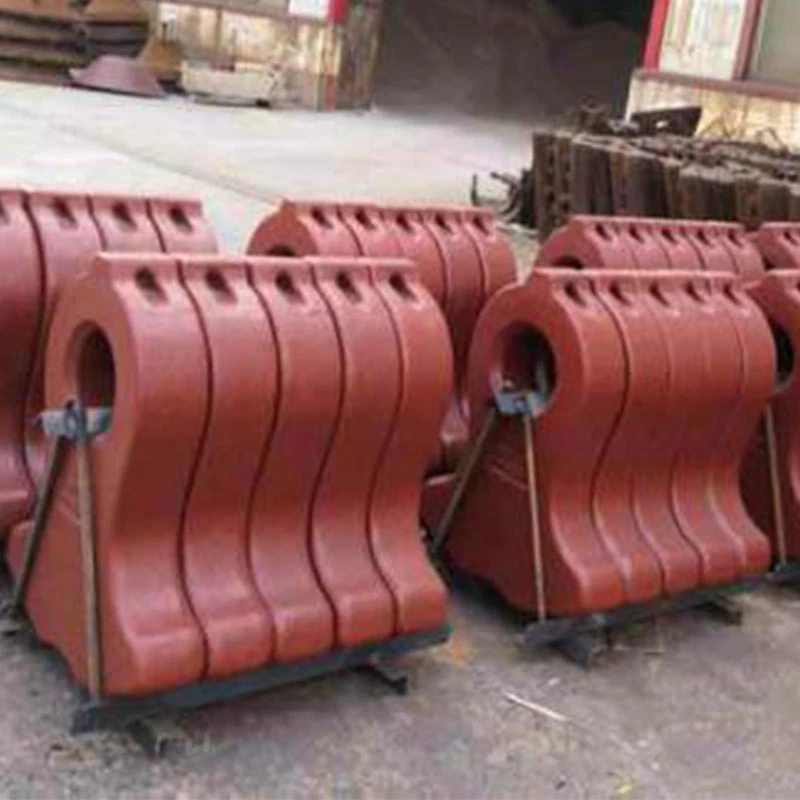
In the demanding world of heavy industrial machinery, particularly within rolling mills, the integrity and performance of every component are critical. Central to the functionality and efficiency of these operations is the bearing chock. This essential component is not merely a housing but a precisely engineered structure designed to support bearings, transmit forces, and maintain the precise alignment of rolls under extreme conditions. Its role is indispensable in ensuring the smooth, reliable, and high-quality production outputs expected from modern rolling mills. As industries push for greater efficiency, higher speeds, and enhanced product quality, the design, material science, and manufacturing precision of these critical parts become paramount. This article delves into the technical intricacies, industry trends, and strategic importance of advanced roll chocks.
Modern manufacturing facilities, especially those in metallurgy and heavy machinery, rely heavily on components that can withstand immense mechanical stress, thermal fluctuations, and abrasive environments. The proper selection and maintenance of these components directly impact operational uptime, maintenance costs, and the quality of the end product. Therefore, understanding the nuances of components like this critical housing is not just a technical detail but a strategic imperative for B2B decision-makers and engineers aiming for optimal performance and longevity in their industrial assets.
Current Industry Trends and Innovations in Rolling Mill Components
The industrial landscape for rolling mill components is continuously evolving, driven by demands for higher productivity, improved energy efficiency, and extended service life. Several key trends are shaping the development and deployment of advanced chocking solutions:
- Enhanced Material Science: A shift towards high-strength alloy steels, often combined with specialized heat treatments and surface coatings, to improve wear resistance, fatigue strength, and corrosion resistance. This is crucial for components like the work roll chock and backup roll chock, which face tremendous dynamic loads.
- Precision Manufacturing: The adoption of advanced CNC machining techniques and stringent quality control protocols to achieve tighter tolerances, ensuring optimal alignment and reduced vibration. This directly contributes to the longevity of the entire roll stand assembly, including the bearings within the rolling mill chocks.
- Integrated Monitoring Systems: Development of chocks designed to integrate sensors for real-time monitoring of temperature, vibration, and load. This allows for predictive maintenance, preventing catastrophic failures and optimizing operational schedules for bearing chocks rolling mill applications.
- Sustainability and Energy Efficiency: Focus on designs that reduce friction, improve lubrication efficiency, and minimize energy consumption. Lightweighting while maintaining structural integrity is also an area of active research.
- Modular Design and Customization: The ability to offer highly customized solutions tailored to specific mill configurations and operational demands, allowing for quick adaptation and installation.
Technical Specifications and Design Principles for Roll Chocks
This specific engineering component is vital, and its design principles are centered on maximizing load-bearing capacity, operational stability, and component longevity. Key technical parameters include material composition, dimensional accuracy, surface finish, and mechanical properties.
Key Structural Elements:
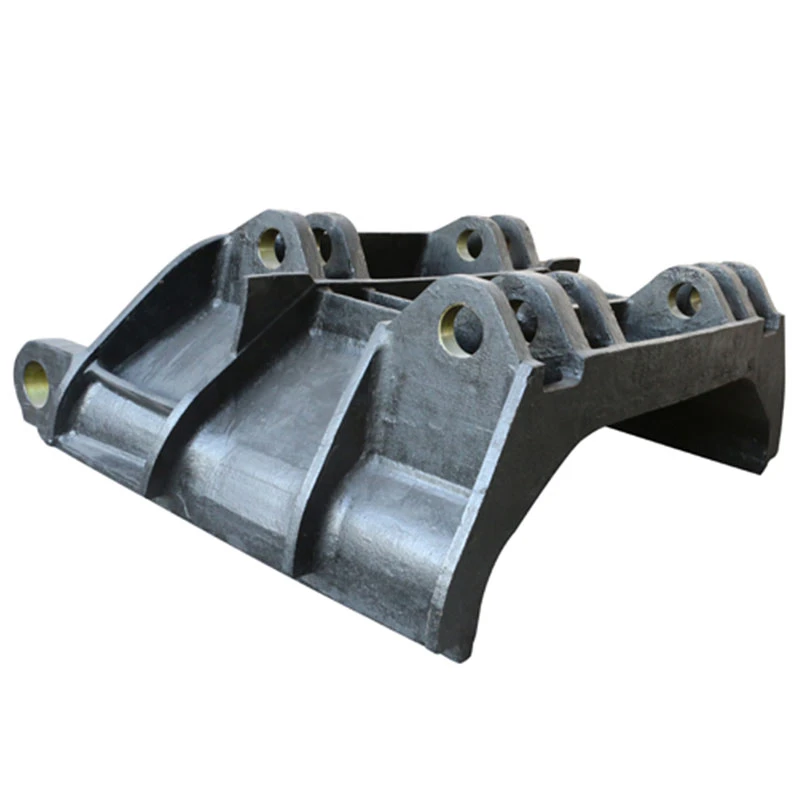
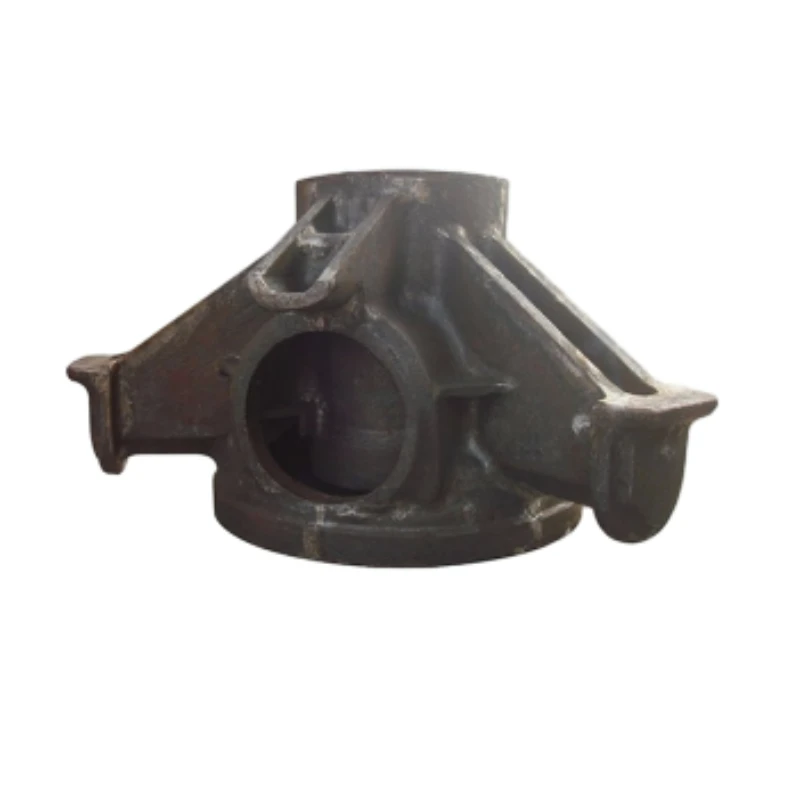
- Housing: The main body of the chock, designed to securely hold the bearing and transfer operational loads to the mill stand. Often features intricate internal geometries for lubrication and cooling channels.
- Wear Plates/Liners: sacrificial components made of wear-resistant materials (e.g., bronze, special alloys) that protect the main chock body from friction against the mill stand windows during operation.
- Lubrication System Interfaces: Ports and channels for continuous grease or oil lubrication, critical for reducing friction, dissipating heat, and preventing contamination of the bearing.
- Sealing Arrangements: Integrated designs for robust seals (e.g., labyrinth seals, lip seals) to prevent ingress of contaminants like scale, water, and dust, while retaining lubricant.
Typical Product Specification Table for Roll Chocks:
| Parameter | Specification | Details/Benefit |
|---|---|---|
| Material | High-Strength Alloy Steel (e.g., 42CrMo, 34CrNiMo) | Superior tensile strength (typical > 900 MPa), yield strength (> 700 MPa), and fatigue resistance for heavy loads. |
| Hardness (HRC) | 30-38 HRC (after heat treatment) | Optimized balance between hardness for wear resistance and toughness to prevent brittle fracture. |
| Surface Roughness (Ra) | ≤ 0.8 µm (bearing seating areas) | Ensures precise bearing fit, minimizes fretting corrosion, and optimizes lubrication film formation. |
| Dimensional Tolerance | ISO 2768-1 mK / ISO 286-2 IT7 | Guarantees interchangeability, accurate roll positioning, and stable operation in rolling mill chocks. |
| Weight Range | 200 kg to 15,000 kg+ | Accommodates various mill sizes and roll diameters from small cold mills to large plate mills. |
| Operating Temperature | -20°C to +250°C (with appropriate lubrication) | Robust performance across a wide range of industrial thermal conditions, particularly in hot strip mills. |
| Service Life (Expected) | 10-20 years (with proper maintenance) | Designed for long-term reliability and reduced total cost of ownership in demanding applications. |
These specifications ensure that the chocking unit can withstand the immense dynamic and static loads, high temperatures, and corrosive environments typical of rolling mill operations. Precision engineering is key to managing the complex interplay of forces that define rolling mill performance.
Manufacturing Process Flow of Advanced Chocking Units
The production of a high-quality chocking unit is a multi-stage process that combines advanced metallurgical techniques with precision machining and rigorous quality control. Each step is critical to achieving the final product's desired performance characteristics.
Schematic Process Steps:
- 1. Design and Engineering: Utilizing advanced CAD/CAM software (e.g., SolidWorks, AutoCAD) and Finite Element Analysis (FEA) to simulate stress distribution and optimize geometry for specific mill requirements and load conditions. Designs adhere to international standards like ISO and ANSI for bearing interfaces and dimensional tolerances.
- 2. Material Selection: Selection of high-grade alloy steels (e.g., 42CrMo, 34CrNiMo) known for their superior strength, toughness, and fatigue resistance. Material certifications (e.g., ASTM, DIN) are verified for chemical composition and mechanical properties.
-
3. Primary Forming (Casting or Forging):
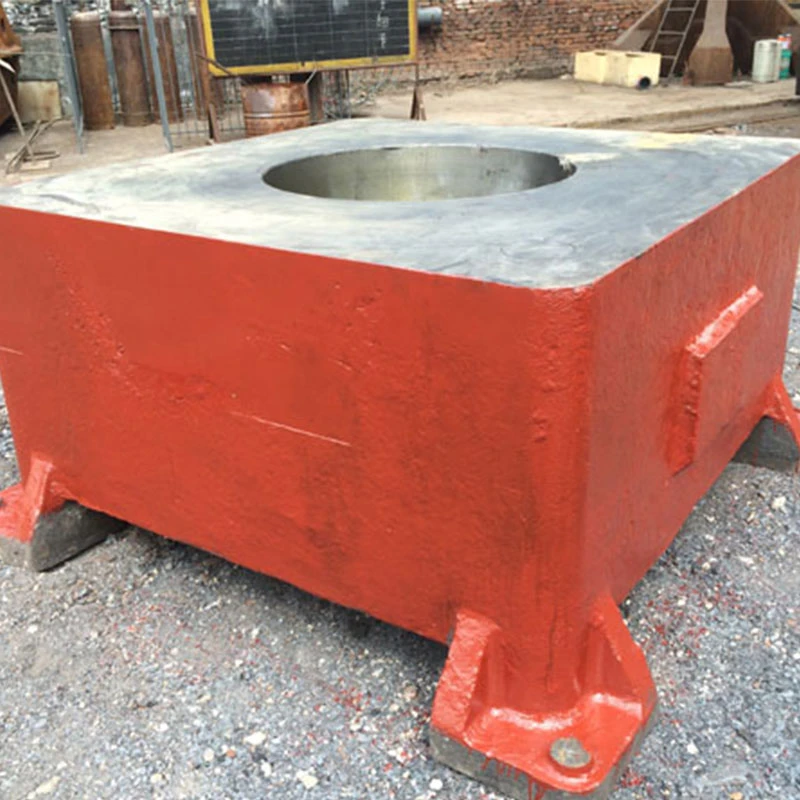
- Casting: For larger, more complex geometries. Precision sand casting or investment casting ensures internal soundness. Followed by rough machining to remove excess material.
- Forging: For smaller to medium-sized chocks requiring superior grain structure, enhanced mechanical properties, and minimal internal defects. Provides excellent fatigue life for demanding applications like work roll chock assemblies.
- 4. Heat Treatment: A critical step involving normalizing, quenching, and tempering to achieve the desired metallurgical structure and mechanical properties (hardness, tensile strength, impact toughness). This enhances the service life and performance of the unit.
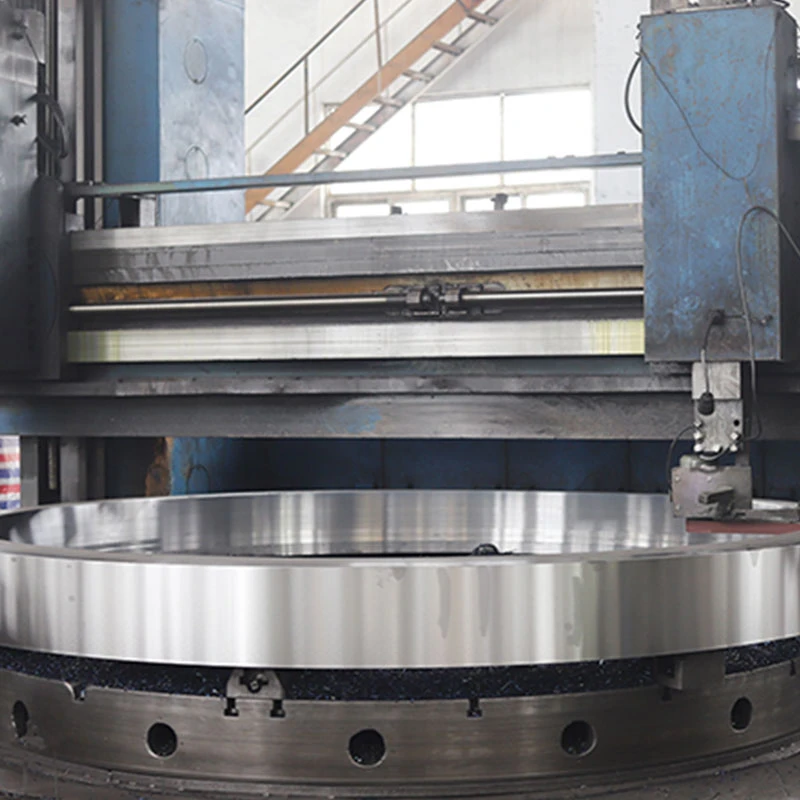
- 5. CNC Machining: High-precision CNC milling, boring, and grinding operations to achieve tight dimensional tolerances and specified surface finishes, especially in bearing seating areas and sealing surfaces. Modern 5-axis CNC machines are often employed.
- 6. Surface Treatment & Coating (Optional): Application of specialized coatings (e.g., nitriding, black oxidization) to further enhance wear resistance, corrosion resistance, and reduce friction, extending the component's life in aggressive environments.
- 7. Non-Destructive Testing (NDT): Comprehensive NDT including Ultrasonic Testing (UT), Magnetic Particle Inspection (MPI), and Dye Penetrant Inspection (DPI) to detect any internal or surface defects. Adherence to ASTM E1444, ASTM E709, and other relevant standards.
- 8. Final Assembly & Inspection: Thorough dimensional inspection, verification of material certificates, and functional checks to ensure all specifications are met. This includes checking for proper fit with test bearings and associated components.
- 9. Packaging and Dispatch: Robust packaging to prevent damage during transit, often including anti-corrosion treatments for long-term storage.
Through this stringent process, manufacturers ensure that each rolling mill chock meets the highest standards of quality, reliability, and performance. The emphasis on material quality and precision machining directly translates to advantages such as energy saving through reduced friction and superior corrosion resistance due to optimized surface treatments, crucial for industries like metallurgy and petrochemicals.
Application Scenarios and Target Industries for Industrial Chocks
The versatility and robustness of these precision-engineered housings make them indispensable across a range of heavy industries where high-load rotational machinery is employed. Their primary application, however, remains within rolling mills.
-
Metallurgy (Steel & Non-Ferrous Mills): This is the most prominent sector.
- Hot Rolling Mills: Used in plate mills, hot strip mills, and section mills, where chocks must withstand extreme temperatures (up to 1200°C for the material being processed) and heavy shock loads. Both work roll chock and backup roll chock variants are critical here.
- Cold Rolling Mills: Essential for producing high-precision sheets and strips, demanding exceptional dimensional accuracy and surface finish. The stability provided by quality roll chocks directly impacts product quality.
- Wire Rod Mills & Bar Mills: For forming long products, requiring robust chocks that can maintain roll alignment at high production speeds.
- Paper Industry: In large paper machines, chocks support the heavy rolls used in pressing and drying sections, ensuring consistent paper thickness and quality.
- Mining & Cement: While less direct for "rolling mill chocks," similar heavy-duty bearing housings are used in large crushers, grinders, and rotary kilns, where robust support and protection from abrasive environments are vital.
- Power Generation: In coal pulverizers and large gearboxes for wind turbines, bearing support structures share similar design principles for handling high loads and ensuring long service life.
The robust design and precision manufacturing of these specialized housings contribute significantly to energy saving by minimizing friction and ensuring efficient power transmission. Furthermore, their inherent corrosion resistance, often enhanced by specialized coatings, makes them ideal for operations in harsh environments typical of metallurgy and water supply & drainage facilities where moisture and aggressive chemicals are present.
Technical Advantages of Advanced Chocking Systems
Investing in high-quality roll chocks offers significant operational and economic advantages, driving performance and reducing total cost of ownership (TCO) in critical industrial applications.
- Superior Load Capacity and Rigidity: Engineered with high-strength materials and optimized designs (validated by FEA), advanced chocks provide exceptional rigidity, minimizing deflection under extreme rolling forces. This ensures stable operation and precise product dimensions, especially critical for work roll chock and backup roll chock applications.
- Extended Service Life: Through advanced heat treatments, wear-resistant materials, and robust sealing systems, these components significantly outlast conventional designs. This reduces the frequency of replacements, minimizing downtime and maintenance costs. The expected service life of 10-20 years with proper maintenance is a testament to this durability.
- Enhanced Energy Efficiency: Precision machining of bearing seats and efficient lubrication channels reduce friction, leading to lower power consumption. Studies have shown that optimized rolling mill components can contribute to a 3-5% reduction in overall mill energy consumption, a substantial saving for large-scale operations.
- Improved Product Quality: Maintaining precise roll alignment and stability directly translates to a more uniform product thickness, width, and surface finish, reducing defects and improving material yield. This is a crucial factor for the profitability of any bearing chocks rolling mill.
- Reduced Maintenance and Downtime: Durable construction and effective sealing systems minimize the ingress of contaminants and the need for frequent lubrication, leading to fewer unscheduled stoppages and lower labor costs. Predictive maintenance strategies, enabled by integrated sensors, further enhance this advantage.
- Corrosion and Wear Resistance: Material selection and optional surface treatments provide excellent resistance to corrosive coolants, high temperatures, and abrasive scale, crucial in environments like hot strip mills.
Vendor Comparison for Industrial Chock Solutions
Selecting the right vendor for these critical mill components is a critical decision that impacts long-term operational efficiency and cost. While specific vendor names are not provided, a comparison framework based on key criteria is essential for B2B procurement.
Key Comparison Factors:
- Manufacturing Expertise and Facilities: Look for vendors with a proven track record, extensive experience in heavy machinery component manufacturing, and state-of-the-art facilities including advanced casting/forging, CNC machining, and heat treatment capabilities.
- Quality Assurance and Certifications: Verify adherence to international quality standards such as ISO 9001. Request details on their NDT protocols, material traceability, and adherence to industry-specific standards like ASTM, DIN, or JIS.
- Customization Capabilities: The ability to design and manufacture chocks tailored to specific mill configurations, bearing types, and operational environments is a significant advantage. This includes specialized materials, coatings, and integrated features for lubrication or sensing.
- Research and Development (R&D): A vendor actively engaged in R&D is more likely to offer innovative solutions, such as enhanced material alloys or optimized geometries that provide better performance and longevity.
- After-Sales Support and Warranty: Comprehensive warranty policies, readily available technical support, and spare parts availability are crucial for minimizing downtime and ensuring long-term operational success.
- Customer References and Case Studies: Evidence of successful deployments with other reputable clients in similar industries provides strong validation of a vendor's capabilities and reliability.
Comparative Overview (Illustrative):
| Feature/Criterion | Vendor A (Premium/Specialist) | Vendor B (Standard/Volume) | Vendor C (Balanced) |
|---|---|---|---|
| Material Quality | Advanced proprietary alloys, rigorous metallurgical testing. | Standard industrial alloys, basic certifications. | High-grade standard alloys, strong certifications. |
| Manufacturing Precision | Sub-micron tolerances, 5-axis CNC, specialized grinding. | Standard industrial tolerances, 3-axis CNC. | Tight tolerances, advanced 3/4-axis CNC. |
| Customization Options | Full bespoke design, extensive engineering support, FEA. | Limited standard modifications. | Modular customization, application engineering. |
| Integrated Features | Sensor integration, optimized lubrication systems. | Basic lubrication ports only. | Advanced sealing, good lubrication access. |
| After-Sales Support | 24/7 technical support, on-site service, training. | Standard business hours support, limited field service. | Dedicated support team, regional service centers. |
| Warranty Period | Extended warranty (e.g., 5+ years). | Standard 1-2 year warranty. | Above-average (e.g., 3 years). |
This comparison highlights that while some vendors may offer lower initial costs, the long-term value, performance, and support from a specialist vendor can significantly outweigh these savings through increased uptime, reduced maintenance, and superior product quality for any rolling mill chock.
Customized Solutions for Unique Operational Demands
Off-the-shelf industrial chocks may not always perfectly fit the highly specific requirements of every rolling mill or industrial application. Leading manufacturers offer comprehensive customization services to address unique challenges, ensuring optimal performance and seamless integration.
- Material Optimization: Tailoring alloy composition to specific environmental factors (e.g., increased corrosion resistance for humid environments, enhanced toughness for impact-prone operations). This is especially critical for specialized work roll chock or backup roll chock applications.
- Design Modifications: Adapting physical dimensions, lubrication port locations, sealing arrangements, or integration points for existing mill stands. This can include optimizing weight distribution or incorporating features for automated handling.
- Specialized Coatings: Applying advanced surface treatments like ceramic coatings, hard chrome plating, or specific polymers to combat extreme wear, adhesion, or chemical attack.
- Integrated Monitoring Features: Custom fitting of sensors for temperature, vibration, or lubrication pressure, allowing for real-time diagnostics and condition monitoring specific to the client's existing DCS (Distributed Control System).
- Reverse Engineering: For older or obsolete mill systems, manufacturers can reverse engineer existing chocks to provide modern, upgraded replacements that perfectly fit the original specifications but offer improved performance and longevity.
This bespoke approach ensures that clients receive a specialized chock solution precisely engineered for their operational environment, maximizing efficiency and return on investment.
Application Case Studies
Real-world applications demonstrate the tangible benefits of well-engineered roll chocks.
Case Study 1: Hot Strip Mill Upgrade for a Major Steel Producer
A leading steel manufacturer operating a hot strip mill faced recurring issues with premature failure of their existing backup roll chock assemblies, leading to significant unscheduled downtime and high maintenance costs. The primary culprits were identified as fatigue cracking and inadequate sealing, allowing cooling water and scale to contaminate bearings.
Solution: We provided a customized roll chock solution made from a superior grade of 34CrNiMo alloy steel, specifically selected for enhanced toughness and fatigue resistance. The design incorporated an optimized labyrinth seal configuration and improved lubrication channels. Furthermore, the chock's internal structure was analyzed with advanced FEA to eliminate stress concentration points observed in the old design.
Results: Post-implementation, the client reported a 40% reduction in unplanned downtime related to chocks and bearings over an 18-month period. Bearing life increased by an average of 60%, and maintenance intervals were extended, resulting in an estimated annual saving of $750,000 in operational and replacement costs. The improved stability also led to a noticeable improvement in the dimensional consistency of the rolled steel.
Case Study 2: Cold Rolling Mill Efficiency Improvement
A manufacturer of precision aluminum sheets for the automotive industry sought to improve the surface finish and reduce energy consumption in their cold rolling mill. Existing work roll chocks exhibited slight misalignment under full load, contributing to minor surface imperfections and higher friction.
Solution: We supplied new rolling mill chocks with enhanced machining precision (Ra ≤ 0.4 µm in bearing seats) and tighter dimensional tolerances. The material was a heat-treated 42CrMo, selected for its superior stiffness. The chocks were also designed with integrated, low-friction wear plates and optimized internal lubrication pathways for a more consistent oil film.
Results: The upgrade resulted in a 15% improvement in the consistency of surface finish on the aluminum sheets, significantly reducing rejection rates. Energy consumption for the roll stand decreased by 4.5% due to reduced friction. The lifespan of the bearings within the bearing chocks rolling mill increased by 25%, further contributing to operational savings and demonstrating the long-term value of precision-engineered components.
Ensuring Trustworthiness: FAQ, Lead Time, Warranty, & Support
Frequently Asked Questions (FAQ)
A1: Lead times vary depending on complexity, material availability, and current production schedules. For standard designs, it typically ranges from 8-12 weeks. For highly customized or very large bearing chock units, it can be 16-24 weeks. We provide accurate lead time estimates upon detailed inquiry and design finalization.
A2: We primarily use high-strength alloy steels such as 42CrMo, 34CrNiMo, or customized equivalents, selected for their exceptional tensile strength, fatigue resistance, and toughness. The exact material depends on the application's specific load, temperature, and environmental conditions.
A3: Our manufacturing process adheres strictly to ISO 9001 quality management standards. We employ rigorous quality control at every stage, including material certification, in-process dimensional checks, advanced NDT (UT, MPI), and final dimensional inspection to ensure every rolling mill chock meets specified tolerances and performance criteria.
A4: Absolutely. We specialize in customized solutions, including reverse engineering existing components for older mills or designing new chocks for unique applications. Our engineering team works closely with clients to understand their specific requirements and constraints.
Lead Time and Fulfillment
Our production planning is optimized for efficiency and reliability. Standard roll chock orders typically have a lead time of 8-12 weeks from confirmed order to dispatch. For complex or large-scale projects, specific lead times will be provided based on engineering design, material procurement, and manufacturing slot availability. We maintain open communication throughout the production cycle, providing regular updates on project status. Our logistics team ensures secure and timely delivery to global destinations.
Warranty Commitments
We stand behind the quality and craftsmanship of our products. All bearing chocks come with a comprehensive warranty against manufacturing defects and material failures under normal operating conditions. Our standard warranty period is 2 years from the date of shipment. Extended warranty options are available for specific projects or high-wear applications, demonstrating our confidence in the longevity and performance of our solutions.
Customer Support and After-Sales Service
Our commitment to our clients extends far beyond product delivery. We offer dedicated technical support, including assistance with installation, operational guidance, and troubleshooting. Our experienced engineers are available for consultation to optimize the performance and extend the life of your bearing chocks. For urgent inquiries, our support team is accessible via multiple channels, ensuring timely and effective resolution to any operational challenges. We also provide spare parts and replacement components to ensure minimal disruption to your production schedule.
Conclusion
The bearing chock is far more than a simple component; it is a linchpin in the operational integrity and efficiency of heavy industrial machinery, especially within rolling mills. As industries continue to demand higher performance, greater reliability, and increased sustainability, the innovation in design, material science, and manufacturing precision of these critical parts will remain paramount. By understanding the intricate technical details, embracing advanced solutions, and partnering with experienced manufacturers, B2B decision-makers can ensure their operations achieve optimal performance, extend asset life, and secure a competitive edge in a demanding global market. Investing in superior quality rolling mill chocks is an investment in the long-term profitability and operational excellence of any facility.
References
- 1. ISO 9001:2015 - Quality management systems — Requirements. International Organization for Standardization.
- 2. ASTM International Standards for Steel Materials and Non-Destructive Testing.
- 3. Dörr, U. (2018). Rolling Mill Technology - Control and Automation of Hot and Cold Rolling Mills. Springer.
- 4. Roberts, W. L. (1983). Cold Rolling of Steel. Marcel Dekker Inc.
- 5. American National Standards Institute (ANSI) - Standards for Dimensional Tolerances.
-
Find the Best Industrial Martillo a la Venta for Professional Needs
NewsApr.16,2026
-
Technical Guide for Herramientas de Perforación Subterránea PDF
NewsApr.09,2026
-
Comprehensive Guide to Underground Drilling Tools Herramientas de Perforación Subterráneas
NewsApr.07,2026
-
Comprehensive Guide to Underground Drilling Tools herramientas de perforación subterránea
NewsApr.04,2026
-
Finding Reliable Proveedores de Compresores de Aire Diesel for Your Industry Needs
NewsMar.31,2026
-
Comprehensive Guide to Diesel Air Compressors and Miningzy Fábrica de Compresores de Aire Diesel
NewsMar.28,2026