

Sep . 19, 2025 18:55 Back to list
Centrifugal Slurry Pumps - Durable Horizontal & Rubber Lined
The Critical Role of Centrifugal Slurry Pumps in Modern Industry
In the demanding environments of mining, mineral processing, power generation, and heavy industrial applications, the efficient and reliable transfer of abrasive and corrosive slurries is paramount. At the heart of these operations are centrifugal slurry pumps, engineered specifically to handle challenging mixtures of liquids and solids. These robust machines are vital for maintaining continuous production, optimizing operational costs, and ensuring safety across a multitude of sectors.
The global market for industrial pumps, including specialized slurry pumps, is experiencing steady growth, driven by expansion in mining and infrastructure projects. Recent industry analysis indicates a compound annual growth rate (CAGR) for slurry pumps exceeding 4.5% from 2023 to 2030, reflecting increasing demand for high-performance, durable solutions capable of energy-efficient operation. Key trends include the integration of IoT for predictive maintenance, advancements in material science to enhance wear resistance, and a growing emphasis on sustainable designs that reduce energy consumption and environmental impact. Manufacturers are focusing on developing more adaptable and modular designs to meet the diverse and evolving needs of their clients, ranging from high-pressure applications to corrosive chemical slurries.
This article delves into the intricacies of these essential machines, exploring their manufacturing process, technical specifications, diverse applications, and the competitive landscape, ultimately providing a comprehensive guide for B2B decision-makers.
Manufacturing Excellence: The Process Behind Robust Slurry Pumps
The production of high-performance centrifugal slurry pumps is a testament to precision engineering and advanced manufacturing techniques. It begins with meticulous material selection and culminates in rigorous testing, ensuring each pump can withstand extreme operational conditions, offering extended service life and superior performance.
1. Material Selection & Preparation
Critical for abrasion and corrosion resistance. Common materials include high-chrome alloys (e.g., A05, A07, A49) for highly abrasive slurries, natural rubber and synthetic elastomers (e.g., Neoprene, Hypalon) for fine, corrosive slurries, and polyurethane for specific abrasive applications. Material selection is optimized based on slurry characteristics such as pH, particle size, and hardness.
2. Pattern Making & Casting
Precision patterns (wood, resin) are created for complex pump components like impellers and casings. High-quality casting, often sand casting for large components and investment casting for intricate parts, forms the initial shape. This ensures dimensional accuracy and structural integrity, preventing defects that could compromise performance.
3. Heat Treatment & Machining
Cast metal components undergo specific heat treatment processes (e.g., annealing, quenching, tempering) to achieve desired hardness, toughness, and wear resistance. Subsequent CNC machining ensures tight tolerances for critical surfaces, mating dimensions, and hydraulic passages, vital for efficiency and seal integrity. This stage also includes the intricate shaping of rubber lined pump components.
4. Rubber Lining & Assembly
For rubber lined pump parts, a specialized process bonds the elastomer to the metal substrate, providing superior resistance to fine abrasive and corrosive slurries. All components—impellers, casings, shaft and bearing assemblies, stuffing boxes, and mechanical seals—are then meticulously assembled, adhering to strict engineering diagrams and quality control checkpoints.
5. Testing & Quality Assurance
Each pump undergoes stringent hydrostatic and performance testing in accordance with international standards like ISO 9906 and ANSI/HI 1.6. Tests verify hydraulic performance (flow, head, efficiency), vibration levels, noise, and seal integrity. This ensures energy saving potential and confirms resistance to corrosion and abrasion, critical for target industries such as petrochemical, metallurgy, and water supply & drainage.
6. Surface Treatment & Dispatch
Finished pumps receive protective coatings (e.g., epoxy paint) for enhanced external corrosion resistance. Each unit is carefully packaged and prepared for dispatch, often with customized crating to prevent damage during transit to ensure they arrive ready for immediate, long-term service.
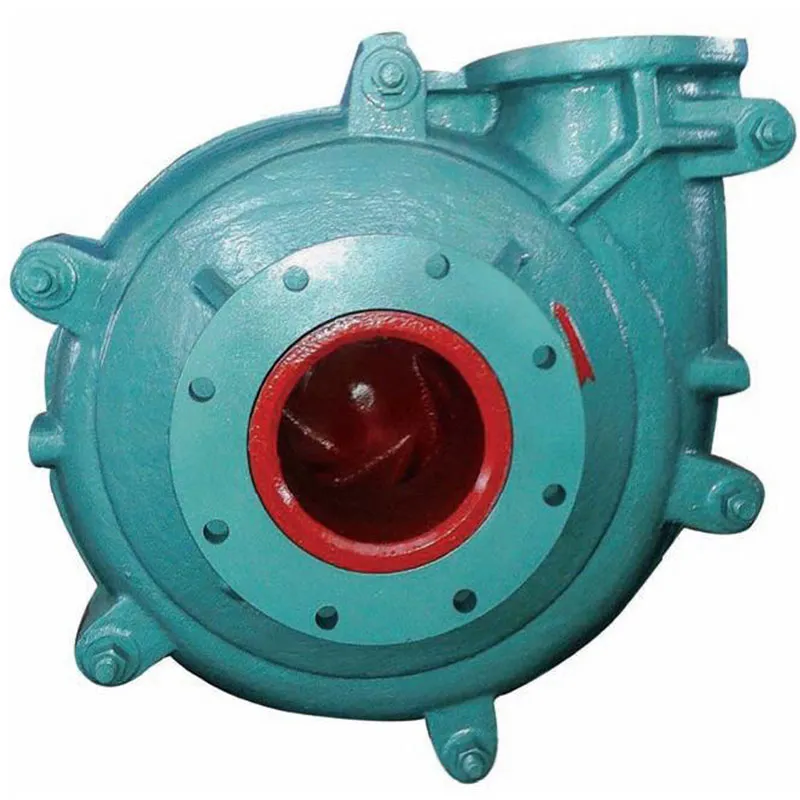
Figure 1: High-performance centrifugal slurry pump in operation, demonstrating robust design.
Technical Specifications & Performance Parameters
Understanding the technical parameters of centrifugal slurry pumps is crucial for selecting the optimal equipment for a given application. These pumps are designed with specific hydraulic and mechanical features to handle abrasive and high-density slurries efficiently. Key components include the robust casing, wear-resistant impeller (often open or semi-open), heavy-duty shaft, bearing assembly, and specialized sealing arrangements (gland packing or mechanical seals).
For instance, the M, AH, and HH series horizontal slurry pumps are engineered to cover a wide spectrum of duties. The AH series is a heavy-duty model suitable for highly abrasive, high-density slurries in mining and mineral processing. The M series is designed for medium-duty applications, while the HH series excels in high-head, high-pressure scenarios, often required for long-distance slurry transport.
Typical Product Specifications: M, AH, HH Model Slurry Pumps
| Parameter | AH Model (Heavy Duty) | M Model (Medium Duty) | HH Model (High Head) |
|---|---|---|---|
| Discharge Diameter | 25mm - 450mm | 25mm - 300mm | 50mm - 250mm |
| Flow Rate (Max) | 5400 m³/h | 3600 m³/h | 900 m³/h |
| Head (Max) | 90 m | 60 m | 100 m+ |
| Max. Solid Passage | Up to 80mm | Up to 60mm | Up to 40mm |
| Wet End Materials | High Chrome Alloy (A05, A07), Natural Rubber, Polyurethane | High Chrome Alloy (A05), Natural Rubber | High Chrome Alloy (A05, A49) |
| Sealing Options | Gland Packing, Mechanical Seal, Expeller Seal | Gland Packing, Mechanical Seal | Gland Packing, Mechanical Seal |
| Drive Type | V-belt, Direct Coupling, Gearbox | V-belt, Direct Coupling | V-belt, Direct Coupling |
These specifications highlight the versatility of horizontal slurry pumps, emphasizing their capacity to handle varying slurry densities and particle sizes, ensuring optimal operational efficiency and durability.
Application Scenarios & Real-World Experience
The robust design and specialized materials of centrifugal slurry pumps make them indispensable across a wide array of heavy industries where abrasive, corrosive, or high-density slurries must be managed. Their operational flexibility allows them to excel in diverse and challenging environments.
- Mining and Mineral Processing: This is arguably the largest application area. Slurry pumps are crucial for transporting ore concentrates, tailings, and process water in operations involving iron ore, gold, copper, coal, and phosphates. They handle slurries with high solid content and large particle sizes, essential for flotation circuits, cyclones, and filtration feed.
- Power Generation: Used extensively in thermal power plants for ash handling (fly ash, bottom ash), flue gas desulfurization (FGD) systems, and lime slurry transfer. The ability to manage abrasive ash slurries and corrosive lime slurries is vital for environmental compliance and plant efficiency.
- Metallurgy: In steel mills and non-ferrous smelters, these pumps handle slag granulation, acid wash slurries, and other corrosive chemical mixtures involved in metal extraction and refining. A common application involves the transfer of molten slag granules mixed with water.
- Chemical Processing: While typically known for highly abrasive duties, specialized rubber lined pump variants are used for corrosive chemical slurries, acid solutions with suspended solids, and other aggressive process streams where metallic components would quickly degrade.
- Dredging and Sand & Gravel: Large-scale centrifugal sludge pump systems are employed in dredging operations for river, lake, and sea bed maintenance, as well as in sand and gravel extraction, where large volumes of abrasive solids are pumped over significant distances.
- Industrial Wastewater: Used for pumping industrial effluents containing various suspended solids, grit, and sludge, ensuring compliance with environmental regulations and maintaining plant hygiene.
Customer Feedback Insight: "Our copper mine faced persistent issues with premature wear in our tailings pumps, leading to frequent downtime. Switching to a high-chrome alloy centrifugal slurry pump extended our pump liner life by over 50%, significantly reducing maintenance costs and increasing our operational uptime. The initial investment was quickly offset by these savings." This feedback underscores the tangible benefits of choosing correctly specified, high-quality pumps.
Technical Advantages and Performance Differentiation
The competitive edge of leading centrifugal slurry pumps lies in their distinct technical advantages, which translate directly into enhanced operational efficiency, reduced total cost of ownership (TCO), and superior reliability.
- Exceptional Wear Resistance: Advanced materials such as high-chrome white iron alloys (e.g., A05, A07, A49) and premium elastomers (natural rubber, polyurethane) provide superior resistance to abrasive wear and impact. This drastically extends the service life of wet-end components, minimizing replacement frequency and maintenance labor. The choice between metal and rubber lining (as offered by a specialized rubber slurry pump factory) depends on the specific slurry's abrasiveness and particle characteristics.
- Hydraulic Efficiency: Modern hydraulic designs, featuring optimized impeller geometries and casing volutes, minimize turbulence and friction losses. This leads to higher energy efficiency, reducing power consumption and operational costs significantly. A well-designed centrifugal sludge pump can yield considerable energy savings over its lifetime.
- Modular Design for Easy Maintenance: Many advanced horizontal slurry pumps feature a modular design, allowing for quick and straightforward replacement of wear parts like impellers, liners, and shaft seals. This reduces downtime for maintenance, translating into higher availability and productivity.
- Corrosion Resistance: For applications involving corrosive slurries, specialized alloys and rubber lined pump components are employed. The ability to resist chemical attack alongside abrasion ensures the pump's longevity in challenging chemical processing and ash handling environments.
- Robust Bearing Assemblies: Heavy-duty, oversized bearing assemblies are designed to withstand high radial and axial loads inherent in slurry pumping. This design choice contributes to longer bearing life and overall pump reliability, reducing the risk of premature failure.
- Versatile Sealing Options: A range of sealing solutions—expeller seals, gland packing, and various mechanical seal configurations—are available to suit specific application requirements, ensuring leak-free operation and environmental compliance.
These advantages collectively position high-quality centrifugal slurry pumps as a strategic investment for industries seeking to optimize their slurry handling operations.
Vendor Comparison and Customization Solutions
Selecting the right supplier for centrifugal slurry pumps requires a comprehensive evaluation beyond just initial cost. Leading centrifugal slurry pump manufacturers differentiate themselves through a combination of product quality, engineering expertise, customization capabilities, and post-sales support.
Key Differentiators Among Manufacturers
| Feature/Aspect | Standard Vendor Offering | Leading Manufacturer Advantage |
|---|---|---|
| Material Science | Basic high-chrome iron, limited rubber options. | Proprietary alloys (e.g., A05, A07, A49), advanced elastomers, rubber slurry pump factory expertise for specialized rubber lining. |
| Hydraulic Design | Standard impeller designs, moderate efficiency. | FEA-optimized impeller and volute designs for peak efficiency and reduced wear. |
| Customization | Limited options (e.g., motor size change). | Tailored wet-end materials, specific impeller designs, custom sealing arrangements, drive modifications, baseplate design. |
| Engineering Support | Basic selection tools, reactive troubleshooting. | Proactive application engineering, site assessments, system optimization, performance guarantees. |
| After-Sales Service | Spare parts availability, basic repair. | Global service network, preventative maintenance contracts, training, remote monitoring (IoT integration). |
Customized Solutions: True expertise in centrifugal slurry pumps extends to offering bespoke solutions. Every slurry application is unique, characterized by varying particle sizes, densities, viscosities, and chemical compositions. A reputable manufacturer will engage in a detailed analysis of these factors, alongside system requirements such as head, flow rate, and duty cycle. This analysis informs the selection of:
- Optimized Wet-End Materials: Tailoring specific high-chrome alloys or elastomer compounds (e.g., natural rubber for fine, abrasive particles; polyurethane for specific chemical resistance) for impellers, volutes, and liners.
- Impeller Design Modifications: Adjusting vane geometry, number of vanes, or clearance for specific solids handling capabilities or efficiency curves.
- Sealing Arrangements: Recommending and implementing the most appropriate shaft seal—gland packing with flush water, expeller seals for minimal dilution, or various mechanical seal types—based on operational conditions and environmental concerns.
- Drive System Integration: Custom baseplate designs, motor selections, and coupling arrangements to seamlessly integrate with existing plant infrastructure and power supply.
This tailored approach ensures that the installed centrifugal slurry pump delivers maximum performance, efficiency, and longevity, reducing the total cost of ownership and enhancing operational reliability.
Application Case Studies & Proven Performance
The effectiveness of centrifugal slurry pumps is best illustrated through real-world applications where they have delivered measurable improvements in efficiency, uptime, and cost savings. These case studies highlight the practical benefits of advanced pump technology and expert application engineering.
Case Study 1: Iron Ore Beneficiation Plant
Challenge: A large iron ore mine was experiencing frequent failures of their competitor's horizontal slurry pumps in the primary cyclone feed, handling highly abrasive iron ore concentrate slurry (70% solids by weight, D80 of 200 µm). Downtime for wear part replacement was impacting production targets.
Solution: Implemented an AH-series centrifugal slurry pump with A05 high-chrome alloy wet-end parts, optimized for severe abrasion. The pump's larger shaft and bearing assembly provided enhanced stability.
Result: Wear part life increased by 85%, reducing annual maintenance costs by an estimated $150,000. Overall plant uptime improved by 7%, leading to a significant increase in ore processing capacity and a rapid return on investment (ROI) within 18 months.
Case Study 2: Thermal Power Plant Ash Handling
Challenge: A coal-fired power plant's flue gas desulfurization (FGD) system relied on a centrifugal sludge pump that struggled with corrosive and mildly abrasive gypsum slurry, leading to excessive energy consumption and frequent liner failures.
Solution: A customized M-series rubber lined pump was installed. The natural rubber lining provided excellent resistance to the mild abrasion and corrosive nature of the gypsum slurry. The pump's hydraulically efficient design also ensured optimized power usage.
Result: Energy consumption for slurry transfer was reduced by 22% due to improved hydraulic efficiency. Liner life extended by 110%, cutting down on spare parts inventory and labor costs. The pump's stable operation also reduced noise and vibration, improving working conditions.
Trust & Reliability: FAQ, Lead Time, Warranty, & Support
Establishing trust is paramount in B2B relationships. Our commitment to quality, transparency, and comprehensive support ensures that our partners receive not just a product, but a complete solution for their centrifugal slurry pumps needs.
Frequently Asked Questions (FAQ)
Q: How do I select the correct centrifugal slurry pump for my application?
A: Selection depends on slurry characteristics (density, particle size, corrosivity), required flow rate and head, and site-specific conditions. Our engineering team provides detailed consultation and selection software to ensure optimal pump sizing and material selection.
Q: What is the typical service life of wear parts?
A: Service life varies significantly based on slurry abrasiveness, pump speed, and operating conditions. With proper selection and maintenance, our wear parts are designed for extended life, often exceeding industry averages. For specific estimates, our technical support can analyze your operational data.
Q: Are spare parts readily available?
A: Yes, we maintain a comprehensive inventory of genuine spare parts for all M, AH, and HH model slurry pumps. Our global distribution network ensures timely delivery to minimize downtime, often backed by a dedicated rubber slurry pump factory for specific lining needs.
Lead Time & Fulfillment
Standard horizontal slurry pumps and common configurations typically have a lead time of 4-8 weeks from order confirmation, depending on current production schedules. Highly customized solutions or very large-scale projects may require 10-16 weeks. We work closely with clients to plan delivery schedules that align with their project timelines, with options for expedited manufacturing where feasible.
Warranty Commitments
All our centrifugal slurry pumps are backed by a standard 12-month warranty from commissioning or 18 months from shipment, whichever comes first, covering manufacturing defects and material failures under normal operating conditions. Extended warranty options and service agreements are available for added peace of mind.
Customer Support & After-Sales Service
Our commitment extends beyond the sale. We offer comprehensive after-sales support including:
- Technical Assistance: 24/7 technical hotline and online support for troubleshooting and operational queries.
- On-Site Support: Experienced field service engineers available for installation supervision, commissioning, and routine maintenance checks.
- Training Programs: Customized training for client's operational and maintenance staff to ensure safe and efficient pump operation.
- Performance Optimization: Regular assessments to ensure pumps continue to perform at peak efficiency, offering recommendations for upgrades or adjustments.
Conclusion
The selection and implementation of advanced centrifugal slurry pumps are pivotal for the operational success of industries dealing with abrasive and corrosive slurries. By understanding the intricate manufacturing processes, adhering to stringent quality standards, and leveraging expert application knowledge, businesses can achieve unparalleled efficiency, reliability, and cost-effectiveness. Investing in high-quality pumps, coupled with comprehensive after-sales support and customized solutions, ensures long-term performance and contributes significantly to sustainable industrial operations.
Authoritative References
- ISO 9906:2012. Rotodynamic pumps — Hydraulic performance acceptance tests — Grades 1, 2 and 3. International Organization for Standardization.
- ANSI/HI 1.6-2020. Rotodynamic (Centrifugal) Slurry Pumps for Nomenclature, Definitions, Applications, and Operation. Hydraulic Institute.
- Journal of Mining Science and Technology (China), Vol. 30, Issue 5, September 2020, Pages 637-646: "Research on Wear Mechanism and Service Life Prediction of Slurry Pump Wet Parts."
- Mining Engineering, Society for Mining, Metallurgy & Exploration (SME), "Advances in Slurry Pumping Technology for Sustainable Mining Operations." Various issues.
-
Find the Best Industrial Martillo a la Venta for Professional Needs
NewsApr.16,2026
-
Technical Guide for Herramientas de Perforación Subterránea PDF
NewsApr.09,2026
-
Comprehensive Guide to Underground Drilling Tools Herramientas de Perforación Subterráneas
NewsApr.07,2026
-
Comprehensive Guide to Underground Drilling Tools herramientas de perforación subterránea
NewsApr.04,2026
-
Finding Reliable Proveedores de Compresores de Aire Diesel for Your Industry Needs
NewsMar.31,2026
-
Comprehensive Guide to Diesel Air Compressors and Miningzy Fábrica de Compresores de Aire Diesel
NewsMar.28,2026