tel

86-311-8525-8258

0%

Table of Contents

Look, I’ve spent the last fifteen years knee-deep in concrete, dust, and the real-world challenges of getting things built. When it comes to moving abrasive materials, especially sand slurries, you quickly learn what works and what doesn’t. A sand slurry pump isn’t just a piece of machinery; it’s the backbone of a lot of projects, from dredging operations to mine tailings management and even concrete production. The reliability of that pump directly impacts schedules, budgets, and frankly, people’s safety. It's a critical component that's often underestimated until it fails.

We're seeing increasing demands on infrastructure, coupled with tighter environmental regulations. That means more dredging for navigation, more responsible disposal of mining byproducts, and a constant push for efficiency. The old, clunky pumps just can’t keep up. They’re prone to wear, require constant maintenance, and ultimately become a bottleneck. This is where the advancements in sand slurry pump technology become absolutely essential. We need pumps that can handle higher concentrations of solids, operate efficiently, and minimize downtime.

And it's not just about performance. The cost of ownership – including energy consumption, spare parts, and labor – has to be factored in. Projects are being scrutinized more than ever, so every penny counts. That’s why I’ve become a firm believer in focusing on total cost of ownership, not just the initial purchase price, when selecting a sand slurry pump.
Optimizing Performance and Reliability of Sand Slurry Pumps for Diverse Applications

Understanding Sand Slurry Pump Applications

Optimizing Performance and Reliability of Sand Slurry Pumps for Diverse Applications

From what I've seen on sites, a sand slurry pump is fundamentally about moving materials that are a mix of solids and liquids. This isn't limited to just sand; it includes everything from gravel and silt to mine tailings and even industrial waste. The applications are incredibly diverse, impacting industries like construction, mining, dredging, wastewater treatment, and power generation. You need to understand what you’re pumping to select the right pump.

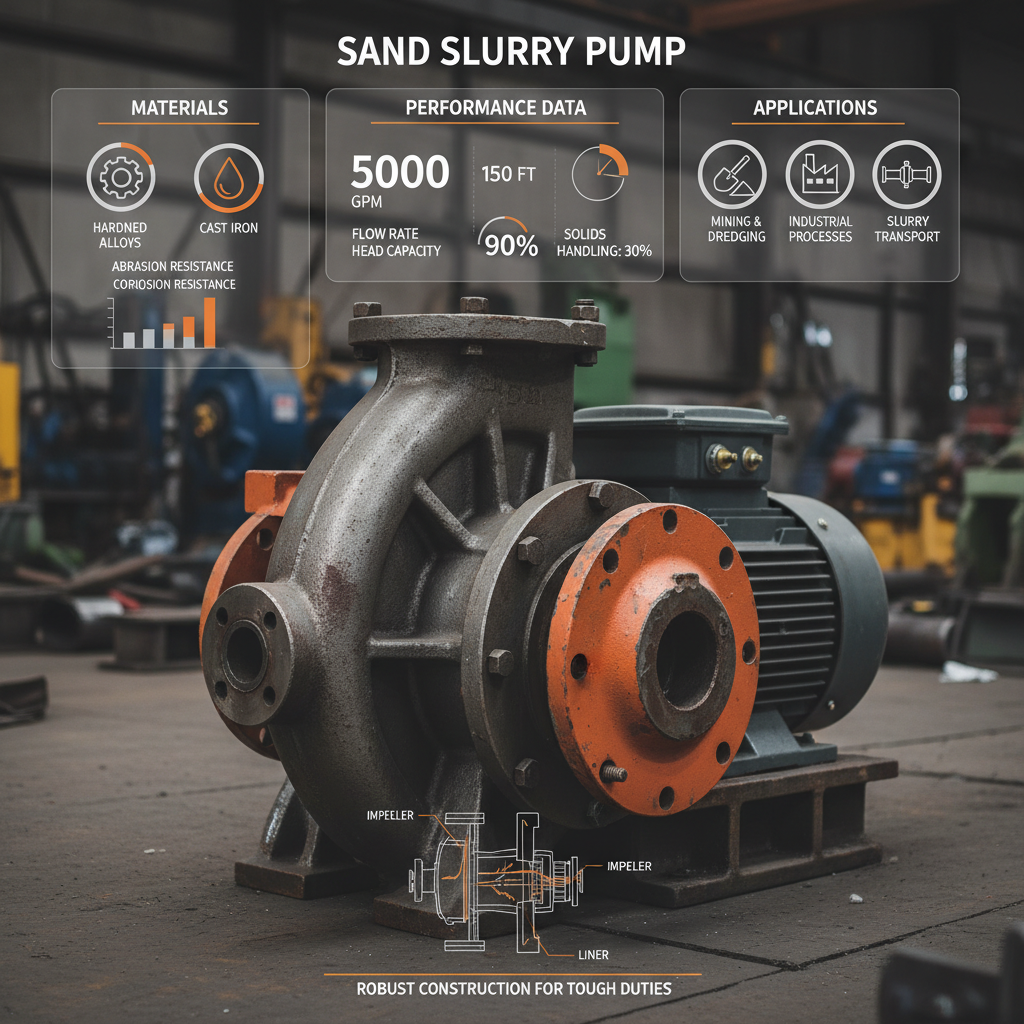
Different materials have different abrasive qualities and densities. A pump designed for fine silica sand won’t necessarily hold up to the wear and tear of pumping coarse gravel. That’s why proper material selection in the pump's construction – liners, impellers, casing – is so critical for longevity and reducing maintenance costs.

Defining Sand Slurry Pumps and Their Role

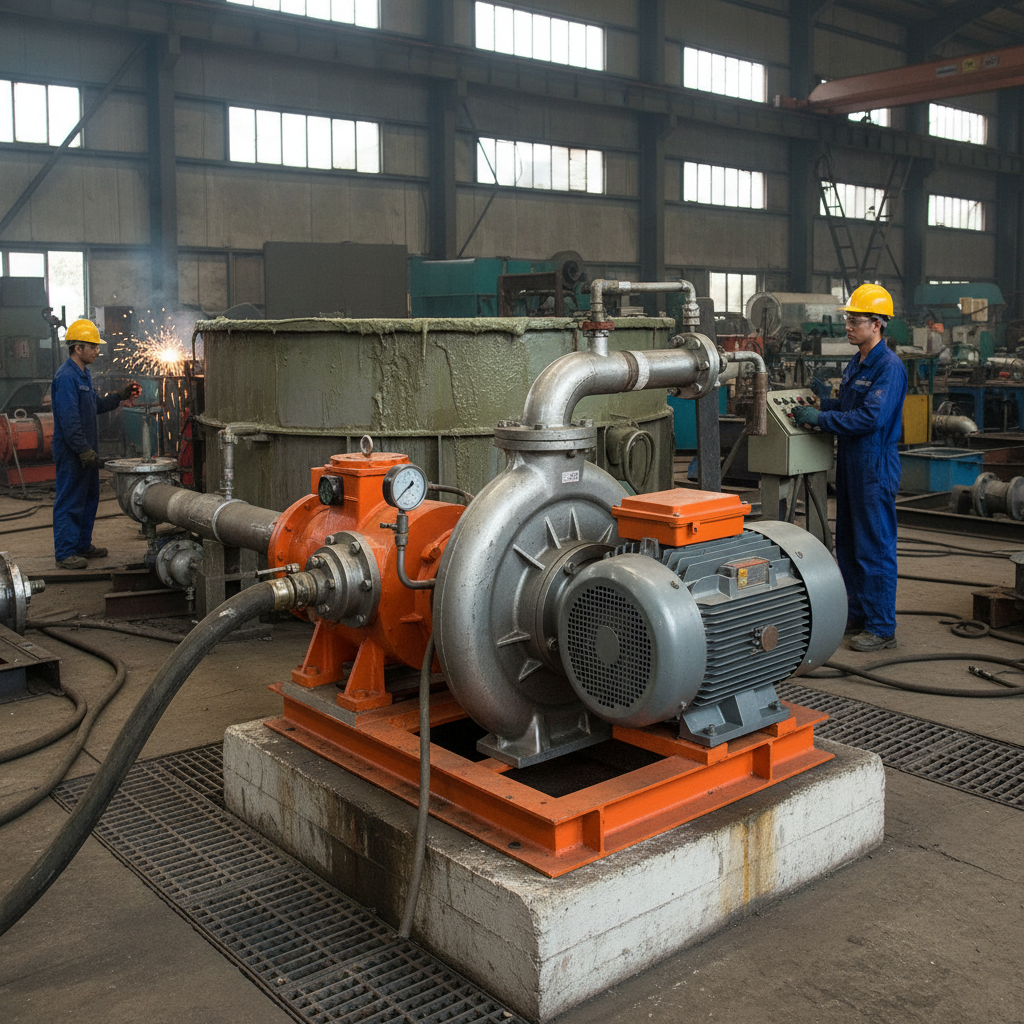
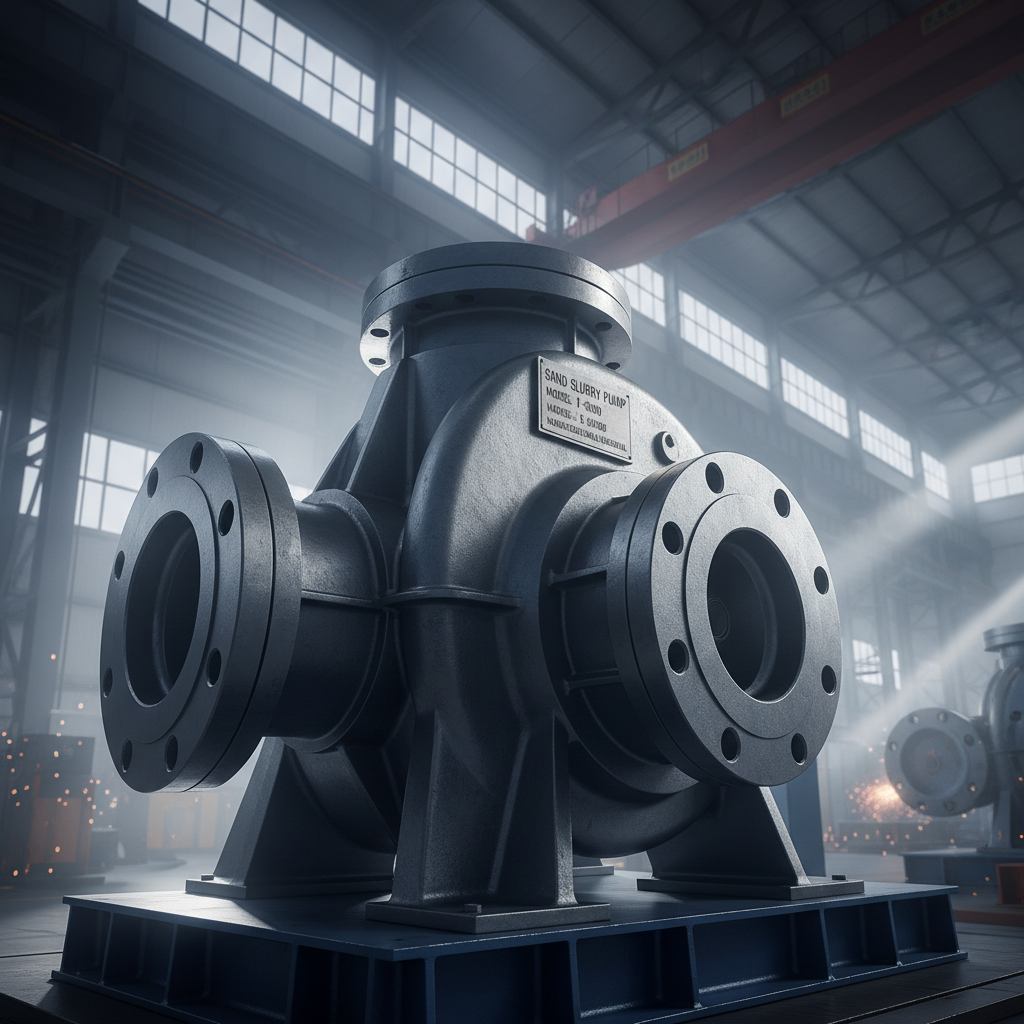
Simply put, a sand slurry pump is designed to efficiently move mixtures of solids and liquids. It's not your standard water pump; it's built to withstand the abrasive nature of these slurries. These pumps typically employ robust designs and materials to handle the constant impact and wear caused by suspended solids. They often utilize specific impeller designs to maintain efficiency even with high solid concentrations.

In modern industry, these pumps are crucial for maintaining continuous processes. Downtime isn’t an option. If the slurry can't move, production stops. In humanitarian contexts, they're essential for dredging waterways for irrigation and sanitation, and for managing sediment in disaster relief efforts.

Think of a concrete plant - they rely on these pumps to move the cement, sand, and water mixture efficiently. Or consider a dredge maintaining a shipping channel – it's a sand slurry pump that's making that possible. It’s a deceptively simple concept with incredibly far-reaching implications.

Key Components of Effective Sand Slurry Pumps

Durability is paramount. The materials used in a sand slurry pump – high-chrome iron, specialized rubbers, even ceramics – directly impact its lifespan. You want components that can withstand constant abrasion and erosion. I've seen pumps with inadequate liners fail within months, while others with the right materials run for years with minimal issues.

The impeller design is critical. A well-designed impeller maximizes efficiency and minimizes wear. Different impeller types – open, semi-open, closed – are suited for different slurry characteristics. An open impeller is better for slurries with large solids, while a closed impeller is more efficient with cleaner slurries.

Seal integrity is also a big one. Leaks not only lead to material loss but also create safety hazards and environmental concerns. Modern mechanical seals are significantly more reliable than older designs, but proper installation and maintenance are still crucial.

Global Applications and Use Cases of Sand Slurry Pumps

We’re seeing huge demand in dredging operations worldwide, particularly in Asia and the Middle East where they’re expanding ports and waterways. These pumps are vital for removing sediment and maintaining navigable channels. The sheer volume of material they move is staggering.

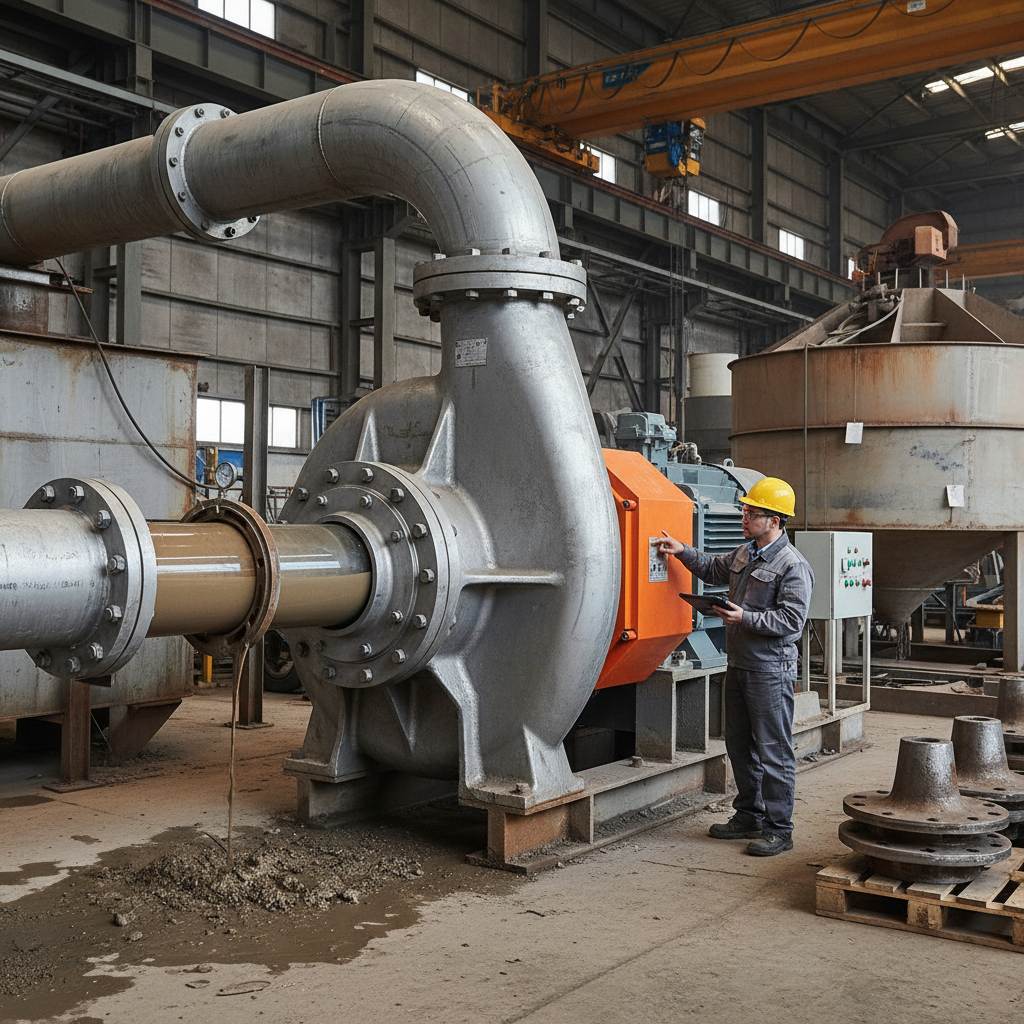
Mining is another massive sector. Sand slurry pumps are used extensively in tailings management, moving the waste byproducts from mining operations to designated storage facilities. Responsible tailings management is increasingly important due to environmental regulations and the risk of catastrophic failures.

Sand Slurry Pump Performance by Method


Advantages and Long-Term Value Proposition

Investing in a high-quality sand slurry pump means minimizing downtime and maximizing productivity. That translates directly into cost savings. We're talking about reduced maintenance, lower energy consumption, and fewer unexpected repairs.

From a sustainability perspective, these pumps can play a role in responsible resource management. Efficient tailings management, for example, reduces environmental impact and minimizes the risk of contamination. Choosing pumps with energy-efficient designs also contributes to a smaller carbon footprint.

Future Trends and Innovations in Sand Slurry Pump Technology

We're starting to see more pumps with integrated sensors and data analytics capabilities. This allows for predictive maintenance, identifying potential issues before they lead to failures. It’s a game-changer for reducing downtime and optimizing performance.

New materials are also being developed – advanced ceramics and polymers – that offer even greater abrasion resistance and longer lifespans. And there’s a growing focus on developing more energy-efficient pump designs to reduce operating costs and environmental impact.

Digital twins, mirroring the pump’s performance in a virtual environment, will become commonplace, enabling remote monitoring and optimized control.

Challenges and Solutions in Sand Slurry Pump Operation

A common challenge is dealing with fluctuating slurry characteristics. The concentration of solids can change, the particle size can vary, and the slurry's viscosity can shift. This can put a strain on the pump and reduce its efficiency. The solution is to select a pump that's designed to handle a wide range of slurry conditions.

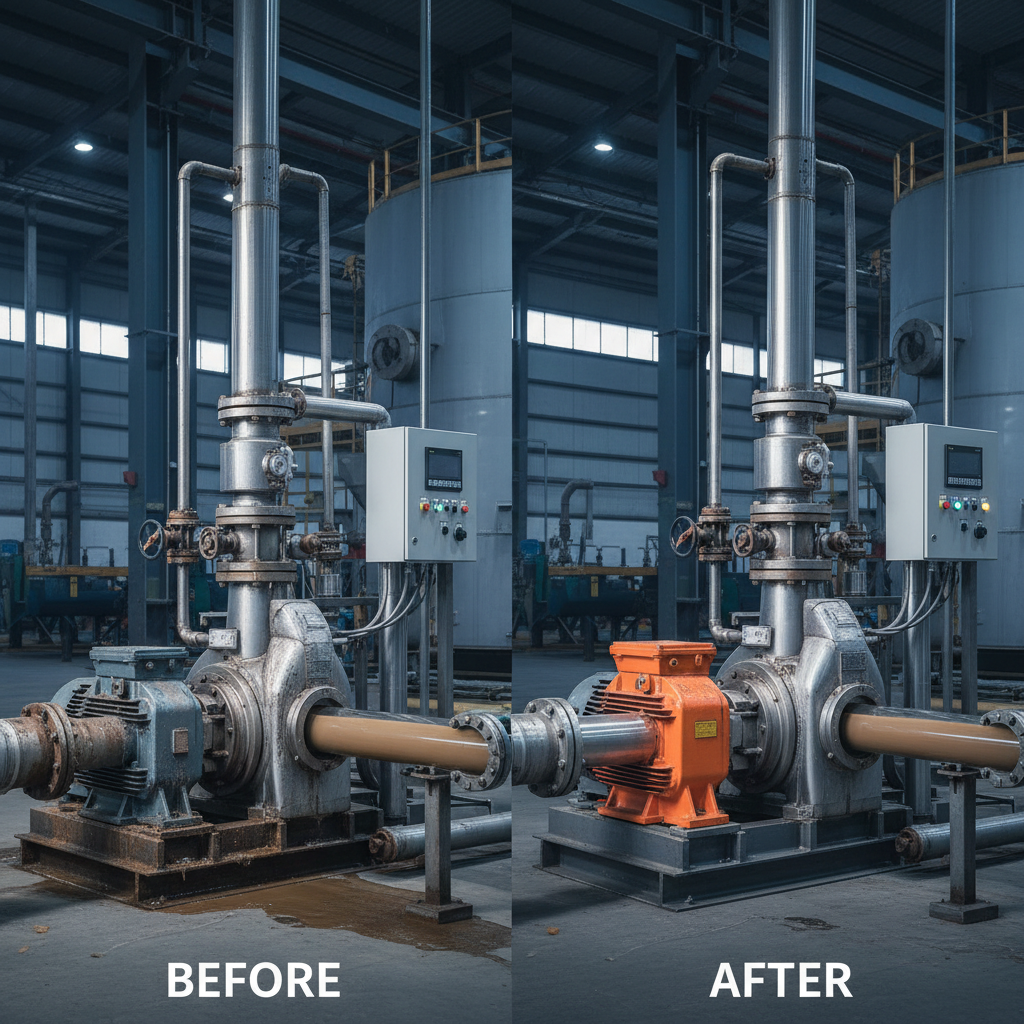
Another issue is wear and tear. Even with the best materials, pumps will eventually wear out. Regular inspections and preventative maintenance are crucial for extending the pump's lifespan. Having a readily available supply of spare parts is also essential.

Proper pump sizing is critical. An undersized pump will be overworked and prone to failure, while an oversized pump will be inefficient and consume unnecessary energy. Detailed site analysis and accurate slurry characterization are essential for selecting the right pump.

Summary of Sand Slurry Pump Challenges and Solutions

Challenge Impact on Operations Solution Implementation Cost (1-10)
Fluctuating Slurry Conditions Reduced Pump Efficiency, Increased Wear Select Pump for Wide Range of Conditions 6
Abrasive Wear of Components Shorter Pump Lifespan, Frequent Repairs Utilize Abrasion-Resistant Materials 8
Seal Failures & Leakage Material Loss, Safety & Environmental Hazards Modern Mechanical Seals, Proper Installation 7
Improper Pump Sizing Reduced Efficiency, Premature Failure Accurate Slurry Analysis & Pump Selection 5
Lack of Preventative Maintenance Unexpected Downtime, Increased Repair Costs Regular Inspections, Scheduled Maintenance 4
Insufficient Spare Parts Prolonged Downtime During Repairs Maintain Inventory of Critical Spares 5

FAQS

What are the key factors to consider when selecting a sand slurry pump for a dredging application?

For dredging, you need to consider the specific gravity of the material being dredged, the distance it needs to be pumped, and the presence of any abrasive particles. The pump's impeller type is crucial – a high-head, high-volume pump is often required. Also, think about the pump’s ability to handle entrained air, as dredging often involves sucking air along with the slurry. Material selection for the pump casing and impeller is paramount due to the abrasive nature of dredged materials.

How can I extend the lifespan of my sand slurry pump?

Regular inspections are key. Check for wear on the impeller, liners, and seals. Implement a preventative maintenance schedule, including lubrication and replacement of worn parts. Monitor the slurry composition and adjust pump operation accordingly. Avoid running the pump dry, as this can cause significant damage. And finally, ensure proper alignment to minimize vibration and wear.

What is the difference between a centrifugal and a positive displacement sand slurry pump?

Centrifugal pumps are more common for high-volume, low-to-medium head applications. They're generally more efficient and easier to maintain. Positive displacement pumps are better suited for high-head, low-volume applications, and can handle more viscous slurries. They tend to be more expensive and require more maintenance, but offer better control over flow rate.

What are the common causes of pump failure in sand slurry applications?

Abrasive wear is a major culprit. Also, improper operation - like running the pump dry or exceeding its design limits – can lead to failures. Cavitation, caused by low suction pressure, can damage the impeller. And finally, seal failures can result in leakage and pump malfunction. Regular monitoring and preventative maintenance can mitigate these risks.

How does the impeller material affect pump performance?

The impeller material is crucial for wear resistance. High-chrome iron is a common choice for abrasive slurries, offering good hardness and durability. Rubber impellers are better suited for handling larger particles and reducing noise. Ceramic impellers provide exceptional wear resistance but are more brittle. Selecting the right material depends on the specific characteristics of the slurry being pumped.

What are the latest advancements in sand slurry pump energy efficiency?

Manufacturers are now focusing on hydraulic optimization, reducing friction losses within the pump. Variable frequency drives (VFDs) allow you to adjust the pump's speed to match the demand, saving energy. Also, improved impeller designs and tighter tolerances contribute to higher efficiencies. Look for pumps with energy-efficient certifications.

Conclusion

In conclusion, the sand slurry pump is a critical component in a vast range of industries, playing a vital role in everything from infrastructure development to responsible resource management. Understanding its core principles, key components, and emerging trends is crucial for anyone involved in projects involving abrasive materials. Choosing the right pump, coupled with a robust maintenance program, is essential for maximizing efficiency, minimizing downtime, and ensuring long-term cost savings.

Looking ahead, we'll see continued innovation in materials, pump designs, and data-driven optimization. Embracing these advancements will be key to meeting the growing demands for sustainable and efficient slurry handling solutions. Don’t just buy a pump; invest in a solution that will deliver reliability and value for years to come. For expert advice and a comprehensive range of sand slurry pump solutions, visit our website: www.miningzy.com


Daniel Wilson

Daniel Wilson

Daniel Wilson is Zen Young Technology's Air Compressor Product Manager. He’s responsible for the development and promotion of the company’s full-range compressed air solutions, emphasizing reliability and ease of maintenance. Daniel focuses on integrating comprehensive monitoring systems into the compressors, improving operational efficiency. He recently analyzed market trends in industrial
Previous Optimizing Industrial Processes Through Efficient Pumping Slurry Solutions
Next Optimizing Performance with High Density Slurry Pumps for Efficient Operations
slurry pump companies

Zen Young Technology Hebei Co., Ltd. Specialized in Slurry pump solutions, Foundry OEM services, Drilling rigs and drilling tools, and Air compressors for world wide industries of mining, metallurgy, municipal construction, power, dredging, petrochemical, etc.

Copyright © 2026 Zen Young Technology Hebei Co.,Ltd. All Rights Reserved. Sitemap | Privacy Policy | Top Blog | Global Service


tel
mailto
phone
goTop