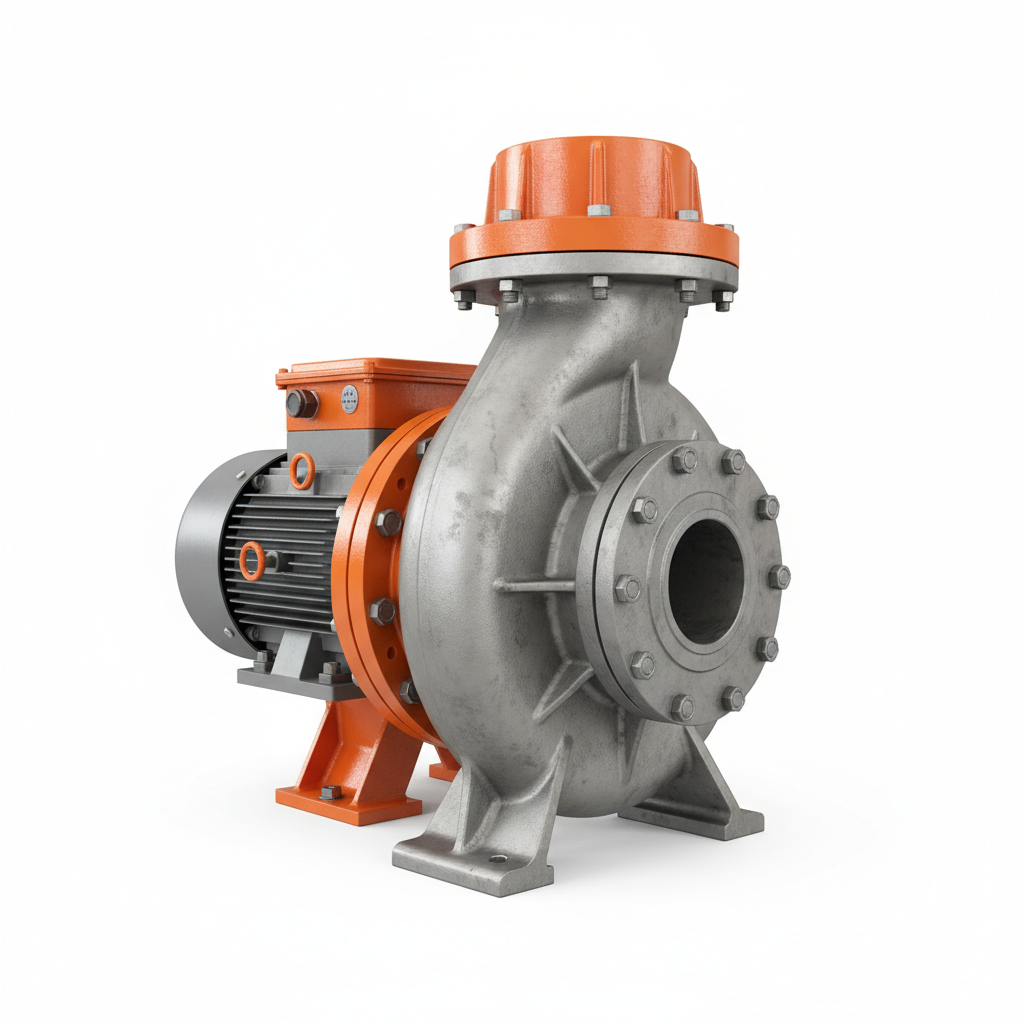
Slurry pump solutions are crucial for efficiently transporting abrasive and dense fluids across a multitude of industries, playing a vital role in everything from mining and wastewater treatment to chemical processing and agriculture. These specialized pumps are engineered to handle mixtures of liquids carrying solids – the ‘slurry’ – which standard pumps often can’t manage without rapid wear and failure. The global demand for efficient and reliable slurry handling is constantly increasing, driven by infrastructure development and growing environmental concerns.
The importance of slurry pump solutions extends beyond mere operational efficiency. They are intrinsically linked to cost reduction, environmental protection, and workplace safety. Choosing the right slurry pump solution can significantly minimize downtime, reduce maintenance costs, and prevent environmental spills. Furthermore, advances in pump technology are focusing on energy efficiency, minimizing the carbon footprint of industrial processes. This makes informed selection and robust implementation paramount for sustainable operations.
Understanding slurry pump solutions isn't just for engineers; it's relevant to stakeholders across various sectors. From project managers seeking optimal solutions for new facilities to environmental regulators enforcing discharge standards, a foundational knowledge of these systems is increasingly valuable. Investing in the correct slurry pump technology translates to long-term operational savings, environmental responsibility, and a competitive advantage in a rapidly evolving industrial landscape. For further insight, explore slurry pump solutions.
The Global Significance of Slurry Pump Solutions
Globally, the demand for efficient slurry handling is inextricably linked to major infrastructure projects and resource extraction. The UN estimates that global water demand will exceed supply by 40% by 2030, intensifying the need for effective wastewater treatment, a process heavily reliant on slurry pump technology. Mining operations, particularly in developing nations, contribute significantly to economic growth, yet generate substantial volumes of slurry that require responsible and efficient management.
According to the World Bank, investments in water and sanitation infrastructure in developing countries will necessitate robust slurry handling systems. ISO standards regarding environmental protection and waste management further drive the adoption of high-performance slurry pump solutions. Without reliable slurry handling, industries face increased operational costs, potential environmental liabilities, and even complete operational shutdowns. Finding the right slurry pump solutions is therefore critical.
Defining Slurry Pump Solutions
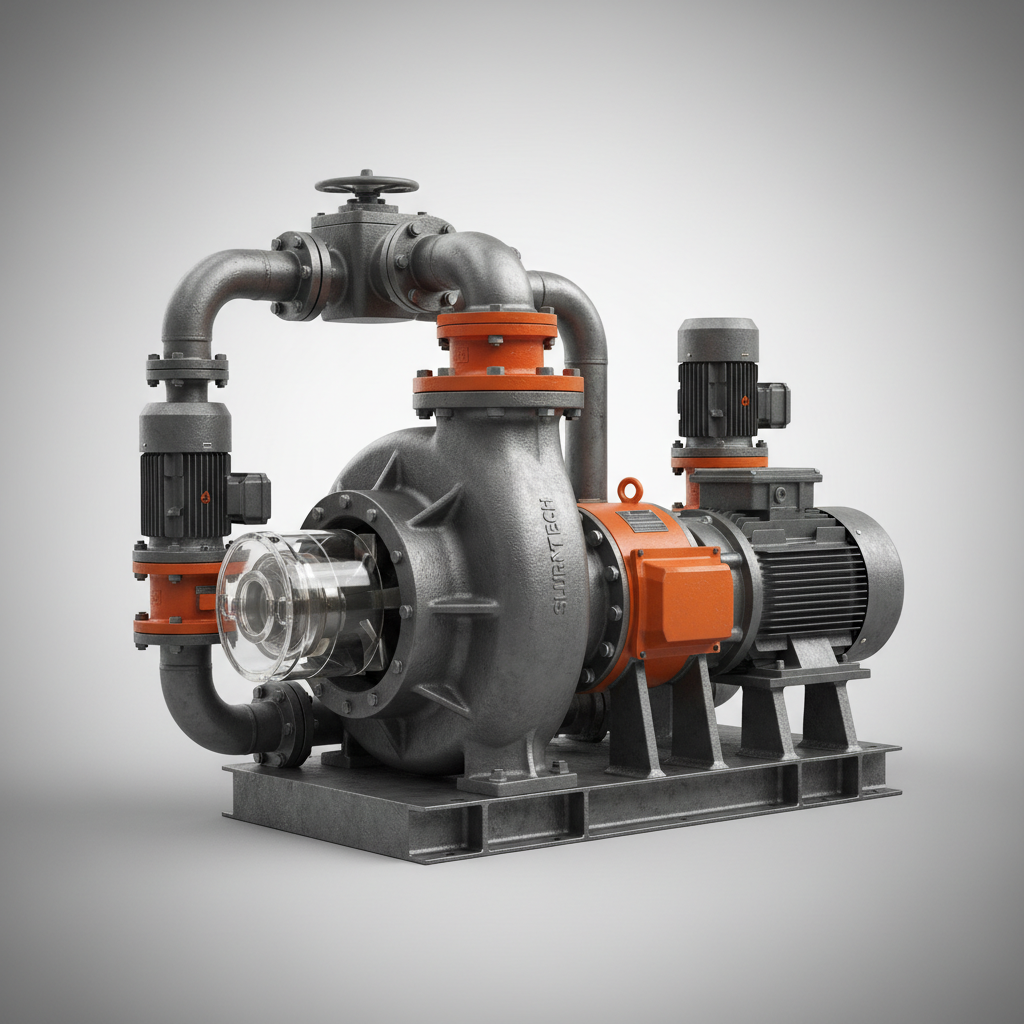
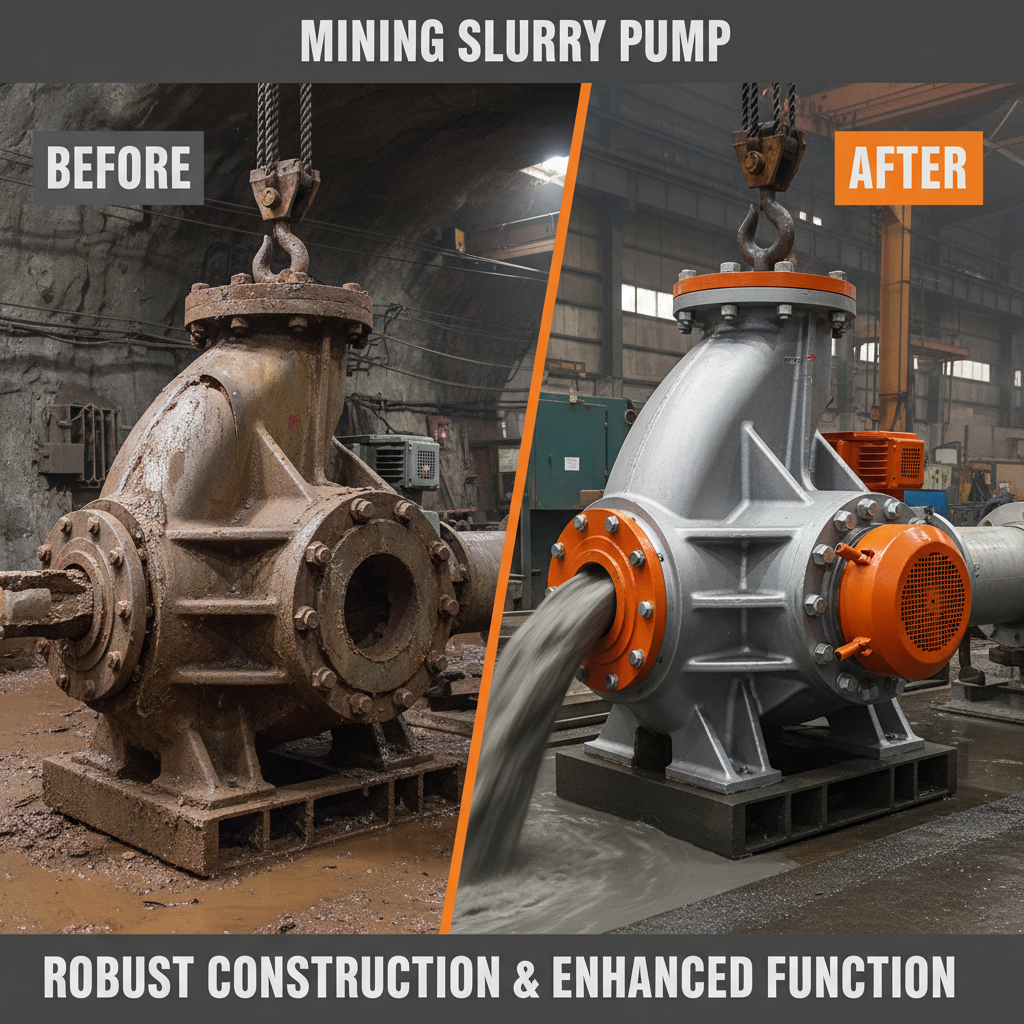
Slurry pump solutions encompass the design, manufacture, installation, and maintenance of pumps specifically engineered to handle slurries – mixtures of liquids and solid particles. Unlike standard centrifugal pumps, slurry pumps are built with features such as hardened impellers, abrasion-resistant linings, and robust sealing systems to withstand the corrosive and abrasive nature of these mixtures. This focus on durability and reliability is paramount.
These solutions extend beyond simply the pump itself; they encompass the entire system, including piping, valves, and control mechanisms designed to optimize slurry flow and minimize wear. Modern slurry pump solutions frequently integrate smart technologies, such as sensors and data analytics, to monitor performance, predict maintenance needs, and improve overall efficiency.
The connection to modern industry and humanitarian needs is profound. From transporting tailings in mining operations to managing dredged material in waterway maintenance and delivering vital fluids in disaster relief, slurry pumps are fundamental components of numerous critical processes. They are essential for sustainable resource management and improving quality of life.
Key Factors in Slurry Pump Performance
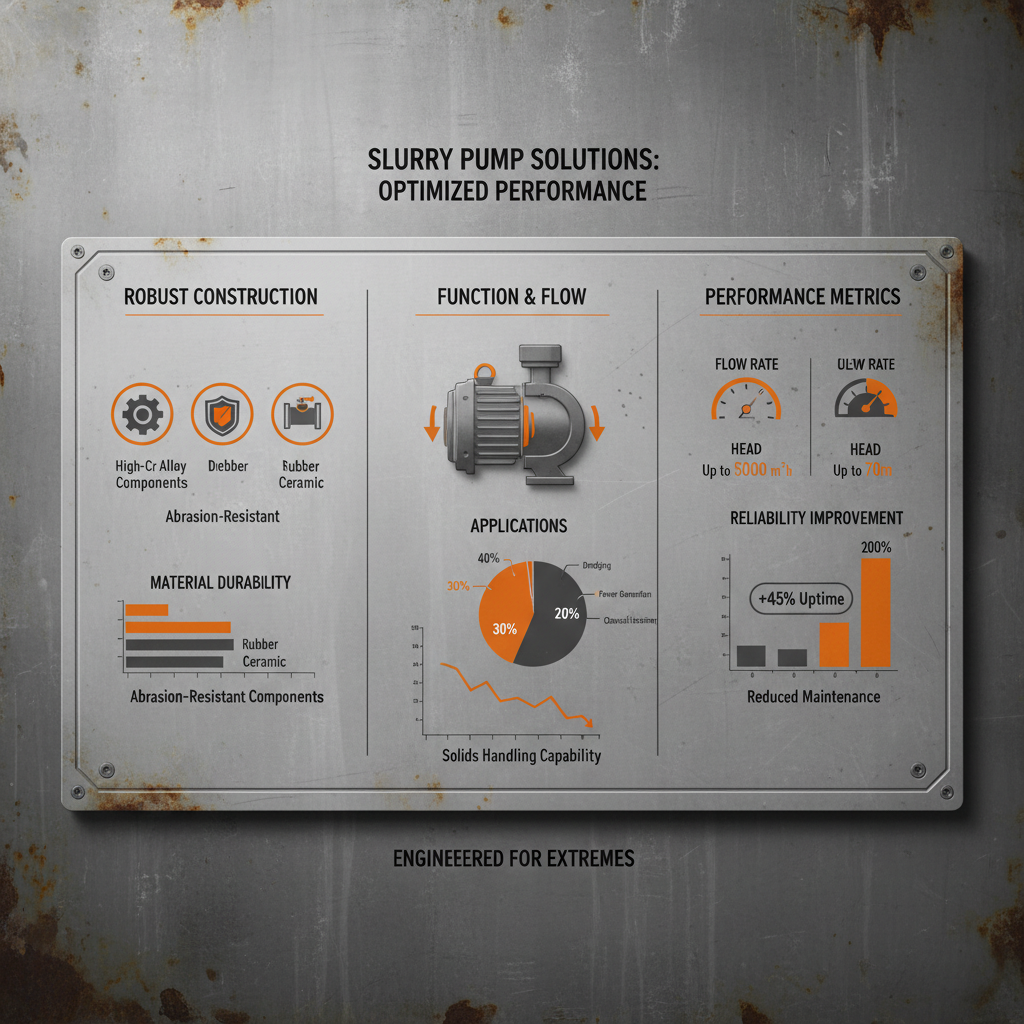
Several core components directly impact the performance of slurry pump solutions. Durability is paramount, dictating the pump’s lifespan and minimizing downtime. Materials of construction, such as high-chrome alloys and specialized elastomers, play a crucial role in resisting abrasion and corrosion. Selecting the right materials for the specific slurry composition is essential for maximizing pump longevity.
Flow Rate and Head represent the pump’s capacity and ability to move the slurry against pressure. Accurate assessment of these parameters, based on system requirements, is vital for efficient operation and preventing system bottlenecks. Incorrect sizing can lead to excessive wear, reduced efficiency, and costly repairs.
Solids Handling Capability dictates the maximum size and concentration of solids the pump can effectively transport. This parameter influences pump design, impeller geometry, and internal clearances. Energy Efficiency is increasingly important, driven by both economic and environmental considerations. Optimized hydraulic designs and variable frequency drives contribute to reduced energy consumption. Finally, Seal Integrity prevents leakage and ensures safe and environmentally responsible operation.
Applications and Industry Integration
Slurry pump solutions are indispensable across a wide spectrum of industries. In the mining sector, they are used extensively for transporting tailings, processing ore, and dewatering operations. In wastewater treatment plants, they handle sludge, grit, and other abrasive materials generated during the purification process. The chemical processing industry relies on slurry pumps for moving corrosive and abrasive chemical mixtures.
The power generation sector utilizes slurry pumps in flue gas desulfurization (FGD) systems to remove pollutants from exhaust gases. In agriculture, they are employed for irrigation and manure handling. Even in dredging and marine applications, slurry pumps play a vital role in moving sediment and maintaining navigable waterways.
Geographically, these solutions are deployed globally. In regions with extensive mining operations like Australia and South America, slurry pumps are a cornerstone of resource extraction. In densely populated urban areas like China and India, they are critical for wastewater management. In disaster relief operations worldwide, portable slurry pumps are used to quickly remove debris and restore essential services.
Slurry Pump Solution Method Comparison
Advantages and Long-Term Value Proposition
The advantages of implementing effective slurry pump solutions are multifaceted. Tangible benefits include reduced maintenance costs stemming from durable pump components, minimized downtime leading to increased productivity, and lower energy consumption through optimized hydraulic designs. The initial investment is often offset by these long-term operational savings.
Beyond the purely economic, slurry pump solutions contribute significantly to sustainability. By preventing leaks and spills, they safeguard the environment and protect local ecosystems. They also enhance workplace safety by reducing the risk of hazardous material exposure. Investing in reliable slurry handling demonstrates a commitment to responsible environmental stewardship and social responsibility. For exceptional slurry pump performance, consider slurry pump solutions.
Future Trends and Innovations
The future of slurry pump solutions is characterized by technological advancements and a growing emphasis on sustainability. The integration of Industry 4.0 principles, such as predictive maintenance powered by machine learning and real-time data analytics, is becoming increasingly prevalent. These technologies enable proactive identification of potential issues, minimizing downtime and maximizing pump lifespan.
Materials science is also driving innovation. The development of new alloys and coatings with enhanced abrasion resistance promises to further extend pump life and reduce maintenance requirements. Furthermore, research into energy-efficient pump designs and the utilization of variable frequency drives (VFDs) are contributing to lower energy consumption and reduced carbon footprints.
Challenges and Emerging Solutions
Despite advancements, several challenges remain in the field of slurry pump solutions. Handling highly abrasive and corrosive slurries continues to be a major hurdle, requiring specialized materials and designs. Maintaining seal integrity in challenging applications, such as high-pressure or high-temperature environments, can be complex.
Emerging solutions include the development of advanced ceramic materials with superior abrasion resistance, the implementation of magnetic drive pumps to eliminate seal failures, and the use of computational fluid dynamics (CFD) modeling to optimize pump designs for specific slurry characteristics. Additionally, remote monitoring and diagnostic capabilities are becoming more sophisticated, enabling proactive maintenance and minimizing disruptions.
Addressing these challenges requires a collaborative approach between pump manufacturers, engineers, and end-users. Sharing best practices, investing in research and development, and adopting innovative technologies are essential for pushing the boundaries of slurry pump performance.
Summary of Common Slurry Pump Challenges and Solutions
| Challenge |
Slurry Composition |
Impact on Pump Performance |
Potential Solutions |
| Abrasion |
High solids content, sharp particles |
Rapid wear of impeller and liners |
High-chrome alloys, ceramic liners |
| Corrosion |
Acidic or alkaline slurries |
Material degradation, leakage |
Stainless steel, specialized polymers |
| Seal Failure |
Abrasive particles, high pressure |
Leakage, contamination |
Magnetic drive pumps, advanced seal designs |
| Clogging |
Large solids, fibrous materials |
Reduced flow rate, pump blockage |
Open impeller designs, vortex pumps |
| Energy Consumption |
High viscosity, large flow rates |
Increased operating costs |
Variable frequency drives, optimized impeller design |
| Erosion |
High velocity slurry |
Material loss, reduced pump life |
Erosion-resistant coatings, reduced flow velocity |
FAQS
The lifespan of a slurry pump varies significantly based on operating conditions, the abrasiveness of the slurry, and the quality of materials used. Generally, a well-maintained slurry pump can last between 3 to 10 years. However, harsh environments with highly abrasive slurries may require more frequent component replacements or even complete pump replacement. Regular inspections and preventative maintenance are critical for extending pump life. Considering slurry pump solutions optimized for your application can also greatly improve longevity.
Selecting the right slurry pump involves a thorough assessment of the slurry characteristics, including solids concentration, particle size, specific gravity, and chemical composition. It’s crucial to accurately determine the required flow rate and head, as well as any potential abrasive or corrosive elements. Consulting with a slurry pump specialist can ensure that the chosen pump is optimally suited for the specific application, maximizing efficiency and minimizing downtime.
Regular maintenance is essential for optimal slurry pump performance. This includes routine inspections for wear and tear, lubrication of bearings, seal checks, and impeller and liner replacements. Monitoring vibration levels and analyzing slurry composition can help predict potential issues. Implementing a preventative maintenance schedule based on operating hours and slurry characteristics will significantly extend pump life and reduce unplanned downtime.
Several strategies can minimize wear and tear. Optimizing slurry flow velocity, selecting abrasion-resistant materials for pump components, and implementing effective filtration systems to remove large particles are crucial. Regularly monitoring and adjusting pump parameters, such as flow rate and pressure, can also help reduce stress on the pump. Employing advanced monitoring systems can provide early warnings of potential wear.
Yes, energy-efficient slurry pump solutions are increasingly available. Utilizing variable frequency drives (VFDs) allows for precise control of pump speed, matching energy consumption to actual flow requirements. Optimized impeller designs and hydraulic pathways can also minimize energy losses. Investing in energy-efficient pumps not only reduces operating costs but also contributes to a smaller environmental footprint.
Magnetic drive slurry pumps eliminate the need for a mechanical seal, significantly reducing the risk of leakage and contamination. This is particularly beneficial when handling hazardous or corrosive slurries. Magnetic drives also offer improved reliability and reduced maintenance requirements compared to traditional seal-based pumps. They’re ideal for applications demanding high levels of containment and environmental protection.
Conclusion
In conclusion, slurry pump solutions represent a critical component of numerous industries, enabling the efficient and safe transportation of abrasive and dense fluids. From maximizing operational efficiency and minimizing downtime to promoting environmental sustainability and worker safety, the benefits are substantial. Understanding the key factors influencing pump performance, staying abreast of emerging technologies, and addressing ongoing challenges are essential for leveraging the full potential of these solutions.
Looking ahead, continued innovation in materials science, smart technologies, and pump designs will further enhance the capabilities and reliability of slurry pump solutions. By embracing these advancements and prioritizing preventative maintenance, organizations can ensure long-term operational excellence and a reduced environmental impact. To explore cutting-edge slurry pump solutions tailored to your specific needs, visit our website: www.miningzy.com.