tel

86-311-8525-8258

0%

Table of Contents

Slurry pump design is a critical engineering discipline impacting a vast range of industries, from mining and wastewater treatment to chemical processing and even food production. Effective slurry pump design isn’t just about moving abrasive materials; it's about optimizing efficiency, minimizing downtime, and ensuring long-term operational cost savings. A well-designed slurry pump can significantly improve process performance and reduce environmental impact.

Globally, the demand for robust and reliable slurry pumping solutions is continually increasing, driven by factors like expanding infrastructure development in emerging economies, stricter environmental regulations, and the increasing complexity of resource extraction. The United Nations Sustainable Development Goals, particularly those related to clean water and sanitation (SDG 6) and responsible industrialization (SDG 9), directly benefit from advancements in slurry pump design.

The challenge lies in the diverse characteristics of slurries—varying solids concentrations, particle sizes, and abrasive properties—requiring specialized pump designs tailored to specific applications. The development and implementation of innovative materials, hydraulic designs, and monitoring systems are key to overcoming these challenges and enhancing the overall performance and lifespan of slurry pumps.
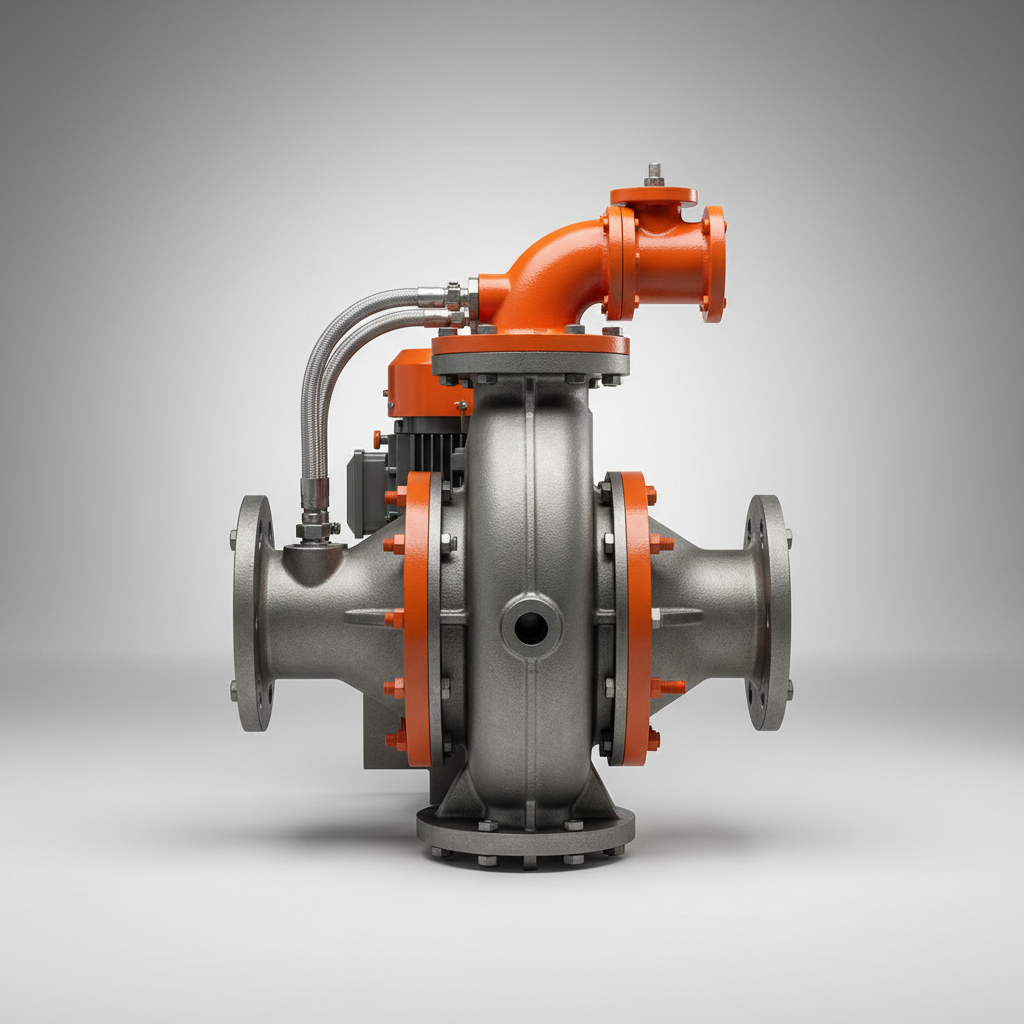
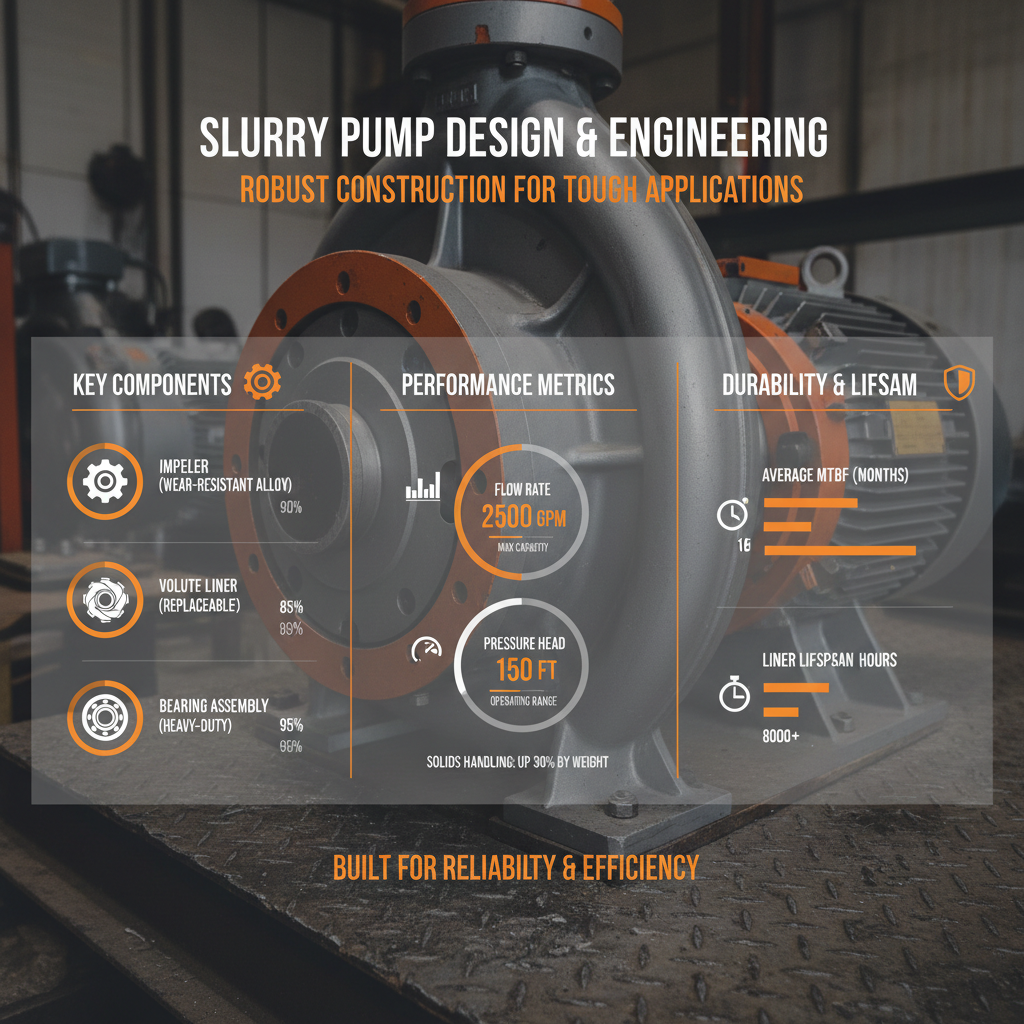
Advanced Slurry Pump Design for Efficient and Reliable Fluid Handling

Introduction to Slurry Pump Design

Advanced Slurry Pump Design for Efficient and Reliable Fluid Handling

The heart of any efficient solids handling system lies in its slurry pump design. This encompasses not only the pump itself, but also the associated piping, valves, and control systems. A holistic approach considers the entire system to minimize wear, maximize efficiency, and ensure reliable operation. Improper slurry pump selection or design can lead to premature failure, high maintenance costs, and significant process disruptions.

Effective slurry pump design goes beyond simply selecting a pump based on flow rate and head. It requires a deep understanding of the slurry's properties—particle size distribution, solids concentration, specific gravity, and abrasiveness—and how these properties interact with the pump's internal components. Careful consideration of these factors is crucial for extending pump life and minimizing total cost of ownership.

Defining Slurry Pump Design

Slurry pump design is the process of engineering a pump specifically intended to transport liquids containing suspended solid particles—the "slurry". Unlike standard pumps designed for clear fluids, slurry pumps must be able to handle abrasive materials without experiencing excessive wear or clogging. This involves optimizing the pump’s hydraulic design, material selection, and sealing mechanisms to withstand the demanding conditions associated with slurry transport.

Its connection to modern industry is undeniable. Industries like mining, wastewater treatment, dredging, and chemical processing depend heavily on the efficient and reliable transport of slurries. A poorly designed slurry pump can cripple these operations, leading to significant financial losses and environmental concerns.

Furthermore, slurry pump design is increasingly relevant to humanitarian needs. In disaster relief scenarios, portable slurry pumps can be used to quickly remove debris and contaminated water, aiding in recovery efforts. Access to clean water and sanitation, a critical component of sustainable development, often relies on effective slurry handling technologies.

Core Components of Effective Design

Several core components contribute to effective slurry pump design. Durability is paramount, dictating the materials of construction—often high-chrome alloys, ceramics, or rubber linings—to resist abrasion and corrosion. The impeller design is also crucial; recessed impellers are common for handling large solids, while vortex impellers excel at low-solids applications.

Scalability is another key factor. A well-designed pump should be able to accommodate varying flow rates and head requirements without compromising efficiency or reliability. This often involves selecting pumps with variable speed drives (VSDs) or utilizing multiple pumps in parallel or series. Cost efficiency is also vital, extending beyond the initial purchase price to encompass maintenance, energy consumption, and lifespan.

Proper sealing mechanisms are essential to prevent leakage and ensure environmental protection. Mechanical seals, packing glands, and lip seals are common choices, each offering different levels of performance and suitability for specific applications. Finally, ease of maintenance is a critical design consideration, enabling quick and efficient repairs to minimize downtime.

Key Performance Indicators in Slurry Pump Design

Evaluating a slurry pump’s performance involves several key performance indicators (KPIs). Head, flow rate, and efficiency are fundamental, but with slurry pumps, additional metrics are crucial. Solids handling capability, defined by the maximum particle size and solids concentration the pump can handle without clogging, is a primary consideration.

Wear rate, measured by impeller weight loss or casing thickness reduction over time, directly impacts pump lifespan and maintenance costs. Monitoring pump vibration levels and bearing temperatures provides early warning signs of potential failures.

Slurry Pump Design KPI Comparison


Global Applications of Slurry Pumps

Slurry pumps are indispensable across numerous industries worldwide. The mining sector utilizes them extensively for transporting ore slurries, tailings, and process water. Wastewater treatment plants rely on slurry pumps to handle sludge and grit. In the oil and gas industry, they are crucial for moving drilling mud and produced water.

Regions with significant mining operations, such as Australia, Chile, and South Africa, have a particularly high demand for robust slurry pump solutions. Developing countries undergoing rapid industrialization, like India and China, are also experiencing increased demand as they invest in infrastructure projects and resource extraction.

Advantages and Long-Term Value

The advantages of implementing well-engineered slurry pump design are numerous. Reduced maintenance costs stem from extended pump life and fewer unscheduled repairs. Lower energy consumption is achievable through optimized hydraulic designs and efficient motor selection. Increased process uptime translates directly into higher productivity and profitability.

From a sustainability perspective, durable and efficient slurry pumps minimize environmental impact by reducing energy usage and preventing leaks or spills. The long-term value lies in the total cost of ownership – considering not just the initial investment, but also the ongoing costs of operation, maintenance, and eventual replacement.

Future Trends in Slurry Pump Technology

The future of slurry pump technology is being shaped by several exciting trends. The development of advanced materials, such as silicon carbide and tungsten carbide, promises even greater wear resistance and extended pump life. Digitalization and the integration of sensors and data analytics are enabling predictive maintenance, optimizing pump performance, and reducing downtime.

Automation and remote monitoring capabilities are streamlining operations and reducing the need for manual intervention. Moreover, there is a growing focus on developing energy-efficient slurry pump designs that minimize environmental impact and reduce operating costs. slurry pump design innovation will push the boundaries of this technology.

Key Considerations in Modern Slurry Pump Technology

Material Composition Hydraulic Efficiency Smart Monitoring Life Cycle Cost
High-Chrome Alloys 85% Basic Vibration Sensors $50,000
Ceramic Linings 88% Advanced Predictive Analytics $65,000
Rubber Linings 80% Remote Diagnostics $40,000
Silicon Carbide Seals 90% Integrated IoT Sensors $80,000
Tungsten Carbide Impellers 87% Automated Alert Systems $70,000
Polymer Composites 82% Cloud-Based Data Storage $45,000

FAQS

What factors significantly influence the selection of a slurry pump for abrasive applications?

Choosing the right slurry pump for abrasive materials hinges on several key factors. These include the slurry’s particle size and concentration, the hardness and shape of the abrasive particles, the flow rate and head requirements, and the operating temperature. Material selection is paramount—high-chrome alloys, ceramic linings, or rubber often provide superior wear resistance. Proper impeller design, such as recessed or vortex impellers, is also crucial for handling abrasive solids effectively and minimizing wear.

How does impeller design impact the performance and lifespan of a slurry pump?

Impeller design is critical to slurry pump performance. Recessed impellers are ideal for handling large solids and high solids concentrations, minimizing clogging and providing good solids transport. Vortex impellers are better suited for low-solids applications and handle larger particles with less impact, reducing wear. The impeller’s material and geometry directly influence efficiency, wear rate, and overall lifespan. A correctly selected impeller maximizes pump performance and reduces maintenance needs.

What are the benefits of using variable speed drives (VSDs) with slurry pumps?

Variable Speed Drives (VSDs) offer significant advantages when used with slurry pumps. They allow you to precisely control the pump's speed to match the process requirements, reducing energy consumption and minimizing wear. VSDs can also prevent issues like clogging or sedimentation by optimizing flow velocity. Furthermore, they provide a soft start, reducing stress on the pump and motor, and extending their lifespan.

How can predictive maintenance be implemented to optimize slurry pump operation?

Predictive maintenance for slurry pumps relies on collecting and analyzing data from sensors monitoring key parameters like vibration, temperature, pressure, and motor current. This data is used to identify potential failures before they occur, enabling proactive maintenance scheduling. Machine learning algorithms can predict remaining useful life and optimize maintenance intervals. This minimizes downtime, reduces maintenance costs, and improves overall reliability.

What are the common sealing solutions used in slurry pumps, and what are their tradeoffs?

Common sealing solutions for slurry pumps include mechanical seals, packing glands, and lip seals. Mechanical seals provide the best sealing performance but are more expensive and sensitive to abrasive particles. Packing glands are cost-effective and can handle some solids, but require more maintenance and are prone to leakage. Lip seals are simple and inexpensive but offer limited sealing capabilities. The best choice depends on the specific application and slurry characteristics.

How does the choice of pump material affect the overall life cycle cost of a slurry pump?

Pump material directly impacts the life cycle cost. While cheaper materials like cast iron may have a lower initial cost, they wear out quickly in abrasive slurries, leading to frequent replacements and higher long-term costs. More expensive materials like high-chrome alloys, ceramics, and rubber linings offer superior wear resistance, extending pump life and reducing maintenance needs. Considering the total cost of ownership—including purchase price, maintenance, and replacement—is crucial for making an informed material selection.

Conclusion

Slurry pump design is a multifaceted engineering discipline that plays a vital role in numerous industries worldwide. From ensuring efficient mineral processing to maintaining clean water supplies, the performance and reliability of slurry pumps are paramount. Understanding the core components, key performance indicators, and emerging trends in slurry pump technology is crucial for optimizing operations, minimizing costs, and promoting sustainable practices.

Investing in well-engineered slurry pump solutions is not just a cost-saving measure; it's a strategic decision that enhances productivity, ensures environmental protection, and safeguards long-term operational sustainability. Further research and development in materials science, hydraulic design, and digitalization will continue to drive innovation and shape the future of slurry pumping technology. Visit our website at www.miningzy.com to learn more about our comprehensive range of slurry pump solutions.


David Miller

David Miller

David Miller is Zen Young Technology's Lead Application Engineer, specializing in slurry pump solutions for the mining industry. With over 15 years of experience, David focuses on matching pump technology to specific client needs, particularly in abrasive material handling. He recently contributed to an internal white paper on optimizing pump
Previous Comprehensive Slurry Pump Services for Industrial Efficiency and Reliability
Next Comprehensive Guide to Borehole Drilling Machine Prices and Key Considerations
slurry pump companies

Zen Young Technology Hebei Co., Ltd. Specialized in Slurry pump solutions, Foundry OEM services, Drilling rigs and drilling tools, and Air compressors for world wide industries of mining, metallurgy, municipal construction, power, dredging, petrochemical, etc.

Copyright © 2026 Zen Young Technology Hebei Co.,Ltd. All Rights Reserved. Sitemap | Privacy Policy | Top Blog | Global Service


tel
mailto
phone
goTop