
Operational Challenges
Critical Bottlenecks in Sri Lankan Industrial Drilling and Pumping
Local operators face severe equipment degradation and inefficiency due to abrasive materials and demanding geological conditions.
Rapid Component Wear
Abrasive slurry in mining and dredging causes premature failure of pump impellers and liners. In Sri Lanka's varied terrain, this leads to frequent unplanned shutdowns and excessive replacement costs for slurry pump parts.
Fuel Inefficiency
Older diesel compressors often consume excessive fuel without maintaining consistent pressure. This operational cost burden impacts the profitability of remote drilling sites where logistics for fuel delivery are challenging.
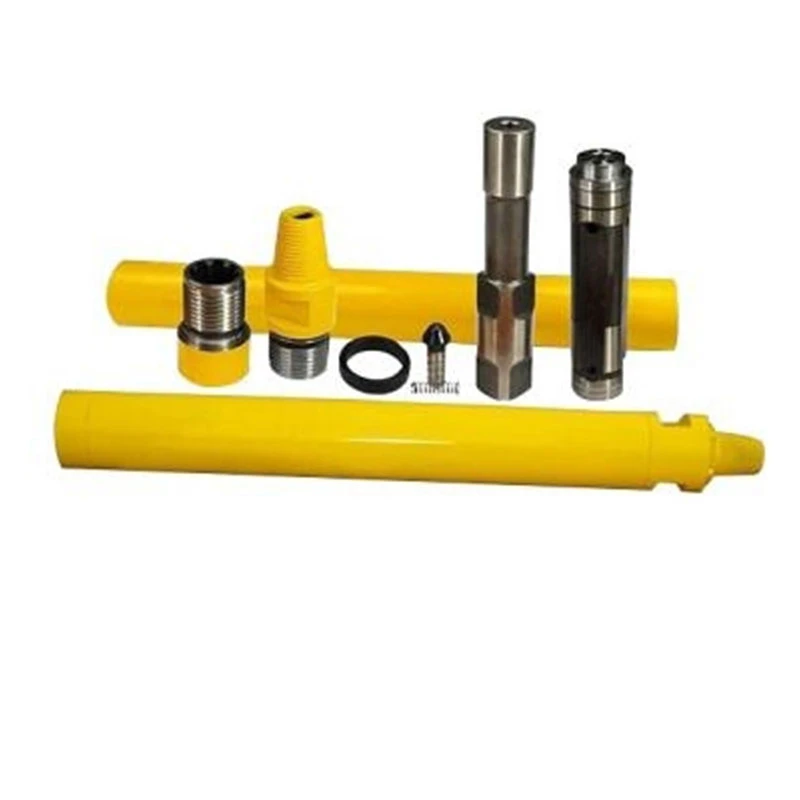
DTH Tool Failure
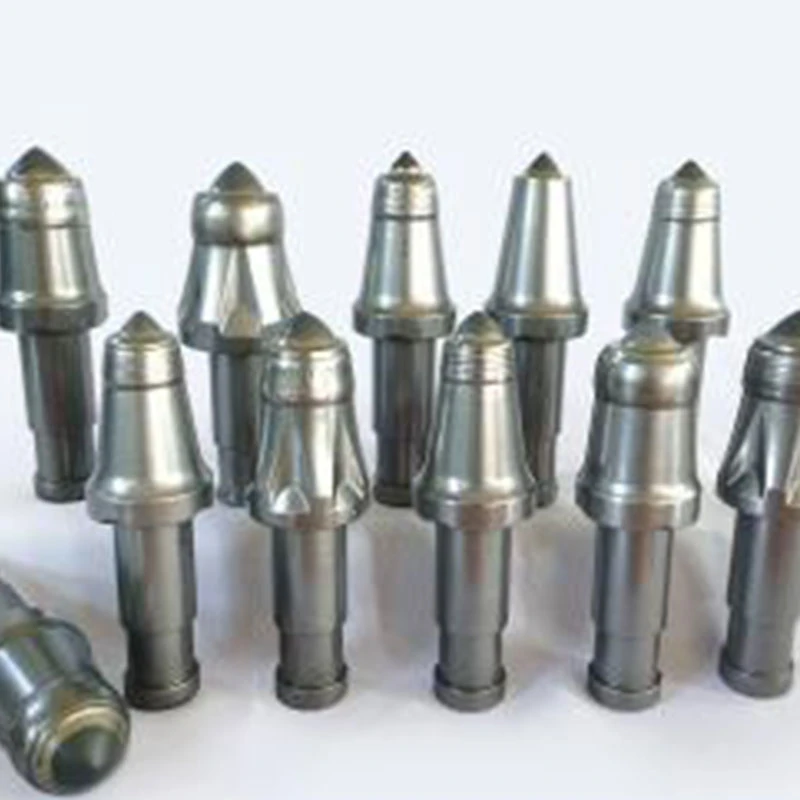
Hard rock formations result in rapid blunting of drilling bits. Without high-grade tungsten carbide or specialized alloy tools, penetration rates drop significantly, extending project timelines for borehole construction.
Corrosion in Fluid Handling
Chemical aggressiveness in petrochemical and municipal waste fluids erodes standard pump casings. The lack of specialized corrosion-resistant alloys leads to leaks and systemic failures in critical fluid transport lines.
Slow Borehole Penetration
Suboptimal matching between the rig and the drilling tools reduces the efficiency of borehole machine operations, leading to increased labor hours and higher energy consumption per meter drilled.
Supply Chain Latency
Reliance on generic spare parts often results in poor fits and premature failure. Sri Lankan firms struggle to find OEM-grade components that match the precise specifications of their imported heavy machinery.
Engineering Excellence
Integrated Heavy-Duty Solutions for Mining and Construction
We combine advanced metallurgy with precision machining to deliver equipment that survives the harshest industrial environments.
High-Chrome Alloy Casting
Using super high chrome hyper eutectic white iron, we produce pump components with extreme hardness. This metallurgy directly counters abrasive wear, extending the service life of liners and impellers in slurry applications.
Optimized Diesel Compression
Our diesel road compressor systems integrate high-reliability monitoring and eco-friendly designs. This ensures maximum CFM output with minimized fuel consumption for site operations.
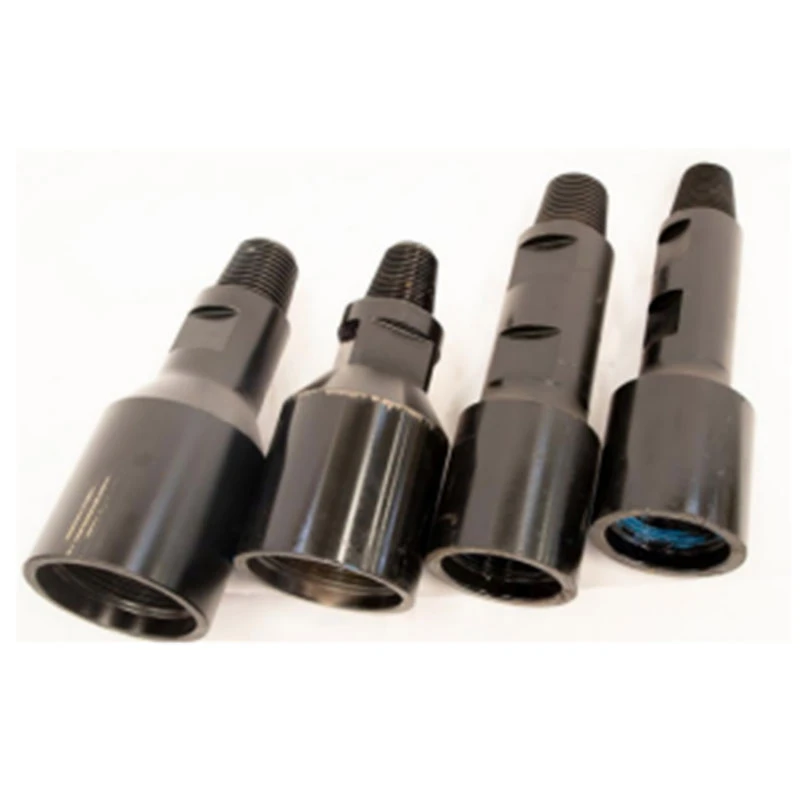
Precision DTH Tooling
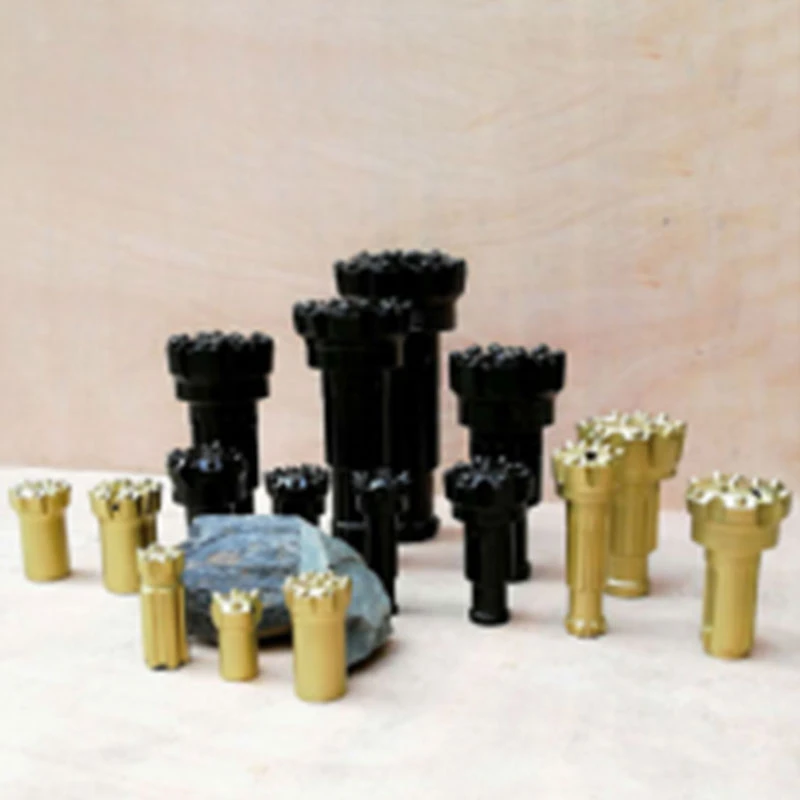
We provide advanced dth drilling tools engineered for specific rock hardness. This reduces vibration and maximizes penetration rates, ensuring faster borehole completion.
Bimetallic Corrosion Protection
By employing bimetallic and low carbon high chrome alloys, our pumps resist both erosion and chemical corrosion, making them ideal for petrochemical and municipal wastewater dredging.
Three-Dimensional Drilling Solutions
We offer full-range downhole drilling equipment matching and on-site technical services, optimizing the synergy between the rig, the hammer, and the bit.
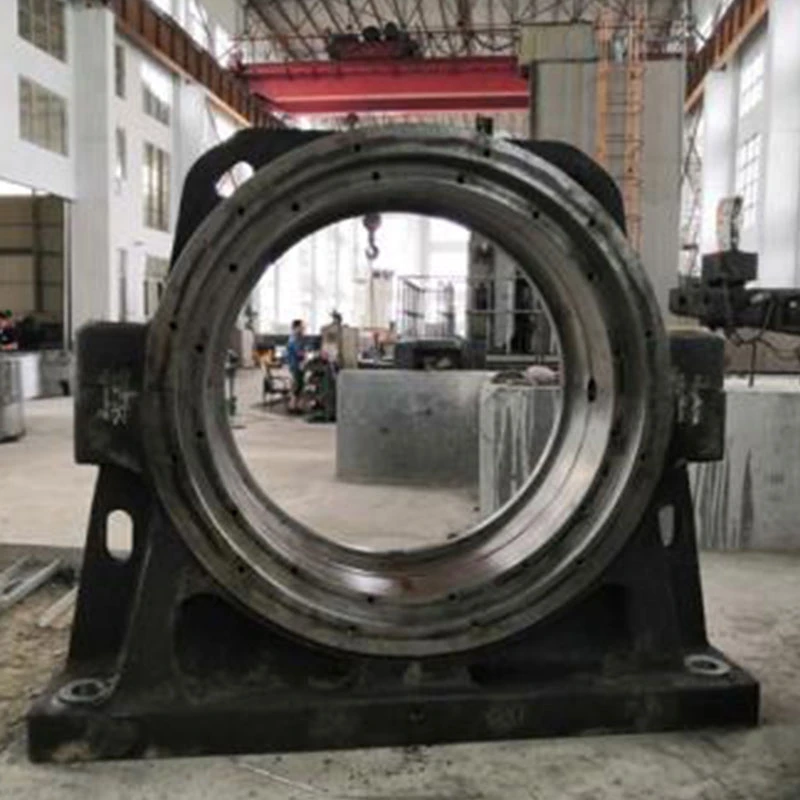
OEM Foundry Integration
Our comprehensive OEM services allow overseas manufacturers to obtain precise, wear-resistant castings. We ensure exact dimensional fits, eliminating the installation gaps that cause premature wear.
Production Capacity
Technical Capabilities & Annual Output
Our manufacturing scale ensures consistent supply and strict quality control for global industrial demands.
0Sets
Annual Pump Units
0Tons
Chrome Alloy Castings
0%
OEM Fit Precision
0h
Operational Continuity
0+
Material Alloys
0D
Drilling Solutions
0+
Pump Model Variants
0%
Global Reach
Regional Analysis
The Industrial Landscape of Sri Lanka
Understanding the intersection of geography, infrastructure, and heavy machinery needs.
Sri Lanka's industrial sector is characterized by a strong reliance on mining, municipal dredging, and expanding infrastructure projects. The geographical diversity—from coastal plains to the central highlands—creates varied operational conditions. In the coastal regions, dredging pumps must handle high-salinity seawater mixed with abrasive sands, while highland mining requires heavy-duty drilling equipment capable of penetrating hard metamorphic rock. This diversity necessitates highly adaptable machinery that can switch between different material handling profiles without sacrificing efficiency.
Current market trends indicate a shift toward "total cost of ownership" (TCO) rather than initial purchase price. Operators in the petrochemical and power sectors are increasingly seeking high-chrome alloy components that reduce the frequency of maintenance cycles. Furthermore, the adoption of diesel compressors with integrated monitoring systems is rising, as companies aim to reduce fuel waste and operational downtime in remote areas. There is a clear demand for integrated solutions where drilling rigs and DTH tools are matched for maximum geological compatibility.
The primary constraint in the Sri Lankan market remains the availability of high-precision OEM spare parts. Many firms rely on generic replacements that fail prematurely under heavy load. This creates a significant opportunity for providers who can offer guaranteed fitment and superior metallurgy. The outlook for the next few years suggests growth in municipal construction and power plant maintenance, which will drive demand for specialized slurry pump solutions and large-capacity compressed air systems with high reliability.
Technology Path
Evolution of Industrial Pumping & Drilling
The transition from basic mechanical handling to high-alloy, precision-engineered systems.
Early Adoption
Standard Metallurgy
Initial reliance on cast iron and basic steel. Equipment suffered from rapid erosion in slurry applications, requiring weekly maintenance and causing high downtime in mining operations.
Recent Development
High Chrome Era
Introduction of High Chrome white iron and bimetallic castings. This shifted the focus to wear resistance, significantly extending the interval between impeller replacements in dredging.
Current Phase
Integrated Precision
Focus on 3D drilling solutions and Eco-system compressors. Integration of high-precision machining and comprehensive monitoring ensures maximum efficiency and reliability.
The Rise of Hyper Eutectic Alloys
Advanced metallurgy has moved toward super high chrome hyper eutectic white iron. This material provides a denser carbide structure, which is essential for handling the most abrasive tailings in metallurgy and mining, effectively doubling the life of critical pump components.
From Component Sales to Solution Matching
The industry has evolved from selling individual bits to providing matched systems. By aligning the compressor pressure, rig torque, and DTH hammer frequency, operators achieve a synergistic effect that reduces energy per meter drilled.
Eco-Integrated Compressed Air
Modern compressors are no longer just air sources; they are integrated systems with comprehensive monitoring and low-emission designs, meeting stricter environmental regulations while maintaining large capacity and high pressure.
Future Outlook
Future Trends in Industrial Equipment Manufacturing
Analyzing the drivers of innovation in pumping and drilling technologies.
Material Science Innovation
Increasing use of bimetallic and alloy steel castings to combat the dual threat of corrosion and abrasion in municipal construction and dredging.
Eco-Efficiency in Compression
Shift toward low-emission diesel compressors with overall integrated designs for easier operation and maintenance in remote areas.
Digital Drilling Integration
Integration of comprehensive monitoring into drilling rigs to track penetration rates and tool wear in real-time, reducing guesswork.
Modular OEM Flexibility
Demand for flexible foundry services that allow rapid prototyping of wear-resistant parts for customized industrial applications.
The trajectory of the industry is moving toward an "intelligent hardware" approach. In pumping, this means not just harder alloys, but geometries designed via computational fluid dynamics (CFD) to reduce turbulence and thus reduce wear. In drilling, the trend is the total optimization of the energy chain—from the diesel compressor's energy output to the kinetic energy of the DTH hammer—ensuring that minimal energy is wasted as heat or vibration.
Furthermore, sustainability is becoming a commercial driver. Equipment that offers easier maintenance and longer component life directly reduces the industrial footprint by decreasing the volume of scrap metal and oil waste. This shift is particularly evident in municipal projects in Sri Lanka, where environmental compliance is becoming more stringent, favoring integrated, high-reliability designs over cheaper, disposable alternatives.
Practical Applications
Application Scenarios in Sri Lankan Industry
How our technology solves specific challenges across different regional sectors.
01
Coastal Dredging for Port Expansion
In coastal Sri Lankan ports, dredging pumps encounter a mix of saltwater and abrasive silica sand. By utilizing ZGB type slurry pumps with high-chrome alloy castings, operators prevent the rapid erosion of the pump casing. The resulting increase in component lifespan reduces the frequency of dredging halts, accelerating port infrastructure timelines.
02
Highland Mining for Industrial Minerals
Mining operations in the central highlands face hard rock strata. Implementing a matched system of borehole machines and DTH drilling tools allows for higher penetration rates. The use of precision-engineered hammers reduces fuel consumption per meter, making remote mineral extraction more economically viable.
03
Municipal Sewage and Waste Management
Urban wastewater in Sri Lankan cities often contains corrosive chemical residues. Applying SP/SPR pump models with corrosion-resistant bimetallic alloys prevents pitting and leakage. This ensures a stable fluid transport system for municipal treatment plants, reducing the risk of environmental contamination from pump failure.
04
Petrochemical Plant Cooling Systems
In petrochemical facilities, the movement of abrasive cooling slurries requires extreme reliability. Our G/GH gravel pumps provide the necessary head and flow rate while the high-chrome liners resist abrasive wear. This prevents unplanned downtime in critical cooling loops, protecting expensive plant assets.
05
Road Construction and Foundation Piling
Road expansion projects require rapid site preparation. Utilizing high-capacity diesel road compressors ensures a steady air supply for pneumatic tools and drilling rigs. The integrated design reduces maintenance intervals, allowing crews to maintain a fast pace in varying weather conditions across the island.
Operator Perspectives
Representative Implementation Scenarios
Illustrating the operational impact of transitioning to high-alloy industrial equipment.
In heavy slurry applications, the transition from standard steel to high-chrome alloy castings typically results in a significant extension of the service interval for pump liners. By reducing the frequency of replacement, operators can maintain higher average flow rates and reduce the total cost of maintenance per cubic meter of material moved.
Matching the diesel compressor output precisely to the DTH rig's requirements prevents energy loss and reduces tool vibration. In hard rock drilling, this synergy is critical for maintaining a consistent penetration rate and preventing the premature blunting of expensive drilling bits.
The use of OEM-grade slurry pump parts ensures a perfect fit, which is essential for maintaining the hydraulic efficiency of the pump. Poorly fitting generic parts often lead to turbulence and localized erosion, whereas precision-cast components ensure smooth fluid transition and longer life.
Our Legacy
Zen Young Technology: Engineering the Future of Heavy Industry
A commitment to metallurgical precision and comprehensive industrial solutions.
Core Capability
Foundry & Casting Mastery
Specialized in high-chrome alloy castings, producing over 10,000 tons annually. Our expertise spans high manganese steel, bimetallic alloys, and super high chrome hyper eutectic white iron for wear-resistant applications.
Production Scale
Full-Scale Pump Manufacturing
Manufacturing over 5,000 sets of whole pumps annually, including ZGB, G/GH, M/AH/HH, and SP/SPR models, serving mining, metallurgy, and municipal construction worldwide.
Solution Expansion
Integrated Drilling & Air Solutions
Expanded into three-dimensional drilling solutions and comprehensive compressed air systems, providing equipment matching, on-site technical services, and OEM support for overseas manufacturers.
Technical Support
Common Inquiries Regarding Industrial Pumping & Drilling
Expert answers to the most frequent technical and operational questions from our global clients.
How do I choose the right alloy for slurry pump parts in abrasive environments?
The choice depends on the abrasive nature and chemical composition of the slurry. For extreme abrasion, super high chrome hyper eutectic white iron is recommended due to its hardness. For environments where both corrosion and abrasion are present, bimetallic alloys or low carbon high chrome alloys are more suitable. We recommend analyzing the slurry particle size and pH levels before selecting the material to maximize component lifespan.
What are the primary factors affecting the penetration rate of a borehole machine?
The penetration rate is influenced by the synergy between the rig's pull-down pressure, the air volume and pressure from the diesel compressor, and the quality of the DTH drilling tools. If the air pressure is insufficient, the cuttings are not cleared efficiently, leading to "regrinding" and slower progress. Ensuring that the DTH hammer and bit are matched to the specific rock hardness is the most critical factor for efficiency.
Can Zen Young provide OEM services for existing pump manufacturers in Sri Lanka?
Yes, we offer comprehensive Foundry OEM services. We can manufacture precision castings for a wide variety of pump models based on provided drawings or samples. Our capability to cast in various wear-resistant and corrosion-resistant materials allows us to produce parts that meet or exceed the original manufacturer's specifications, ensuring a perfect fit and improved durability for local operators.
How does a diesel road compressor maintain efficiency in remote industrial sites?
Efficiency is maintained through overall integrated design and comprehensive monitoring systems. Our compressors are engineered for high reliability and easy maintenance, which is crucial for remote sites where technical support may be limited. The use of fuel-efficient engines combined with optimal compression ratios ensures that maximum air capacity is delivered with minimum fuel consumption.
What is the difference between a gravel pump and a standard slurry pump?
A gravel pump (such as our G/GH models) is specifically designed to handle larger solids and higher concentrations of coarse materials without clogging. Standard slurry pumps are more suited for finer particulates. Gravel pumps feature wider flow passages and reinforced wear plates to handle the higher impact forces associated with larger solids, making them ideal for heavy-duty mining and dredging.
What is the first step in upgrading an existing downhole drilling setup?
The first step is a comprehensive equipment matching audit. We evaluate the current compressor output, rig torque, and the geological profile of the site. Based on this, we recommend upgrades to the DTH drilling tools or rig accessories to ensure the system is operating at peak efficiency. This "3D solution" approach prevents the common mistake of upgrading one component while leaving a bottleneck elsewhere in the system.
Ready to Optimize
Upgrade Your Industrial Pumping and Drilling Efficiency in Sri Lanka
Whether you are managing a mining operation in the highlands or a dredging project on the coast, Zen Young Technology provides the metallurgical expertise and precision equipment needed to reduce downtime. Discuss your specific geological challenges and equipment requirements with our technical team to find the perfect alloy and machinery match for your site.
Discuss Your Requirements

Zen Young Technology Hebei Co., Ltd. Specialized in Slurry pump solutions, Foundry OEM services, Drilling rigs and drilling tools, and Air compressors for world wide industries of mining, metallurgy, municipal construction, power, dredging, petrochemical, etc.
Copyright © 2026 Zen Young Technology Hebei Co.,Ltd. All Rights Reserved. Sitemap | Privacy Policy | Top Blog | Global Service | Hot Products | Knowledge