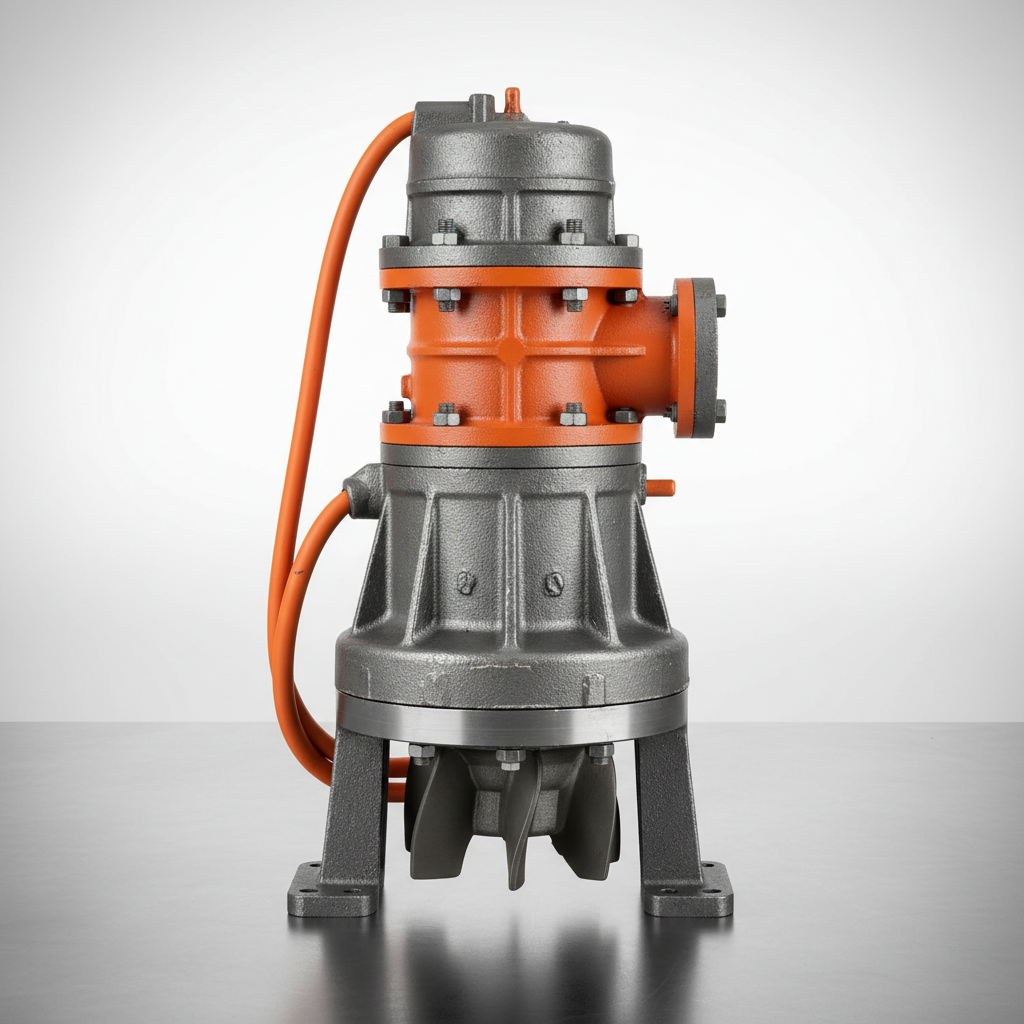
Determining the total investment for fluid handling systems often begins with an analysis of the vertical centrifugal pump price, yet the initial sticker price is rarely the full story. In industrial sectors like mining and municipal construction, the cost of a pump is inextricably linked to the metallurgy of the impeller and the specific head requirements of the installation.
Whether you are managing a slurry transport system or a high-pressure water utility, the pricing variance across different manufacturers reflects the trade-off between immediate capital expenditure and long-term operational reliability. Understanding the drivers of these costs allows procurement managers to avoid the trap of choosing the cheapest unit only to face exorbitant maintenance cycles.
This analysis explores the economic architecture of vertical pump procurement, focusing on how material selection, such as high-chrome alloys, and engineering specifications influence the final quote. By shifting the focus from "price per unit" to "cost per cubic meter pumped," operators can optimize their ROI across the entire equipment lifecycle.

The Economic Drivers of Vertical Centrifugal Pump Pricing

The price of a vertical centrifugal pump is not a static figure but a result of several engineering variables. Primary among these is the pump's capacity (flow rate) and the total dynamic head (TDH) it must overcome. Higher head requirements necessitate more robust casings and precision-engineered impellers, which naturally increase the manufacturing complexity and cost.
Beyond basic hydraulics, the configuration—whether it is a sump-mounted vertical pump or a canned motor design—significantly alters the price point. Sump pumps are often more cost-effective for basic drainage, whereas specialized vertical units designed for corrosive petrochemicals require exotic alloys that can triple the base price.
Finally, the integration of automation and monitoring systems adds another layer to the cost. Pumps equipped with vibration sensors and smart controllers offer lower operational risk but require a higher upfront investment compared to manual, base-model units.
Metallurgical Influence on Capital Expenditure and Lifespan
In the realm of industrial pumps, material is the single most influential variable affecting the quote. For standard water applications, cast iron or stainless steel may suffice, keeping the vertical centrifugal pump price relatively low. However, in mining and metallurgy, the presence of abrasive solids makes standard materials obsolete.
The use of high-chrome white iron or super high-chrome hyper-eutectic white iron significantly enhances wear resistance. These materials, combined with advanced heat treatment processes, increase the hardness of the cutter head and pump internals, thereby prolonging the working life in slurry applications.
When evaluating quotes, it is essential to check if the manufacturer provides bimetallic options or specialized alloys. While these increase the initial purchase price, they drastically reduce the "cost per hour" of operation by extending the mean time between failures (MTBF).
Critical Application Scenarios and Their Cost Implications
Application context determines the necessary specifications, which in turn dictate the price. In municipal construction, pumps are often used for wastewater management where corrosion resistance is the priority. Here, the focus is on chemical compatibility and seal integrity.
In contrast, mining operations utilize slurry pumps to move tailings and ores. These environments demand heavy-duty wear-resistant materials. The cost shifts here toward the foundry's ability to produce high-precision, high-chrome castings that can withstand the constant impact of abrasive particles.
Dredging and power plant cooling systems represent another tier of application. These require large-capacity vertical pumps that can operate submerged for extended periods. The engineering focus moves toward shaft stability and hydraulic efficiency to minimize energy costs over years of continuous operation.
Comparing Efficiency Metrics Against Initial Investment Costs
Procurement teams often face a conflict between the initial budget and the desired system efficiency. A higher-priced pump typically offers a more optimized hydraulic profile, reducing the energy required to move a specific volume of fluid.
The following data illustrates the relationship between the investment in high-grade materials/engineering and the resulting operational performance across typical industrial benchmarks.
vertical centrifugal pump price Performance Metrics
As shown, while the initial cost of premium units is higher, the gains in wear resistance and energy efficiency lead to a steeper decline in operational costs over time. This confirms that the lowest initial price often correlates with the highest long-term expenditure.
Strategic Procurement Framework for Industrial Pumping Systems
To effectively evaluate a vertical centrifugal pump price, buyers should move away from simple quote comparisons and adopt a Total Cost of Ownership (TCO) model. This involves calculating the sum of the purchase price, installation, energy consumption, and projected maintenance costs over five to ten years.
A critical step in this framework is the verification of the foundry's capability. Since pumps in mining and metallurgy rely on casting quality, ensuring the supplier can produce consistent high-chrome alloys is more important than the brand name of the pump assembly.
Additionally, the availability of spare parts—such as impellers, liners, and throatbushes—should be factored into the decision. A pump with a slightly higher initial cost but widely available OEM-grade parts is far more economical than a cheap import with a six-month lead time for spares.
Emerging Material Trends Affecting Future Pump Costs
The industry is seeing a shift toward hybrid material compositions. The integration of bimetallic castings—where a hard, wear-resistant inner lining is paired with a tough, impact-resistant outer shell—is becoming more common. This may increase the initial price but offers a more balanced performance profile.
Furthermore, the adoption of additive manufacturing (3D printing) for complex impeller geometries could potentially reduce the costs of custom-engineered vertical pumps. This allows for rapid prototyping and the creation of hydraulic shapes that were previously too expensive to cast.
Sustainability regulations are also likely to influence pricing. There is an increasing demand for pumps with higher energy efficiency ratings to meet global carbon reduction targets, which could lead to higher initial costs for "eco-designed" equipment but lower electricity bills for the end-user.
Comparative Analysis of Pumping Solutions by Operating Environment
Selecting the right pump requires aligning the technical specifications with the operational reality. The table below compares different vertical pumping approaches based on the variables that most heavily influence the final price and performance.
By analyzing these dimensions, operators can determine if a premium alloy solution is a necessity or an over-specification for their particular environment.
| Environment Type | Material Priority | Primary Cost Driver | Maintenance Cycle |
|---|---|---|---|
| Clean Water / HVAC | Stainless Steel | Energy Efficiency | Long (Yearly) |
| Municipal Wastewater | Corrosion Resistant | Seal Durability | Medium (Bi-Annual) |
| Mining Slurry | High-Chrome Alloy | Abrasive Wear | Short (Quarterly) |
| Chemical Processing | Exotic Alloys/Hastelloy | Chemical Inertness | Medium (Scheduled) |
| Dredging / Sand | Hardened Cast Iron | Impeller Volume | Short (Monthly) |
| Power Plant Cooling | Bimetallic / Coated | Scale Prevention | Long (Multi-Year) |
In summary, the vertical centrifugal pump price is a reflection of the pump's ability to withstand its environment. For those seeking optimized solutions in mining and metallurgy, reviewing specialized foundry and pump capabilities at www.miningzy.com can provide a clearer picture of how high-performance materials impact total system costs.
Frequently Asked Questions
Conclusion
Navigating the complexities of vertical centrifugal pump price requires a strategic shift from viewing the pump as a commodity to viewing it as a critical operational asset. The intersection of hydraulic design, metallurgy, and application-specific engineering determines not only the initial invoice but the long-term profitability of the entire fluid handling process.
By prioritizing materials that match the severity of the environment—such as high-chrome alloys for slurry—and focusing on TCO rather than CAPEX, operators can ensure maximum uptime and efficiency. For those evaluating equipment for mining, metallurgy, or municipal projects, the data available at www.miningzy.com serves as a useful reference for aligning product specifications with industrial requirements.