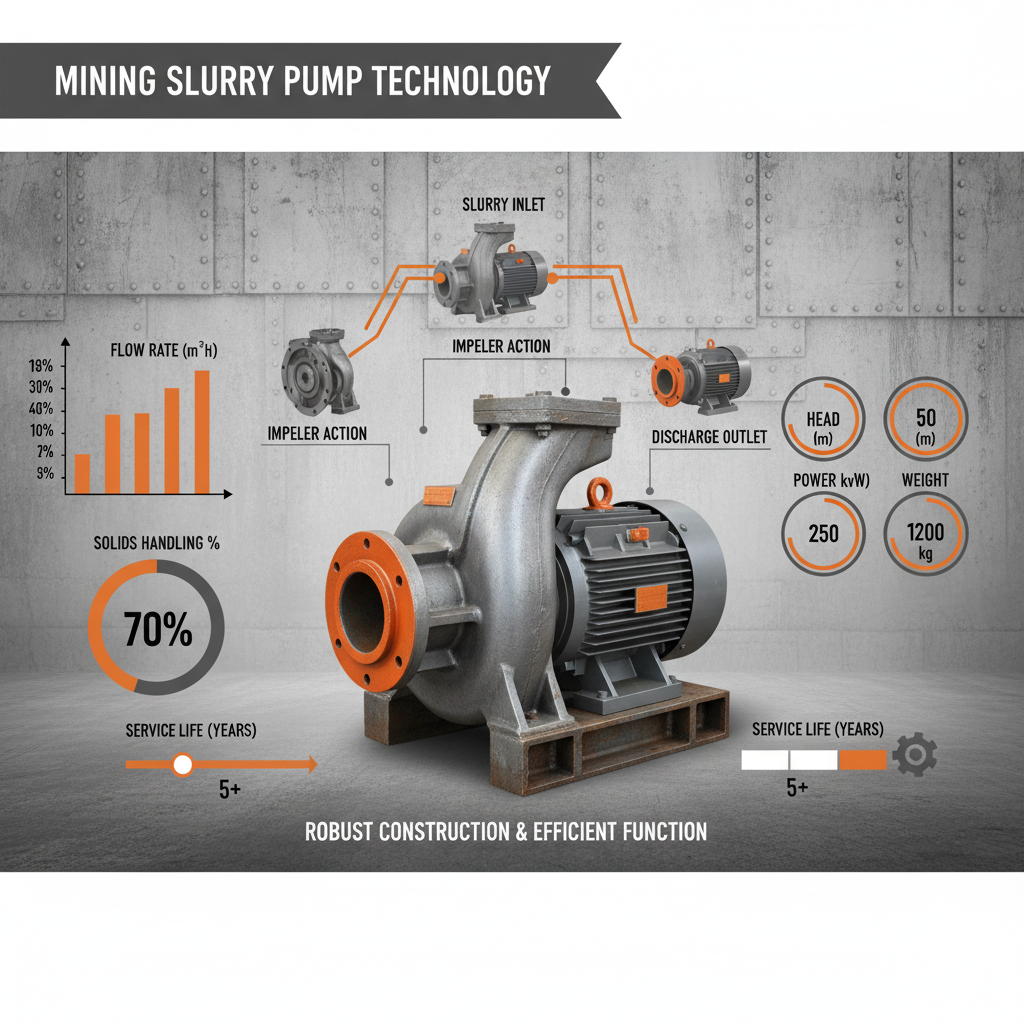
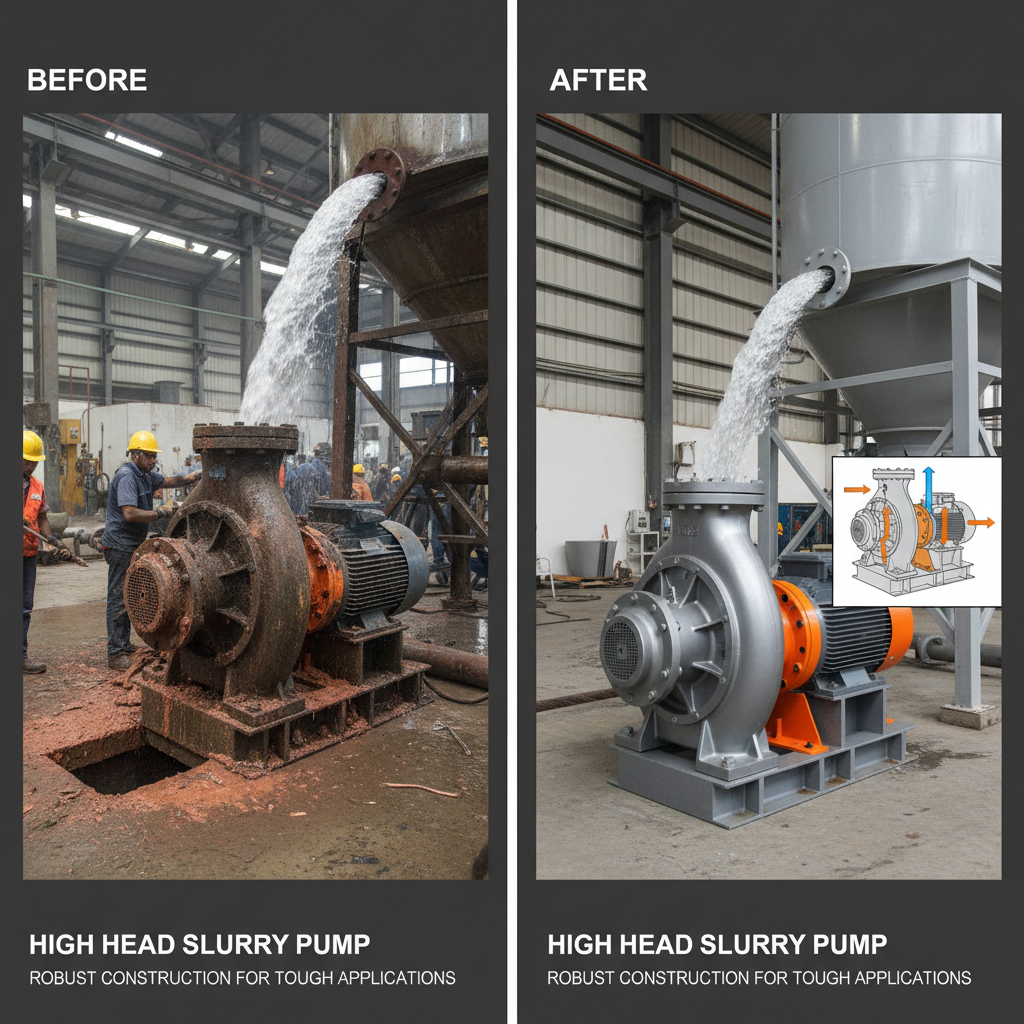
In the demanding landscape of heavy industry, the role of a specialized submersible slurry pump factory is pivotal in maintaining the flow of abrasive materials across mining, dredging, and chemical processing sites. These facilities do not merely manufacture equipment; they engineer high-performance solutions designed to withstand the most corrosive environments on Earth, ensuring that operational downtime is minimized and productivity is maximized.
Understanding the intricacies of slurry management is essential for global infrastructure, as the efficient transport of solids in liquid form is a cornerstone of mineral extraction and waste treatment. By leveraging advanced metallurgy and fluid dynamics, a professional submersible slurry pump factory transforms dry technical specifications into reliable hardware that can handle everything from tailings to thick mining sludge.
For procurement managers and engineers, selecting a partner who understands the balance between wear resistance and energy efficiency is critical. The following comprehensive guide explores the technological benchmarks, global applications, and future innovations driven by the leading manufacturers in the pump industry.
Global Context of Slurry Pump Manufacturing
The global demand for minerals and the subsequent need for efficient tailings management have placed immense pressure on the submersible slurry pump factory sector. As mining operations move deeper underground and into more remote regions, the requirement for pumps that can handle high-density solids without frequent failure has become a critical bottleneck for the industry. According to international industrial standards, the efficiency of slurry transport directly impacts the carbon footprint of mining operations, making the engineering quality of the pump essential.
Current global challenges, such as the scarcity of high-grade ores, necessitate the processing of lower-grade materials, which often results in larger volumes of abrasive slurry. This shift has forced manufacturers to innovate rapidly, moving beyond standard cast iron to advanced chrome alloys and rubber linings. A modern submersible slurry pump factory now operates at the intersection of material science and hydraulic engineering to prevent the catastrophic costs associated with pump erosion and unplanned shutdowns.
Defining the Submersible Slurry Pump Factory Ecosystem
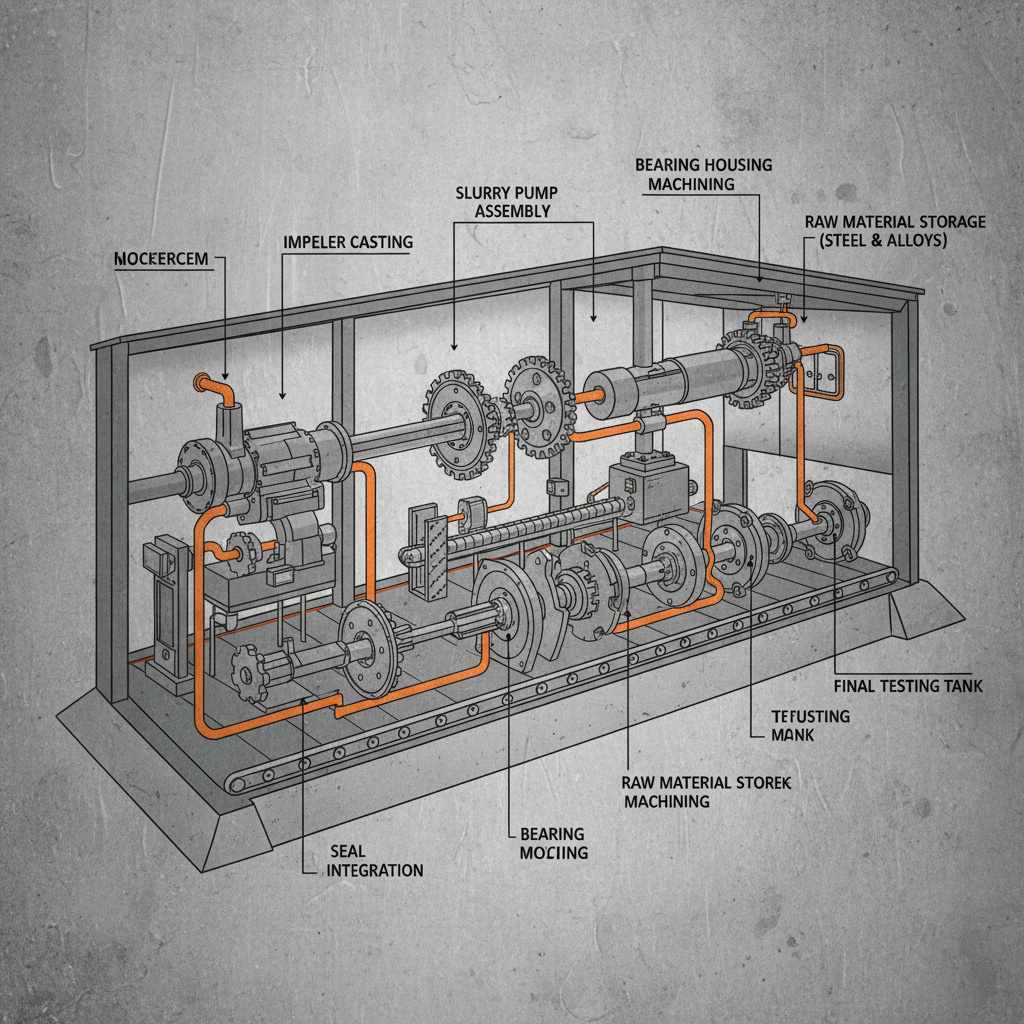
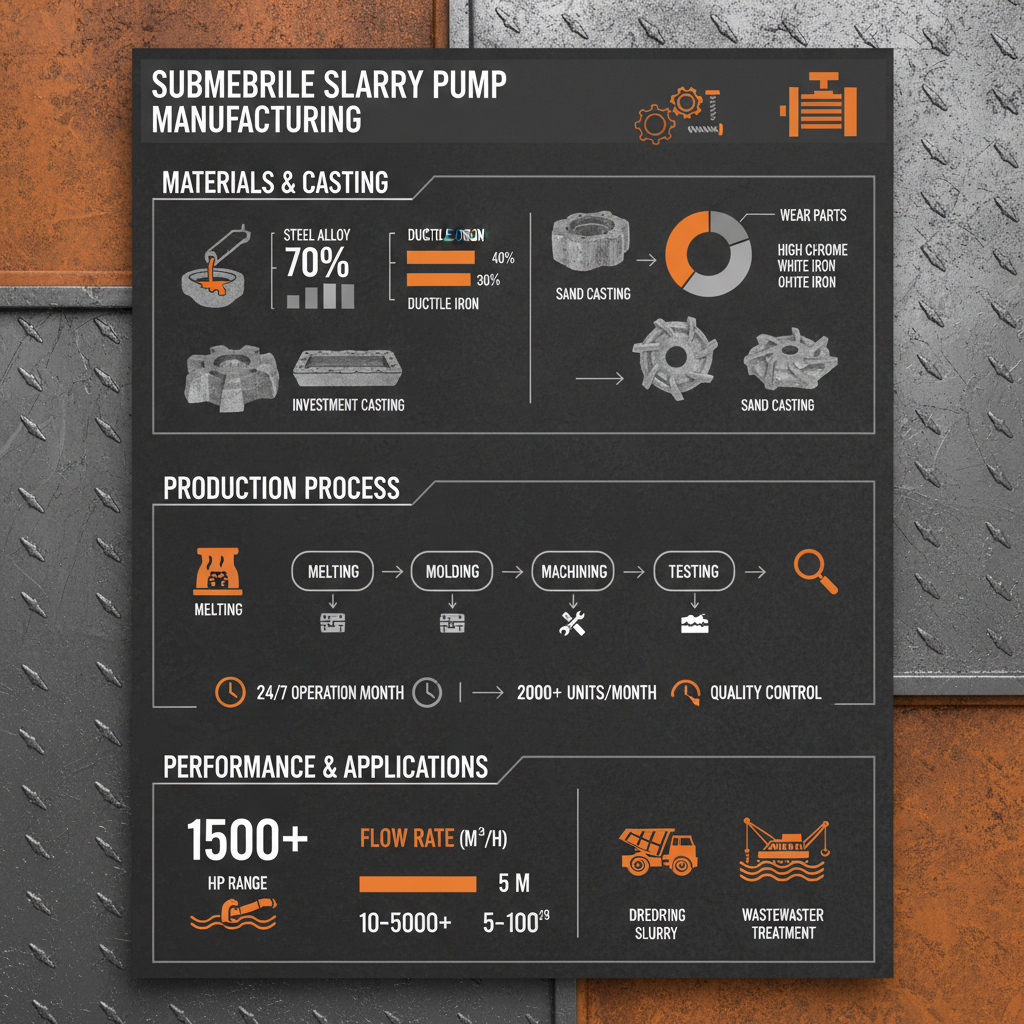
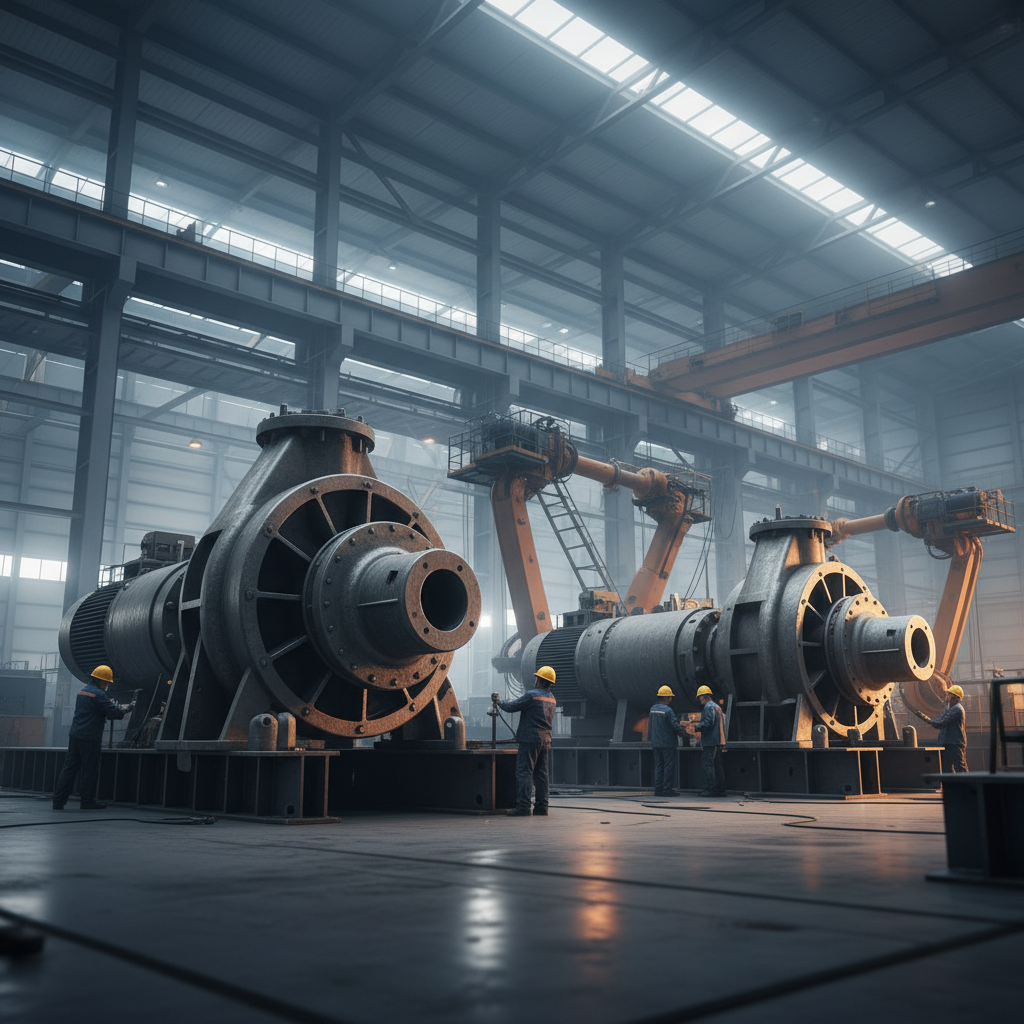
In simple terms, a submersible slurry pump factory is a specialized industrial facility dedicated to the design, casting, machining, and testing of pumps that operate entirely underwater while moving thick, abrasive fluids. Unlike standard water pumps, these systems are designed to move "slurries"—mixtures of liquids and solid particles—which act like liquid sandpaper on internal components. This requires a highly controlled manufacturing environment where precision casting is paramount.
The connection to modern industry is profound; without these factories, the dredging of harbors, the management of municipal sewage sludge, and the operation of gold or copper mines would be nearly impossible. These pumps serve as the "circulatory system" of the industrial site, ensuring that waste is removed and raw materials are transported to processing plants without clogging or wearing through the pipework.
Furthermore, the role of such a factory extends to providing customized solutions. Because every slurry—whether it is iron ore, coal ash, or dredging sand—has a different chemical composition and particle size, a professional factory doesn't just sell a product; they provide a calculated engineering solution based on the specific gravity and abrasiveness of the medium being pumped.
Core Components of Industrial Slurry Pumps
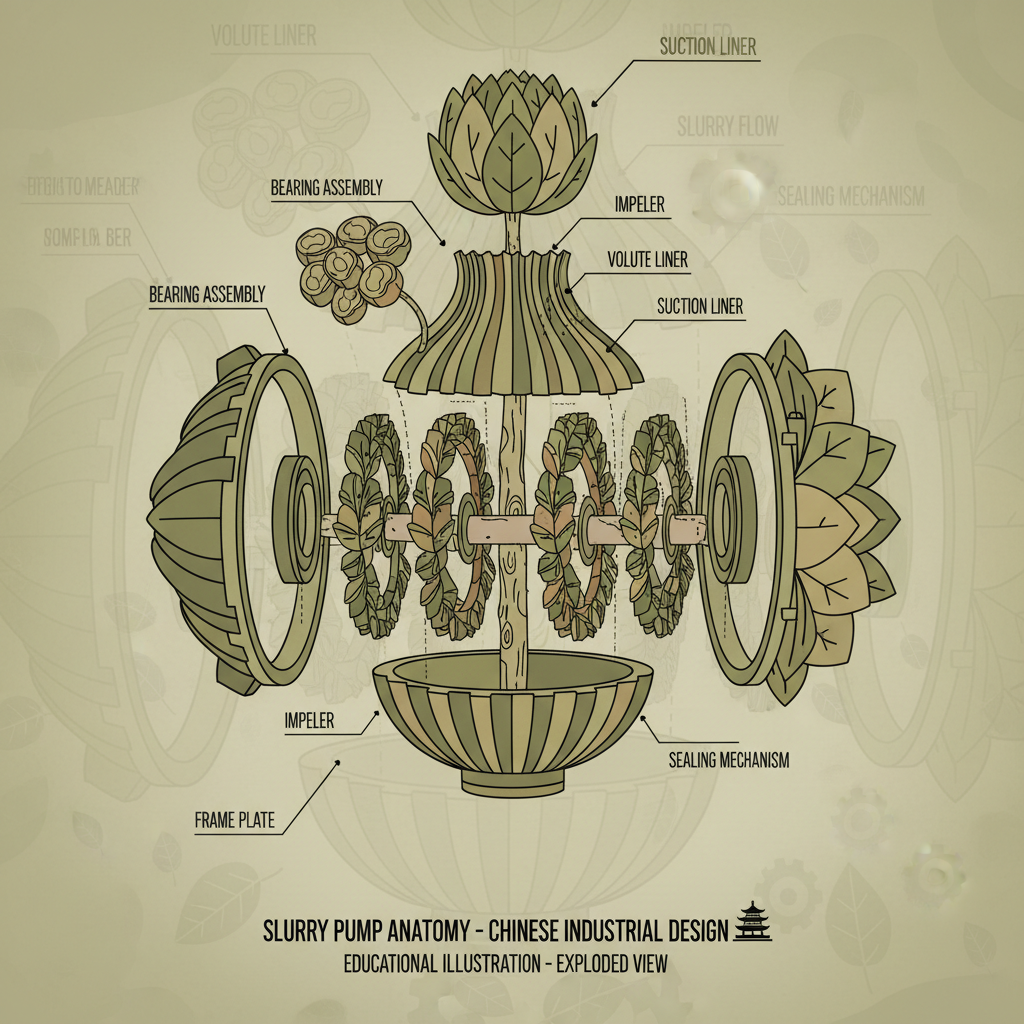
Durability is the primary benchmark for any output from a submersible slurry pump factory. The impeller, the heart of the pump, must be constructed from high-chrome alloys or specialized elastomers to resist the constant battering of solid particles. Without this level of material integrity, a pump would fail within days of operation in a high-concentration slurry environment.
Scalability and adaptability are equally vital. A leading submersible slurry pump factory ensures that their equipment can be integrated into various pipe diameters and power grids. This flexibility allows operators to scale their throughput as mining deposits grow or as dredging requirements increase, ensuring that the initial investment remains viable over the project's lifecycle.
Finally, cost-efficiency is achieved through the reduction of the Total Cost of Ownership (TCO). By optimizing the hydraulic design to reduce turbulence—which is where most wear occurs—a high-quality factory produces pumps that last longer between maintenance cycles, drastically reducing the expenditure on spare parts and labor in remote locations.
Performance Metrics for Factory Equipment
Evaluating the output of a submersible slurry pump factory requires a deep dive into specific performance metrics. Key indicators include the "Wear Rate per 1,000 Hours," the "Energy Consumption per Cubic Meter of Slurry," and the "Maximum Solids Handling Capacity." These metrics allow engineers to compare different manufacturing methods and determine which pump is best suited for their specific abrasive medium.
When analyzing these figures, it becomes clear that the integration of precision CNC machining and advanced simulation software (CFD) significantly boosts performance. Modern factories use these tools to eliminate "dead zones" within the pump casing, ensuring a smooth flow that prevents solids from settling and causing blockages.
Comparative Performance of Slurry Pump Manufacturing Methods
Global Applications and Real-World Use Cases
In real-world industrial contexts, the products from a submersible slurry pump factory are indispensable. For instance, in the oil sands of Canada or the copper mines of Chile, these pumps are used to transport tailings to storage facilities, preventing environmental contamination and maintaining site safety. Their ability to operate while fully submerged eliminates the need for complex priming systems and reduces the risk of cavitation in deep-pit operations.
Beyond mining, these solutions are critical in urban infrastructure. During post-disaster relief operations, such as flooding in Southeast Asia, heavy-duty slurry pumps are deployed to clear sediment-laden water and debris from city streets and drainage systems. In these high-pressure scenarios, the reliability of the pump is not just a matter of profit, but of public safety and rapid recovery.
Long-Term Value and Sustainability Benefits
The long-term value of investing in a premium submersible slurry pump factory lies in the intersection of reliability and sustainability. By producing pumps with higher volumetric efficiency, manufacturers help industrial plants reduce their electricity consumption. Since pumping slurry is energy-intensive, even a 5% increase in efficiency can lead to thousands of dollars in annual energy savings and a significant reduction in carbon emissions.
From a logical standpoint, the use of wear-resistant materials reduces the frequency of replacement parts, which in turn minimizes the industrial waste generated by scrapped metal components. This creates a circular economy within the plant, where components are refurbished rather than replaced, aligning industrial growth with environmental stewardship.
Emotionally, the trust established between an operator and their equipment provider is invaluable. In the middle of a remote mine, knowing that your pump will not fail during a critical transfer process provides peace of mind and operational dignity to the workforce, knowing they are working with world-class technology that prioritizes safety and stability.
Future Innovations in Pumping Technology
The future of the submersible slurry pump factory is being shaped by digital transformation and "smart" materials. We are seeing the rise of IoT-integrated pumps that use vibration sensors and thermal probes to predict failure before it occurs. This shift toward predictive maintenance allows factories to move from a reactive "break-fix" model to a proactive "predict-prevent" strategy, virtually eliminating unplanned downtime.
Furthermore, the development of nano-ceramic coatings is revolutionizing wear resistance. By applying layers that are harder than diamond at a molecular level, the next generation of pumps will be able to handle extremely aggressive slurries with almost zero surface erosion. This will open up new possibilities in deep-sea mining and advanced chemical recycling.
Sustainability policies are also driving the adoption of Variable Frequency Drives (VFDs) as standard factory installations. By allowing the pump speed to adjust automatically based on the slurry density, these systems optimize energy use in real-time, ensuring that the equipment only works as hard as necessary to maintain the required flow rate.
Comparison of Slurry Pump Material Evolution and Impact
| Material Generation |
Wear Resistance Score (1-10) |
Maintenance Interval |
Primary Application |
| Cast Iron (Standard) |
3 |
Short (1-3 Months) |
Low-abrasion water |
| High-Chrome Alloy |
7 |
Medium (6-12 Months) |
Mining Tailings |
| Natural Rubber Lining |
6 |
Medium (4-8 Months) |
Fine Sand / Sludge |
| Ceramic Composites |
9 |
Long (18-24 Months) |
Corrosive Chemicals |
| Nano-Coated Alloy |
10 |
Very Long (24+ Months) |
Extreme Heavy Duty |
| Hybrid Polymer |
8 |
Long (12-18 Months) |
Dredging/Desanding |
FAQS
A professional slurry pump factory specializes in metallurgy and fluid dynamics specific to abrasive solids. While general manufacturers focus on water flow, a slurry specialist engineers components specifically to resist erosion and corrosion. They use high-chrome alloys and precise casting techniques that prevent the "wash-out" effect common in standard pumps, ensuring the equipment lasts significantly longer in harsh mining or dredging environments.
If you notice pump impellers wearing through in less than three months, or if your fluid contains a high percentage of quartz, iron ore, or coarse sand, a standard pump is insufficient. A specialized submersible slurry pump factory will typically perform a "slurry analysis" to determine the particle size and hardness, recommending a specific material—such as high-chrome or rubber-lined—to match the abrasiveness of your medium.
Yes, in many applications, they are more efficient because they eliminate the need for suction lifts. By placing the pump directly in the slurry, you avoid the energy losses associated with priming and the risk of cavitation. Modern factories further enhance this by integrating VFDs, which allow the pump to adjust its power consumption based on the actual density of the slurry being moved.
Lifespan varies by material. Standard alloys might last a few months, but high-end equipment from a specialized submersible slurry pump factory using nano-coatings or high-chrome alloys can operate for 12 to 24 months before requiring major component replacement. Regular maintenance of seals and bearings is key to extending the overall life of the motor unit.
Many can, but it depends on the material choice. While chrome alloys are great for abrasion, they may struggle with certain acids. A professional factory offers chemically resistant options, such as specialized rubber linings or stainless steel hybrids, to ensure the pump doesn't corrode while it is fighting off the abrasive wear of the solids.
When sourcing internationally, look for factories that adhere to ISO standards and provide comprehensive technical documentation. It is essential to verify the factory's ability to provide spare parts globally, as a pump is only as good as the availability of its wear parts. Choosing a manufacturer with a proven track record in global logistics ensures your project doesn't stall due to a missing impeller.
Conclusion
The technical sophistication of a modern submersible slurry pump factory is the silent engine driving the efficiency of the global mining and dredging industries. By integrating advanced metallurgy, predictive IoT monitoring, and energy-efficient hydraulics, these manufacturers have transformed a traditionally "disposable" piece of equipment into a long-term strategic asset. The ability to move abrasive materials with precision and durability not only lowers operational costs but also promotes safer and more sustainable industrial practices.
As we look toward the future, the integration of smart materials and automated control systems will further redefine the boundaries of what is possible in fluid transport. For companies seeking to optimize their tailings management or dredging operations, partnering with a factory that prioritizes engineering excellence over low-cost casting is the only way to ensure long-term viability. We invite you to explore our cutting-edge solutions and elevate your operational efficiency. Visit our website: www.miningzy.com