

Oct . 24, 2025 16:30 Back to list
Hole Opener Drill Bits: Durable, Fast ROP, Custom Sizes
What’s Really Going On With Hole Opener Drill Bits Right Now
If you’ve spent time around a rig floor (or a muddy HDD site at 2 a.m.), you already know: when the pilot hole is clean but the diameter isn’t there, the right reamer either makes the day—or ruins it. Lately, I’ve been seeing steady demand growth as operators push for fewer trips and higher flow efficiency. To be honest, the tooling arms race has moved from “big and tough” to “clever and tough.” And that’s where Hole Opener Drill Bits are quietly getting smarter.
Industry trends (and a quick reality check)
Three trends keep popping up: multi-wing stability, premium carbide grades (sometimes blended with PDC segments on the gauge), and better hydraulics. In fact, many customers say the biggest surprise isn’t ROP—it’s vibration reduction, which saves bearings, drives, and people’s patience. However, real-world performance still depends on formation transitions and how disciplined crews are with WOB and flow.
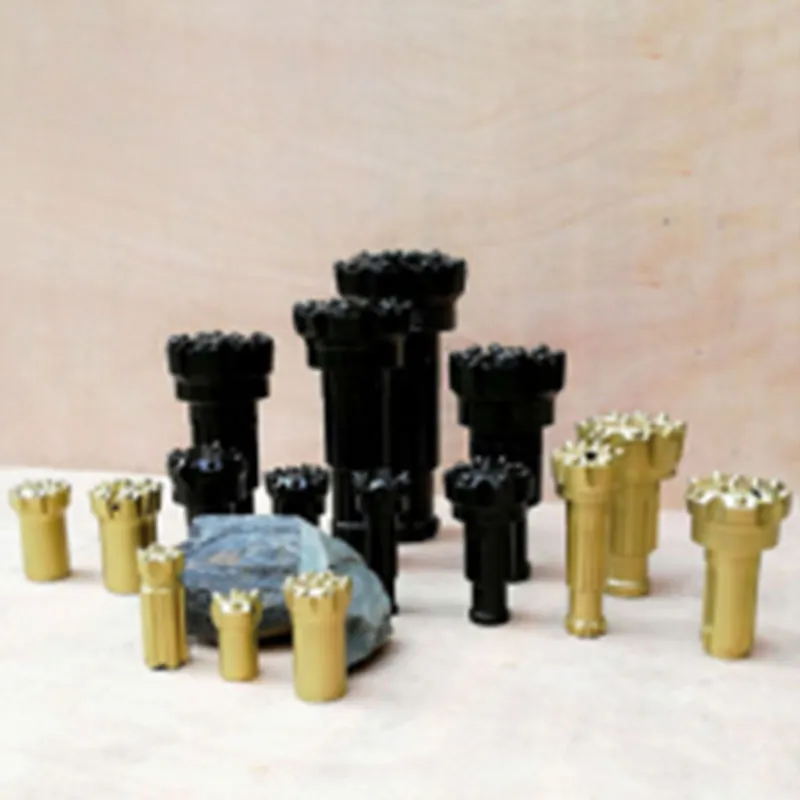
Technical snapshot
| Diameter range | 8½″–36″ (≈216–914 mm), larger on request |
| Cutting structure | Multi-wing reamer, large tungsten carbide inserts; optional PDC gauge pads |
| Threads | API Reg/IF; custom crossovers available |
| Materials | Alloy steel body (4145H-mod), hardfacing on gauge/protection areas |
| Flow/Nozzles | Optimized jetting; replaceable nozzles for mud or foam systems |
| Operating envelope | WOB: 10–80 kN; RPM: 40–120; real-world use may vary by formation |
How they’re built (materials, methods, tests)
- Forged alloy body, normalized and quenched/tempered; critical sections NDT per ASTM E1444 (MT) and E1417 (PT).
- Carbide insert brazing with silver-based alloys; hardfacing overlays on gauge and blade leading edges.
- Dynamic balancing per ISO 21940 (yes, it matters—reduces harmful whirl).
- Connection geometry verified against API Spec 7-1; hardness checked (ASTM E18), wear screening via ASTM G65.
- Hydraulic path CFD-reviewed; nozzle pressure drop mapped before release.
Service life? In granite and abrasive sandstones, crews report around 800–1,600 m of reaming per tool; in carbonates, 1,500–3,000 m is common—your mileage will vary with solids control and WOB discipline.
Where they shine
Oil & gas surface sections, HDD river crossings, water well upsizing, geothermal conductor holes, and hard-rock mining ventilation raises. Hole Opener Drill Bits are basically the “bigger door” maker—better flow, better cementing envelopes, fewer headaches later.
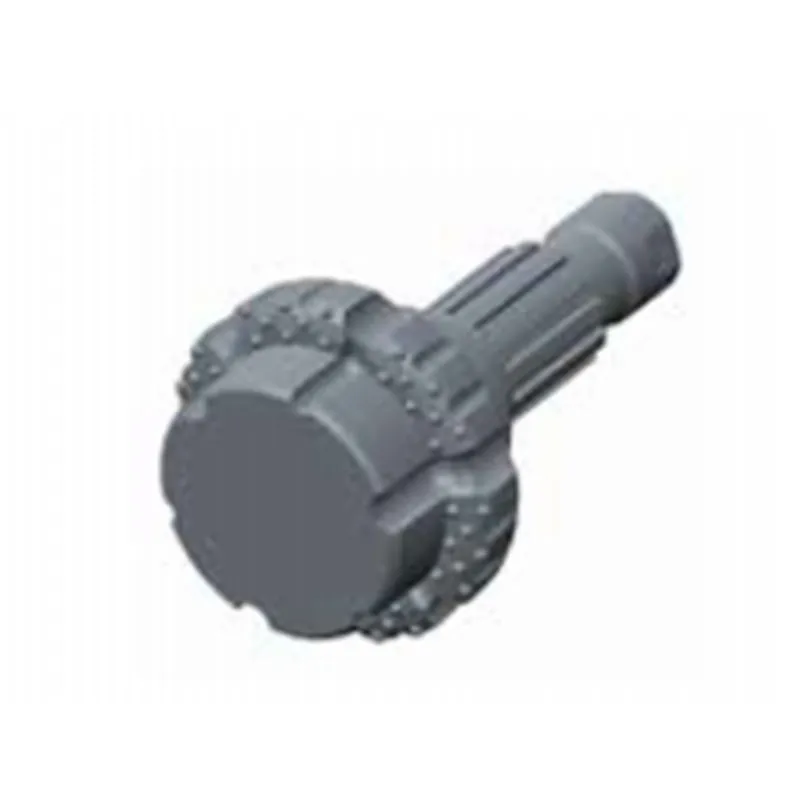
Customization and compliance
Wing count tuning, staged reaming diameters, stabilizer placement, sour-service metallurgy (NACE MR0175-compliant materials), and thread crossovers. Facilities with ISO 9001/14001 and API Q1 quality systems get my vote, especially if they can share batch-level heat treatment charts.
Test data (typical, indicative)
Lab abrasive wear (ASTM G65 Proc. A) on gauge inserts: 68–84 mm³ loss vs. 95–110 mm³ for baseline grades. Field ROP improvement in transitional shale-limestone: ≈12–22% at comparable WOB/RPM. Take that as directional, not gospel.
Vendor landscape
| Vendor | Strengths | Lead time | Certs | Notes |
|---|---|---|---|---|
| Z&Y Mining (Shijiazhuang, China) | Robust multi-wing designs; agile customization | ≈2–4 weeks | ISO 9001/14001, API Q1 | Origin: Tower C 603, MCC World Grand Plaza, No.66 XiangTai Road |
| Global Oilfield Major | Broad spec coverage; strong analytics | 3–6 weeks | API-focused portfolio | Often higher price point |
| Regional HDD Specialist | Great for cobbles/clays; quick service | 1–3 weeks | ISO 9001 | Limited deep-well experience |
Two quick case notes
- NW China carbonate: 12¼″ pilot to 17½″ ream; Hole Opener Drill Bits with dual stabilizers cut trips by one and lifted ROP ~18% vs. prior run.
- HDD river crossing: 14″ to 24″ upsizing through mixed gravels; anti-balling hardface plus higher nozzle count reduced torque spikes 22% (operator logs).
What users are saying
“Cleaner gauge, less chatter.” “Threads came in dead true.” And, occasionally, “wish we’d ordered the extra nozzle kit”—which is a fair point. I guess the lesson is: match hydraulics to solids control, or pay for it later.
Authoritative references:
- API Specification 7-1: Specification for Rotary Drill Stem Elements.
- API RP 7G-2: Recommended Practice for Drill Stem Design and Operating Limits.
- ASTM G65: Standard Test Method for Measuring Abrasion Using the Dry Sand/Rubber Wheel Apparatus.
- ISO 21940: Mechanical vibration—Rotor balancing.
- ISO 9001:2015 Quality Management Systems; NACE MR0175/ISO 15156 for sour service materials.
-
Find the Best Industrial Martillo a la Venta for Professional Needs
NewsApr.16,2026
-
Technical Guide for Herramientas de Perforación Subterránea PDF
NewsApr.09,2026
-
Comprehensive Guide to Underground Drilling Tools Herramientas de Perforación Subterráneas
NewsApr.07,2026
-
Comprehensive Guide to Underground Drilling Tools herramientas de perforación subterránea
NewsApr.04,2026
-
Finding Reliable Proveedores de Compresores de Aire Diesel for Your Industry Needs
NewsMar.31,2026
-
Comprehensive Guide to Diesel Air Compressors and Miningzy Fábrica de Compresores de Aire Diesel
NewsMar.28,2026