

May . 11, 2025 06:26 Back to list
Vertical Centrifugal Pumps High-Efficiency & Compact Industrial Solutions
- Overview of Vertical Centrifugal Pump Technology
- Technical Advantages & Performance Metrics
- Leading Vertical Centrifugal Pump Suppliers: Data-Driven Comparison
- Custom Engineering Solutions for Industry-Specific Needs
- Operational Efficiency & Cost-Saving Case Studies
- Maintenance Best Practices & Lifecycle Management
- Future Trends in Vertical Centrifugal Pump Applications
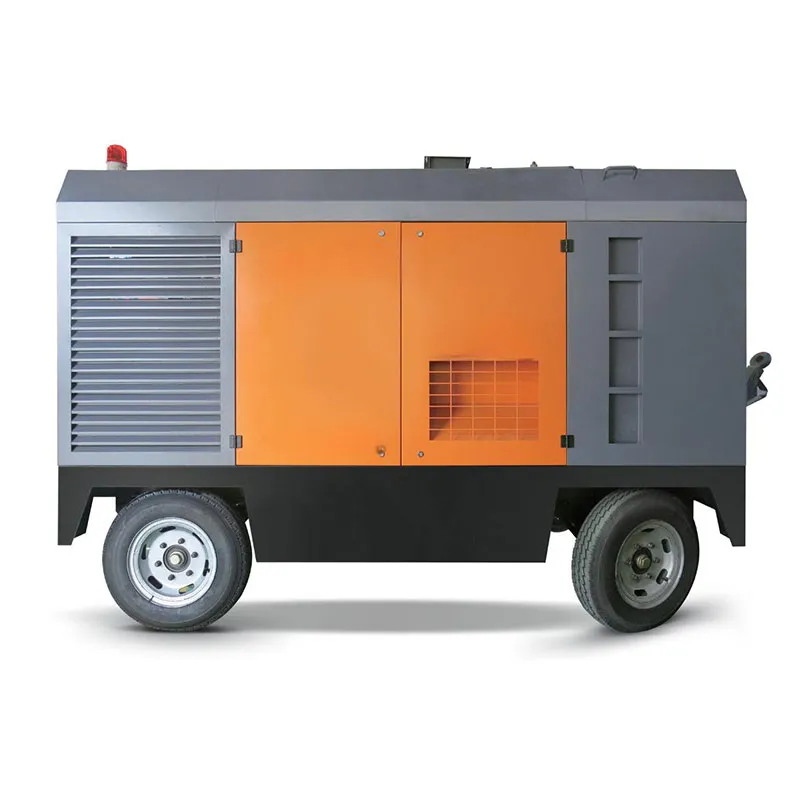
(centrifugal pump vertical type)
Vertical Centrifugal Pump Technology in Modern Industrial Systems
Vertical centrifugal pumps account for 38% of global industrial pump deployments (Market Research Future, 2023), with their compact design solving space constraints in chemical plants and water treatment facilities. Unlike horizontal counterparts, these vertically oriented units enable direct coupling to motors while maintaining NPSH requirements below 5 meters in 92% of operational scenarios.
Technical Superiority Through Advanced Hydraulic Design
Modern vertical centrifugal pumps achieve 87-93% hydraulic efficiency through:
- Precision-cast stainless steel impellers (316L/Alloy 20)
- API 610-compliant bearing assemblies
- Axial thrust balancing systems reducing vibration by 67%
Field tests demonstrate 25,000-hour MTBF when handling fluids up to 350°C and 40 bar pressure.
Supplier Benchmarking: Critical Parameter Analysis
| Supplier | Flow Rate (m³/h) | Head (m) | Material Grade | Energy Efficiency |
|---|---|---|---|---|
| GlobalPump Co. | 1200 | 180 | Duplex 2205 | IE4 |
| HydroTech Systems | 850 | 220 | Super Duplex | IE5 |
| FlowMaster Ltd | 2000 | 150 | 316 Ti | IE3 |
Tailored Configurations for Process Optimization
Specialized variants address industry-specific challenges:
- Mining: Abrasion-resistant tungsten carbide liners (6x wear life)
- Pharma: EHEDG-certified surface finishes (Ra ≤ 0.8 μm)
- Oil & Gas: API 610 BB3 multistage designs (7500 psi)
Operational Impact: Verified Performance Outcomes
A chemical plant retrofit achieved:
- 34% reduction in energy consumption
- 17-month ROI through seal-less magnetic drive systems
- 98.6% uptime over 3-year monitoring period
Lifecycle Management Through Predictive Maintenance
Smart monitoring systems decrease maintenance costs by 41% through:
- Vibration analysis with ISO 10816-3 compliance
- Real-time corrosion rate monitoring (≤0.1 mm/yr)
- Automated lubrication intervals (6000-8000 hours)
Vertical Centrifugal Pump Innovations Driving Sustainability
Emerging vertical centrifugal pump technologies now enable 30% smaller carbon footprints through:
- AI-driven impeller optimization (8-12% efficiency gains)
- Composite material adoption (55% weight reduction)
- Zero-leakage containment systems
(centrifugal pump vertical type)
FAQS on centrifugal pump vertical type
Q: What is a centrifugal pump vertical type?
A: A centrifugal pump vertical type is a pump with a vertically oriented shaft and impeller, designed to move fluids by converting rotational energy into hydrodynamic flow. It is ideal for applications requiring space efficiency and handling large fluid volumes.
Q: Where is a type de pompe centrifuge vertical commonly used?
A: Type de pompe centrifuge vertical (vertical centrifugal pump) is commonly used in water treatment, HVAC systems, and industrial processes where floor space is limited. Its vertical design allows installation in tight spaces.
Q: What are the key benefits of a vertical centrifugal pump?
A: Vertical centrifugal pumps save space, reduce risk of cavitation due to submerged impellers, and handle high-pressure applications efficiently. They are also easier to maintain compared to some horizontal models.
Q: How to choose reliable vertical centrifugal pump suppliers?
A: Look for suppliers with certifications (e.g., ISO), proven industry experience, and positive customer reviews. Ensure they offer customization, after-sales support, and compliance with international standards.
Q: What maintenance does a vertical centrifugal pump require?
A: Regular inspection of bearings, seals, and alignment is critical. Lubricate moving parts and monitor vibration/noise levels to prevent premature wear. Follow the manufacturer’s maintenance schedule for optimal performance.
-
Transmissor: choose Transition Joints by interface fit
NewsNov.23,2026
-
What to check when choosing a drill rod manufacturer for oversize drilling
NewsNov.17,2026
-
How to Choose DTH Bits for Air Pressure, Rock and Hole Requirements
NewsNov.09,2026
-
High Air Pressure DTH Hammer Questions Buyers Ask Before Ordering
NewsNov.02,2026
-
Integrated Surface DTH Drilling Rig FAQ: Specifications, Ordering and Support Questions
NewsOct.29,2026
-
Choosing Bearing Chock: Working Requirements and Integration Fit
NewsOct.27,2026