

Oct . 12, 2025 14:00 Back to list
Bracket | Heavy-Duty, Adjustable, Custom & OEM Mounts
One‑Piece Casting Bracket for Heavy‑Duty Pumps: Field Notes, Specs, and Buying Tips
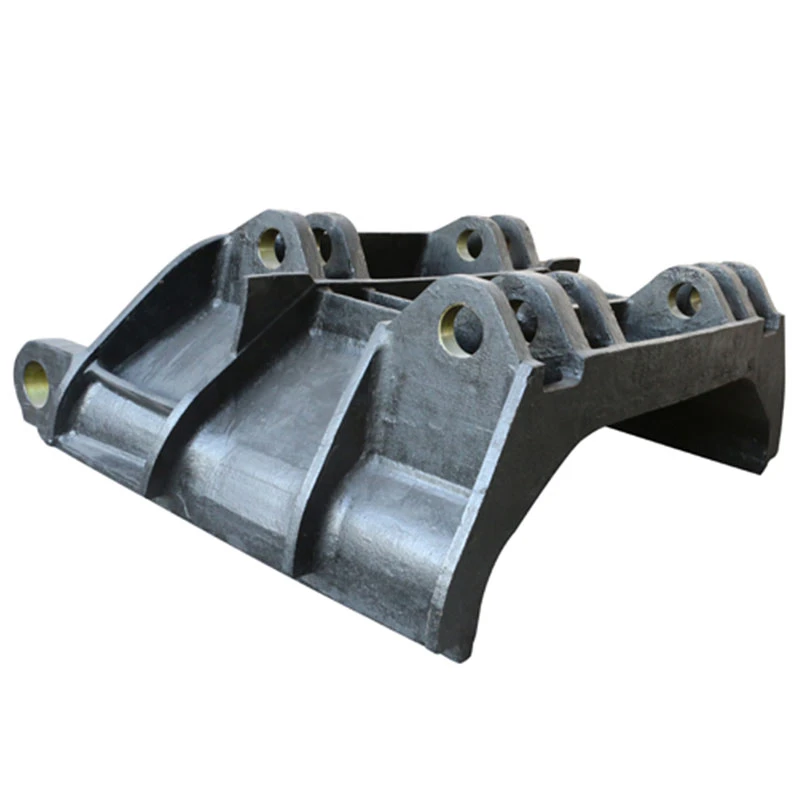
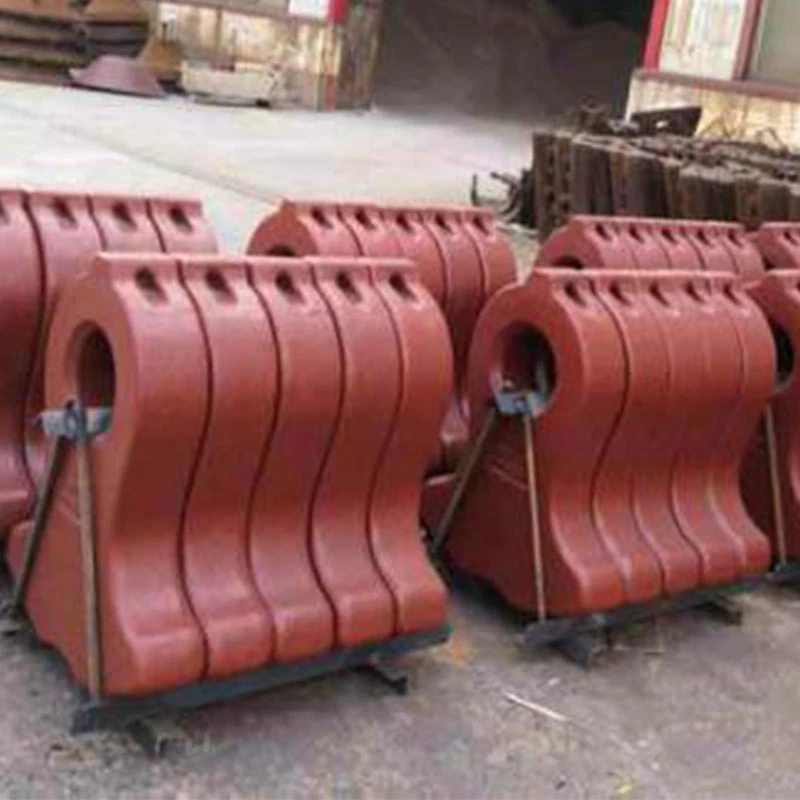
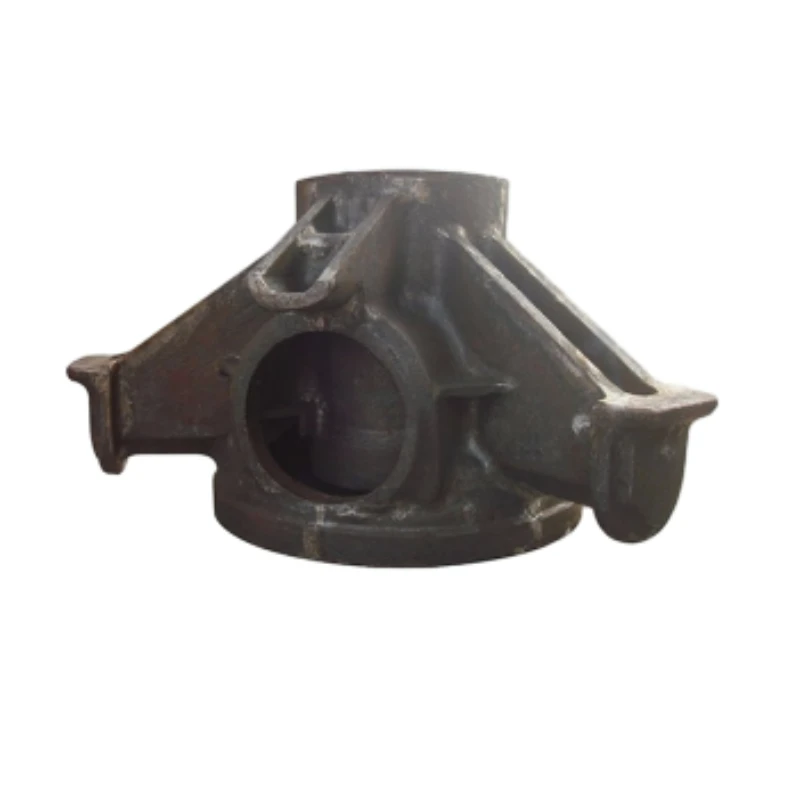
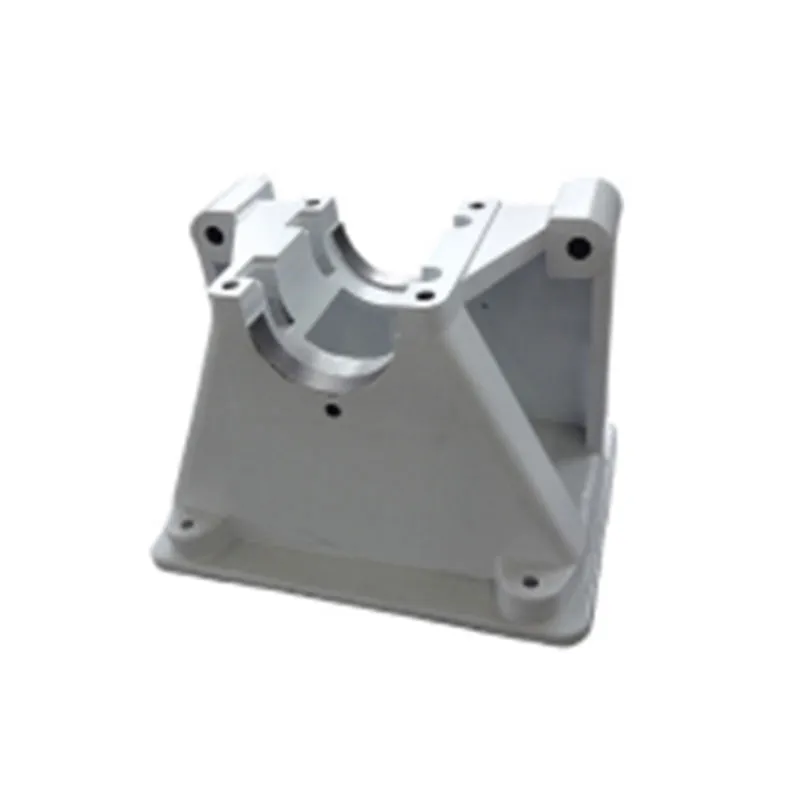
If you live around slurry, caustics, or fine dust (lucky you), the Bracket matters way more than it looks. From Tower C 603, MCC World Grand Plaza, No.66, XiangTai Road, Shijiazhuang, Hebei, China, this component focuses on reliability: a one‑piece casting that cradles the bearing cartridge assembly, minimal through bolts to clamp the pump casing to the frame, and a single‑point impeller adjustment tucked under the bearing cartridge to reduce contamination.
What’s changing in the industry
Trends are pretty clear: fewer fasteners (less downtime), stiffer castings (better vibration behavior), and smarter adjustability. Mines and process plants want predictable alignment and fast shimming, not all‑day tear‑downs. And honestly, with labor tight and throughput targets high, simplicity wins.
Technical overview (the short version)
- One‑piece casting supports the bearing cartridge for stable shaft alignment.
- Minimal through bolts to the frame reduce stress concentrations and speed maintenance.
- Single‑point impeller adjustment below the bearing cartridge—less splash, easier to reach in PPE.
Product specifications
| Parameter | Typical Value / Option |
|---|---|
| Base material | High‑chrome iron (ASTM A532), ductile iron, 316/316L, duplex SS |
| Casting method | Resin‑bonded sand casting; heat‑treat as specified |
| Dimensional tolerance | ISO 8062‑3 grade CT8–CT10 (≈ typical); critical bores to ISO 286 fits |
| Bolt count | Minimal through bolts (varies by frame size) |
| Impeller adjustment travel | ≈ 1.5–3.0 mm (real‑world use may vary) |
| Surface finish (machined) | Ra 1.6–3.2 μm on bearing/locating faces |
| Operating temperature | ‑20 to 200 °C (material dependent) |
| Documentation | EN 10204 3.1 material certs available; NDT reports on request |
Process flow, testing, and service life
Materials are selected per media (abrasive slurries favor high‑chrome; chlorides favor duplex). Methods: pattern → sand casting → heat‑treat → CNC machining → deburr → dimensional inspection → NDT (MT/PT) on critical zones → trial fit with bearing cartridge. Testing references include ISO 8062‑3 for casting tolerances, ISO 286 for fits, ISO 1940‑1 for balance grade of rotating subassemblies, and ISO 10816/20816 guidance for vibration at commissioning. In typical slurry duty, service life often tracks with shaft sealing and lubrication discipline; we see many customers report 18–36 months between bracket‑related interventions when alignment is kept tight.
Internal shop samples (illustrative): flatness on mounting face ≤ 0.05 mm; bore concentricity ≤ 0.02 mm TIR; dye‑penetrant: no relevant indications. Your mileage, of course, depends on frame size and alloy.
Applications and advantages
- Mining slurries, tailings, dredging, phosphates, chemical process pumps.
- Faster rebuilds thanks to the single‑point adjustment under the bearing cartridge.
- Stiffer, one‑piece geometry helps vibration behavior at off‑BEQ points.
Vendor snapshot (quick comparison)
| Vendor | Casting | Adjustment | Lead time | Customization | Notes |
|---|---|---|---|---|---|
| ZY Mining (Bracket) | One‑piece | Single‑point | ≈ 3–6 weeks | Alloy, bolt pattern, coatings | 3.1 certs; NDT on request |
| Vendor A | Fabricated + machined | Shim‑based | ≈ 6–10 weeks | Limited | Good for small frames |
| Vendor B | One‑piece | Dual‑point screws | ≈ 4–8 weeks | Medium | Pricier in duplex |
Customization and integration
Options include bolt patterns for legacy frames, bearing cartridge envelope tweaks, wear‑face overlays, epoxy or ceramic coatings, and corrosion‑grade alloys. Interface drawings and GD&T callouts are provided for fit‑up. Many customers say the single‑point adjuster halves their alignment time—anecdotal, but it tracks with what we’ve seen on rebuild benches.
Quick case notes
- Copper mine, 10/8 slurry pump: upgrade to Bracket in high‑chrome; commissioning vibration dropped ≈18% vs. prior multi‑piece mount; rebuild interval extended one shutdown.
- Phosphate plant, corrosive duty: duplex Bracket, 3.1 certs; operators liked the below‑cartridge adjuster—less spray exposure.
Standards commonly referenced: ISO 1940‑1 (balancing), ISO 10816/20816 (vibration), ISO 8062‑3 (casting tolerances), ISO 286 (fits), ASTM A532 (high‑chrome iron), and API 610 as a design reference for process pump assemblies.
Authoritative citations
- ISO 1940‑1: Mechanical vibration — Balance quality requirements
- ISO 20816 (formerly 10816): Mechanical vibration — Evaluation of machine vibration
- ASTM A532: Abrasion‑Resistant Cast Irons
- ISO 8062‑3: Dimensional tolerances for castings
- API 610: Centrifugal Pumps for Petroleum, Petrochemical and Natural Gas
-
Find the Best Industrial Martillo a la Venta for Professional Needs
NewsApr.16,2026
-
Technical Guide for Herramientas de Perforación Subterránea PDF
NewsApr.09,2026
-
Comprehensive Guide to Underground Drilling Tools Herramientas de Perforación Subterráneas
NewsApr.07,2026
-
Comprehensive Guide to Underground Drilling Tools herramientas de perforación subterránea
NewsApr.04,2026
-
Finding Reliable Proveedores de Compresores de Aire Diesel for Your Industry Needs
NewsMar.31,2026
-
Comprehensive Guide to Diesel Air Compressors and Miningzy Fábrica de Compresores de Aire Diesel
NewsMar.28,2026