
Nov . 07, 2025 15:15 Back to list
Auxiliary Impeller for Slurry Pumps - Cut Leakage, Less Wear
A Field Note on the Workhorse Behind Better Slurry Seals: the Auxiliary Impeller
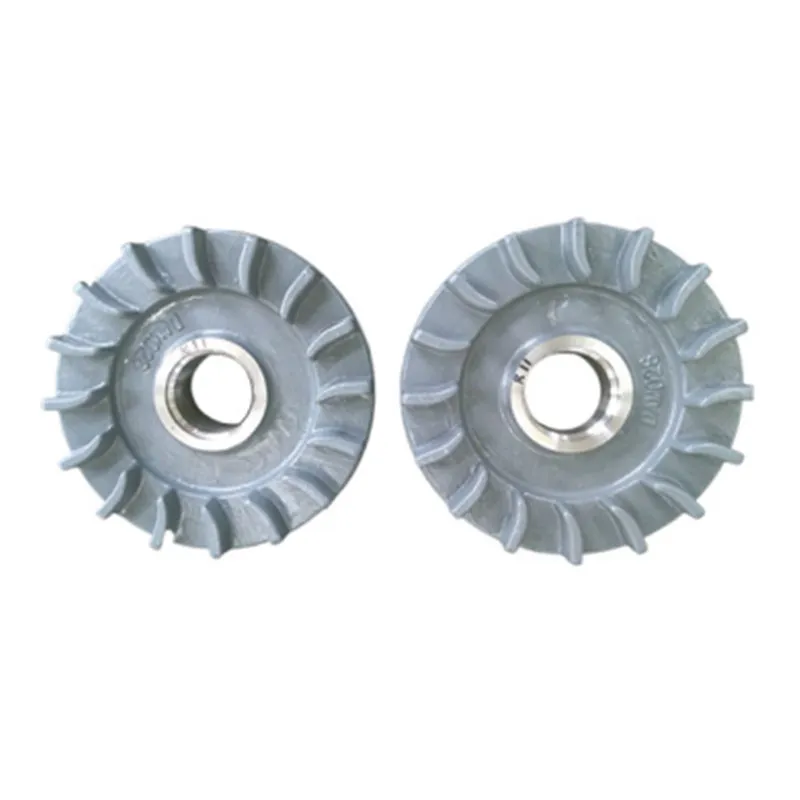
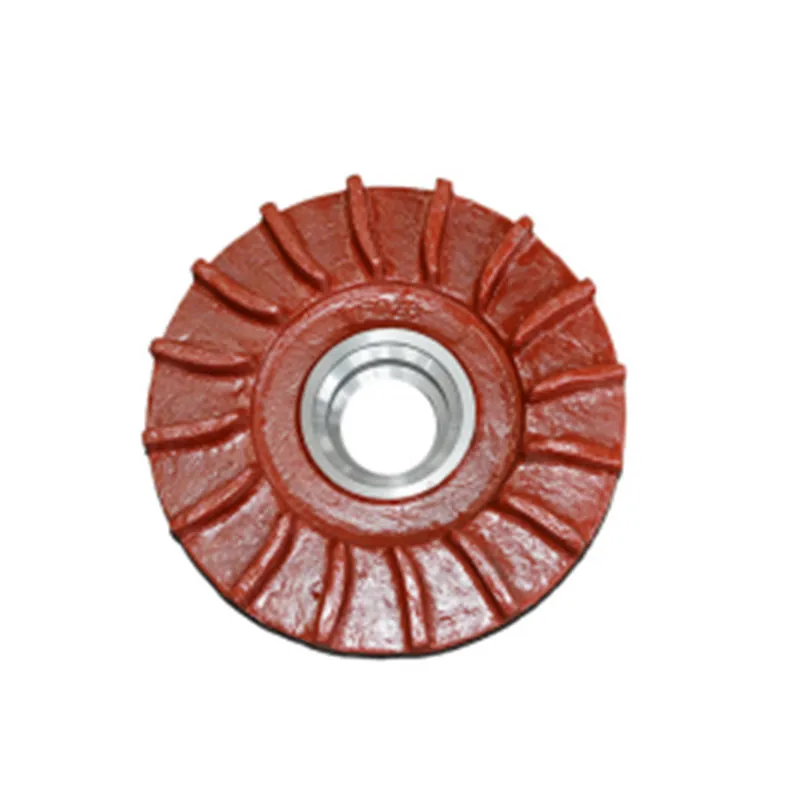
If you work around slurry pumps, you’ve probably argued about seals at 2 a.m. (I have). The unsung hero—often overlooked in the spec sheets—is the Auxiliary Impeller. It’s hydrodynamic, non-contact, and when it’s properly matched to duty, it quietly balances pressures to resist leakage at the main impeller outlet. Not glamorous, but it saves bearings, floors, and tempers.
Origin matters, too. This particular model ships out of Tower C 603, MCC World Grand Plaza, No.66 XiangTai Road, Shijiazhuang, Hebei, China. I mention that because traceability and after-sales support have become hot topics in 2025 procurement meetings.
Industry trend check
Three things I keep hearing: tighter ESG reporting (so less fugitive slurry), longer MTBF targets, and more rubber/ceramic hybrids for aggressive fines. The Auxiliary Impeller fits that trajectory—non-contact sealing means less wear debris and fewer emergency stops. Surprisingly, even conservative sites are piloting hydrodynamic seals on mid-head duties.
How it works (short version)
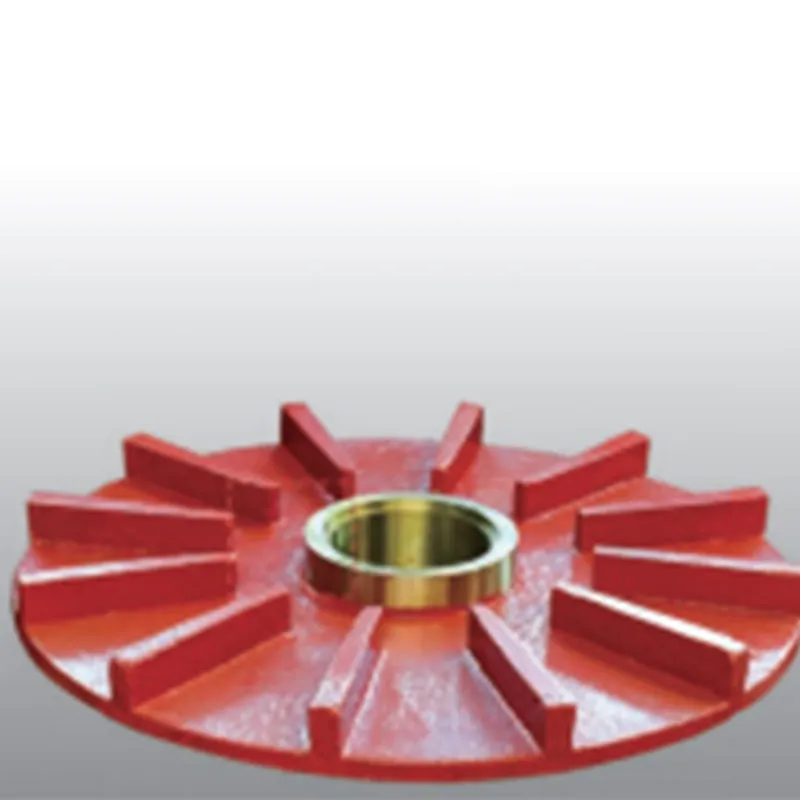
Under rotation, air or water in the Auxiliary Impeller cavity develops pressure. That pressure balances the slurry head at the outer edge, creating a barrier that resists outward leakage. No rubbing faces; less heat. When the pump stops, of course, you still need standby sealing (e.g., soft packing or a shutoff flush)—worth noting during commissioning.
Materials, methods, and testing
- Materials: High-chrome white iron A05 (ASTM A532 Cl.III Type A), natural rubber, 316/CF8M for corrosives.
- Process flow: pattern → sand or lost-foam casting → heat treatment → CNC machining → dynamic balancing → dimensional & hardness checks.
- Testing: ISO 1940-1 balance (G6.3 ≈ standard duty, G2.5 for critical), hardness HRC 58–64 (A05), dye penetrant on critical edges, fit-up to hub tolerances H7/k6.
- Service life: around 6–18 months in typical mine duty; real-world use may vary with SG, solids %, and rpm.
- Certifications: ISO 9001:2015 QMS; material certs EN 10204 3.1 available on request.
Product specifications (typical)
| Sizes (OD) | 150–650 mm ≈ |
| Speed range | 600–2200 rpm (duty-dependent) |
| Recommended SG | ≤ 1.65 (higher with derating) |
| Max solids | Up to 55% wt. (particle size distribution matters) |
| Materials | A05, Rubber, 316/CF8M |
| Balancing | ISO 1940-1 G6.3 (G2.5 optional) |
| Temp range | -10 to 110°C ≈ |
Applications and advantages
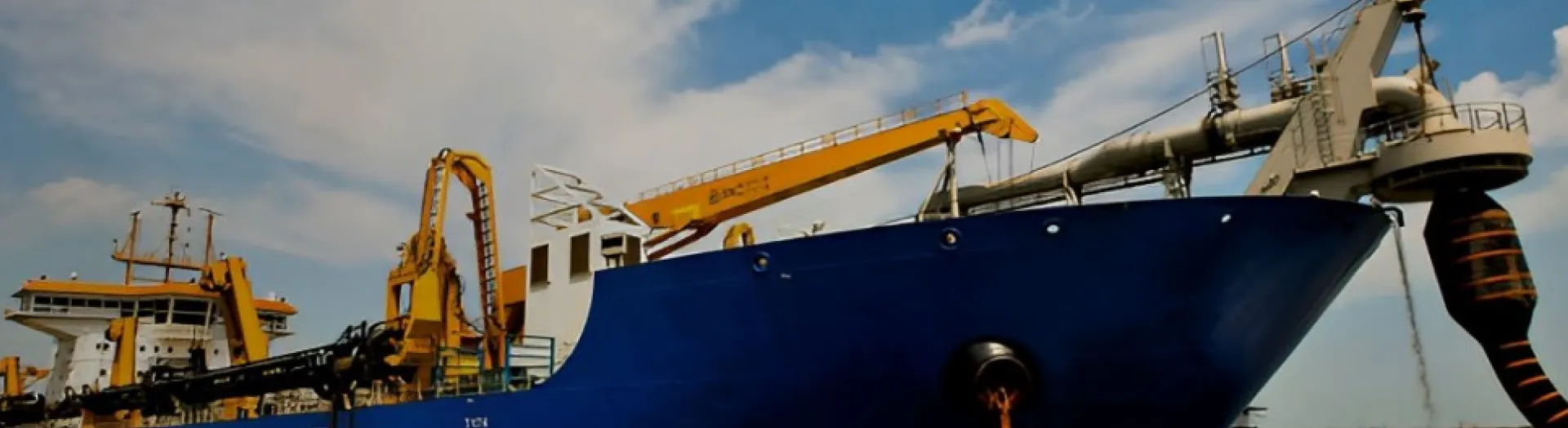
- Mining, dredging, coal prep, FGD, sand & aggregate, tailings transfer.
- Pros: non-contact sealing, lower power draw vs. full mechanical seals at speed, fewer flush-water headaches, better bearing life.
- Caveat: at zero rpm you still need secondary sealing/controls.
Vendor snapshot
| Vendor | Lead Time | Customization | Certs | Notes |
|---|---|---|---|---|
| China OEM (this origin) | 2–5 weeks ≈ | High (materials, hub fit, vane geometry) | ISO 9001, 3.1 material cert | Good price/performance; broad size range |
| EU Regional Maker | 4–8 weeks | Medium | ISO 9001, CE | Premium pricing; fast service locally |
| Local Rebuilder | 1–3 weeks | Medium (reverse-engineer) | Varies | Convenient; check balancing standards |
Customization options
- Vane count/angle tweaks to match pump BEP.
- Hub bore and keyway tolerances per drawing, plus coating on fit surfaces.
- Rubber hardness (45–60 Shore A) or ceramic-clad tips for fine silica.
Field data and feedback
Case in point: a gold plant (WA) swapped to a rubber-lined Auxiliary Impeller on a 10/8 slurry pump at 1450 rpm, SG ~1.35, 48% solids. Leakage incidents dropped ≈72%, bearing temperature fell by 6–9°C, and MTBF went from 4.5 to 8.2 months. One supervisor told me, “We stopped mopping and started mining,” which, honestly, says it all.
Compliance and test references
- Pump performance acceptance per ISO 9906 (Grade 2B typical).
- Rotodynamic design coordination with API 610 concepts (where applicable).
- Material conformance to ASTM A532 for high-chrome components.
- Balance verification per ISO 1940-1 (documented on C of C).
Authoritative citations
- ISO 9906:2012 Rotodynamic pumps — Hydraulic performance acceptance tests.
- API Standard 610, Centrifugal Pumps for Petroleum, Petrochemical and Natural Gas Industries, 12th Ed.
- ASTM A532/A532M — Standard Specification for Abrasion-Resistant Cast Irons.
- ISO 1940-1:2003 Mechanical vibration — Balance quality requirements of rigid rotors.
- EN 10204:2004 Metallic products — Types of inspection documents.
-
Find the Best Industrial Martillo a la Venta for Professional Needs
NewsApr.16,2026
-
Technical Guide for Herramientas de Perforación Subterránea PDF
NewsApr.09,2026
-
Comprehensive Guide to Underground Drilling Tools Herramientas de Perforación Subterráneas
NewsApr.07,2026
-
Comprehensive Guide to Underground Drilling Tools herramientas de perforación subterránea
NewsApr.04,2026
-
Finding Reliable Proveedores de Compresores de Aire Diesel for Your Industry Needs
NewsMar.31,2026
-
Comprehensive Guide to Diesel Air Compressors and Miningzy Fábrica de Compresores de Aire Diesel
NewsMar.28,2026