

Nov . 29, 2025 22:50 Back to list
375cfm Compressor - Industrial Air Power for Mining, Manufacturing & More
The 375cfm Compressor: Why This Industrial Workhorse Matters Worldwide
If you've ever wondered how industries keep their machines humming or how large-scale operations power through challenging environments, the humble yet mighty 375cfm compressor is likely in play. But why does this machinery matter so much globally? Beyond just pushing air, it unlocks productivity, supports critical infrastructure, and even aids humanitarian efforts. Understanding its capabilities and nuances shines a light on why industries, from mining to disaster relief, rely on it daily.
Global Perspectives: The 375cfm Compressor in Today’s Industry Landscape
Compressors are essential globally—according to the International Standards Organization (ISO), compressed air systems contribute approximately 10% of the electricity consumption in manufacturing sectors worldwide. A 375 cubic feet per minute (cfm) compressor sits comfortably in the mid-to-large segment of industrial compressors, providing a robust airflow that keeps plants operational without hefty energy penalties.
Wherever heavy equipment is running continuously—mines in Australia, construction sites in the UAE, or manufacturing plants in Germany—the 375cfm compressor plays a pivotal role. The challenge? Supply reliable, consistent airflow at a manageable cost with minimal downtime. This particular class of compressor is often favored because of balancing power and portability. Oddly enough, despite the rise of electrification and digital transformation, the fundamental air pressure needs (measured by these compressors) remain stubbornly consistent across continents and decades.
Mini takeaway:
Globally, the 375cfm compressor is a vital cog in the industrial machine, balancing energy efficiency with power output—a truly global utility.
Defining the 375cfm Compressor — A Simple Explanation
At its core, a 375cfm compressor is a machine that delivers compressed air at a rate of roughly 375 cubic feet per minute. Compressed air, if you think about it, is like a clean energy currency that powers a whole host of tools and processes—whether pneumatic drills, paint sprayers, or automation lines. This flow rate is substantial enough for medium to large applications, yet manageable for mobile or semi-portable setups.
Linking compressors to modern needs, they're found not only in factories but also in humanitarian settings. For example, rapid-deployment water purification or air filtration units often rely on compressors to operate pumps or air systems effectively. It means the 375cfm compressor is more than just “technical hardware”—it's a lifeline in many scenarios.
Mini takeaway:
Simply put, the 375cfm compressor pushes a strong, steady stream of compressed air that's critical for multiple industries and emergency services alike.
Core Components and Key Factors Behind the 375cfm Compressor’s Success
1. Durability
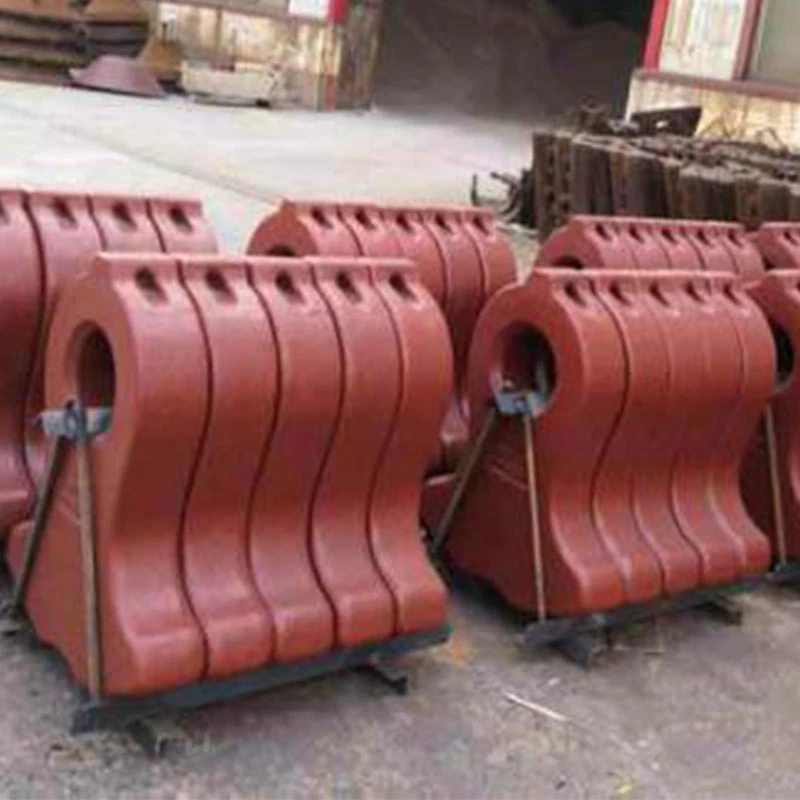
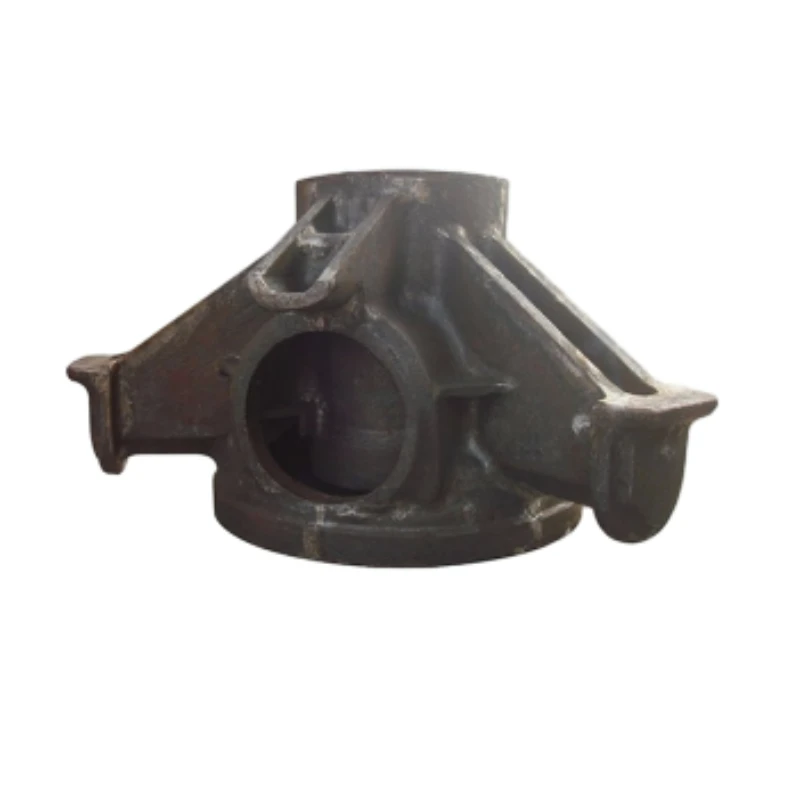
Many engineers swear by compressors built with heavy-duty cast iron pumps and reinforced frames. These machines often run 24/7 in harsh environments, from dusty mining shafts to humid coastal ports. Durability isn’t a bonus—it’s an absolute must.
2. Scalability
Whether you’re outfitting a small workshop or a sprawling mine site, the 375cfm compressor fits right in the middle of the scaling puzzle. It’s large enough to serve multiple tools but small enough to stay on-site without needing an entire room or dedicated infrastructure.
3. Cost Efficiency
Running a compressor is a significant energy expense, so models designed for 375cfm often include technologies like variable speed drives (VSD) and heat recovery systems that lower operational costs. The smarter the compressor, the fewer the dollars down the drain.
4. Portability and Installation
While not tiny, many 375cfm compressors are engineered with mobility in mind. Mobile frames, easy hookup points, and relatively compact footprints make deployment faster and safer. This is especially true in industries like construction or field maintenance.
5. Maintenance & Accessibility
Quick-change filters, easy access panels, and diagnostic interfaces help ensure minimal downtime. After all, a compressor that’s offline can stop the entire workflow.
Mini takeaway:
Durability, scalability, and cost efficiency are just the start. For many users, ease of maintenance and transport tip the scales when choosing the right 375cfm compressor.
375cfm Compressor Worldwide Applications & Use Cases
- Mining Operations: In remote mines in Chile and Canada, the 375cfm compressor powers pneumatic drills and material handling equipment reliably.
- Construction Sites: From New York skyscraper bases to developing urban hubs in African cities, these compressors provide energy for jackhammers, concrete spraying, and more.
- Industrial Manufacturing: Automotive plants in Germany or electronics assembly lines in Taiwan depend on steady, clean air for automation and quality control.
- Disaster Relief: In post-hurricane Puerto Rico, air compressors ran pumps and air filtration units essential to rebuilding infrastructure and providing safe water.
- Remote Energy Projects: Solar farms and wind turbine construction sites use compressors for equipment installation and regular maintenance.
Mini takeaway:
The 375cfm compressor is a true globe-trotter, supporting everything from heavy industry to emergency humanitarian efforts with dependable airflow.
Advantages and Long-Term Value of 375cfm Compressors
There are distinct benefits that make this class of compressor indispensable:
- Energy Savings: Modern designs reduce electricity use, translating to lower emissions and expenses.
- Reliability: High mean time between failures (MTBF) means less downtime and hassle.
- Versatility: Can serve multiple simultaneous tasks, increasing operational efficiency.
- Safety and Comfort: Consistent airflow reduces risk of tool malfunction and helps maintain a safe work environment.
- Long Life Cycle: Well-maintained compressors can easily last 10+ years.
On an emotional note, operators often mention the peace of mind that comes with knowing their compressor won’t quit mid-shift. Reliability breeds trust — the kind that’s priceless when deadlines loom.
Future Trends and Innovations in Compressor Technology
Looking ahead, you’ll find new materials like carbon-fiber reinforced components lightening machines and reducing wear. Green energy integration is also picking up, with solar-powered compressor units now in pilot phases—particularly in remote regions.
On the digital front, predictive maintenance systems employing IoT sensors now monitor vibration, temperature, and airflow in real-time to alert operators before a failure occurs. Automation of start-stop cycles linked to production flow increases energy efficiency further.
Altogether, the 375cfm compressor is evolving—becoming smarter, greener, and more integrated in the industrial internet of things (IIoT) ecosystem.
Common Challenges and How to Overcome Them
Of course, no machine is perfect. Common pain points include noise pollution, wear under extreme conditions, and the upfront cost of more advanced models. Experts recommend:
- Installing sound-dampening enclosures where noise is a concern.
- Regular lubrication and expert servicing to extend life span.
- Model-specific training for operators to maximize efficiency and minimize misuse.
Many vendors now focus on modular designs that let users add filtration units or cooling modules as needed—cutting long-term costs while adapting to evolving site conditions.
Product Specifications Overview: Typical 375cfm Compressor
| Specification | Details |
|---|---|
| Flow Rate | 375 cubic feet per minute (cfm) |
| Pressure Range | 90–150 psi (6.2–10.3 bar) |
| Power Source | Electric or diesel engine options |
| Noise Level | 75–85 dB(A) |
| Weight | Approx. 1500-2000 lbs (680-910 kg) |
Vendor Comparison: Leading 375cfm Compressor Providers
| Vendor | Price Range | Warranty | Notable Feature | After-Sales Support |
|---|---|---|---|---|
| Atlas Copco | $15,000 - $20,000 | 2 years | Variable Speed Drive | Global service network |
| Ingersoll Rand | $13,500 - $18,000 | 1.5 years | Durable cast iron pump | 24/7 tech support |
| Sullair | $14,000 - $19,500 | 2 years | Advanced filtration system | Onsite service available |
Frequently Asked Questions About 375cfm Compressors
Q1: What jobs require a 375cfm compressor instead of smaller ones?
A: The 375cfm capacity is suited for medium to large scale projects where multiple pneumatic tools or machines operate simultaneously. For example, multiple jackhammers or industrial spray painting setups demand this airflow, which smaller compressors can’t sustain efficiently.
Q2: How much maintenance does a 375cfm compressor usually need?
A: Regular maintenance includes oil checks, filter changes, and system inspections every few hundred operating hours—often around every 500 hours or 6 months, whichever comes first. Proactive servicing prevents unexpected failures and extends machine life dramatically.
Q3: Can I use a 375cfm compressor for portable applications?
A: Yes, many models come mounted on trailers or wheeled frames, making them mobile enough for fieldwork. While they aren’t as compact as smaller units, their balance of portability and power fits various rugged applications.
Q4: Are 375cfm compressors eco-friendly?
A: Modern compressors increasingly incorporate variable speed drives and heat recovery to minimize energy use. When paired with green energy sources, they significantly reduce carbon footprints versus older models.
Wrapping It Up: Why the 375cfm Compressor Is More Than Just Machinery
So, after this little deep dive into the 375cfm compressor, it feels clear why these machines are everywhere—and not going anywhere anytime soon. They deliver dependable, cost-efficient compressed air that keeps industries running smoothly and supports critical uses in even the toughest environments. If your projects need robust airflow, it’s worth seriously scouting a 375cfm compressor that suits your needs.
Interested in exploring options? Visit our website: https://www.miningzy.com to find your next compressor solution and get expert advice.
References
-
Find the Best Industrial Martillo a la Venta for Professional Needs
NewsApr.16,2026
-
Technical Guide for Herramientas de Perforación Subterránea PDF
NewsApr.09,2026
-
Comprehensive Guide to Underground Drilling Tools Herramientas de Perforación Subterráneas
NewsApr.07,2026
-
Comprehensive Guide to Underground Drilling Tools herramientas de perforación subterránea
NewsApr.04,2026
-
Finding Reliable Proveedores de Compresores de Aire Diesel for Your Industry Needs
NewsMar.31,2026
-
Comprehensive Guide to Diesel Air Compressors and Miningzy Fábrica de Compresores de Aire Diesel
NewsMar.28,2026