
Mar . 07, 2026 02:15 Back to list
Understanding the Diesel Air Compressor Rear Tower for Optimal Performance
Understanding the Diesel Air Compressor Rear Tower: A Comprehensive Guide
The rear tower of a diesel air compressor is a critical component, playing a vital role in the efficient and safe operation of the entire system. Often overlooked, its proper function directly impacts air delivery, cooling, and overall compressor longevity. This article delves into the design, function, common issues, and maintenance of the diesel air compressor rear tower, providing valuable insights for operators, maintenance personnel, and those seeking to understand these powerful machines. Ensuring the rear tower is in optimal condition is fundamental for consistent and reliable performance, minimizing downtime and maximizing productivity.
What is the Diesel Air Compressor Rear Tower?
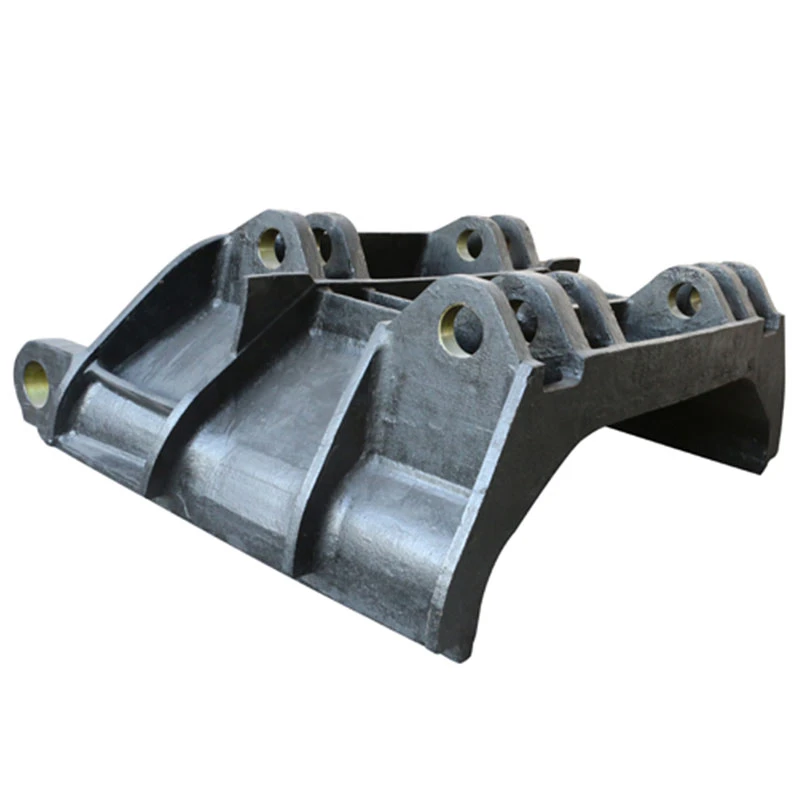
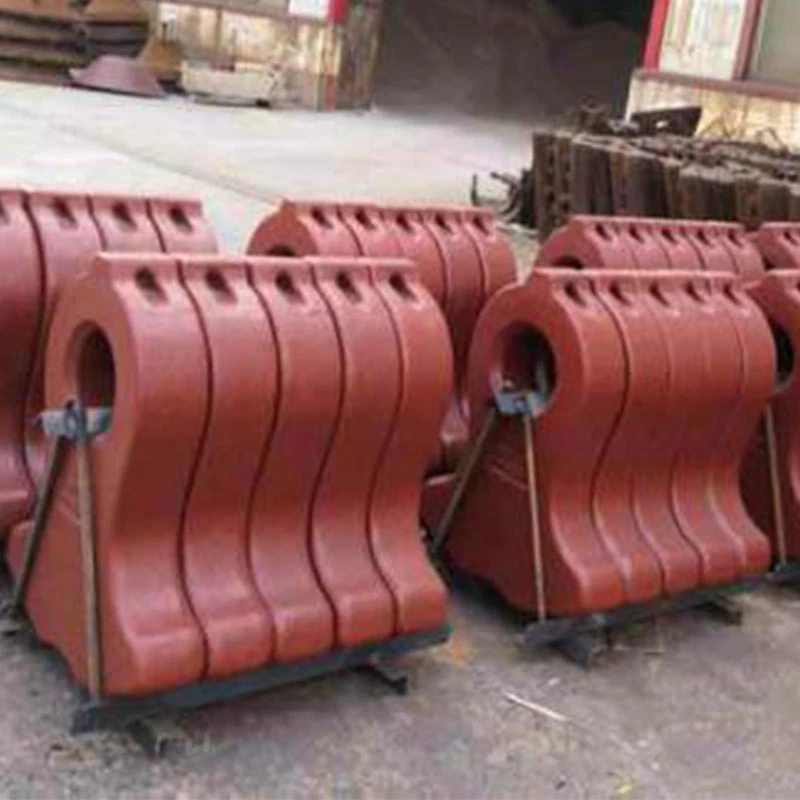
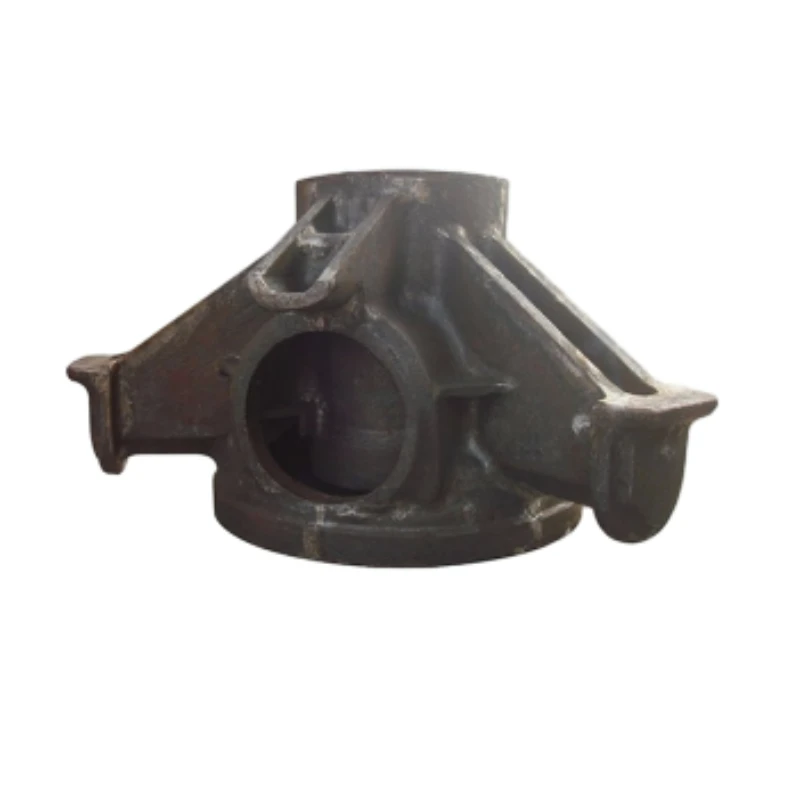
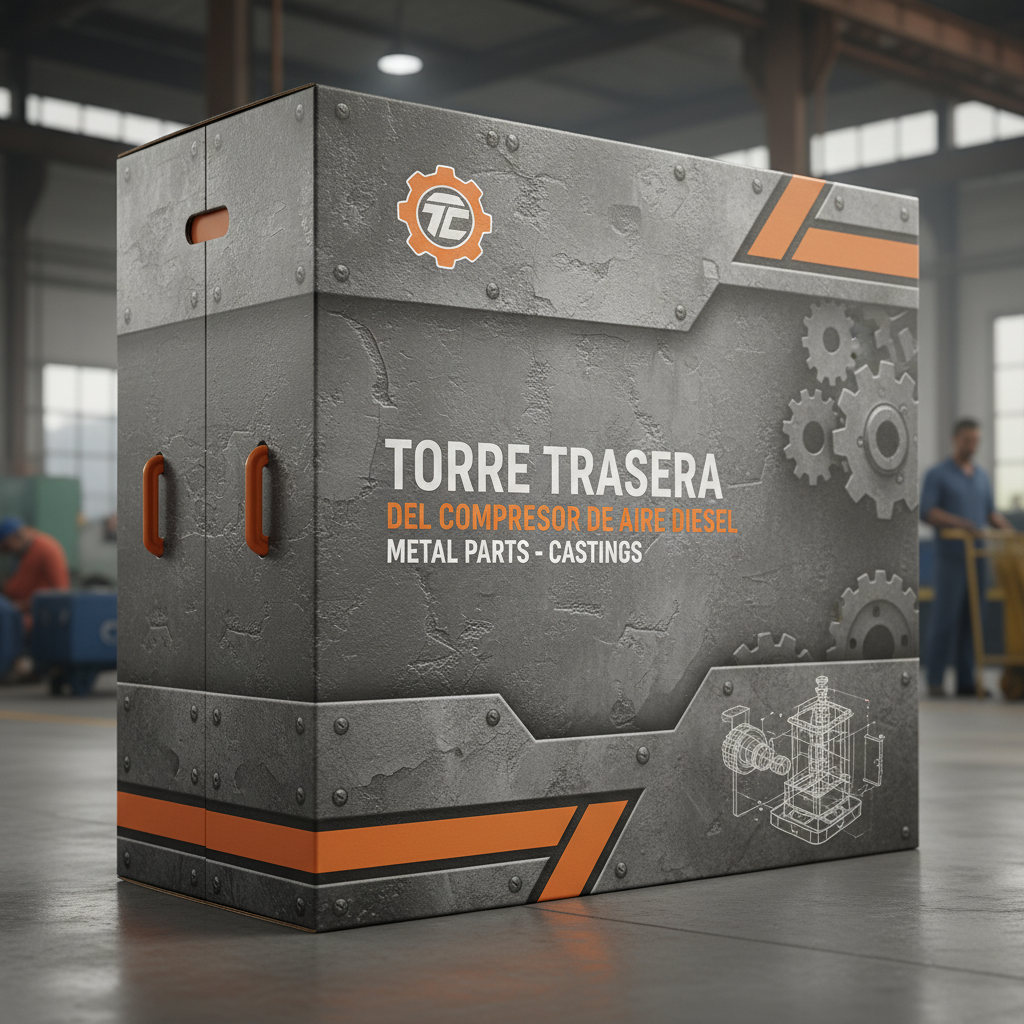
The rear tower, also referred to as the discharge manifold, is the structural component at the rear of the air compressor. It serves several key functions, including collecting compressed air from multiple compressor stages, directing airflow to the aftercooler, and providing mounting points for various components like pressure relief valves, pulsation dampeners, and discharge piping. It’s typically constructed from robust materials, such as cast iron or steel, to withstand high pressures and vibrations. A well-designed rear tower promotes even airflow, minimizes pressure drop, and contributes to efficient compressor operation. Understanding its role is crucial for effective troubleshooting and maintenance. Miningzy specializes in high-quality rear towers designed for optimal performance and durability.
Key Functions: Collects compressed air, directs airflow, mounting point for components, ensures efficient compressor operation.
Key Components of a Diesel Air Compressor Rear Tower
A typical diesel air compressor rear tower incorporates several vital components working in harmony. These include the discharge manifold itself, responsible for collecting and distributing compressed air. Pressure relief valves (PRVs) are essential safety devices preventing over-pressurization. Pulsation dampeners minimize pressure fluctuations, reducing noise and vibration. The aftercooler connections allow for air cooling, improving efficiency and air quality. Discharge piping connects the tower to the downstream air distribution system. Finally, mounting brackets and supports provide structural integrity. The quality and proper functioning of each component contribute to the overall reliability of the compressor system.
Essential Components:
• Discharge Manifold
• Pressure Relief Valves (PRVs)
• Pulsation Dampeners
• Aftercooler Connections
• Discharge Piping
Common Issues with Diesel Air Compressor Rear Towers
Several issues can arise with the rear tower, impacting compressor performance. Corrosion, particularly in harsh environments, can weaken the structure and lead to leaks. Cracking due to fatigue or stress can compromise the integrity of the manifold. Blockages from oil carryover or debris can restrict airflow, reducing efficiency. Malfunctioning pressure relief valves can lead to over-pressurization. Loose connections can cause air leaks and reduced pressure. Regular inspection and preventative maintenance are critical for identifying and addressing these issues before they escalate into major problems. Miningzy provides robust rear towers designed to minimize these vulnerabilities.
Maintenance and Inspection Best Practices
Preventative maintenance is paramount for ensuring the long-term reliability of the rear tower. Regularly inspect for signs of corrosion, cracks, or leaks. Check the functionality of pressure relief valves and pulsation dampeners. Ensure all connections are tight and secure. Clean the tower to remove any accumulated debris or oil buildup. Follow the manufacturer’s recommendations for lubrication and component replacement. Implementing a scheduled maintenance program will significantly reduce the risk of unexpected downtime and costly repairs. Miningzy’s rear towers are designed for easy maintenance and long-lasting performance.
Choosing the Right Diesel Air Compressor Rear Tower
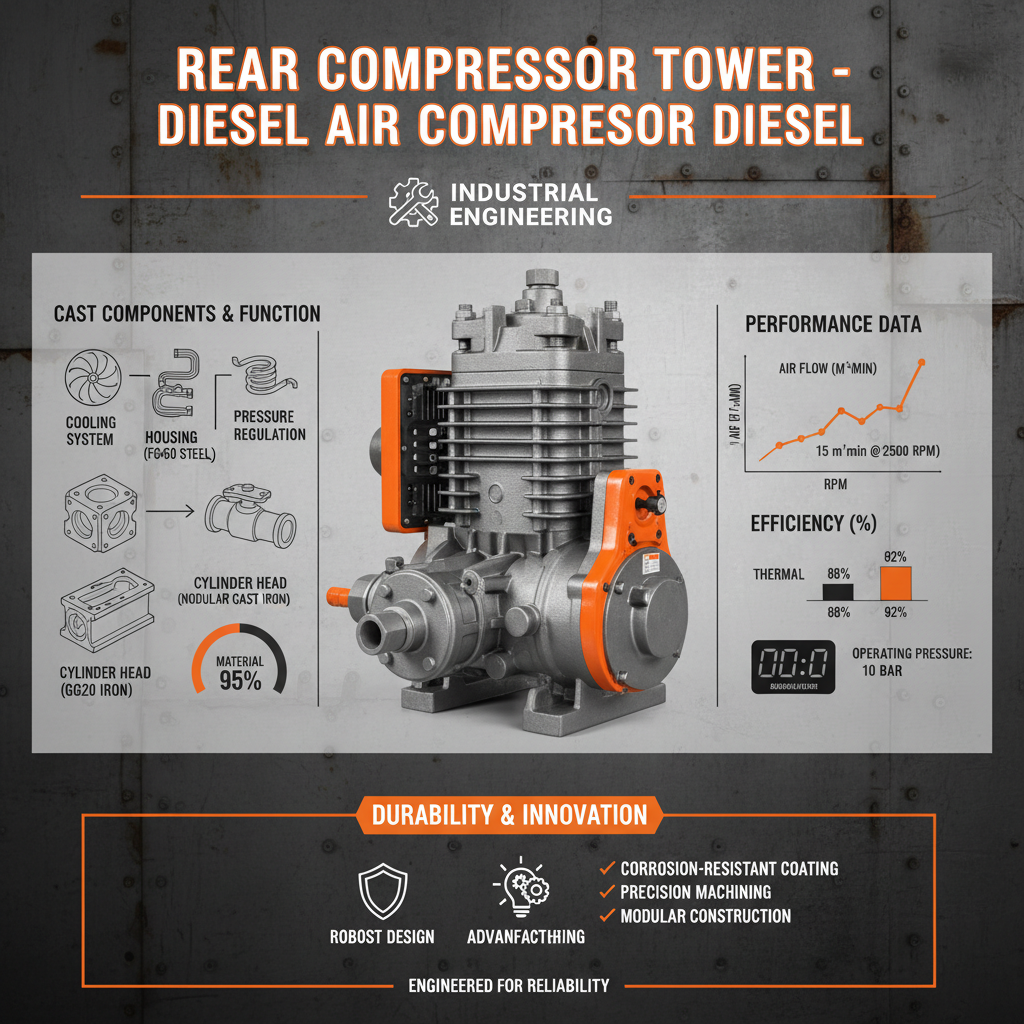
Selecting the correct rear tower is crucial for optimal compressor performance and longevity. Consider the compressor’s capacity, operating pressure, and environmental conditions. Ensure the tower is constructed from durable, corrosion-resistant materials. Verify compatibility with existing components and piping. Choose a reputable supplier with a proven track record of quality and reliability. Miningzy offers a comprehensive range of rear towers to suit diverse applications, backed by expert support and exceptional customer service.
Conclusion: Ensuring Optimal Performance with a Reliable Rear Tower
The diesel air compressor rear tower is a vital, often underestimated, component. Proper maintenance, regular inspection, and selecting a high-quality tower from a trusted supplier like Miningzy are essential for maximizing compressor efficiency, minimizing downtime, and ensuring long-term reliability. Don't compromise on the integrity of this critical component – invest in quality for lasting performance.
Frequently Asked Questions (FAQs)
What are the signs that a rear tower needs replacement?
Several signs indicate the need for rear tower replacement. These include extensive corrosion, significant cracking, persistent leaks that cannot be repaired, and malfunctioning pressure relief valves. If the tower’s structural integrity is compromised, replacement is crucial for safety and performance. A qualified technician should assess the tower's condition and recommend the appropriate course of action. Ignoring these signs can lead to catastrophic failure and costly downtime.
How often should I inspect the rear tower?
Regular inspection is key. A visual inspection should be performed at least monthly, and a more thorough inspection should be conducted during scheduled maintenance intervals (e.g., every 3-6 months). Pay close attention to corrosion, cracks, leaks, and the functionality of safety devices. Keep a detailed record of all inspections and any maintenance performed. Early detection of issues can prevent them from escalating into major problems.
Can the rear tower be repaired, or is replacement always necessary?
Minor repairs, such as tightening loose connections or replacing gaskets, may be possible. However, significant corrosion or cracking typically necessitates replacement. Attempting to repair severely damaged components can compromise the structural integrity of the tower and pose a safety risk. A qualified technician should assess the damage and determine the most appropriate course of action. Miningzy provides both replacement towers and expert advice on repair versus replacement decisions.
-
Find the Best Industrial Martillo a la Venta for Professional Needs
NewsApr.16,2026
-
Technical Guide for Herramientas de Perforación Subterránea PDF
NewsApr.09,2026
-
Comprehensive Guide to Underground Drilling Tools Herramientas de Perforación Subterráneas
NewsApr.07,2026
-
Comprehensive Guide to Underground Drilling Tools herramientas de perforación subterránea
NewsApr.04,2026
-
Finding Reliable Proveedores de Compresores de Aire Diesel for Your Industry Needs
NewsMar.31,2026
-
Comprehensive Guide to Diesel Air Compressors and Miningzy Fábrica de Compresores de Aire Diesel
NewsMar.28,2026