
Aug . 21, 2025 21:20 Back to list
Premium Drill Rod & Tool Steel | Superior Drilling Performance
The Backbone of Industrial Progress: Understanding Drill Rod and Tool Steel
In the demanding world of extractive industries, construction, and specialized manufacturing, the integrity and performance of drilling components are paramount. At the heart of these operations lies drill rod and tool steel, a critical category of materials engineered to withstand extreme forces, abrasive conditions, and corrosive environments. This comprehensive guide delves into the intricate details of these essential materials, exploring their sophisticated manufacturing processes, diverse applications, and the technological advancements that define their excellence. For professionals seeking unparalleled durability, precision, and efficiency in their drilling operations, understanding the nuances of these steels is not merely beneficial—it is foundational.
The global demand for high-performance drilling solutions continues to escalate, driven by complex geological formations and the imperative for operational efficiency. This necessitates a profound grasp of the material science, mechanical properties, and application-specific advantages that define premium drill rod and tool steel. Our exploration will cover everything from the metallurgical foundations to the rigorous quality assurance protocols, aiming to provide a holistic perspective for B2B decision-makers and technical personnel.
Industry Trends and Technological Evolution in Drilling Rods
The landscape of drilling technology is perpetually evolving, influenced by advancements in material science, automation, and environmental considerations. Modern trends in drill rod and tool steel manufacturing are primarily focused on enhancing durability, reducing operational costs, and improving safety. There's a noticeable shift towards advanced alloy compositions that offer superior fatigue resistance and tensile strength, crucial for deep-hole drilling and challenging geological formations. Furthermore, the integration of smart manufacturing techniques, including real-time monitoring and predictive maintenance, is transforming how these components are produced and utilized.
Current market dynamics indicate a strong preference for drill tech rods that can withstand higher rotational speeds and greater axial loads, thereby minimizing downtime and increasing productivity. The demand for specialized dth drill rod (Down-The-Hole drill rod) for percussive drilling applications continues to grow, driven by its efficiency in hard rock formations. Innovations in surface hardening treatments, such as nitriding and carburizing, are also extending the lifespan of these critical components, providing significant long-term value to end-users. Manufacturers are also increasingly focusing on sustainable practices, optimizing material usage and energy consumption throughout the production lifecycle.
Another significant trend involves the development of lighter, yet stronger, materials. This not only reduces the overall weight of drilling assemblies, leading to lower fuel consumption and easier handling, but also enables deeper drilling capabilities. The global drill rod price is influenced by these material and manufacturing advancements, balancing the cost of advanced alloys and complex processes with the long-term benefits of enhanced performance and longevity for drill rod and tool steel.
The Art and Science of Manufacturing Drill Rod and Tool Steel
The production of high-performance drill rod and tool steel is a meticulous process, combining advanced metallurgy with precision engineering. Each step is critical to ensure the final product meets the stringent demands of industrial drilling operations. The selection of raw materials is foundational, typically involving high-carbon alloy steels, chromium-molybdenum steels, or proprietary blends known for their exceptional strength-to-weight ratio and resistance to wear and fatigue.
Comprehensive Manufacturing Process Flow:
- 1. Material Selection & Preparation: Begins with sourcing premium-grade steel billets. Chemical composition is rigorously tested to ensure adherence to specified metallurgical standards (e.g., AISI 4140, 4340, or proprietary tool steel grades).
- 2. Forging: Billets are heated to precise temperatures and then forged, either open-die or closed-die, to refine the grain structure and eliminate internal defects. This process significantly improves the material's mechanical properties, including toughness and fatigue resistance, creating the initial form of the drill rod and tool steel.
- 3. Heat Treatment: A critical phase involving quenching and tempering. This process optimizes the steel's hardness, strength, and ductility. Specific heat treatment cycles are tailored to achieve desired properties like superior wear resistance or exceptional impact strength, depending on the intended application.
- 4. Machining (CNC Precision): Post-heat treatment, the rods undergo precision machining, often utilizing Computer Numerical Control (CNC) technology. This ensures exact dimensional accuracy, precise threading, and flawless surface finishes. High-precision threading is vital for secure connections between drilling rods and bits, preventing costly failures during operation.
- 5. Straightening: Rods are precisely straightened to minimize run-out and ensure smooth, stable drilling. This step is crucial for maintaining borehole accuracy and reducing wear on drilling equipment.
- 6. Surface Treatment & Coating (Optional): Depending on the application, rods may receive specialized surface treatments like nitriding, carburizing, or protective coatings. These treatments enhance corrosion resistance, reduce friction, and further improve wear characteristics, extending the service life.
- 7. Rigorous Quality Inspection & Testing: Every batch of drill rod and tool steel undergoes comprehensive quality control. This includes:
- Non-Destructive Testing (NDT): Ultrasonic testing, magnetic particle inspection, and eddy current testing to detect internal flaws or surface cracks.
- Mechanical Property Testing: Tensile strength, yield strength, elongation, reduction of area, hardness (Rockwell, Brinell), and Charpy impact tests.
- Dimensional Accuracy: Precise measurements to ensure compliance with specified tolerances.
- Thread Inspection: Gauging and visual inspection to ensure thread integrity and compatibility.
- 8. Final Finishing & Packaging: Rods are cleaned, coated with corrosion inhibitors, and securely packaged for transport, ensuring they arrive at the client's site in optimal condition.
The lifespan of a drill rod and tool steel product is directly correlated with the quality of its manufacturing and the materials used. Superior manufacturing processes result in drill tech rods that offer extended operational longevity, reducing replacement frequency and overall project costs. These advanced manufacturing techniques ensure products are not only durable but also offer enhanced performance in demanding environments, such as those found in petrochemical, metallurgy, and water supply industries, providing benefits like corrosion resistance and improved energy efficiency.
Critical Technical Parameters of Drill Rod and Tool Steel
Understanding the technical specifications of drill rod and tool steel is essential for selecting the right equipment for specific drilling challenges. These parameters dictate the rod's performance under various stresses, its resistance to wear, and its overall operational lifespan. Below is a detailed table outlining key technical parameters for typical high-performance Drill Rods used in demanding industrial applications.
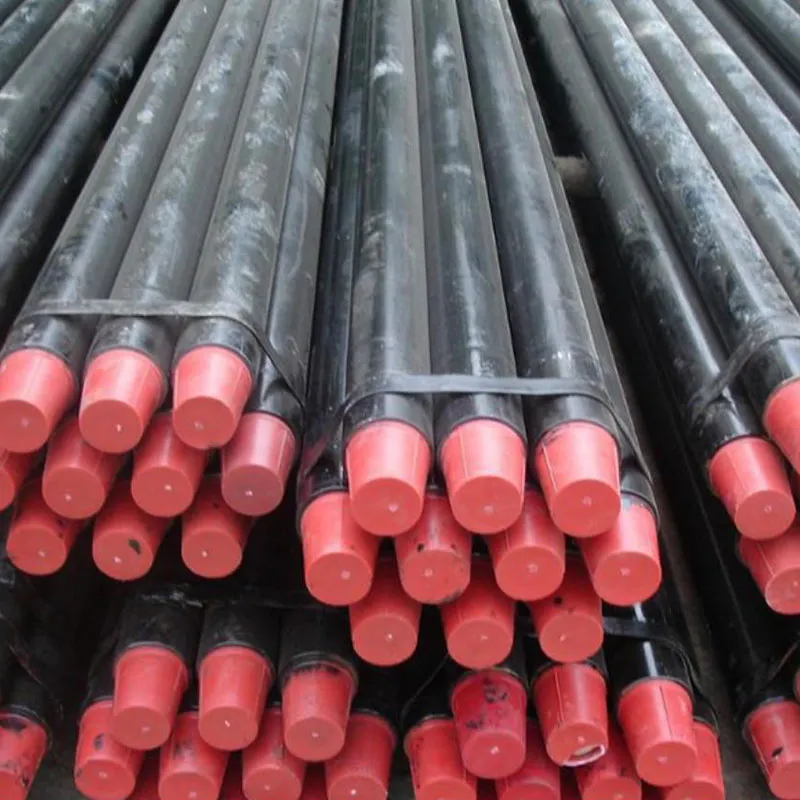
Figure 1: High-strength drill rod and tool steel engineered for extreme mining conditions.
| Parameter | Typical Value Range (High-Performance Drill Rods) | Significance for Performance |
|---|---|---|
| Material Grade | AISI 4140, 4340, 30CrNiMo, Proprietary High-Strength Alloys | Determines base strength, toughness, and hardenability. Crucial for resisting twisting and bending stresses. |
| Tensile Strength (UTS) | 1100 – 1600 MPa (160 – 230 ksi) | Maximum stress a material can withstand while being stretched or pulled before breaking. High UTS is vital for deep drilling and heavy loads. |
| Yield Strength (YS) | 900 – 1400 MPa (130 – 200 ksi) | Stress at which the material begins to deform plastically. Higher YS means greater resistance to permanent deformation under load. |
| Hardness | 30 – 45 HRC (Rockwell Hardness C scale) | Resistance to localized plastic deformation (indentation or scratching). Higher hardness contributes to wear resistance. |
| Impact Strength (Charpy V-notch) | > 40 J at 20°C (30 ft-lb) | Material's ability to absorb energy and plastically deform without fracturing. Critical for drilling rods and bits operating in environments with sudden shocks or vibrations. |
| Fatigue Limit | Typically 50-60% of UTS (Rotating Bending Fatigue) | The stress level below which a material can endure an infinite number of load cycles without failing. High fatigue limit is essential for long-term reliability. |
| Corrosion Resistance | Excellent (especially with surface treatments) | Ability to resist chemical degradation in harsh drilling fluids or groundwater. Crucial for extending lifespan and preventing premature failure. |
| Diameter Range | 38 mm to 203 mm (1.5 in to 8 in) - Customizable | Determines drilling capacity and compatibility with various drill rigs and boreholes. |
| Length Range | 1.5 m to 9 m (5 ft to 30 ft) - Customizable | Affects drilling depth per run and overall efficiency. Longer rods reduce connection time. |
| Thread Connections | API RP7G (e.g., NC, IF), BECO, Metzke, IR (DTH), Proprietary | Ensures secure, leak-proof, and robust connection between rods and other downhole tools. Thread design is critical for torque transmission and resistance to unthreading. |
These parameters are meticulously controlled during the manufacturing process to ensure each drill rod and tool steel product delivers consistent, reliable performance in the field. Clients should always verify these specifications against their project requirements to guarantee optimal drilling outcomes and to ensure they are getting the best value for their drill rod price.
Diverse Applications and Unmatched Technical Advantages
The versatility and robustness of drill rod and tool steel make them indispensable across a wide spectrum of industries. From pioneering new mining fronts to establishing critical infrastructure, these components are at the forefront of progress. Their technical advantages translate directly into operational efficiencies and enhanced safety.
Key Application Scenarios:
- Mining & Quarrying: Essential for blast-hole drilling, exploration, and rock reinforcement. High-strength drill rod and tool steel withstand the abrasive and impact forces common in hard rock formations, crucial for both surface and underground operations.
- Oil & Gas Exploration: Used in directional drilling, horizontal drilling, and deep well applications. The corrosion resistance and high tensile strength of Drill Rods are vital for navigating complex subterranean environments with varying pressures and corrosive fluids.
- Geothermal Drilling: Demands tools capable of operating in extremely high temperatures and corrosive geothermal fluids. Specialized alloys are engineered to maintain integrity under these punishing conditions.
- Water Well & Geotechnical Drilling: For constructing water wells, installing monitoring wells, and conducting soil investigations. Durability and ease of handling are key advantages, facilitating rapid and accurate boreholes.
- Construction & Infrastructure: Employed in piling, foundation work, tunneling, and anchoring. The precision and strength of drill tech rods ensure structural stability and project efficiency.
Technical Advantages Across Industries:
Premium drill rod and tool steel deliver distinct advantages that enhance operational performance and profitability:
- Exceptional Corrosion Resistance: Particularly important in industries like petrochemical and water supply/drainage, where exposure to aggressive chemicals or saline water is common. Advanced coatings and material compositions significantly extend the life of these tools in such environments.
- Superior Wear Resistance: Achieved through optimized heat treatment and specialized surface hardening techniques. This reduces material loss from abrasion and friction, common in metallurgy and hard rock drilling, leading to prolonged service life for drilling rods and bits.
- High Fatigue Strength: Essential for applications involving repetitive dynamic loads, ensuring the drill rod and tool steel can endure millions of cycles without material fatigue and catastrophic failure. This is a hallmark of quality in high-performance dth drill rod.
- Enhanced Energy Efficiency: Lighter yet stronger designs, coupled with smooth, low-friction surfaces, minimize energy consumption during drilling operations. This contributes to lower fuel costs and reduced wear on drill rigs, embodying the 'energy-saving' advantage.
- Dimensional Stability & Precision: Rigorous manufacturing controls ensure consistent dimensions and straightness, minimizing vibrations and improving drilling accuracy. This precision is critical for complex directional drilling paths and maintaining borehole integrity.
- Extended Service Life: The cumulative effect of superior material science, advanced manufacturing processes, and stringent quality control results in drill rod and tool steel products with significantly longer operational lifespans, translating into lower total cost of ownership for the end-user.
These advantages highlight why investing in high-quality drill rod and tool steel is not just a procurement decision, but a strategic investment in operational reliability, efficiency, and safety. The long-term savings derived from reduced downtime and extended equipment life far outweigh the initial drill rod price considerations.
Choosing Your Partner: Factors for Manufacturer Comparison
Selecting the right manufacturer for drill rod and tool steel is a critical decision that impacts project timelines, operational costs, and safety. While numerous suppliers exist, their capabilities, quality control, and customer support vary significantly. B2B decision-makers should evaluate potential partners based on a comprehensive set of criteria that go beyond mere drill rod price.
Key Evaluation Criteria for Drill Rod Manufacturers:
- Research & Development (R&D) Capabilities: A leading manufacturer invests heavily in R&D, continuously innovating material compositions, manufacturing processes, and product designs. This ensures their products remain at the forefront of technological advancements, adapting to evolving industry needs and geological challenges.
- Manufacturing Precision & Scale: Assess the manufacturer's facilities, machinery (e.g., advanced CNC machines, robotic welding), and capacity. Precision in manufacturing directly correlates with the durability and performance of Drill Rods. A large-scale operation indicates capability to handle substantial orders with consistent quality.
- Quality Control & Certifications: Look for strict adherence to international standards like ISO 9001, API Spec 7-1, and ASTM. Comprehensive quality assurance procedures, including material traceability, NDT, and mechanical testing, are non-negotiable for reliable drill rod and tool steel. Our commitment to ISO and other industry-specific certifications underscores our dedication to unparalleled quality.
- Experience and Authority in the Field: A reputable company will have a long service history, demonstrable experience in diverse drilling environments, and a portfolio of successful projects. Evidence of authority includes industry recognition, publications, and long-standing partnerships. MiningZY, with years of specialized experience in high-performance drilling rods and bits, stands as a testament to this authority.
- Customization Capabilities: The ability to provide tailored solutions for specific project requirements (e.g., unique material grades, thread types, or rod lengths) is a significant advantage. This flexibility ensures optimal performance in niche or challenging applications.
- After-Sales Support & Warranty: A strong warranty policy and responsive customer support, including technical assistance and spare parts availability, are crucial for minimizing downtime and ensuring long-term operational success for drill rod and tool steel products.
- Supply Chain Reliability: Evaluate their ability to meet delivery schedules consistently. A robust and efficient supply chain is vital for timely project execution, particularly for large-scale operations requiring continuous supply of drill tech rods.
By meticulously evaluating these factors, businesses can forge a partnership with a manufacturer that not only supplies high-quality drill rod and tool steel but also acts as a strategic asset, contributing to the overall success and profitability of their drilling ventures. Our emphasis on expertise, experience, authoritativeness, and trustworthiness means we are more than just a supplier; we are a dedicated partner in your success.
Tailored Solutions: Customized Drill Rod and Tool Steel for Unique Challenges
Every drilling project presents a unique set of challenges, from geological complexities to specific operational demands. A one-size-fits-all approach to drill rod and tool steel often leads to suboptimal performance, increased wear, and higher overall costs. Recognizing this, leading manufacturers offer highly customized solutions, precisely engineering Drill Rods to meet the exact requirements of the most demanding applications.
The Customization Process:
- 1. Detailed Needs Assessment: This initial phase involves close collaboration with the client to understand the specific drilling environment (rock type, depth, temperature, corrosive elements), equipment specifications, and performance objectives. This allows us to identify the optimal material and design for your drill rod and tool steel.
- 2. Material & Design Engineering: Based on the assessment, our metallurgical and engineering teams propose specific alloy compositions (e.g., custom heat treatments for enhanced toughness or wear resistance), precise dimensional tolerances, and specialized thread configurations. For dth drill rod, this might involve unique internal geometries for air flow optimization.
- 3. Prototyping & Testing: Before full-scale production, prototypes of the customized drill rod and tool steel may be produced and rigorously tested under simulated or actual field conditions. This ensures that the tailored solution performs exactly as expected, meeting or exceeding client specifications and international standards.
- 4. Production & Quality Assurance: Once the design is validated, the custom drill tech rods enter full production, adhering to the same stringent quality control protocols as standard products, ensuring consistency and reliability.
Customization extends to various aspects, including unique thread profiles for specialized drilling rigs, optimized wall thickness for weight reduction without compromising strength, or specific surface coatings for extreme corrosion or abrasion resistance. For instance, in deep geothermal projects, customized drill rod and tool steel may feature enhanced thermal stability and resistance to highly aggressive fluids, far surpassing the capabilities of standard off-the-shelf products.
Investing in customized drill rod and tool steel is a strategic decision that offers numerous benefits: enhanced drilling efficiency, reduced tool wear, minimized downtime, and ultimately, a lower overall drill rod price per meter drilled. Our engineering expertise ensures that every customized solution is a precision tool, optimized for peak performance in its intended application, solidifying our reputation as a trusted provider of specialized drilling rods and bits.
Application Success Stories and Real-World Impact
The true measure of drill rod and tool steel quality lies in its performance in the field. Our Drill Rods have been instrumental in numerous challenging projects globally, contributing to increased efficiency, reduced operational costs, and enhanced safety. These examples demonstrate our commitment to delivering superior drilling solutions.
Case Study 1: Large-Scale Mining Operation
A major open-pit copper mine in South America faced consistent challenges with premature wear and fatigue of their existing drill rod and tool steel due to highly abrasive rock formations and intense operational cycles. Downtime for rod replacement was significantly impacting their production targets. We provided a customized solution involving high-strength alloy drill tech rods with an optimized surface hardening treatment. The result was a 35% increase in average rod lifespan, leading to a 15% reduction in overall drilling costs and a substantial improvement in daily ore extraction volumes. The mine reported significantly fewer unplanned stoppages, directly contributing to their profitability.
Case Study 2: Deep Geothermal Energy Project
A pioneering geothermal power project in Southeast Asia required drilling wells exceeding 3,000 meters into hot, corrosive geological strata. Standard drilling rods and bits were failing rapidly due to extreme temperatures and highly corrosive geothermal fluids. Our team engineered specialized drill rod and tool steel with enhanced nickel-chromium alloys and a proprietary internal coating. These Drill Rods demonstrated exceptional resistance to both thermal degradation and chemical attack, extending the mean time between failures by over 200%. This enabled the project to reach target depths efficiently, significantly accelerating the commissioning of the power plant and showcasing the true value of a premium drill rod price.
Case Study 3: Urban Infrastructure Tunneling
For a major urban infrastructure expansion involving multiple tunneling segments in highly varied ground conditions (from soft soil to fractured rock), precise directional control and minimal vibration were critical. The project required dth drill rod with superior straightness and consistent thread engagement. We supplied precisely machined drill rod and tool steel that maintained exceptional concentricity and minimized torque variations, even when traversing challenging interfaces. This facilitated faster tunneling progress, reduced wear on the drill rig's rotary head, and ensured the structural integrity of the surrounding ground, underscoring the importance of high-quality drill rod and tool steel in sensitive environments.
These case studies are indicative of our commitment to delivering tangible value. Our clients consistently report improved operational metrics, including increased drilling speed, reduced tool consumption, and enhanced safety, validating the long-term benefits of investing in our high-performance drill rod and tool steel.
Building Trust and Ensuring Reliability: Our Commitment
At MiningZY, our reputation for expertise, experience, authoritativeness, and trustworthiness is built on a foundation of unwavering quality, transparent processes, and dedicated customer support. We understand that investing in drill rod and tool steel is a critical decision, and we are committed to providing complete peace of mind to our clients.
Certifications and Industry Recognition:
- ISO 9001:2015 Certified: Our manufacturing processes for drill rod and tool steel adhere to the highest international standards for quality management systems, ensuring consistent product excellence.
- API Compliant: Where applicable, our Drill Rods meet or exceed relevant American Petroleum Institute (API) specifications, critical for the oil and gas industry.
- Years of Service: With extensive experience in the industry, we have a proven track record of delivering robust and reliable drill rod and tool steel solutions to clients worldwide.
- Continuous R&D: Our significant investment in research and development, backed by state-of-the-art testing facilities, ensures our products remain at the forefront of drilling technology.
Frequently Asked Questions (FAQ):
Q1: What is the typical lead time for an order of Drill Rods?
A: Our standard delivery cycle for stock items is typically 2-4 weeks. For custom drill rod and tool steel orders or large volumes, lead times may vary from 6-12 weeks, depending on complexity and raw material availability. We provide clear, transparent timelines at the quotation stage.
Q2: What kind of warranty do you offer on your drill rod and tool steel?
A: We offer a comprehensive warranty covering manufacturing defects and material integrity under normal operating conditions. Specific warranty terms vary by product type and application, and full details are provided with each quotation. Our commitment to quality ensures reliable drilling rods and bits.
Q3: Can you provide technical support for selecting the right drill rod for my project?
A: Absolutely. Our team of experienced engineers and technical specialists is available to provide expert consultation. We assist clients in analyzing their specific drilling conditions and recommending the optimal drill rod and tool steel specifications to maximize performance and efficiency, even assisting with complex dth drill rod selection.
Q4: How does your drill rod price compare to competitors, considering the quality?
A: While our initial drill rod price reflects the premium materials and precision engineering involved, our products consistently deliver superior longevity and performance. This translates to a significantly lower total cost of ownership (TCO) over the product's lifespan, due to reduced replacement frequency, minimized downtime, and enhanced drilling efficiency. We focus on long-term value, not just initial cost.
Our Customer Support & Service Guarantee:
We are dedicated to providing unparalleled customer support throughout the entire lifecycle of our drill rod and tool steel products. From initial inquiry and technical consultation to post-sale support and maintenance advice, our team is responsive, knowledgeable, and committed to your success. Our robust supply chain ensures efficient global delivery, and our proactive approach to client relationships fosters long-term partnerships built on mutual trust and shared objectives.
Conclusion: Driving Performance with Advanced Drill Rod and Tool Steel
The selection and deployment of high-quality drill rod and tool steel are pivotal to the success of any drilling operation, irrespective of its scale or complexity. As the demands on extractive and construction industries intensify, the need for materials that offer unparalleled strength, durability, and performance becomes ever more critical. From the meticulous process of material selection and advanced manufacturing techniques, including forging, heat treatment, and CNC precision, to rigorous quality assurance standards like ISO and API, every aspect contributes to the superior performance and extended lifespan of our Drill Rods.
Our commitment extends beyond merely supplying products; we provide comprehensive solutions tailored to specific project requirements, offering expert technical consultation and robust after-sales support. This holistic approach ensures that clients not only receive the best-in-class drill rod and tool steel but also benefit from enhanced operational efficiency, reduced downtime, and a lower total cost of ownership. By consistently delivering on our promise of expertise, experience, authoritativeness, and trustworthiness, we empower our partners to conquer the most formidable drilling challenges and achieve their ambitious project goals. Choose excellence, choose reliability, choose the future of drilling with our advanced drill rod and tool steel.
References
- 1. ASM Handbook, Volume 1: Properties and Selection: Irons, Steels, and High-Performance Alloys. ASM International.
- 2. American Petroleum Institute (API) Specification 7-1: Rotary Drill Stem Elements.
- 3. International Organization for Standardization (ISO) 9001: Quality Management Systems – Requirements.
- 4. Callister, W. D., & Rethwisch, D. G. (2018). Materials Science and Engineering: An Introduction. John Wiley & Sons.
- 5. Suresh, S. (1998). Fatigue of Materials. Cambridge University Press.
- 6. Corrosion Engineering. McGraw-Hill Education.
-
Find the Best Industrial Martillo a la Venta for Professional Needs
NewsApr.16,2026
-
Technical Guide for Herramientas de Perforación Subterránea PDF
NewsApr.09,2026
-
Comprehensive Guide to Underground Drilling Tools Herramientas de Perforación Subterráneas
NewsApr.07,2026
-
Comprehensive Guide to Underground Drilling Tools herramientas de perforación subterránea
NewsApr.04,2026
-
Finding Reliable Proveedores de Compresores de Aire Diesel for Your Industry Needs
NewsMar.31,2026
-
Comprehensive Guide to Diesel Air Compressors and Miningzy Fábrica de Compresores de Aire Diesel
NewsMar.28,2026