
Sep . 01, 2025 05:20 Back to list
Precision Pump Shafts | Durable Solutions for All Pumps
The Crucial Role of Pump Shafts in Industrial Operations
In the intricate machinery of industrial operations, a seemingly small component often bears immense responsibility: the pump shaft. This critical component transmits torque from the motor to the impeller, facilitating the movement of fluids across a multitude of applications. Its design, material, and manufacturing precision directly dictate the efficiency, reliability, and longevity of the entire pumping system. From petrochemical refineries to municipal water treatment plants, the integrity of this core element is paramount to preventing costly downtime and ensuring continuous process flow.
Understanding the advanced engineering, rigorous material selection, and sophisticated manufacturing processes involved in producing high-performance pump shafts is essential for B2B decision-makers. This article delves into the technical specifications, application advantages, and comprehensive lifecycle considerations that define excellence in pump shaft technology, aiming to equip engineers and procurement specialists with the insights needed for informed selection and optimal operational performance.
Current Industry Trends and Market Dynamics
The market for industrial pump components is continuously evolving, driven by demands for increased efficiency, enhanced durability, and improved environmental compliance. Key trends impacting the sector include the growing adoption of smart pumping solutions, the emphasis on predictive maintenance, and the development of new alloys capable of withstanding more aggressive operating conditions. There is a significant push towards materials that offer superior corrosion and erosion resistance, particularly in highly corrosive or abrasive fluid transfer applications.
Furthermore, the demand for specialized components like the submersible pump shaft is seeing considerable growth, fueled by infrastructure development in water and wastewater management, as well as increasing needs in oil and gas exploration. Manufacturers are investing heavily in R&D to optimize designs for reduced energy consumption, addressing both operational cost pressures and global sustainability initiatives. The integration of advanced manufacturing techniques, such as additive manufacturing for complex geometries and specialized coatings, is also beginning to reshape production capabilities, offering greater customization and performance optimization for specific application challenges. The global market is also witnessing a rise in competition among pump shaft manufacturers, leading to innovations in material science and production methodologies to gain a competitive edge.
Technical Specifications and Material Selection
The performance of a pump shaft is inherently linked to its material composition and adherence to precise technical specifications. Materials are selected based on the fluid properties (corrosive, abrasive, temperature), operational pressures, rotational speeds, and required service life. Common materials include various grades of stainless steel, duplex, and super duplex stainless steel, as well as specialized alloys for extreme environments.
Key Material Characteristics:
- 304/316 Stainless Steel: Excellent general corrosion resistance for mild to moderately aggressive media. Widely used for water and non-corrosive fluids.
- Duplex Stainless Steel (e.g., UNS S31803/2205): Offers superior strength and significantly enhanced resistance to stress corrosion cracking and pitting compared to austenitic stainless steels. Ideal for marine, chemical, and offshore applications.
- Super Duplex Stainless Steel (e.g., UNS S32750/S32760): Provides even greater corrosion resistance and strength, suitable for highly aggressive environments such as those found in chemical processing, oil & gas, and desalinization plants.
- Martensitic Stainless Steel (e.g., 410, 431): Known for high hardness and wear resistance after heat treatment, often used in less corrosive but demanding applications.
- Nickel-based Alloys (e.g., Hastelloy, Inconel): Reserved for extremely corrosive or high-temperature services where even super duplex steels may not suffice.
Typical Product Specification Table:
| Parameter | Description | Typical Range/Value |
|---|---|---|
| Material Options | Stainless Steel (304, 316, 410), Duplex SS (2205), Super Duplex SS (2507), Hastelloy, Inconel | Application-specific |
| Diameter Range | Shaft diameter | Typically 10 mm to 300 mm (0.4 in to 12 in) |
| Length Range | Shaft effective length | Typically 100 mm to 5000 mm (4 in to 197 in) |
| Surface Finish | Roughness average (Ra) for critical sealing/bearing surfaces | Ra 0.8 µm (32 Ra) or finer |
| Straightness Tolerance | Maximum deviation from true axis | 0.02 mm/meter or better |
| Hardness (HRC) | Rockwell C scale, for wear resistance (material dependent) | 20-45 HRC (e.g., 410 SS) |
| Testing Standards | Compliance with international standards | ISO 1940-1, API 610, ASTM, ANSI, NACE MR0175 |
| Dynamic Balancing | Quality grade for rotational stability | G 2.5 (ISO 1940-1) |
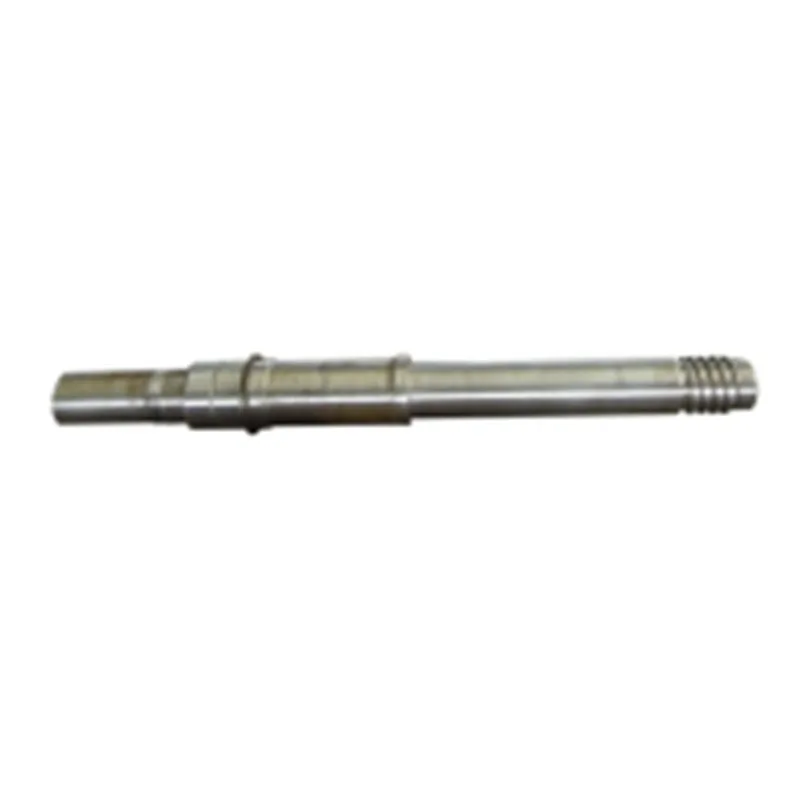
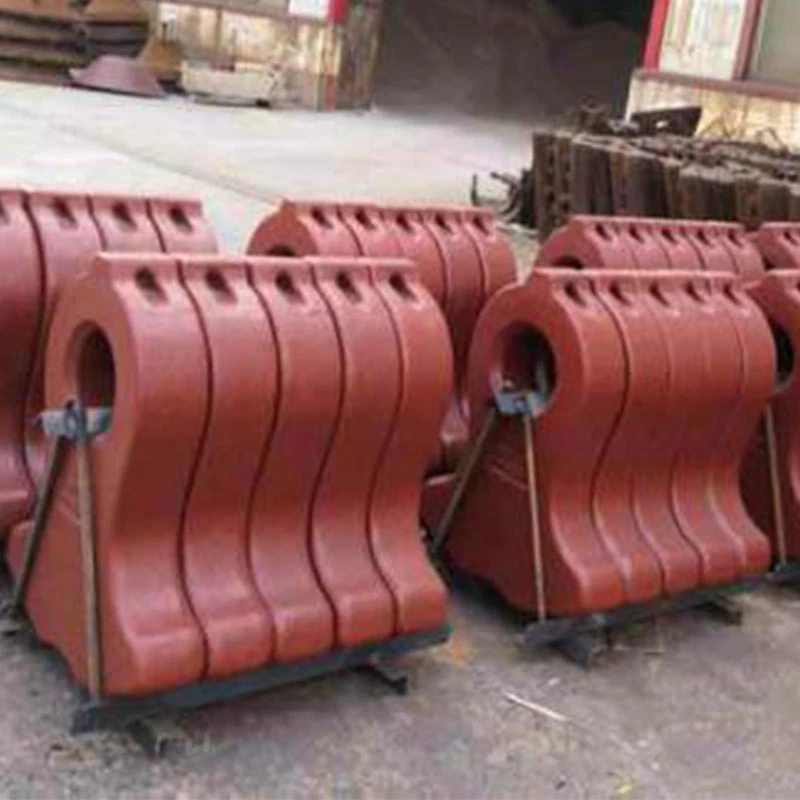
Fig 1: Precision-machined pump shaft demonstrating intricate design for optimal performance.
Detailed Manufacturing Process Flow
The creation of a high-performance pump shaft is a meticulous multi-stage process, demanding precision and adherence to stringent quality control. Each step is critical in ensuring the final product meets the demanding operational requirements of industrial pumps.
Manufacturing Process Steps:
-
1. Material Selection and Preparation:
Based on application requirements, specific alloys (e.g., 316L SS, Duplex 2205) are chosen. Raw materials typically arrive as forged or hot-rolled bars. Material certification (e.g., mill test certificates) verifying chemical composition and mechanical properties is a prerequisite.
-
2. Forging or Casting:
For high-strength and critical applications, forging is preferred. This process refines the grain structure, enhancing mechanical properties like tensile strength and fatigue resistance. For less demanding or complex geometries, precision casting might be employed, followed by heat treatment to achieve desired material characteristics.
-
3. Rough Machining:
Initial machining on CNC lathes removes excess material, bringing the shaft close to its final dimensions. This stage also helps to relieve internal stresses from forging or casting.
-
4. Heat Treatment:
This crucial step optimizes the material's microstructure and mechanical properties. Processes like annealing, normalizing, quenching, and tempering are performed to achieve specific hardness, ductility, and strength profiles suitable for the application. For stainless steels, solution annealing might be used to restore corrosion resistance.
-
5. Finish Machining (CNC Machining):
High-precision CNC machines are used for final shaping, ensuring tight tolerances for critical dimensions like bearing journals, seal areas, and impeller fits. This stage achieves the required surface finish and geometric accuracy.
-
6. Grinding and Polishing:
Critical surfaces, especially those in contact with seals or bearings, undergo precision grinding and polishing to achieve extremely fine surface finishes (e.g., Ra 0.8 µm). This minimizes friction, reduces wear, and enhances seal integrity, directly impacting the operational life of the pump shaft.
-
7. Dynamic Balancing:
To prevent vibration, noise, and premature bearing failure, shafts are dynamically balanced to ISO 1940-1 standards (typically G2.5). This ensures smooth operation at high rotational speeds.
-
8. Non-Destructive Testing (NDT) and Inspection:
A battery of tests ensures quality:
- Dimensional Inspection: Using CMMs, micrometers, and calipers for strict adherence to drawings.
- Material Testing: PMI (Positive Material Identification) to confirm alloy composition, hardness tests, and sometimes mechanical property tests (tensile, impact).
- Surface Roughness Measurement: Verification of specified Ra values.
- NDT: Ultrasonic Testing (UT) for internal defects, Magnetic Particle Inspection (MPI) or Dye Penetrant Inspection (DPI) for surface cracks.
-
9. Coating/Surface Treatment (Optional):
For enhanced wear, corrosion, or erosion resistance, specialized coatings such as hard chrome plating, ceramic coatings, or thermal spray coatings may be applied.
-
10. Packaging and Shipping:
Finished shafts are cleaned, rust-proofed, and carefully packaged to prevent damage during transit.
Target Industries and Advantages:
High-quality pump shafts are indispensable across various critical sectors:
- Petrochemical: Handling corrosive and high-temperature hydrocarbons. Advantages include superior corrosion resistance (NACE MR0175 compliant materials) and extended service life in aggressive chemical media.
- Metallurgy: Pumping abrasive slurries and cooling water in steel mills and mining operations. Offers exceptional wear resistance and robust construction for heavy-duty applications.
- Water Supply & Drainage: Municipal water treatment, wastewater management, irrigation. Provides reliable, long-term operation with minimal maintenance, contributing to energy saving through optimized pump efficiency. The robust design and precise balancing reduce energy consumption by minimizing vibration and friction.
- Marine and Offshore: Seawater pumping, subsea operations. Key advantages include resistance to chloride-induced stress corrosion cracking and cavitation, critical for the severe marine environment.
The projected service life for a properly specified and maintained pump shaft can range from 5 to 20 years, depending on the application severity, material choice, and operational regimen. Regular maintenance and condition monitoring are vital to achieving the maximum expected lifespan.
Application Scenarios and Technical Advantages
The versatility of the pump shaft allows its deployment across an extensive array of industrial applications, each benefiting from specific technical advantages tailored to the operational context. Proper selection and design translate into tangible gains in efficiency, reliability, and cost-effectiveness.
Typical Application Scenarios:
- Chemical Processing Plants: Handling highly corrosive acids, bases, and solvents. Shafts made from Super Duplex SS or Nickel alloys are crucial for resisting chemical attack and maintaining structural integrity.
- Power Generation (Thermal and Nuclear): Circulating cooling water, boiler feedwater, and condensate. Requires shafts with high strength and fatigue resistance at elevated temperatures, often utilizing specialized stainless steels or low-alloy steels.
- Mining and Mineral Processing: Pumping abrasive slurries containing rock fragments, sand, and corrosive chemicals. Shafts typically feature hard-wearing materials and robust designs to withstand severe erosion and impact.
- Oil and Gas (Upstream, Midstream, Downstream): Pumping crude oil, refined products, and process fluids. Applications range from high-pressure injection pumps to utility water pumps, demanding materials resistant to sour service (H2S), chlorides, and high pressures.
- HVAC and Commercial Building Services: Circulating chilled water and heating water. Standard stainless steel shafts are common, focusing on reliability and long operational life for building comfort systems.
Technical Advantages Demonstrated:
- Energy Saving: Precisely machined and dynamically balanced pump shafts minimize vibration and runout. This reduction in mechanical losses directly translates to lower power consumption for the pump motor, leading to significant energy saving over the pump's operational lifespan. For example, a well-balanced shaft can reduce bearing loads by up to 50%, prolonging bearing life and improving overall system efficiency.
- Corrosion Resistance: Utilizing materials like duplex and super duplex stainless steels provides unparalleled resistance to various forms of corrosion, including pitting, crevice corrosion, and stress corrosion cracking. This is critical in applications involving seawater, acidic solutions, or harsh chemicals, ensuring the structural integrity and extended operational life of the pump shaft.
- Enhanced Durability and Wear Resistance: Through appropriate material selection, forging, heat treatment, and surface finishing, pump shafts achieve exceptional hardness and wear resistance. This robustness allows them to withstand abrasive media, high rotational speeds, and fluctuating loads, significantly extending the mean time between failures (MTBF) and reducing maintenance costs.
- Reduced Downtime: The reliability inherent in a high-quality pump shaft minimizes unplanned stoppages. Precision manufacturing ensures that the shaft operates smoothly within specifications, reducing stress on bearings and seals, thereby preventing premature component failure. This directly translates to increased operational uptime and productivity for industrial facilities.
- Optimized Performance: Advanced engineering allows for designs that accommodate specific hydraulic loads and operational parameters, ensuring the shaft effectively transmits power with minimal energy loss. This optimization is crucial for maintaining pump efficiency and meeting stringent performance targets.
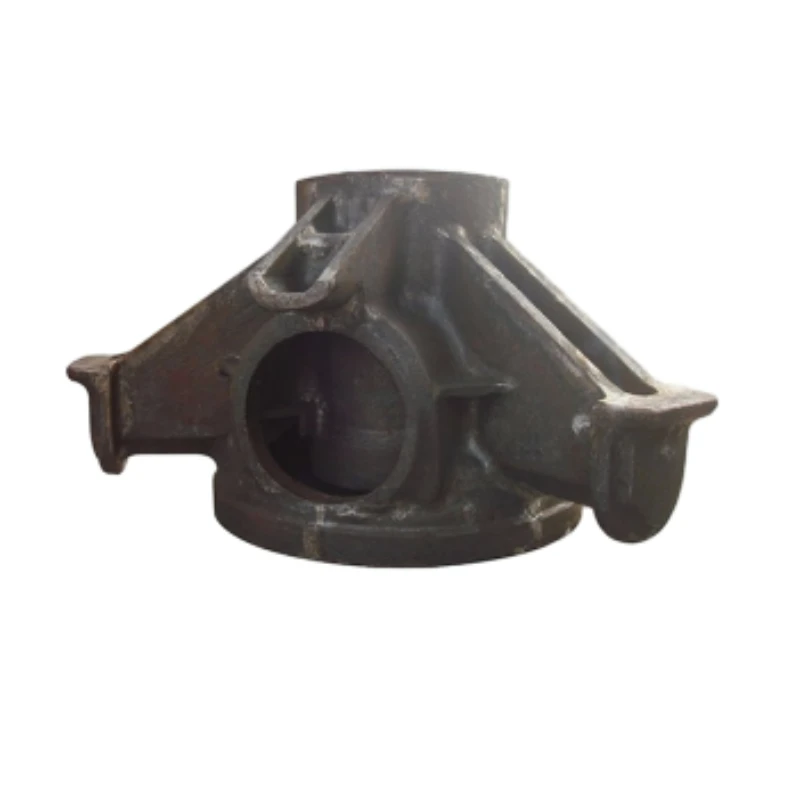
Fig 2: A pump shaft undergoing rigorous quality inspection after precision machining.
Vendor Comparison and Selection Criteria for Pump Shaft Manufacturers
Selecting the right pump shaft manufacturers is a strategic decision that impacts overall pump system performance, reliability, and total cost of ownership. Beyond initial purchase price, factors such as manufacturing capabilities, material expertise, quality control, and after-sales support play a pivotal role.
Key Comparison Parameters:
| Criterion | Description | Impact on Selection |
|---|---|---|
| Material Expertise | Ability to source and process a wide range of standard and exotic alloys. | Ensures optimal material choice for specific corrosive/abrasive media. |
| Manufacturing Precision | Advanced CNC capabilities, grinding, balancing, and heat treatment processes. | Directly affects dimensional accuracy, surface finish, and dynamic stability. |
| Quality Certifications | Compliance with ISO 9001, API 610, NACE, ASTM, etc. | Guarantees consistent product quality, traceability, and reliability. |
| Customization Capabilities | Ability to design and produce shafts to unique specifications. | Essential for non-standard pump designs or highly specialized applications. |
| Lead Time & Logistics | Efficiency in production scheduling and global shipping capabilities. | Critical for project timelines and minimizing downtime for spares. |
| Technical Support & Warranty | Availability of engineering support, troubleshooting, and clear warranty terms. | Ensures long-term partnership and risk mitigation. |
| Pricing & Value | Competitive pricing structure relative to product quality and services. | Balancing initial investment with long-term performance and total cost of ownership. The water pump shaft price often reflects the complexity of manufacturing and the quality of materials. |
When evaluating pump shaft manufacturers, it's crucial to look beyond simply the quoted water pump shaft price. A seemingly lower initial cost can quickly be overshadowed by premature failure, increased maintenance, and costly operational downtime. A reputable manufacturer with strong engineering support and a proven track record for quality and reliability, even if slightly higher in initial cost, often delivers superior value over the pump's entire lifecycle.
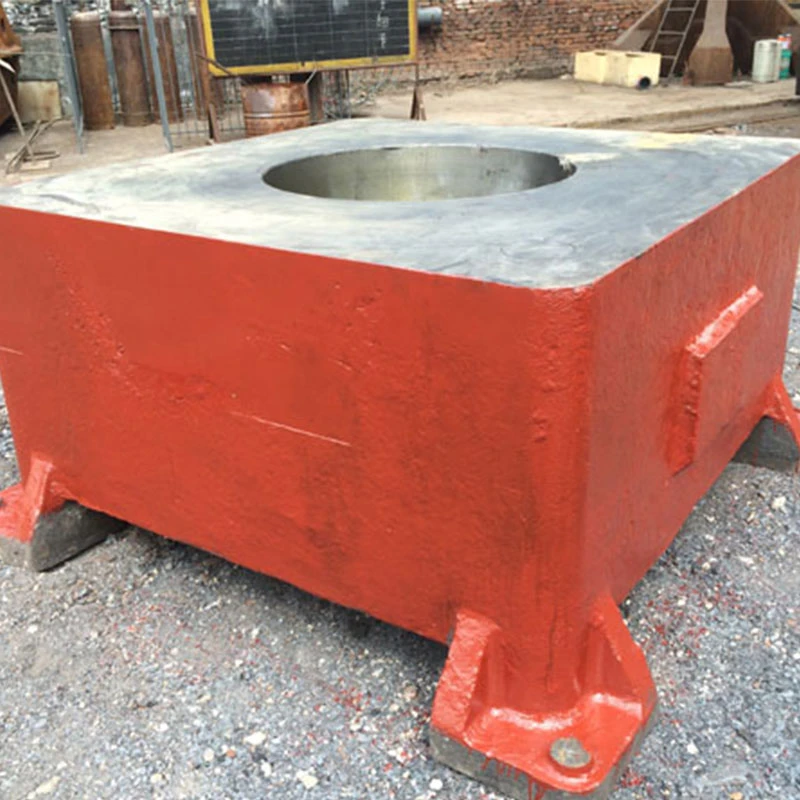
Fig 3: Quality inspection of a pump shaft for dimensional accuracy.
Customized Solutions for Specialized Applications
While standard pump shafts serve a wide range of applications, many industrial processes present unique challenges that necessitate customized solutions. Specialized operating conditions, such as extreme temperatures, highly aggressive chemical media, abrasive slurries, or very high-pressure differentials, often demand a tailored approach to pump shaft design and material specification.
Elements of Customization:
- Material Selection: Beyond common grades, customization involves specifying exotic alloys like Hastelloy, Inconel, or specialized hardened tool steels to combat specific forms of corrosion, erosion, or wear unique to an application. This includes considerations for NACE MR0175 compliance for sour service in oil and gas.
- Design Modifications: Tailoring shaft geometry for improved hydraulic performance, enhanced bearing support, optimized seal interfaces, or specific impeller attachment methods (e.g., keyways, splines, press fits) to reduce stress concentrations and vibration.
- Surface Engineering: Applying advanced coatings such as Plasma Transferred Arc (PTA) overlays, High-Velocity Oxygen Fuel (HVOF) coatings, or ceramic coatings to critical wear areas. These treatments dramatically enhance hardness, corrosion resistance, and abrasion resistance without compromising the shaft's core strength.
- Heat Treatment Regimes: Developing specific heat treatment cycles to achieve precise microstructures and mechanical properties, such as increasing surface hardness for wear resistance while maintaining a ductile core for toughness.
- Integrated Monitoring Features: Custom shafts can be designed with provisions for integrated sensors for vibration, temperature, or torque monitoring, enabling advanced predictive maintenance capabilities.
Collaborating with experienced pump shaft manufacturers for customized solutions ensures that the final component is perfectly matched to the operational demands, maximizing performance, reliability, and ultimately, the return on investment. This expert collaboration is critical in mitigating risks associated with unique or challenging fluid handling systems.
Application Case Studies: Proving Reliability in Practice
Real-world application demonstrates the tangible benefits of high-quality pump shaft solutions. These case studies highlight how precision engineering and material expertise overcome significant industrial challenges, delivering superior performance and long-term value.
Case Study 1: Enhanced Lifespan in Desalination Plant
Client: Major Middle Eastern Desalination Facility
Challenge: Standard stainless steel pump shafts in high-pressure reverse osmosis pumps were experiencing premature failure due to severe chloride-induced stress corrosion cracking and pitting in aggressive seawater. The average lifespan was less than 2 years, leading to frequent downtime and high maintenance costs.
Solution: A custom pump shaft solution was engineered using Super Duplex Stainless Steel (UNS S32750) with optimized heat treatment for maximum corrosion resistance and mechanical strength. The design also incorporated specific surface finishing techniques to reduce crevice corrosion susceptibility at seal interfaces.
Results: The new Super Duplex shafts demonstrated a significantly extended service life, exceeding 7 years without failure. This led to a 70% reduction in shaft replacement frequency, substantial savings in maintenance costs, and a marked improvement in overall plant uptime and productivity. Customer feedback highlighted the exceptional durability and reliability of the custom-engineered components.
Case Study 2: Energy Efficiency in Wastewater Treatment
Client: Large Municipal Wastewater Treatment Plant, North America
Challenge: Obsolete and unbalanced pump shafts in the plant's main circulation pumps were causing excessive vibration, leading to high energy consumption, frequent bearing failures, and increased noise levels. The plant aimed to reduce operational expenditure and improve environmental compliance.
Solution: The existing shafts were replaced with newly manufactured pump shaft units made from high-grade 316L Stainless Steel, subjected to precision CNC machining and dynamic balancing to ISO G2.5 standards. Each shaft was meticulously inspected for straightness and surface finish.
Results: Post-installation, vibration levels across the pump array decreased by an average of 65%. This reduction directly translated to a 12% improvement in energy efficiency for the pumping station, resulting in substantial annual energy cost savings. Bearing lifespan doubled, and noise levels were significantly reduced, enhancing workplace safety and compliance. The plant manager praised the immediate and measurable impact on operational costs and system stability.
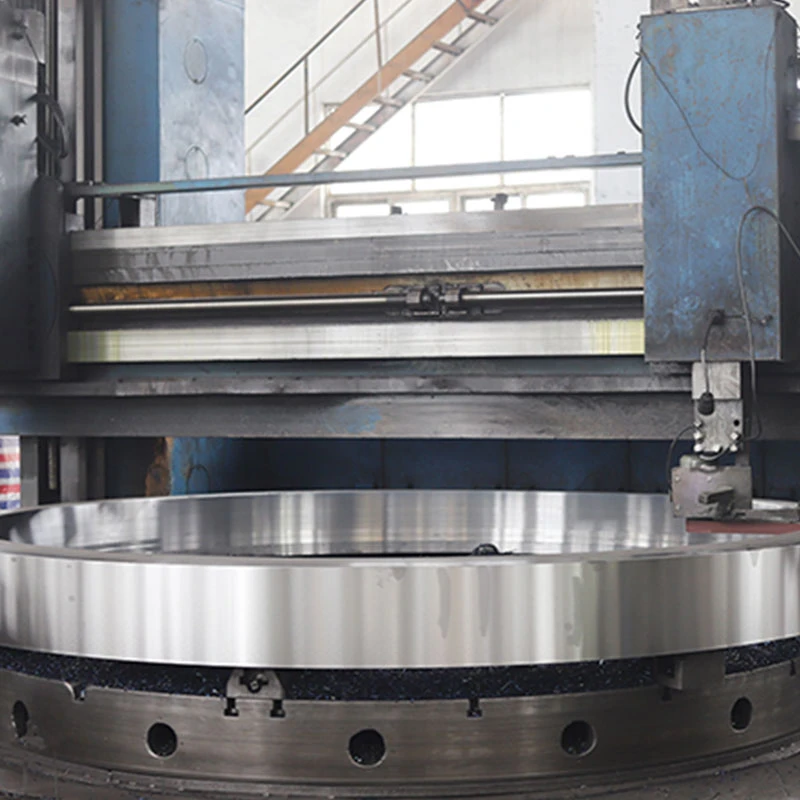
Fig 4: A pump shaft prepared for dispatch after final quality checks.
Commitment to Quality, Trust, and Support
Our dedication to engineering excellence extends beyond manufacturing a superior pump shaft. We uphold the highest standards of quality assurance and provide comprehensive support to ensure our clients' long-term operational success and peace of mind. Our processes are meticulously documented and adhere to international standards, reflecting our commitment to Authoritativeness and Trustworthiness.
Certifications and Authoritative References:
- ISO 9001:2015 Certified: Our Quality Management System ensures consistent product quality and continuous improvement.
- API 610 Compliance: For pump shafts used in petroleum, petrochemical, and natural gas industries, our products meet or exceed API 610 specifications, ensuring robust performance and safety.
- ASTM & ANSI Standards: All materials and manufacturing processes conform to relevant ASTM (American Society for Testing and Materials) and ANSI (American National Standards Institute) standards for metallurgy and mechanical components.
- NACE MR0175 Compliance: Specialized materials for sour service applications meet NACE MR0175/ISO 15156 requirements, crucial for preventing sulfide stress corrosion cracking.
- Years of Service & Partner Clients: With over 20 years in the industry, we have supplied thousands of critical components to leading companies in sectors like energy, water treatment, and heavy manufacturing, building a reputation for reliability and expertise.
Fig 5: Advanced metallurgical testing of a pump shaft material sample.
Trustworthiness: FAQ, Lead Times, Warranty, and Support
Frequently Asked Questions (FAQ):
Q1: How do I select the correct material for my pump shaft?
A1: Material selection depends on several factors: the fluid being pumped (corrosive, abrasive, temperature), operating pressure, and environmental conditions. Our engineering team can provide expert consultation based on your specific application data to recommend the optimal material, whether it's 316L SS, Duplex, Super Duplex, or an exotic alloy.
Q2: What is the typical lead time for a custom pump shaft?
A2: Lead times vary based on material availability, complexity of design, and current production load. For standard materials and designs, lead times typically range from 4-6 weeks. Custom or specialized alloy shafts may require 8-12 weeks. We strive for transparent communication regarding all lead times and fulfillment details at the time of quotation.
Q3: What warranty is offered on your pump shafts?
A3: We offer a comprehensive warranty commitment of 12 months from the date of installation or 18 months from the date of shipment, whichever comes first, covering defects in material and workmanship. Our warranty terms are designed to provide confidence in the durability and reliability of our products under specified operating conditions.
Q4: Can you reverse-engineer a pump shaft from an existing sample or drawing?
A4: Yes, absolutely. We have extensive capabilities for reverse engineering, allowing us to accurately reproduce or improve upon existing pump shaft designs from samples, old drawings, or even detailed specifications. This is particularly useful for obsolete pumps or when original manufacturer support is unavailable.
Customer Support and After-Sales Service:
Our commitment to our clients extends far beyond the point of sale. We provide robust after-sales support to ensure optimal performance and longevity of our products. Our services include:
- Technical Consultation: Access to our experienced engineers for troubleshooting, application advice, and performance optimization.
- Spare Parts & Replacements: Efficient supply chain for quick delivery of replacement pump shafts and associated components.
- Maintenance & Service Guidance: Providing best practices for installation, operation, and preventive maintenance to maximize the lifespan of your pump shaft.
- Feedback & Continuous Improvement: We actively solicit customer feedback to continuously refine our products and services.
Conclusion
The pump shaft, though often unseen, is an indispensable core component that determines the efficiency, reliability, and economic viability of industrial fluid handling systems. Its meticulous design, precision manufacturing, and appropriate material selection are not merely technical details but critical factors influencing operational uptime, maintenance costs, and energy consumption.
By adhering to the highest industry standards, leveraging advanced manufacturing techniques, and offering tailored solutions for the most demanding environments, leading manufacturers ensure that these vital components contribute significantly to the overall performance and sustainability of industrial operations. Investing in high-quality pump shafts is an investment in long-term operational excellence and reduced total cost of ownership.
References:
- International Organization for Standardization (ISO). "Mechanical vibration - Balance quality requirements for rotors in a constant (rigid) state - Part 1: Specification and verification of balance tolerances." ISO 1940-1:2016.
- American Petroleum Institute (API). "Centrifugal Pumps for Petroleum, Petrochemical and Natural Gas Industries." API Standard 610, 11th Edition.
- National Association of Corrosion Engineers (NACE). "Petroleum and Natural Gas Industries — Materials for Use in H2S-Containing Environments in Oil and Gas Production." NACE MR0175/ISO 15156.
- ASM International. "ASM Handbook, Volume 1: Properties and Selection: Irons, Steels, and High-Performance Alloys." 2008.
- American Society for Testing and Materials (ASTM). "Standard Specification for Stainless Steel Bars and Shapes." ASTM A276.
-
Find the Best Industrial Martillo a la Venta for Professional Needs
NewsApr.16,2026
-
Technical Guide for Herramientas de Perforación Subterránea PDF
NewsApr.09,2026
-
Comprehensive Guide to Underground Drilling Tools Herramientas de Perforación Subterráneas
NewsApr.07,2026
-
Comprehensive Guide to Underground Drilling Tools herramientas de perforación subterránea
NewsApr.04,2026
-
Finding Reliable Proveedores de Compresores de Aire Diesel for Your Industry Needs
NewsMar.31,2026
-
Comprehensive Guide to Diesel Air Compressors and Miningzy Fábrica de Compresores de Aire Diesel
NewsMar.28,2026