
Nov . 15, 2025 21:00 Back to list
Jaw Crusher Plate Material: Durable Solutions for Global Mining & Construction
Understanding Jaw Crusher Plate Material: Why It Matters Globally
When you hear the phrase jaw crusher plate material, it might sound purely industrial, even a bit niche. But dig a bit deeper, and you'll find it plays a surprisingly pivotal role around the world—fueling industries, supporting infrastructure projects, and even impacting sustainability efforts. In real terms, these plates bear the brunt of one of the toughest jobs: crushing rock and ore to build roads, cities, and technologies.
Why care about the material used in these plates? Because their durability and design influence not just operational costs, but safety, efficiency, and environmental footprints across mining, recycling, and construction sectors worldwide. Understanding these materials helps companies and engineers pick solutions that last longer, cut downtime, and lessen waste.
Global Context: How Jaw Crusher Plate Material Fits Into Industry
Worldwide, the mining and construction industries are huge drivers of economic growth—contributing trillions to GDP annually. According to the World Bank, minerals like iron ore and copper are essential for tech and infrastructure development. Yet it’s also a challenging business—equipment breaks down, maintenance costs soar, and downtime can freeze production.
Enter the jaw crusher plate, made from specialized alloys designed to grind down hard rock and minerals. Quality matters because poor materials wear out, leading to replacements that cost time and money. This becomes especially important in remote mining zones or environmentally sensitive areas where sustainability and efficiency can’t be compromised.
So, the real challenge is finding materials for these plates that balance longevity, cost efficiency, and environmental impacts while meeting modern production demands.
What Exactly Is Jaw Crusher Plate Material?
Simply put, jaw crusher plate material refers to the metal alloy used to make the interlocking plates inside a jaw crusher. These plates crush rock by moving against each other in a powerful hinge-like motion. They must resist wear, impact, and abrasion while maintaining their shape and performance over time.
The materials typically used are high manganese steel or alloy steel. High manganese steel is popular because it hardens during use — a neat self-strengthening property. In industries like mining and recycling, these plates operate around the clock, which means the material choice directly influences productivity and operational costs.
Mini Takeaway:
In a nutshell, jaw crusher plate material is a specialized, tough metal alloy crafted for high-impact, high-wear environments—cornerstone to modern heavy industry operations.
Key Factors Behind Quality Jaw Crusher Plate Material
Durability
Hands down, plate durability is king. Plates face constant grinding and sudden impacts from large stones, so the alloy’s hardness and toughness have to strike the right balance. Too hard, and the plate risks cracking; too soft, and it wears down quickly. Engineers often prefer manganese steel for this reason—it adapts under pressure.
Wear Resistance
Wear resistance determines how long a jaw plate can function before replacement. This characteristic saves millions in maintenance, especially in high-output plants. Manufacturers optimize wear resistance by adjusting carbon content and using alloy elements like chromium or nickel.
Corrosion Resistance
Though less immediately obvious, corrosion can quietly degrade performance—especially in humid or chemically aggressive environments. Some modern plates come treated or alloyed for better resistance to rust and oxidation, extending their effective lifespan.
Cost Efficiency
Material costs plus downtime due to plate failure shape the total ownership cost. Many companies are caught between expensive but long-lasting plates and cheaper, short-life alternatives. Prudent choices hinge on precise operational needs and lifecycle cost analysis.
Easily Customizable
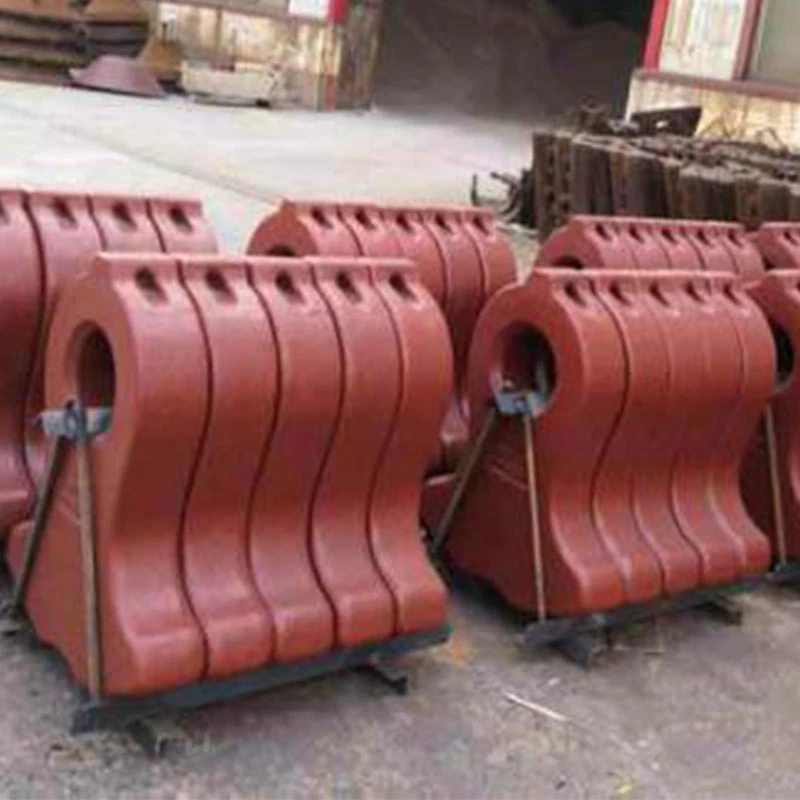
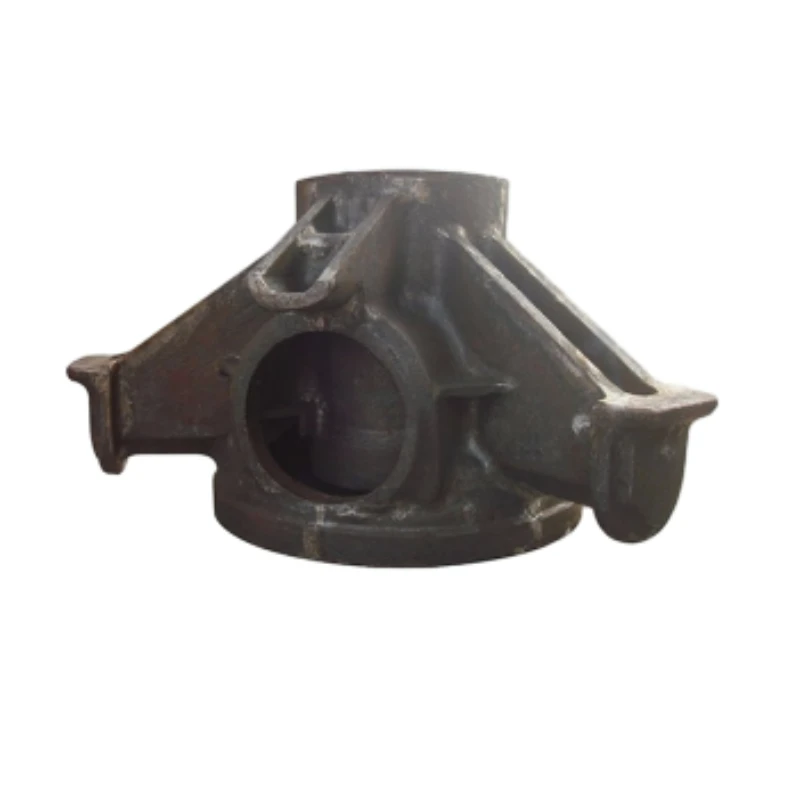
Jaw plates can be cast or forged into different shapes depending on the crushing application—some profiles help reduce clogging or improve output size distribution. Good materials need to be moldable so manufacturers can customize without losing core performance.
Installation and Maintenance
Beyond raw material traits, how plates interface with crushers matters. Some alloys better handle stress concentrations near bolt holes or edges, reducing failure points during installation and use—leading to safer, smoother maintenance cycles.
Mini Takeaway:
- Durability and wear resistance rule the day.
- Corrosion matters in specific environments.
- Cost efficiency and customization keep manufacturers competitive.
Real-World Applications: Where Jaw Crusher Plate Material Counts
Mining operations in Australia, Brazil, and South Africa rely heavily on robust jaw crusher plates to process iron ore and coal. In these hot, dusty, and abrasive environments, the right plates mean less downtime amid tight schedules.
Construction projects in Europe and North America often reuse recycled concrete and aggregate, needing plates that withstand varied, unpredictable compositions. Furthermore, post-disaster relief efforts sometimes mobilize mobile crushers with tough plates to clear rubble quickly—saving time and restoring communities faster.
Even in remote industrial regions of Asia, companies benefit from advances in plate materials—where spare parts delays can cost weeks of inactivity.
Product Specification Table
| Specification | Typical Value | Comments |
|---|---|---|
| Material | High Manganese Steel (Mn 12-14%) | Self-hardening under impact |
| Hardness (Brinell) | 180-220 | Initial value, work hardens over time |
| Impact Toughness | 40-55 J | Resistance to cracking |
| Corrosion Resistance | Moderate | Alloy treatment available |
| Typical Life Span | 3,000 - 5,000 operating hours | Depends on workload and maintenance |
Comparing Top Vendors of Jaw Crusher Plate Materials
| Vendor | Material Options | Customization | Typical Delivery Time | Price Range |
|---|---|---|---|---|
| MiningZY Incorporated | High manganese, alloy steel | Extensive profile customization | 2-3 weeks | Medium |
| Global Crusher Parts Co. | Standard manganese steel | Limited customization | 3-4 weeks | Low to medium |
| HeavyMetals Ltd. | Manganese + chromium alloys | Custom alloy development | 4-6 weeks | High |
Advantages and Long-Term Value of Optimized Jaw Crusher Plates
Choose the right jaw crusher plate material, and you’re not just buying metal; you’re investing in reliability and peace of mind. Reduced downtime means projects finish on schedule, costs stay predictable, and operators work with better safety.
From a sustainability angle, longer-lasting plates generate less scrap metal waste and less frequent shipping emissions from replacements. This aligns with growing global calls for greener industrial practices.
Emotionally, there’s a sense of trust and innovation that comes with knowing your equipment won’t fail at the worst moment. It’s not just about crushing rock — it’s about crushing uncertainty.
Looking Forward: Innovations in Jaw Crusher Plate Material
Materials science marches on. Research into composite alloys, nano-enhanced coatings, and 3D-printed components promise plates that adapt dynamically to stress or repair themselves.
Digitization also enters the fray; “smart” plates with embedded sensors could alert operators before wear reaches critical levels, minimizing surprises.
And with sustainability rules tightening, manufacturers experiment with alloys that are fully recyclable or made from recycled inputs, closing material loops and shrinking footprints.
Challenges and How Experts Tackle Them
No solution is perfect. High manganese steel sometimes cracks after extreme impact, and alloy treatments increase costs. Plus, customization can slow deliveries.
To counter this, vendors engage in rigorous testing and rapid prototyping. Some opt for hybrid materials or modular components, letting operators swap worn parts without full replacements. Training and clear maintenance schedules also stretch plate life.
FAQ: Your Jaw Crusher Plate Material Questions Answered
Q1: What is the best material for jaw crusher plates used in mining?
A1: High manganese steel is widely preferred due to its ability to harden under impact, offering a great balance of toughness and wear resistance. However, adding elements like chromium can improve corrosion resistance, beneficial in some mining environments.
Q2: How often should jaw crusher plates be replaced?
A2: That depends on workload and material crushed. Typically, plates last between 3,000 to 5,000 operating hours. Regular inspection can help identify wear and prevent sudden failures.
Q3: Can jaw crusher plates be customized for specific crushing tasks?
A3: Absolutely. Manufacturers often offer different plate profiles and alloys tailored to mineral hardness and crusher design, improving efficiency and reducing wear.
Q4: Are there eco-friendly options for jaw crusher plate materials?
A4: Yes, some vendors are developing recyclable alloys and exploring surface treatments that reduce environmental impacts. Choosing longer-lasting plates also indirectly supports eco goals by cutting waste.
Q5: How to source quality jaw crusher plates internationally?
A5: Partnering with experienced suppliers (like MiningZY) who understand your operational context is key. They typically offer technical consultation, certification, and tested logistics services facilitating smooth imports.
In Conclusion: Why Choosing the Right Jaw Crusher Plate Material Pays Off
In the grand scheme, jaw crusher plate materials may seem granular, but their impact ripples across industries, communities, and environments. Selecting a quality plate, tailored to your needs, is an investment not just in machinery, but in sustainability, safety, and success.
For more detailed guidance or sourcing assistance, don’t hesitate to visit our website: MiningZY. It’s a small step toward smoother operations and bigger achievements.
Mini Takeaway:
Quality jaw crusher plate material balances performance, cost, and sustainability—making it a quiet but vital hero in modern industry.
References:
-
Find the Best Industrial Martillo a la Venta for Professional Needs
NewsApr.16,2026
-
Technical Guide for Herramientas de Perforación Subterránea PDF
NewsApr.09,2026
-
Comprehensive Guide to Underground Drilling Tools Herramientas de Perforación Subterráneas
NewsApr.07,2026
-
Comprehensive Guide to Underground Drilling Tools herramientas de perforación subterránea
NewsApr.04,2026
-
Finding Reliable Proveedores de Compresores de Aire Diesel for Your Industry Needs
NewsMar.31,2026
-
Comprehensive Guide to Diesel Air Compressors and Miningzy Fábrica de Compresores de Aire Diesel
NewsMar.28,2026