

Aug . 29, 2025 05:00 Back to list
High-Performance Slurry Pump Impeller | Wear-Resistant Parts
The Pivotal Role and Evolution of slurry pump impeller in Industrial Operations
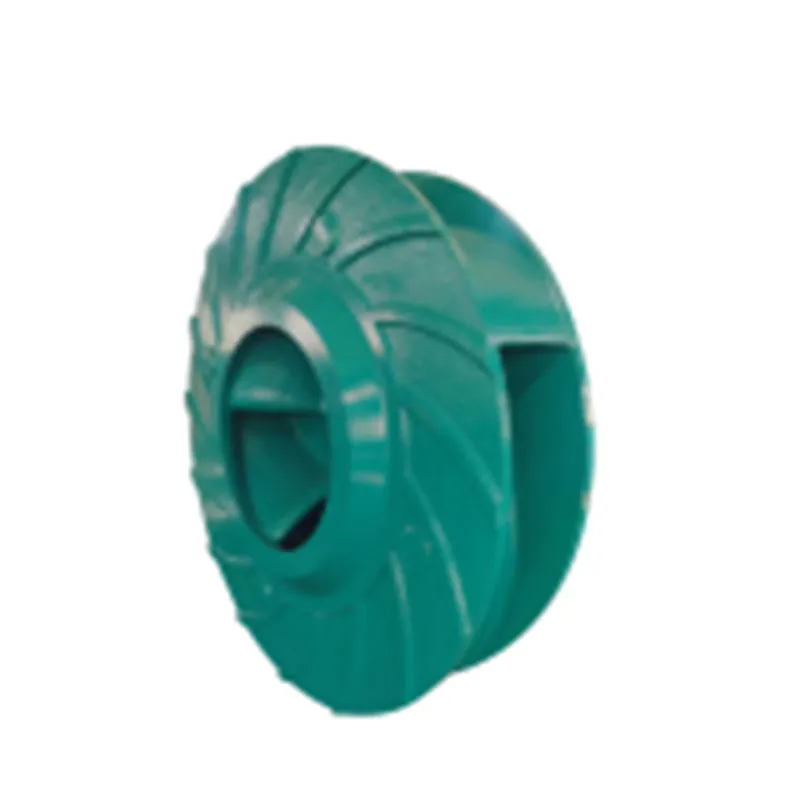
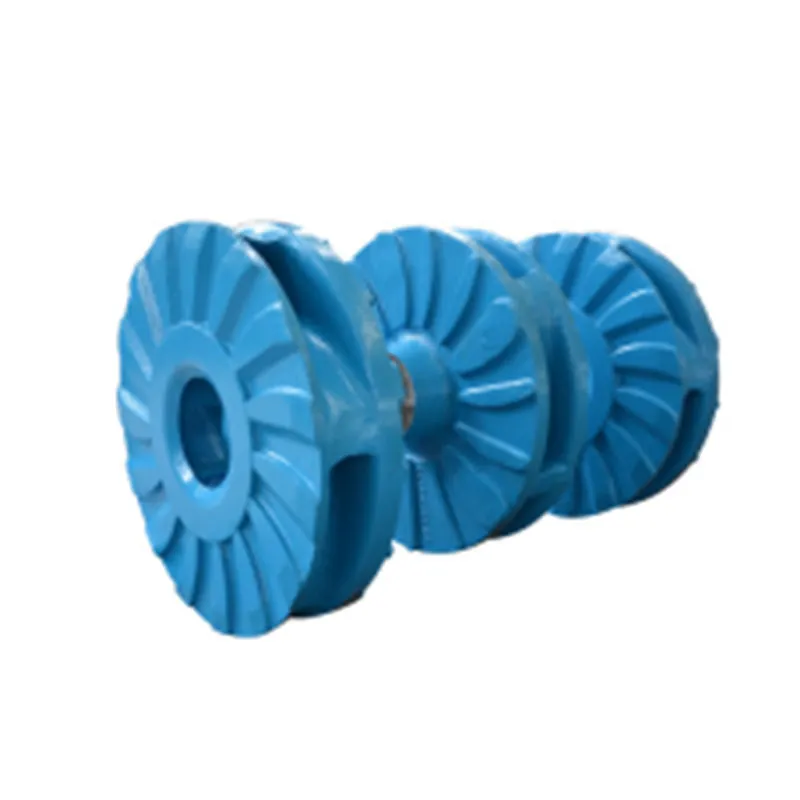
In the demanding world of industrial fluid handling, the integrity and performance of pumping systems are paramount. At the heart of any centrifugal slurry pump lies the impeller, a critical component responsible for converting rotational energy into kinetic energy, propelling abrasive and corrosive slurries. The effectiveness of a slurry pump impeller directly impacts operational efficiency, maintenance costs, and overall system longevity. From mining and mineral processing to power generation and wastewater treatment, industries rely heavily on robust and optimally designed impellers to manage challenging fluid transfer applications.
The continuous innovation in materials science and manufacturing processes has led to significant advancements in slurry pump impeller technology, addressing the perennial challenges of wear, erosion, and cavitation. This article delves into the intricate details of these essential components, exploring their manufacturing, technical specifications, application breadth, and the strategic advantages they offer.
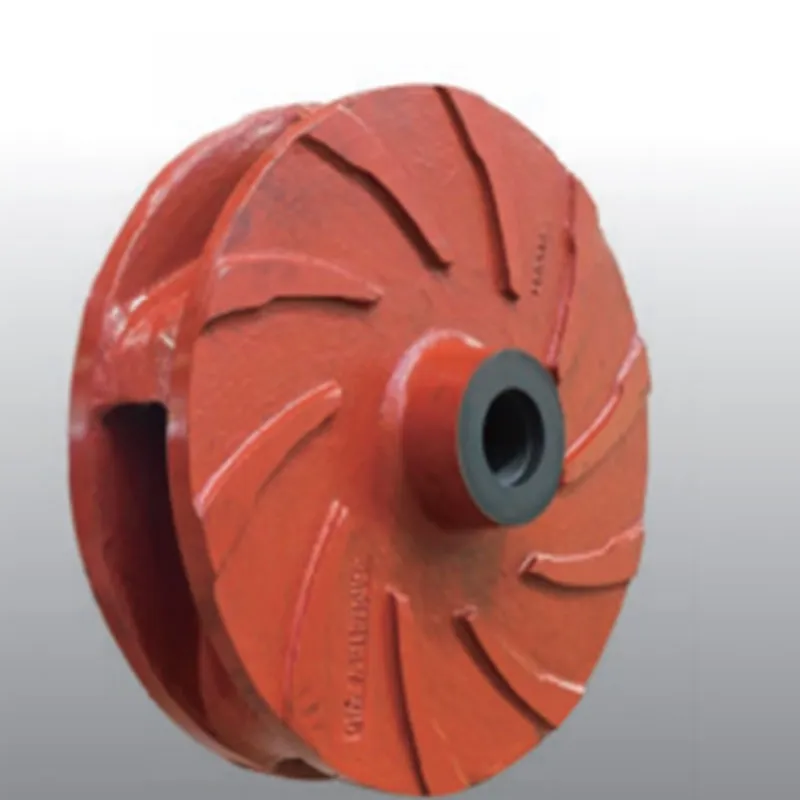
The Advanced Manufacturing Process of a Slurry Pump Impeller
The production of a high-performance slurry pump impeller is a sophisticated multi-stage process, demanding precision engineering and stringent quality control. The choice of material and manufacturing technique is dictated by the specific application, considering factors such as slurry abrasiveness, corrosiveness, and operating temperature.
Materials Selection: The Foundation of Durability
- High-Chrome Alloys (e.g., A05, A07, A49): These iron-based alloys, with chromium content typically ranging from 18% to 28%, are renowned for their exceptional abrasion resistance. They are extensively used in mining, mineral processing, and dredging applications where highly abrasive solids are present. The precise composition, including carbon and molybdenum, is optimized for specific wear conditions.
- Natural Rubber: Ideal for fine, sharp particle slurries, rubber impellers offer superior resilience against impact wear and corrosion. They are commonly employed in desulfurization systems, chemical plants, and fine sand handling due to their elastic properties and chemical resistance.
- Polyurethane: Offering a balance between abrasion resistance and chemical inertness, polyurethane is suitable for medium-abrasion and corrosive slurries, particularly in applications where rubber might swell or metals might corrode.
- Ceramic Composites: For extreme wear and corrosion environments, advanced ceramic or ceramic-lined impellers provide unparalleled hardness and chemical stability, albeit at a higher cost.
Manufacturing Processes: Precision and Integrity
- Mould Design and Pattern Making: CAD software is used to design the impeller geometry, optimizing hydraulic performance. Patterns are then created using CNC machining, ensuring high dimensional accuracy for casting.
- Casting (Sand or Investment):
- Sand Casting: For larger, simpler designs, sand moulds are prepared. Molten high-chrome alloy, melted in induction furnaces, is poured into the moulds. This method is cost-effective for high-volume production.
- Investment Casting (Lost Wax): For complex geometries and finer surface finishes, ceramic shells are built around wax patterns. This method yields superior dimensional accuracy and minimizes subsequent machining.
- Heat Treatment: For high-chrome alloys, specific heat treatment cycles (e.g., austenitizing and tempering) are crucial to achieve the desired microstructure, maximizing hardness (typically 58-65 HRC) and toughness to resist abrasive wear and impact.
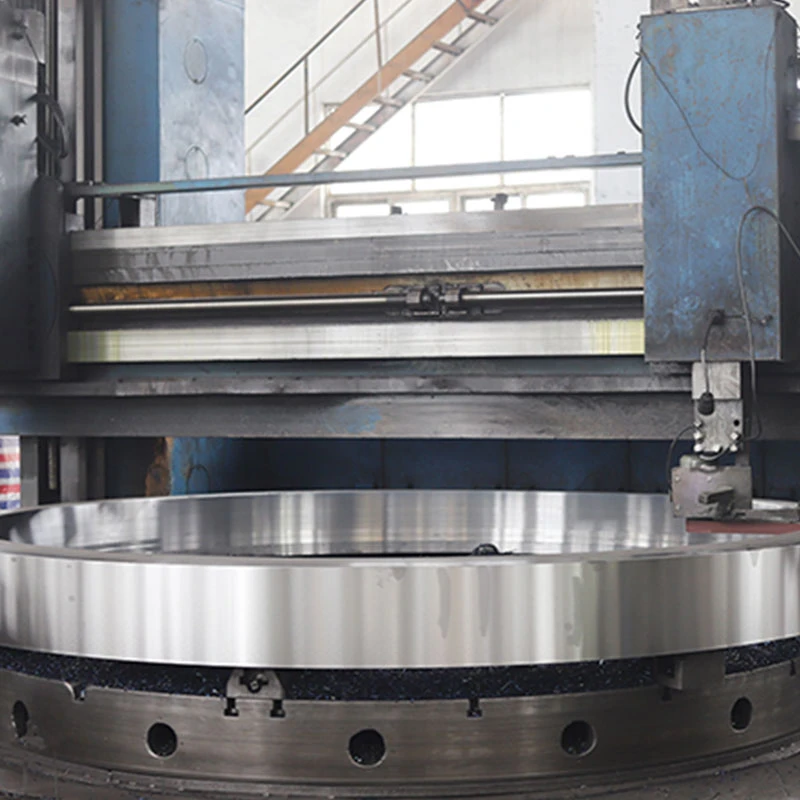
- CNC Machining: Post-casting, impellers undergo precise CNC machining to achieve exact dimensions for critical surfaces like shaft bores, sealing faces, and shroud diameters. This ensures proper fitment and hydraulic balance.
- Dynamic Balancing: To prevent vibration, premature bearing failure, and reduce noise during high-speed operation, each impeller is dynamically balanced to ISO 1940-1 Grade G6.3 or G2.5 standards, ensuring smooth and efficient rotation.
- Surface Finishing and Coating: Depending on the application, surfaces may be polished, or specialized coatings (e.g., ceramic, hard chrome) applied to further enhance wear or corrosion resistance.
Testing Standards and Quality Assurance
Each sludge pump impeller undergoes rigorous testing to comply with international standards such as ISO 9001 for quality management, ASTM for material specifications, and ANSI/HI for pump performance. Tests include:
- Material Chemical Composition Analysis (Spectrography)
- Hardness Testing (Rockwell, Brinell)
- Dimensional Inspection (CMM – Coordinate Measuring Machine)
- Non-Destructive Testing (NDT) such as Ultrasonic Testing (UT) or Magnetic Particle Inspection (MPI) for internal defects.
- Performance Testing (Hydraulic efficiency, head-flow characteristics in a test rig).
These meticulous processes ensure an extended service life, often exceeding typical industry averages by 20-30%, demonstrating significant advantages in energy saving through optimized hydraulic profiles and superior corrosion resistance through advanced material selection.
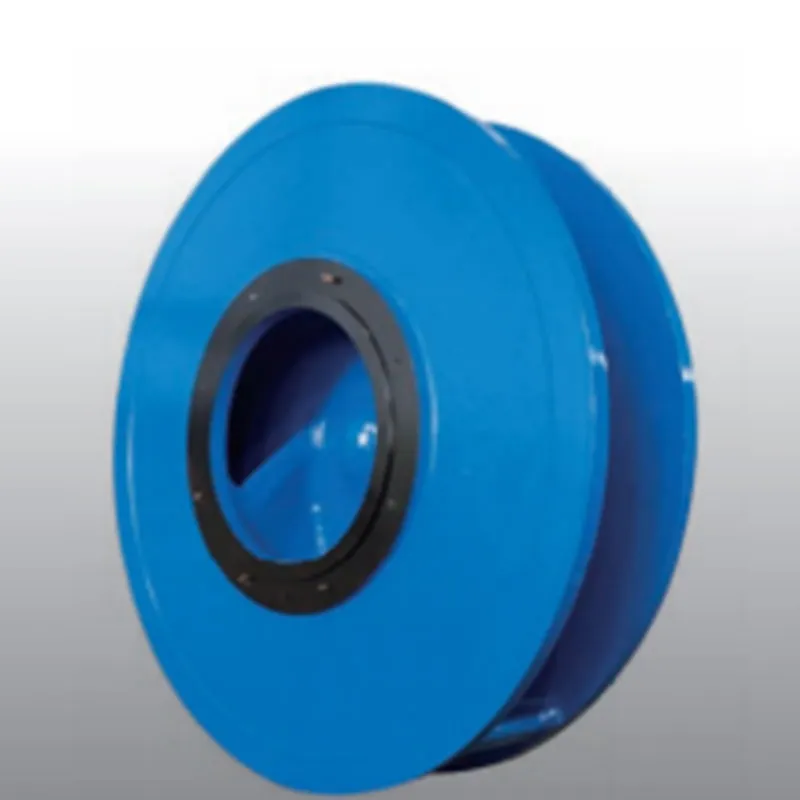
Industry Trends and Market Dynamics for Impeller Slurry Pump Components
The market for impeller slurry pump components is continuously evolving, driven by increasing demands for efficiency, sustainability, and reliability in harsh operating environments. Key trends shaping this sector include:
- Advanced Materials Development: Research continues into novel composite materials, ceramics, and advanced metallic alloys that offer improved wear life, lighter weight, and enhanced chemical resistance. The goal is to extend Mean Time Between Failures (MTBF) and reduce the Total Cost of Ownership (TCO).
- Energy Efficiency Optimization: With rising energy costs and environmental regulations, there's a strong focus on hydraulically optimized slurry impeller designs. Computational Fluid Dynamics (CFD) simulations are extensively used to fine-tune vane profiles, reducing turbulence and maximizing pumping efficiency, leading to substantial energy savings.
- Smart Pumping Solutions: Integration of IoT sensors for real-time monitoring of vibration, temperature, and wear patterns is gaining traction. This allows for predictive maintenance, preventing catastrophic failures and optimizing operational schedules.
- Modular and Customizable Designs: Manufacturers are offering more modular designs that allow for easy replacement of wear parts, and customized solutions tailored to specific slurry characteristics, pump sizes, and operating conditions.
- Sustainability and Lifecycle Management: Emphasis on materials that are recyclable or have a lower environmental footprint, coupled with extended product life, contributes to sustainable industrial practices.
Technical Specifications and Performance Parameters
Understanding the technical specifications of a slurry impeller is crucial for selection and optimal performance. Key parameters include:
- Diameter and Vane Count: Determines flow rate and head. Larger diameters and specific vane counts (typically 3-6) are selected based on desired hydraulic performance.
- Material Hardness (HRC/Brinell): A direct indicator of wear resistance for metallic impellers. High-chrome impellers typically range from 58-65 HRC.
- Hydraulic Efficiency: The ratio of fluid power output to shaft power input, a critical factor for energy consumption. Modern designs aim for efficiencies exceeding 70-85%.
- NPSHR (Net Positive Suction Head Required): A measure of the minimum absolute pressure required at the suction side to prevent cavitation, crucial for pump system design.
- Maximum Particle Size Handling: The largest solid particle size an impeller can effectively pass without clogging or damage.
- Corrosion Resistance Rating: Often categorized by material type against specific chemical agents (pH levels, concentrations).
Typical Slurry Pump Impeller Specifications
| Parameter | High-Chrome Alloy (A05) | Natural Rubber (R55) | Polyurethane (U01) |
|---|---|---|---|
| Material Hardness | 60-65 HRC | 35-45 Shore A | 50-60 Shore D |
| Density (g/cm³) | ~7.8 | ~0.93 | ~1.2 |
| Abrasion Resistance | Excellent (Extreme solids) | Excellent (Fine, sharp solids) | Good (Medium solids) |
| Corrosion Resistance | Good (pH 4-12) | Excellent (Mild acids/bases) | Very Good (Wide pH range, some organics) |
| Max Operating Temp (°C) | ~110 | ~70 | ~80 |
| Impact Resistance | Moderate | Excellent | Very Good |
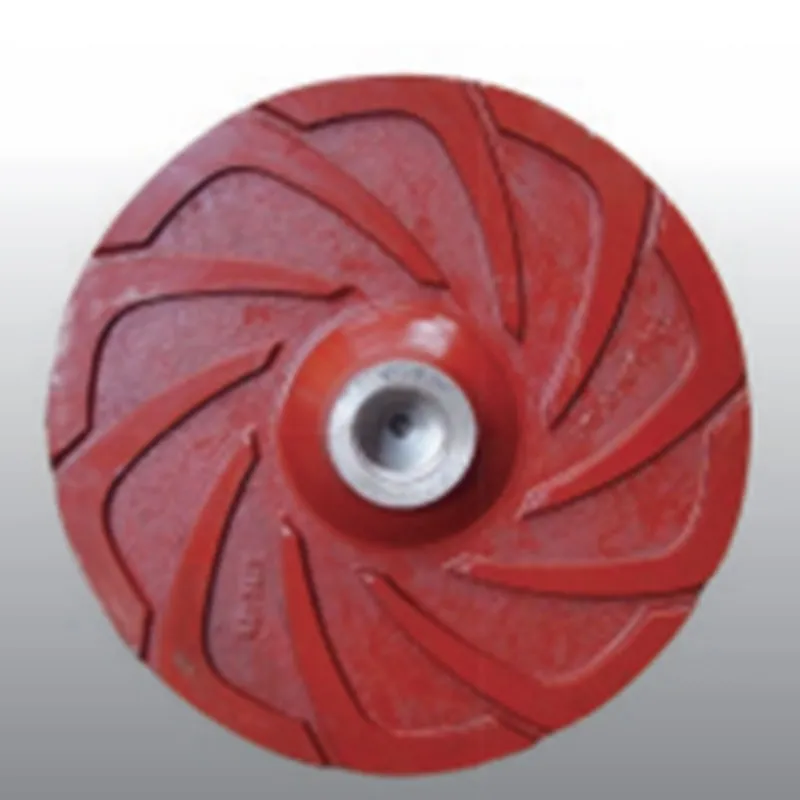
Application Scenarios Across Diverse Industries
The versatility of slurry pump impeller designs allows for their deployment across a broad spectrum of industries, each presenting unique challenges:
- Mining and Mineral Processing: Essential for transporting ore slurries, tailings, and process water containing abrasive solids like coal, iron ore, copper, and gold. High-chrome impellers are standard here.
- Electric Power Generation: Used in ash handling systems, Flue Gas Desulfurization (FGD) processes where gypsum slurries are common, and coal preparation plants. Rubber-lined impellers are often preferred for FGD due to corrosion and moderate abrasion.
- Chemical Industry: Handling of corrosive chemical slurries, acid sludge, and catalyst suspensions. Materials like stainless steel, specific rubber, or polyurethane impellers are selected based on chemical compatibility.
- Dredging: For moving sand, gravel, and silt from riverbeds, harbors, and lakes. Impellers designed for large particle passage and high impact resistance are critical.
- Water and Wastewater Treatment: Transferring raw sewage, grit, and activated sludge. Impellers must handle fibrous materials and varying solids content without clogging.
- Construction: Pumping concrete, bentonite, and other construction-related slurries.
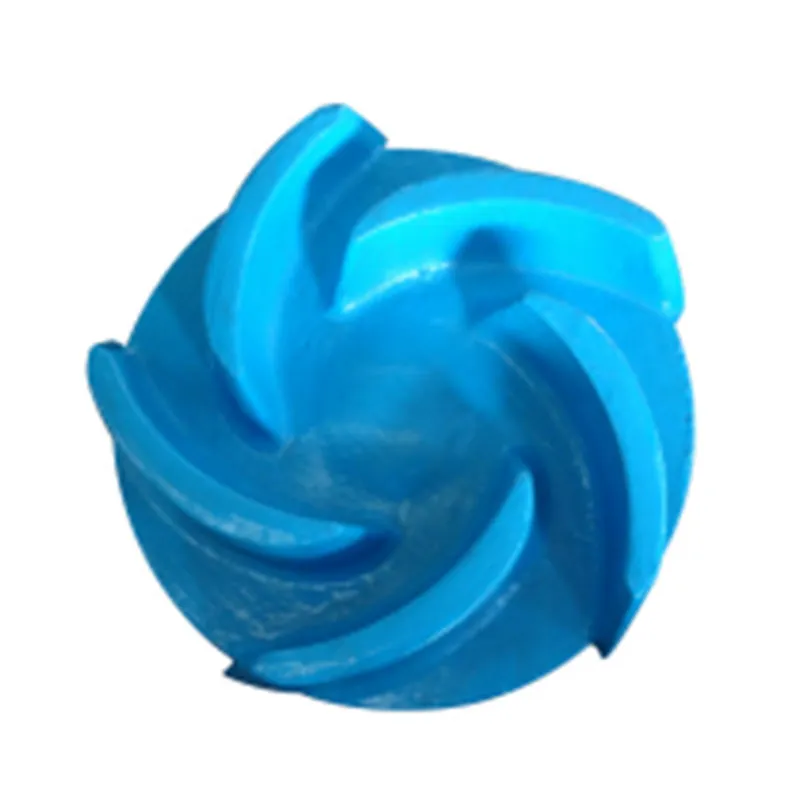
Technical Advantages and Performance Edge
The advantages of properly selected and manufactured slurry pump impeller components are profound:
- Extended Wear Life: Superior material selection and heat treatment result in significantly longer service intervals, reducing replacement frequency and associated downtime.
- Enhanced Energy Efficiency: Optimized hydraulic designs minimize power consumption, leading to lower operational costs and reduced carbon footprint. For instance, a 5% increase in impeller efficiency for a 200 kW pump can save over $7,000 annually in electricity costs (assuming $0.10/kWh and continuous operation).
- Reduced Maintenance Costs: Fewer replacements mean less labor, fewer spare parts inventory, and decreased overall maintenance expenditure.
- Increased Operational Reliability: Robust impellers reduce the risk of unexpected failures, ensuring continuous process flow and preventing costly interruptions.
- Versatility in Slurry Handling: Specialized material options allow for effective handling of a wide range of abrasive, corrosive, and high-density slurries.
Vendor Comparison and Customization Options
When sourcing slurry pump impeller price and quality, discerning buyers consider several factors beyond the initial purchase cost. Vendor reputation, material expertise, customization capabilities, and after-sales support are paramount.
Comparative Analysis of Slurry Pump Impeller Vendors
| Feature | Mining ZY | Competitor A (Global) | Competitor B (Regional) |
|---|---|---|---|
| Material Expertise | High-Chrome, Rubber, PU, Custom Alloys (ISO Certified) | High-Chrome, Limited Rubber Options | Standard High-Chrome Only |
| Hydraulic Design Optimization | Advanced CFD-driven designs for optimal efficiency | Standard designs with some efficiency focus | Basic, industry-standard designs |
| Customization Capability | Full custom geometry, material, and coating options | Limited customization for specific pump models | Standard off-the-shelf products only |
| Quality Control & Testing | ISO 9001, CMM, NDT, Dynamic Balancing (ISO 1940) | ISO 9001, Basic Dimensional Checks | Standard visual and material checks |
| Lead Time (Typical) | 4-6 weeks (standard), 8-12 weeks (custom) | 6-8 weeks (standard), 10-14 weeks (custom) | 3-5 weeks (standard), No custom options |
| After-Sales Support | Dedicated engineers, on-site assistance, performance analysis | Standard warranty, remote troubleshooting | Basic warranty support |
Customized Solutions for Optimal Performance
Recognizing that no two slurry applications are identical, leading manufacturers offer tailored slurry pump impeller solutions. This involves:
- Application-Specific Material Selection: Matching the impeller material to the exact chemical and physical properties of the slurry (e.g., pH, particle size distribution, solids concentration, temperature).
- Hydraulic Re-engineering: Modifying vane angles, exit diameters, and shroud designs to achieve specific head-flow curves, improve NPSH characteristics, or enhance energy efficiency for an existing pump casing.
- Protective Coatings and Linings: Applying specialized coatings (e.g., tungsten carbide, ceramic, epoxy) for additional wear or corrosion protection in extreme conditions.
- Reverse Engineering: Developing replacement impellers for older, discontinued pump models based on existing components or specifications.
Application Case Studies and Customer Success
Case Study 1: Iron Ore Beneficiation Plant, Australia
Challenge: A major iron ore processing plant faced excessive wear on their existing high-chrome impellers (average lifespan 3 months) in their primary cyclone feed pumps, leading to frequent downtime and high replacement costs for their slurry pump impeller. The slurry was highly abrasive, with significant coarse particle content.
Solution: After a detailed analysis of slurry characteristics and pump operating parameters, Mining ZY engineered a custom A07 high-chrome alloy impeller with a modified vane geometry to improve flow dynamics and reduce localized wear. The heat treatment process was also optimized for enhanced toughness.
Results: The new impellers achieved an average service life of 7-8 months, representing a 150% increase in longevity. This translated to a 60% reduction in annual impeller replacement costs and a significant decrease in unscheduled maintenance, leading to an estimated annual saving of over $250,000 for that specific pump line.
Case Study 2: Flue Gas Desulfurization (FGD) System, Europe
Challenge: A coal-fired power plant struggled with impellers in their FGD slurry recirculation pumps. The gypsum slurry was moderately abrasive but highly corrosive (low pH), causing rapid degradation of standard rubber impellers (lifespan ~6 months) and metallic components.
Solution: Mining ZY recommended and supplied impellers manufactured from a specialized corrosion-resistant natural rubber compound (R55 equivalent) with enhanced chemical stability and reinforced internal structure. Hydraulic optimization also ensured minimal recirculation, further reducing wear.
Results: The service life of the impellers extended to an average of 14 months, significantly reducing both material and labor costs. The improved efficiency also led to a noticeable reduction in the power consumption of the FGD system.
Trustworthiness and Support: Your Assurance of Quality
Frequently Asked Questions (FAQ)
Q: How do I determine the correct material for my slurry pump impeller?
A: Material selection depends on slurry characteristics (abrasiveness, corrosiveness, particle size, temperature, pH). Our engineers conduct a detailed application analysis to recommend the optimal high-chrome alloy, rubber, polyurethane, or custom composite for your specific needs.
Q: What is the typical lead time for custom impellers?
A: Standard, in-stock impellers can often be dispatched within 2-4 weeks. For custom-designed and manufactured impellers, lead times typically range from 8-12 weeks, depending on complexity, material availability, and current production schedules. We provide accurate timelines upon project scope definition.
Q: What is your warranty policy?
A: All Mining ZY impellers come with a standard 12-month warranty from the date of installation or 18 months from the date of shipment, whichever comes first, covering manufacturing defects and material failures under normal operating conditions. Extended warranties are available for specific applications.
Lead Time and Fulfillment
Mining ZY maintains a robust supply chain and efficient manufacturing processes to ensure timely delivery. We offer flexible fulfillment options, including express shipping for urgent requirements and scheduled deliveries for planned maintenance. Our dedicated logistics team works to minimize transit times and ensure safe arrival of your order, with global shipping capabilities.
After-Sales Support and Technical Assistance
Our commitment extends beyond delivery. Mining ZY provides comprehensive after-sales support, including:
- Technical Consultation: Expert engineers available for troubleshooting, performance optimization, and application-specific advice.
- Wear Analysis Services: On-site or remote analysis of worn impellers to identify root causes and suggest preventative measures or design improvements.
- Spare Parts Availability: A comprehensive inventory of standard slurry impeller parts for quick replacements.
- Training Programs: For your operational and maintenance teams on impeller installation, maintenance best practices, and performance monitoring.
Our goal is to be a long-term partner, ensuring the peak performance and longevity of your slurry pumping operations.
References
- P. Singh, P. H. E. Ph. D. Eng., & J. R. A. D. A. D. O. Engineering, Ph. D. (2014). Slurry handling: design of centrifugal pump systems. Academic Press.
- International Organization for Standardization (ISO). ISO 9001: Quality management systems – Requirements.
- Karimi, S., Ghorbani, Y., & Kouhbanani, A. S. (2020). Enhancing the performance and wear resistance of slurry pumps: A review of recent advancements. Powder Technology, 370, 169-183.
- Hydraulic Institute (HI). ANSI/HI 1.1-1.6 Centrifugal Pumps: General Guidelines.
- Xu, X., Ma, Y., Zhang, X., & Lv, Y. (2021). Optimization of impeller geometry for improved anti-abrasion performance in slurry pumps. Journal of Manufacturing Processes, 64, 437-446.
-
Find the Best Industrial Martillo a la Venta for Professional Needs
NewsApr.16,2026
-
Technical Guide for Herramientas de Perforación Subterránea PDF
NewsApr.09,2026
-
Comprehensive Guide to Underground Drilling Tools Herramientas de Perforación Subterráneas
NewsApr.07,2026
-
Comprehensive Guide to Underground Drilling Tools herramientas de perforación subterránea
NewsApr.04,2026
-
Finding Reliable Proveedores de Compresores de Aire Diesel for Your Industry Needs
NewsMar.31,2026
-
Comprehensive Guide to Diesel Air Compressors and Miningzy Fábrica de Compresores de Aire Diesel
NewsMar.28,2026