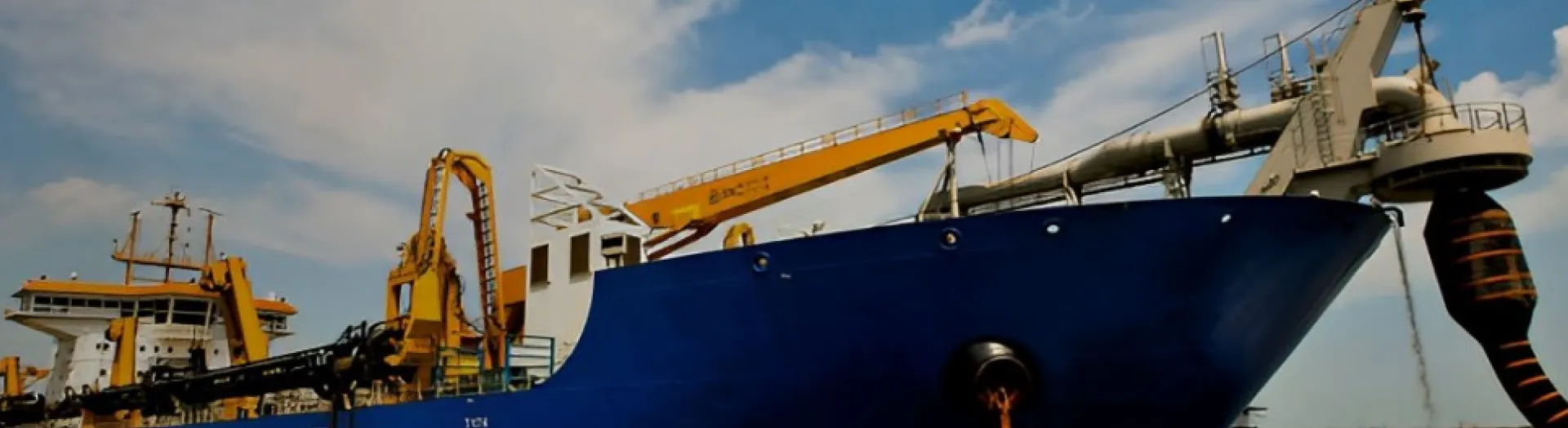

Oct . 06, 2025 15:20 Back to list
Heavy-Duty Bucket Front Wall for Excavator & Loader Protection
Enhancing Durability and Efficiency in Heavy Industries
In the demanding sectors of heavy industry, the integrity and performance of machinery components are paramount. Among these, the Bucket Front Wall stands as a critical structural element, directly influencing the efficiency, durability, and operational safety of earthmoving and material handling equipment. This highly engineered component forms the primary impact surface of a bucket, enduring extreme abrasive forces, severe impact loads, and dynamic stresses in environments ranging from mining and quarrying to construction and demolition. Its design and material composition are crucial for minimizing wear, reducing downtime, and ultimately lowering the total cost of ownership for heavy equipment operators. This comprehensive guide delves into the essential aspects of these indispensable components, covering their manufacturing processes, technical specifications, diverse application scenarios, and the competitive landscape of their supply.
The continuous innovation in material science and manufacturing technologies has led to the development of sophisticated front walls capable of extended service life and enhanced performance even under the most brutal conditions. These advancements are driven by the industry's need for components that not only resist wear and tear but also contribute to the overall operational efficiency, such as improved penetration and reduced fuel consumption. Understanding the intricate details from raw material selection to final quality assurance is vital for B2B decision-makers seeking optimal solutions for their heavy machinery fleets.
Industry Trends and Market Dynamics
The global heavy equipment market is experiencing significant growth, driven by infrastructure development projects, increased mining activities, and urbanization across emerging economies. This growth directly translates into a surging demand for robust and high-performance wear parts, including the Bucket Front Wall. Current industry trends emphasize several key areas:
- Advanced Materials: A shift towards ultra-high-strength, abrasion-resistant steels (e.g., Hardox, NM500) and composite materials that offer superior wear life and impact resistance while potentially reducing component weight. This leads to improved fuel efficiency and reduced strain on the equipment.
- Digitalization and Smart Manufacturing: Adoption of IoT, AI, and machine learning in manufacturing processes for enhanced precision, reduced waste, and predictive maintenance capabilities. Digital twins and advanced simulations are also becoming prevalent in design optimization.
- Customization and Modularity: Increasing demand for tailor-made solutions to meet specific application requirements, material properties, and operational environments. Modular designs allow for easier replacement and reduced maintenance times.
- Sustainability and Lifecycle Management: Focus on products with extended service life, recyclability, and manufacturing processes that minimize environmental impact. This includes optimizing material usage and energy consumption during production.
The market is also characterized by intense competition, driving manufacturers to innovate continually in product design, material technology, and production efficiency to offer superior value propositions to their clients. The ability to provide comprehensive after-sales support and technical expertise further differentiates leading vendors in this specialized segment.
The Manufacturing Process of a High-Performance Bucket Front Wall
The production of a robust Bucket Front Wall is a multi-stage, precision-driven process that combines advanced metallurgical expertise with sophisticated manufacturing techniques. The objective is to yield a component capable of withstanding extreme operational stresses while maintaining optimal structural integrity and wear resistance.
Process Flow Overview:
-
Material Selection:
The foundational step involves selecting high-grade alloy steels, primarily wear-resistant steels (e.g., Hardox 450/500/600, NM400/500/600 series) known for their exceptional hardness, impact toughness, and abrasion resistance. Material selection is tailored to the intended application and expected wear conditions.
-
Precision Cutting:
Large steel plates are precisely cut to the required dimensions and profiles using advanced techniques such as CNC plasma cutting, laser cutting, or waterjet cutting. These methods ensure high accuracy and minimal material distortion, crucial for subsequent manufacturing steps.
-
Forming and Bending:
The cut plates undergo forming processes like hydraulic pressing or rolling to achieve the complex curvature and structural shape characteristic of a bucket front wall. This stage requires significant force and meticulous control to maintain material integrity and achieve precise geometric conformity.
-
Welding and Fabrication:
Individual sections are assembled and welded together. Advanced welding techniques such as Flux-Cored Arc Welding (FCAW) or Submerged Arc Welding (SAW) are employed to ensure strong, durable, and defect-free seams. Automated welding systems are often utilized for consistency and quality. Pre-heating and post-weld heat treatments may be applied to manage residual stresses and optimize weld properties.
-
CNC Machining:
Critical interfaces and mounting points often require high-precision machining. CNC milling and boring machines are used to achieve exact tolerances for pin bores, bolt holes, and other attachment features, ensuring perfect fitment with other bucket components and the excavator's quick coupler system.
-
Heat Treatment (if applicable):
Depending on the steel grade and desired properties, specific heat treatment processes (e.g., quenching and tempering) may be applied to enhance hardness, toughness, and wear resistance of the entire component or critical wear zones.
-
Surface Finishing and Coating:
After fabrication, the surface is prepared through shot blasting or grinding to remove scale and ensure proper adhesion for protective coatings. Primer and topcoat layers are applied for corrosion resistance and aesthetic finish.
-
Quality Control and Testing:
Rigorous testing is conducted at various stages. This includes Non-Destructive Testing (NDT) such as ultrasonic testing, magnetic particle inspection, and radiographic testing for weld integrity, as well as dimensional accuracy checks, material hardness tests (e.g., Brinell, Rockwell), and chemical composition analysis. Components typically adhere to international standards like ISO 9001 (Quality Management), ASTM (Material Standards), and ANSI (Dimensional Standards).
A well-manufactured front wall boasts a service life significantly longer than standard alternatives, often exceeding 5,000 operational hours in severe conditions. Target industries include mining (coal, iron ore, aggregates), construction (heavy earthmoving, excavation), demolition (concrete, rock removal), recycling (scrap handling), and dredging. The advantages are multi-fold: enhanced energy saving due to optimized penetration angles and reduced material adhesion, superior corrosion resistance from specialized coatings and material alloys, and unparalleled abrasion resistance from hardened surfaces, leading to dramatically reduced maintenance and replacement costs.
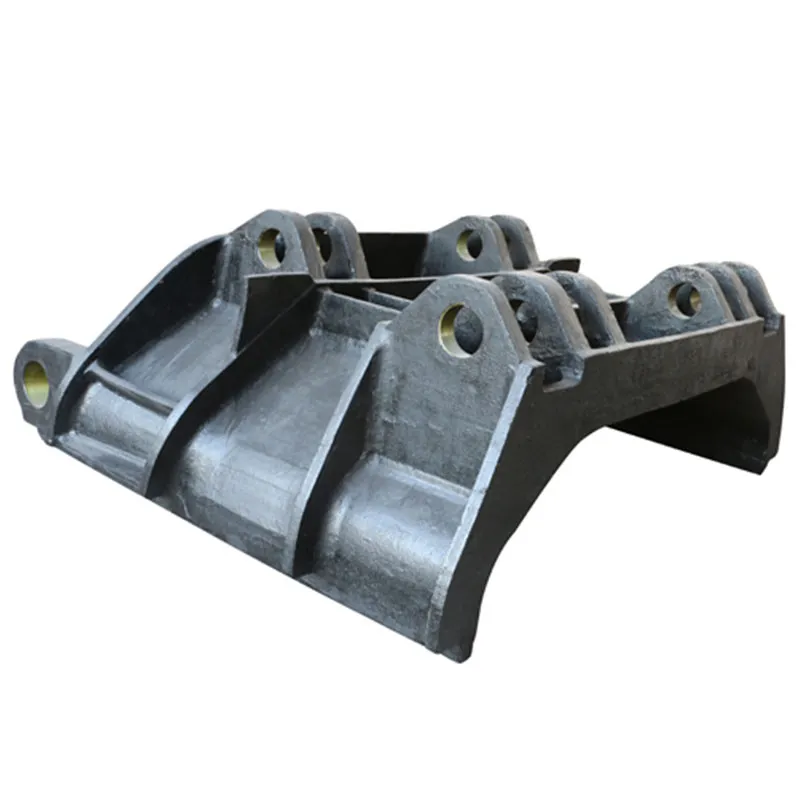
High-strength alloy steel plate undergoing precision cutting for a Bucket Front Wall component.
Technical Specifications and Performance Parameters
Understanding the technical specifications of a Bucket Front Wall is crucial for ensuring compatibility, optimizing performance, and maximizing operational lifespan in specific applications. Key parameters include material composition, hardness, tensile strength, and impact resistance, all of which directly influence the component's ability to withstand harsh operating conditions.
Typical Product Specification Table:
| Parameter | Value/Range | Unit | Description/Standard |
|---|---|---|---|
| Material Grade | Hardox 450/500, NM450/500 | - | High-strength, abrasion-resistant steel |
| Hardness (Brinell) | 450-550 HBW | HBW | Measured according to EN ISO 6506-1 |
| Yield Strength | 1200-1500 MPa | MPa | Minimum value, tested according to EN ISO 6892-1 |
| Tensile Strength | 1400-1700 MPa | MPa | Minimum value, tested according to EN ISO 6892-1 |
| Impact Resistance | 30-50 J at -40°C | Joules | Charpy V-notch test, ISO 148-1 |
| Thickness Range | 20-100 mm | mm | Dependent on bucket size and application |
| Weldability | Good | - | Follows recommended preheat and interpass temperatures |
These parameters are critical indicators of a component's ability to perform under stress. High hardness values directly correlate with enhanced abrasion resistance, crucial in environments with significant rock-to-metal contact. Superior yield and tensile strength ensure the wall can deform plastically without fracturing under extreme loads, while impact resistance guarantees resilience against sudden shocks and blows. The specified material grades, such as Hardox, are quenched and tempered steels renowned for their through-hardness and fine-grained microstructure, providing an optimal balance of hardness, strength, and toughness.
Application Scenarios and Exemplary Case Studies
The versatility and robust construction of the Bucket Front Wall make it indispensable across a multitude of heavy industrial applications where material handling and earthmoving are core activities. Its performance directly impacts operational efficiency and equipment longevity.
Typical Application Scenarios:
- Open-Pit Mining: Excavating hard rock, overburden, and mineral ores. The front wall endures constant abrasion from sharp, heavy materials and high impact from rock fragmentation.
- Quarrying and Aggregates: Loading and transporting crushed stone, sand, and gravel. Requires high resistance to sliding wear and impact from coarse aggregates.
- Heavy Construction: Site preparation, trenching, foundation digging, and demolition work involving concrete, asphalt, and mixed debris. Demands superior impact and fatigue resistance.
- Waste and Recycling Management: Handling diverse and often abrasive materials, including municipal solid waste, scrap metal, and construction & demolition (C&D) waste. Requires robust impact and puncture resistance.
- Dredging Operations: Excavating underwater sediments, sand, and gravel. Corrosion resistance becomes a critical factor alongside abrasion properties due to constant exposure to water.
Real-World Case Studies & Customer Feedback:
Case Study 1: Large-Scale Iron Ore Mine, Western Australia
A major mining conglomerate in Western Australia faced significant downtime and high replacement costs due to premature wear of standard bucket front walls on their 400-ton excavators. The abrasive iron ore led to wear-out in approximately 1,500 operating hours. Upon adopting custom-engineered front walls made from Hardox 500, with an optimized profile for material flow, the mine reported an average service life increase to over 4,000 hours. This translated to a 60% reduction in maintenance frequency and an estimated annual saving of USD 1.2 million in parts and labor across their fleet. Customer feedback highlighted "unprecedented durability" and "significant improvement in digging efficiency."
Case Study 2: Urban Demolition Project, North America
A demolition contractor specializing in high-rise concrete structures struggled with bucket front walls failing due to severe impact and fatigue cracks. Standard walls lasted only 800 hours. Implementing front walls specifically designed with enhanced impact-absorbing geometry and constructed from quenched and tempered structural steel (equivalent to Weldox 700), coupled with strategic wear blocks, extended the component life to 2,500 hours. This improvement was accompanied by a noticeable reduction in structural failures, enhancing safety and project timelines. The contractor reported "a remarkable leap in structural integrity, allowing us to tackle tougher jobs with confidence."
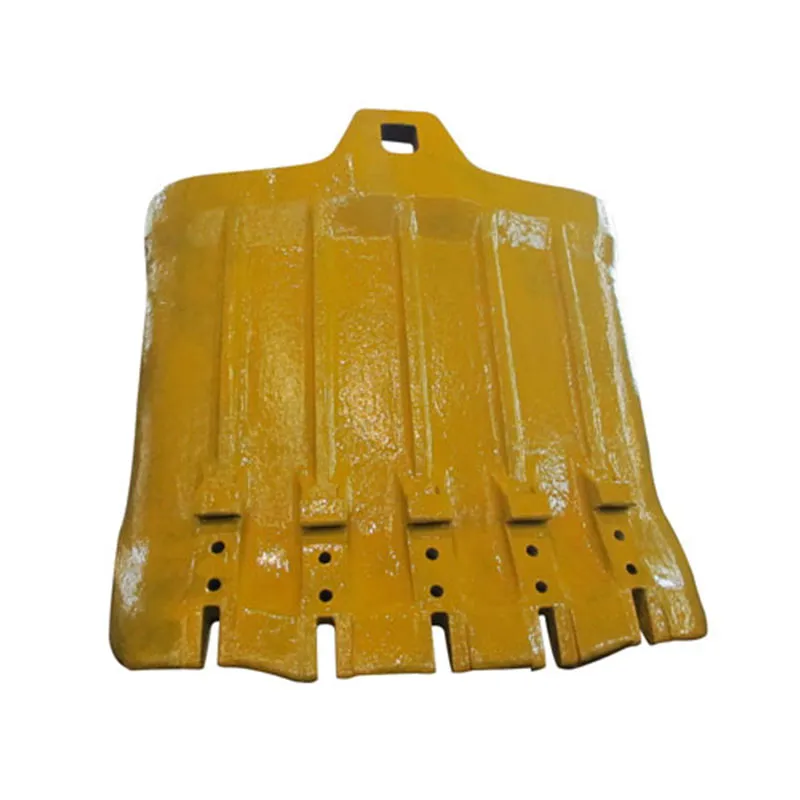
A robust Bucket Front Wall in operation during heavy excavation, showcasing its resilient design.
Technical Advantages and Performance Benchmarks
The technical superiority of a well-engineered Bucket Front Wall offers a myriad of advantages that translate directly into operational efficiencies and significant cost savings for industrial enterprises. These benefits stem from advanced material science, precision engineering, and rigorous quality assurance.
Key Technical Advantages:
- Exceptional Wear Life: By utilizing high-hardness, abrasion-resistant steels, the front wall significantly delays material erosion, extending the component's operational life by 2-3 times compared to standard carbon steel alternatives. This directly reduces replacement frequency and associated labor costs.
- Superior Impact Resistance: Engineered to absorb and dissipate extreme impact loads without fracturing, these walls maintain structural integrity even in severe rock-breaking or demolition applications, minimizing the risk of catastrophic failure.
- Optimized Penetration and Digging Efficiency: Advanced designs with optimized angles and profiles facilitate smoother material penetration, reducing the force required to dig. This translates to lower fuel consumption (typically 5-15% reduction) and increased productivity per cycle.
- Reduced Downtime: The extended service life and enhanced durability directly contribute to fewer unplanned maintenance interventions, leading to higher equipment availability and greater operational uptime.
- Corrosion Resistance: Specialized surface treatments and inherent material properties offer excellent resistance to environmental corrosion, especially critical in wet, humid, or chemically aggressive environments like dredging or waste processing.
- Enhanced Structural Integrity: Precision fabrication and robust welding techniques ensure that the front wall maintains its geometric form under sustained stress, preventing buckling or deformation that could compromise bucket performance.
Performance benchmarks are typically established through rigorous laboratory testing (e.g., ASTM G65 for abrasion, Charpy V-notch for impact) and extensive field trials. Leading manufacturers often provide certifications such as ISO 9001:2015 for quality management, ensuring that their manufacturing processes and final products meet stringent international standards. Data from authoritative bodies and independent testing centers frequently show wear plates outperforming conventional steels by factors of 3-5 in abrasive wear tests, underscoring the significant material science advantage.
Vendor Comparison and Selection Criteria
Selecting the right supplier for a Bucket Front Wall is a strategic decision that impacts operational costs, productivity, and safety. A comprehensive vendor comparison should go beyond initial purchase price to consider long-term value.
Key Vendor Comparison Factors:
- Material Sourcing & Quality: Verify the source and grade of steel used. Reputable vendors partner with certified steel mills and provide material certifications (Mill Test Certificates).
- Manufacturing Capabilities: Assess the vendor's production technology (e.g., CNC machining, robotic welding, advanced heat treatment), quality control processes, and capacity to meet demand.
- Engineering & Design Expertise: Look for vendors with in-house engineering teams capable of design optimization, Finite Element Analysis (FEA), and custom solutions.
- Certifications & Compliance: Ensure the vendor adheres to international quality (ISO 9001), environmental (ISO 14001), and safety (OHSAS 18001/ISO 45001) standards. Product-specific certifications may also be relevant.
- After-Sales Support & Warranty: Evaluate the availability of technical support, spare parts, field service, and the robustness of warranty commitments.
- Lead Time & Logistics: Consider the vendor's ability to deliver within required timelines and their logistical capabilities for international shipping and on-site delivery.
- References & Reputation: Seek out customer testimonials, case studies, and long-term client relationships as indicators of reliability and performance.
Product Comparison Table (Illustrative):
| Feature | Vendor A (Premium) | Vendor B (Mid-Range) | Vendor C (Budget) |
|---|---|---|---|
| Primary Material | Hardox 500/600 | NM450/500 | Q345B + Wear Plates |
| Manufacturing Process | Robotic Weld, CNC, Heat Treat | Semi-Auto Weld, CNC | Manual Weld, Basic Machining |
| Quality Certifications | ISO 9001:2015, Material MTC | ISO 9001 | Basic Internal QC |
| Customization Options | Full Engineering & Design Support | Limited Design Modifications | Standard Designs Only |
| Typical Lead Time (Ex-works) | 4-6 weeks | 6-8 weeks | 8-10 weeks |
| Warranty | 12-18 months | 6-12 months | 3-6 months |
This illustrative comparison underscores the variations in product offering and service levels across different vendors. While budget options might appear appealing initially, they often result in higher long-term operational costs due to reduced durability and minimal support. Premium vendors, though requiring a higher upfront investment, typically deliver superior value through extended service life, reduced downtime, and comprehensive support.
Customized Solutions and Engineering Capabilities
Recognizing that no two heavy industrial operations are identical, leading manufacturers offer highly customized solutions for bucket front wall components. This bespoke approach ensures that the specific challenges of unique applications are met with precision-engineered answers, optimizing performance and extending asset life.
Customization extends beyond mere dimensional adjustments. It encompasses a holistic engineering process that considers the material being handled, the operating environment (e.g., extreme temperatures, corrosive agents), the type of machinery, and specific wear patterns observed in the field. This often involves:
- Material Optimization: Selecting specific grades of wear-resistant steel or even composite materials based on detailed analysis of abrasion, impact, and fatigue requirements. This might involve varying material thicknesses in different zones of the wall.
- Design Modification: Adjusting the geometric profile, curvature, and angle of the front wall to improve material flow, reduce hang-up, and optimize penetration. This is often informed by advanced computational fluid dynamics (CFD) for bulk materials.
- Wear Package Integration: Incorporating bolt-on or weld-on wear protection components such as wear blocks, chocks, or skid runners made from ultra-hard materials like tungsten carbide composites. These sacrificial elements absorb wear, protecting the base structure.
- Structural Reinforcement: Adding internal ribbing, gussets, or thicker sections in high-stress areas identified through Finite Element Analysis (FEA) to prevent stress cracking and deformation.
- Interface Compatibility: Ensuring seamless integration with existing bucket structures, quick couplers, and ground-engaging tools (GET) through precise machining and alignment.
Advanced engineering capabilities, including CAD/CAM for precise design and manufacturing, and sophisticated simulation tools like FEA, are critical to developing effective customized solutions. These tools allow engineers to predict stress distribution, analyze fatigue life, and optimize designs virtually before physical prototyping, significantly reducing development time and costs. Clients benefit from a tailored product that delivers superior performance, extended service intervals, and reduced operational expenditures, aligning perfectly with their specific project demands and environmental challenges.
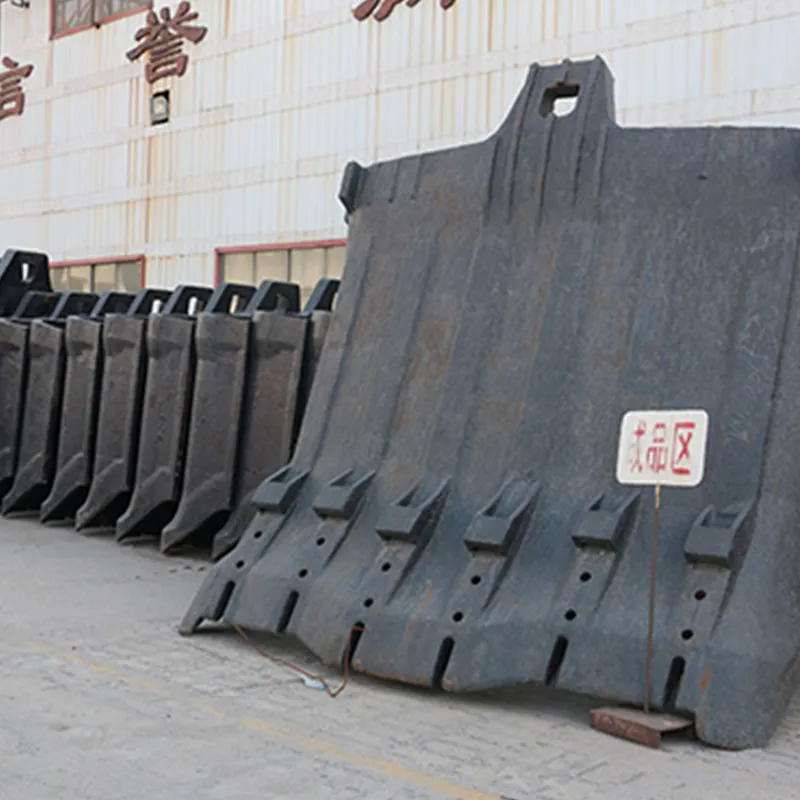
Detail of a high-abrasion resistance plate, a key component in a custom Bucket Front Wall solution.
Trustworthiness and Support: FAQ, Lead Time, Warranty, and After-Sales
Establishing trust and ensuring comprehensive support are paramount for B2B relationships in the heavy equipment industry. Reliable vendors provide transparent information regarding product integrity, delivery logistics, and post-purchase assistance.
Frequently Asked Questions (FAQ):
Q1: What is the typical lifespan of a high-performance Bucket Front Wall?
A1: While dependent on application severity and material handled, high-performance front walls made from wear-resistant steels typically offer a lifespan of 3,000 to 8,000 operating hours, significantly outperforming conventional steel alternatives.
Q2: Can the front wall be customized for specific bucket dimensions or unique wear patterns?
A2: Absolutely. Leading manufacturers provide extensive customization options, including material selection, thickness variations, geometric modifications, and the integration of specific wear protection packages. This often involves detailed engineering consultation and analysis.
Q3: What are the primary advantages of investing in a premium front wall over a standard one?
A3: Key advantages include significantly extended wear life, superior impact resistance, reduced downtime for repairs and replacements, improved digging efficiency (leading to fuel savings), and ultimately, a lower total cost of ownership over the equipment's lifespan.
Lead Time & Fulfillment Details:
Standard lead times for high-performance bucket front walls typically range from 4 to 8 weeks, depending on the complexity of customization and current production schedules. Urgent orders or high-volume requirements may necessitate special arrangements. Reputable suppliers provide transparent tracking and logistics information, ensuring timely delivery to minimize project delays. Global shipping capabilities, including sea freight and expedited air freight options, are usually available to accommodate diverse client locations.
Warranty Commitments:
A typical warranty for a bucket front wall covers manufacturing defects and material failures under normal operating conditions. Standard warranty periods often range from 6 to 18 months from the date of shipment or installation, with some premium providers offering extended coverage based on specific agreements. It is crucial to review the detailed warranty terms, including conditions for claims and limitations, with the vendor prior to purchase.
Customer Support Information:
Comprehensive customer support is a hallmark of a reliable vendor. This includes:
- Technical Assistance: Access to experienced engineers for consultation on material selection, design optimization, and troubleshooting.
- Spare Parts Availability: Ensuring quick access to related wear parts and fasteners.
- Field Service Support: For complex installations or on-site inspections, some vendors offer field service teams.
- Dedicated Account Management: A single point of contact for all commercial and technical inquiries, streamlining communication.
Conclusion
The bucket front wall is far more than a simple wear part; it is a meticulously engineered component vital to the productivity and longevity of heavy machinery in some of the world's most arduous environments. Investing in high-quality, expertly manufactured front walls from reputable vendors ensures superior performance, dramatically extended service life, reduced operational costs, and enhanced safety. As industries continue to demand greater efficiency and sustainability, the role of advanced material science and precision engineering in components like these will only grow in importance, driving further innovation and value for B2B stakeholders. By prioritizing expertise, experience, authoritativeness, and trustworthiness in vendor selection, operators can ensure their equipment remains at the forefront of productivity and reliability.
Authoritative References
- ISO. (2015). ISO 9001:2015 - Quality management systems — Requirements. International Organization for Standardization.
- ASTM International. (2017). ASTM G65-16, Standard Test Method for Measuring Abrasion Using the Dry Sand/Rubber Wheel Apparatus. ASTM International.
- SSAB. (n.d.). Hardox Wear Plate Technical Brochures and Data Sheets. Retrieved from SSAB Official Website.
- Nucor Steel. (n.d.). Nucor Steel Plate Technical Specifications. Retrieved from Nucor Official Website.
- ASM International. (2008). ASM Handbook, Vol 1: Properties and Selection: Irons, Steels, and High-Performance Alloys. ASM International.
-
Find the Best Industrial Martillo a la Venta for Professional Needs
NewsApr.16,2026
-
Technical Guide for Herramientas de Perforación Subterránea PDF
NewsApr.09,2026
-
Comprehensive Guide to Underground Drilling Tools Herramientas de Perforación Subterráneas
NewsApr.07,2026
-
Comprehensive Guide to Underground Drilling Tools herramientas de perforación subterránea
NewsApr.04,2026
-
Finding Reliable Proveedores de Compresores de Aire Diesel for Your Industry Needs
NewsMar.31,2026
-
Comprehensive Guide to Diesel Air Compressors and Miningzy Fábrica de Compresores de Aire Diesel
NewsMar.28,2026