

Sep . 15, 2025 10:20 Back to list
Efficient & Durable Slurry Pump Impeller Solutions
Industry Trends and the Critical Role of Slurry Pump Impellers
In industrial operations handling abrasive and corrosive slurries, the efficiency and longevity of pumping systems are paramount. At the core of these systems lies the slurry pump impeller, a component whose design, material, and manufacturing precision dictate operational performance and total cost of ownership. Current industry trends reflect an increasing demand for sustainable, energy-efficient, and highly durable pumping solutions. This includes a focus on innovative materials that extend service life, advanced hydraulic designs that reduce power consumption, and smart monitoring systems that predict maintenance needs.
The global market for industrial pumps is experiencing growth driven by infrastructure development, mining activities, and increasing industrialization in emerging economies. This growth amplifies the need for robust components capable of handling challenging media, from mining tailings and sand slurries to chemical waste and sewage. Manufacturers are continuously investing in R&D to optimize impeller geometry for better hydraulic efficiency and to develop wear-resistant alloys that withstand extreme conditions, thereby impacting the overall performance and perceived value in terms of slurry pump impeller price.
The focus is also shifting towards components that offer a lower environmental footprint and contribute to operational safety. This comprehensive guide will delve into the intricacies of slurry pump impellers, covering their manufacturing, technical specifications, applications, advantages, and insights into selecting the best solutions.
The Meticulous Manufacturing Process of a Slurry Pump Impeller
The manufacturing of a high-performance slurry pump impeller is a sophisticated multi-stage process, demanding stringent quality control and specialized expertise. The choice of material is critical, dictated by the specific application's abrasive, corrosive, or erosive nature.
Key Materials:
- High-Chromium White Iron Alloys (e.g., A05, A07, A49): These robust alloys, containing 15-30% chromium, are characterized by exceptional hardness (550-650 HB) and wear resistance, ideal for highly abrasive slurries.
- Natural Rubber: Offers excellent elasticity and corrosion resistance, suitable for fine, soft particle slurries and corrosive applications.
- Polyurethane: Provides a balance of abrasion resistance and elasticity, often used for applications with medium-sized particles and moderate impact.
Manufacturing Process Flow:
- Pattern Making: Precision patterns, typically from wood or resin, are created based on CAD designs. These patterns account for material shrinkage during solidification.
- Molding: Sand molds are formed around the patterns, incorporating gating and risering systems to ensure proper metal flow and minimize defects.
- Melting & Pouring (for Casting): High-chrome iron is melted in induction furnaces, with precise control over chemical composition. The molten metal is then carefully poured into the prepared molds.
- Cooling & Shakeout: After solidification, the casting is removed from the mold.
- Heat Treatment: For metallic impellers, specific heat treatment cycles (e.g., austenitizing, quenching, tempering) are applied to achieve desired hardness, microstructure, and wear resistance.
- CNC Machining: Precision machining is performed to achieve exact dimensions, balance, and surface finish. This includes turning, milling, and drilling of critical surfaces to ensure optimal hydraulic performance and fit.
- Rubber/Polyurethane Lining (for soft impellers): For elastomeric impellers, rubber or polyurethane is compression molded or injection molded onto a metal core, or directly molded to form the entire impeller structure.
- Assembly (if multi-component): Components are assembled and secured.
- Testing & Quality Control:
- Dimensional Inspection: Using CMM (Coordinate Measuring Machine) to verify critical dimensions.
- Material Analysis: Spectrographic analysis to confirm chemical composition and hardness testing (e.g., Rockwell, Brinell).
- Dynamic Balancing: Essential for preventing vibration and ensuring smooth operation, extending pump bearing and seal life. Adherence to standards like ISO 1940-1.
- Non-Destructive Testing (NDT): Such as ultrasonic or radiographic inspection for internal defects.
Adherence to international testing standards like ISO 9001 for quality management and ANSI/ASTM standards for material specifications ensures consistency and reliability. The meticulous process directly contributes to an extended service life, often exceeding competitor products by 20-40% in harsh conditions, translating to significant energy saving due to consistent hydraulic performance and superior corrosion resistance.
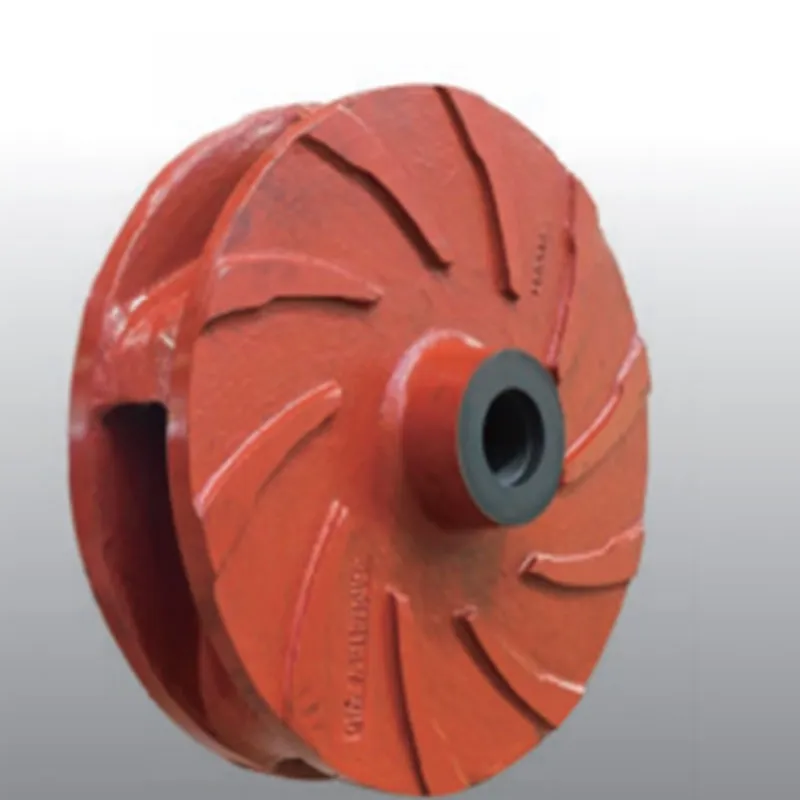
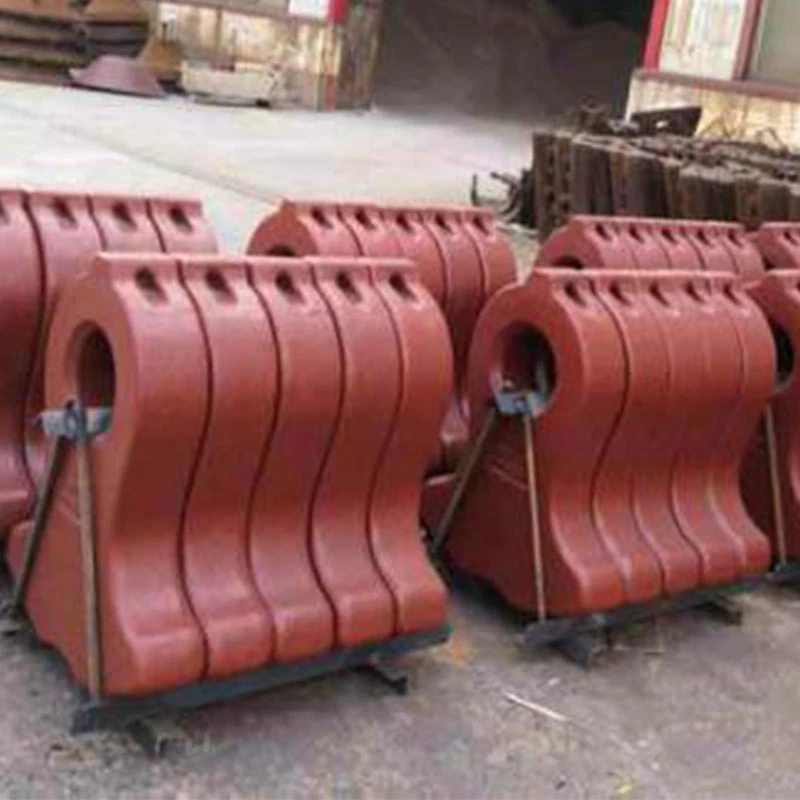
Fig 1: Advanced manufacturing techniques ensure precision in every slurry pump impeller.
Technical Specifications and Performance Parameters
The performance of a slurry pump impeller is defined by a range of technical specifications and hydraulic parameters. Understanding these is crucial for proper pump selection and optimal system design. Impellers are typically categorized by their hydraulic design:
- Closed Impellers: Feature shrouds on both sides of the vanes, offering higher efficiency for clean liquids or slurries with very fine particles. Less common in heavy-duty slurry applications due to clogging risk.
- Semi-Open Impellers: Have a shroud only on the backside, leaving the front exposed. Good for moderate solids content and easier maintenance.
- Open Impellers: Lack shrouds, with vanes attached directly to the hub. Best for large solids, fibrous materials, or highly abrasive slurries, minimizing clogging. Often seen in a sludge pump impeller.
Key Technical Parameters for an Impeller Slurry Pump:
| Parameter | Description | Typical Range/Value |
|---|---|---|
| Impeller Diameter | Overall diameter, impacts head and flow rate. | 150mm - 1500mm+ |
| Number of Vanes | Determines flow path and solids handling capability. | 3 to 6 vanes common for slurry |
| Vane Outlet Angle | Influences pump efficiency and head. | Varies by hydraulic design |
| Eye Diameter | Inlet diameter where fluid enters the impeller. | Impacts NPSHr and flow capacity |
| Material Hardness | Resistance to abrasive wear. | 550-650 HB (High-Chrome Iron) |
| Weight | Influences bearing load and power consumption. | From a few kg to over 1000 kg for large units |
| Hydraulic Efficiency | Measure of how well fluid energy is converted to pressure. | 70-85% for well-designed slurry impeller |
| NPSHr | Net Positive Suction Head required; crucial to avoid cavitation. | Minimization is key for challenging applications |
Advanced computational fluid dynamics (CFD) are increasingly employed in the design of a slurry impeller to optimize these parameters for maximum efficiency and wear life. This ensures that the impeller performs optimally under specific operational conditions, leading to reduced energy consumption and prolonged component life.
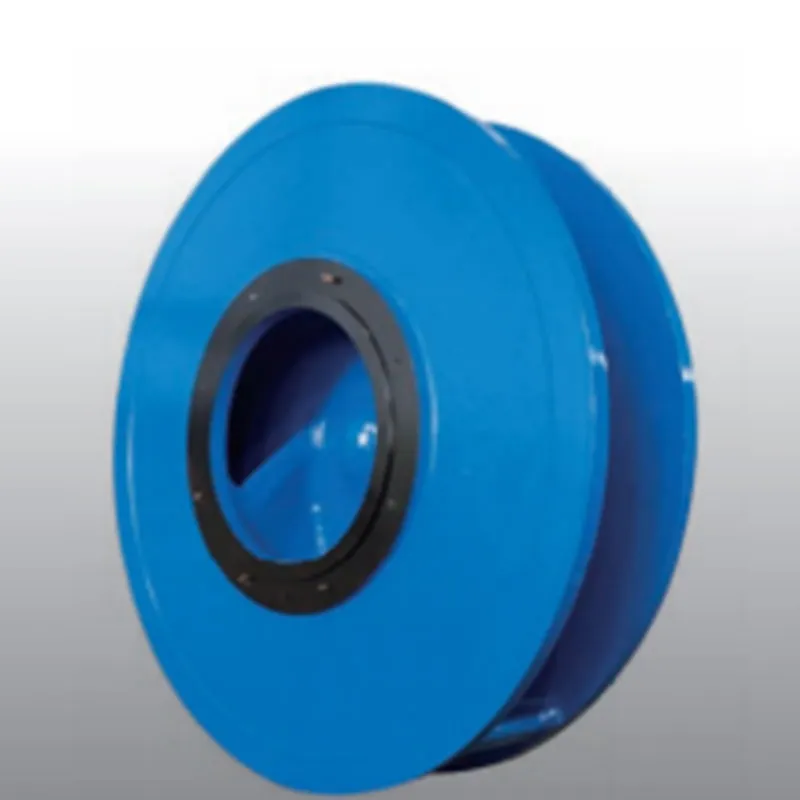
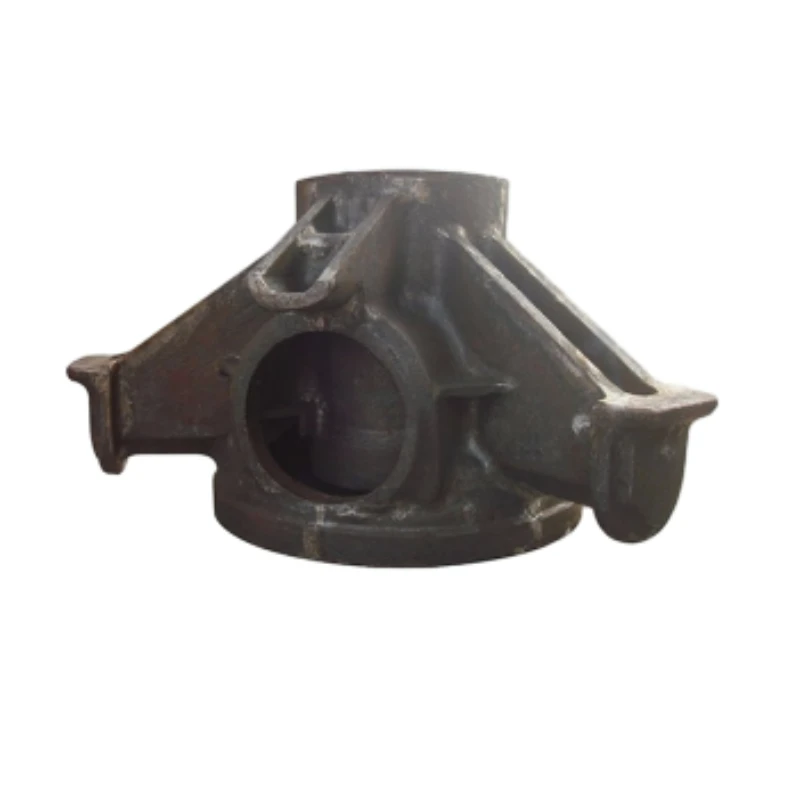
Fig 2: Diverse designs of slurry pump impeller for various applications.
Diverse Application Scenarios
The versatility of the slurry pump impeller makes it indispensable across a multitude of heavy industrial sectors. Its ability to effectively move fluid containing abrasive solids, viscous media, or corrosive chemicals addresses critical operational challenges.
Target Industries & Typical Applications:
- Mining & Mineral Processing: Essential for transporting ore slurries, tailings, concentrate, and heavy media. Impellers must withstand extreme abrasion from quartz, iron ore, and other minerals. A specific impeller slurry pump design is often chosen for this demanding environment.
- Power Generation (Thermal Power Plants): Used for ash handling (bottom ash, fly ash), flue gas desulfurization (FGD) slurries, and limestone slurry transport. These applications involve abrasive particles and sometimes corrosive chemical compounds.
- Dredging & Sand & Gravel: Critical for moving large volumes of sand, gravel, and silt from riverbeds, harbors, and mines. A robust sludge pump impeller is vital for resisting severe impact and abrasion from large particles.
- Metallurgy: Handles various slurries in steel mills, aluminum production, and other metal processing facilities, often at elevated temperatures and with corrosive agents.
- Chemical & Petrochemical: For transferring process slurries, catalyst slurries, and wastewater containing solid particles. Materials must offer high chemical resistance.
- Water & Wastewater Treatment: Moving raw sewage, activated sludge, grit, and other solid-laden fluids. Here, preventing clogging is as important as wear resistance.
In each scenario, the impeller faces unique challenges: high solids concentration, varying particle sizes, corrosive pH levels, and fluctuating temperatures. The correct selection of slurry impeller material and hydraulic design ensures not just operational continuity but also optimizes energy consumption and minimizes costly downtime for maintenance.
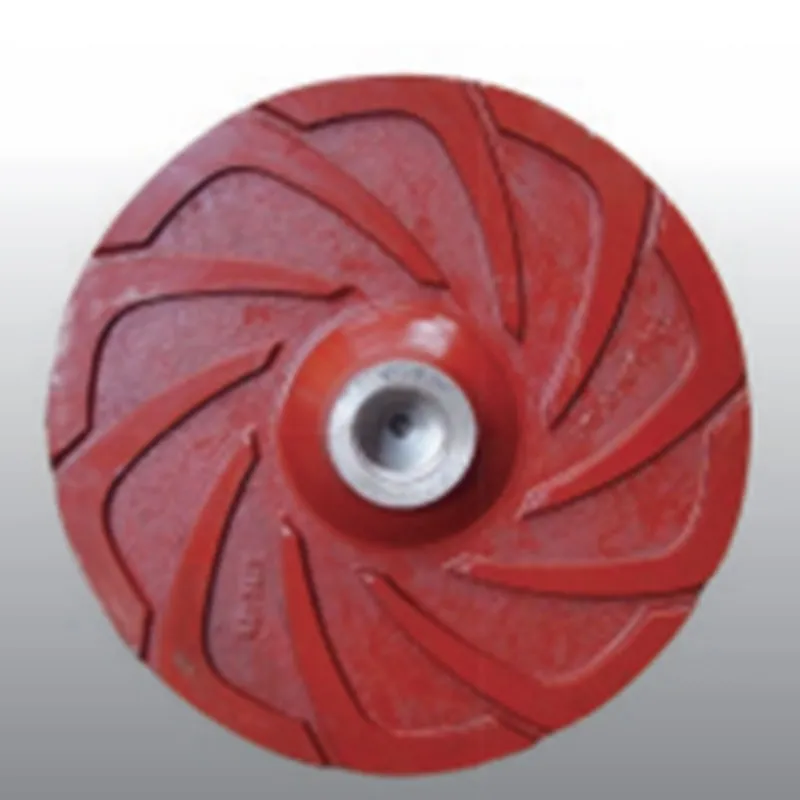
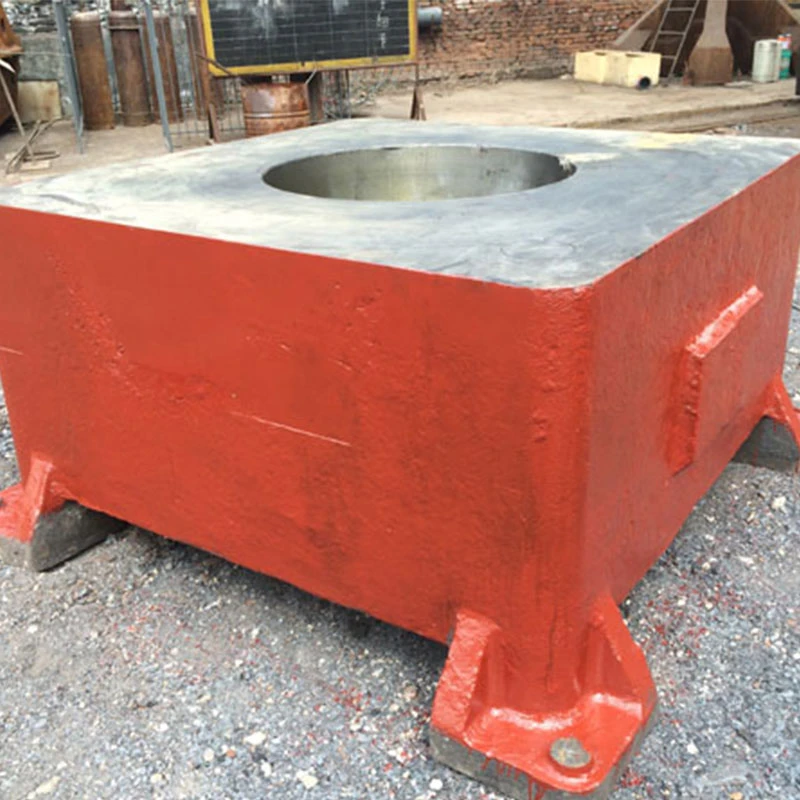
Fig 3: Robust slurry pump impeller operating in demanding industrial environments.
Technical Advantages of High-Performance Slurry Pump Impellers
Investing in a high-quality slurry pump impeller offers substantial technical and economic advantages for industrial operations. These benefits are derived from superior design, material science, and manufacturing precision.
- Exceptional Wear Resistance: Utilizing advanced alloys like high-chromium white iron or specialized elastomers significantly extends the service life, even in highly abrasive environments. This dramatically reduces the frequency of replacements and associated labor costs.
- Optimized Hydraulic Efficiency: Precision-engineered vane profiles and smooth flow passages minimize turbulence and hydraulic losses. This translates directly into lower power consumption, contributing to substantial energy savings over the pump's operational lifespan. Energy efficiency improvements of 5-10% are commonly reported compared to standard designs.
- Superior Corrosion Resistance: For applications involving acidic or alkaline slurries, impellers made from specific stainless steels or rubber-lined options provide excellent resistance to chemical degradation, preventing premature failure.
- Reduced Net Positive Suction Head Required (NPSHr): Advanced impeller designs can operate effectively with lower NPSHr values, reducing the risk of cavitation. Cavitation causes vibration, noise, and rapid material erosion, so its minimization prolongs pump life and maintains performance.
- Enhanced Solids Handling Capability: Open or semi-open designs, especially in a sludge pump impeller, are engineered to pass larger solids without clogging, ensuring continuous operation and reducing process downtime.
- Lower Total Cost of Ownership (TCO): While the initial slurry pump impeller price might be higher for premium materials and designs, the extended service life, reduced energy consumption, and lower maintenance requirements lead to a significantly lower TCO over time.
- Improved Operational Stability: Dynamic balancing during manufacturing ensures smooth, vibration-free operation, which protects other pump components (bearings, seals) and reduces overall system stress.
These advantages are not merely theoretical; they are consistently validated through rigorous field testing and operational data, demonstrating the tangible benefits of investing in a high-quality slurry impeller.
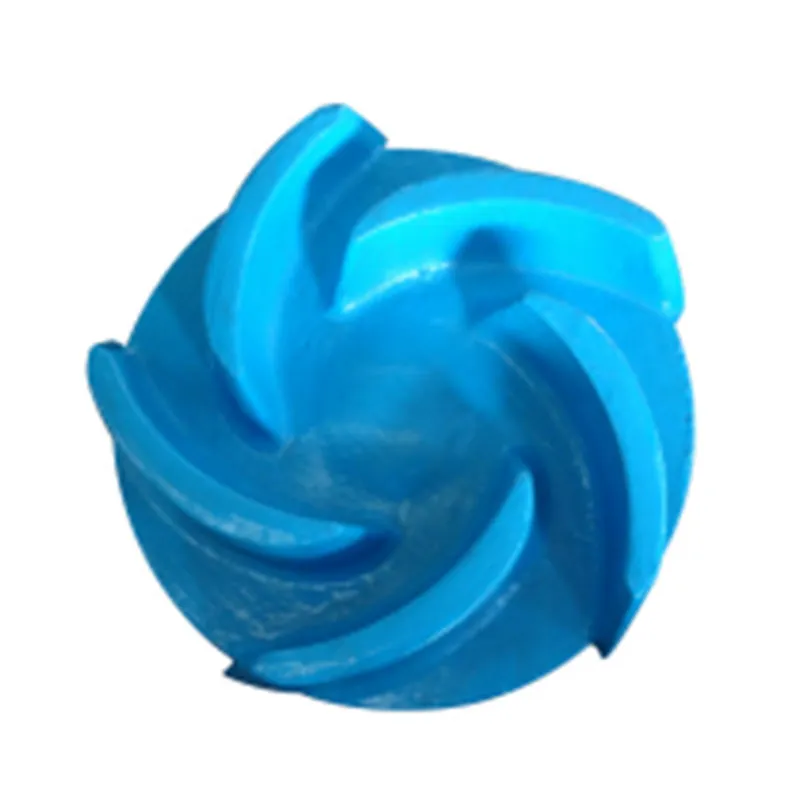
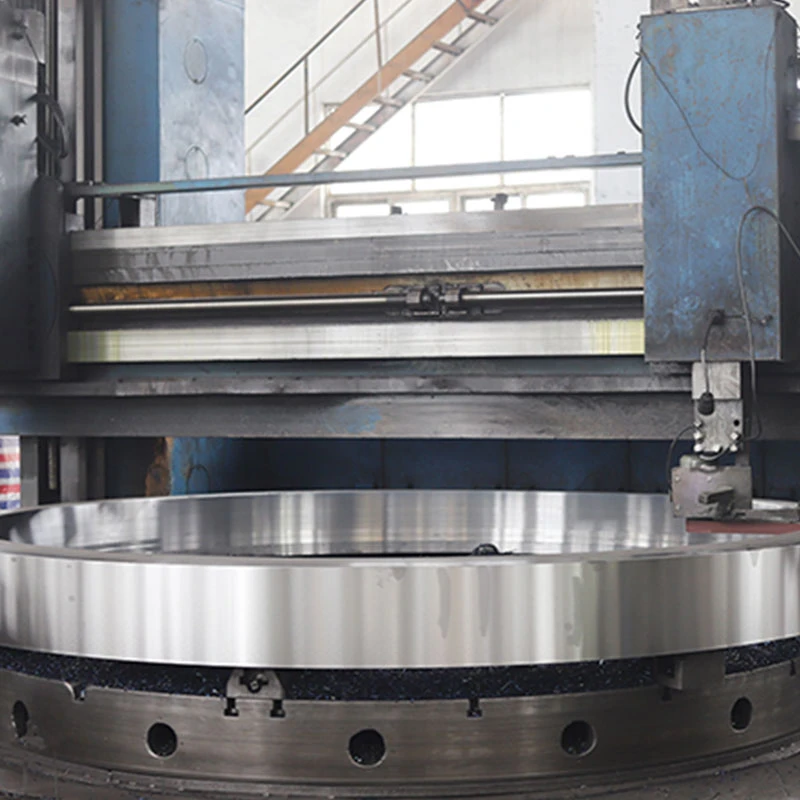
Fig 4: The robust construction of a slurry pump impeller for longevity.
Vendor Comparison: Choosing the Right Slurry Pump Impeller Partner
Selecting the right vendor for your slurry pump impeller needs is a strategic decision that impacts operational efficiency, maintenance costs, and long-term reliability. A superficial comparison based solely on slurry pump impeller price can be misleading. A more holistic approach considers several critical factors:
Key Comparison Criteria:
- Material Expertise & Quality: Leading vendors possess extensive knowledge of metallurgic and elastomeric materials, offering a range of proven alloys (e.g., A05, A07, A49) and compounds. They provide verifiable material certifications and adhere to strict casting and heat treatment protocols.
- R&D and Design Capability: Top-tier suppliers invest in CFD and FEA (Finite Element Analysis) for optimal hydraulic design, ensuring high efficiency and extended wear life. They can provide performance curves and detailed technical drawings.
- Manufacturing Precision: Precision CNC machining, dynamic balancing, and rigorous quality control (ISO 9001, ASTM standards) are hallmarks of reputable manufacturers, ensuring dimensional accuracy and reliable performance.
- Customization & Engineering Support: The ability to offer tailored solutions for specific applications, including material selection, design modifications, and coating options, is a significant differentiator.
- Lead Time & Logistics: Efficient production processes and robust supply chain management ensure timely delivery, minimizing inventory holding costs and operational downtime for clients.
- After-Sales Support & Warranty: Comprehensive warranty policies, readily available technical assistance, spare parts inventory, and responsive field service are crucial for long-term operational success.
- Industry Experience & Reputation: A proven track record, positive customer testimonials, and long-standing partnerships with major industrial clients underscore a vendor's reliability and authority in the market.
Vendor Comparison Table (Illustrative):
| Feature | Specialized B2B Supplier | General Manufacturer |
|---|---|---|
| Material Range | Extensive high-chrome alloys (A05, A07, A49), natural rubber, polyurethane, custom blends. | Standard high-chrome (limited grades), basic rubber. |
| Design Optimization | CFD/FEA-driven designs, patented hydraulics for efficiency. | Standard designs, less emphasis on custom optimization. |
| Quality Certifications | ISO 9001, ASTM, verifiable material traceability. | Basic quality checks, limited external certifications. |
| Customization | Full customization, engineering consultation, prototype development. | Limited modifications, off-the-shelf focus. |
| Lead Time | Optimized production, typically 4-8 weeks, expedited options available. | Variable, often longer for specific requirements. |
| After-Sales Support | Dedicated technical support, comprehensive warranty, parts availability, field service. | Basic support, limited warranty, parts on demand. |
| Longevity/Wear Life | Up to 2x standard, proven by field data. | Standard industry averages. |
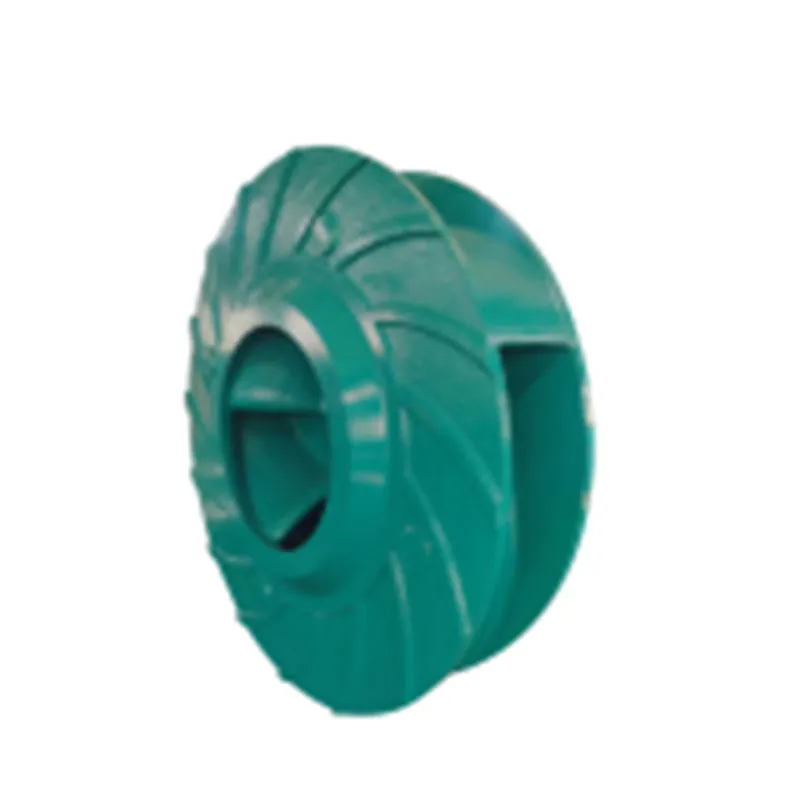
Fig 5: Vendor comparison highlights for selecting the best slurry pump impeller.
Customized Solutions for Optimal Performance
Off-the-shelf components often fall short in demanding industrial applications where specific slurry characteristics, operational parameters, and environmental factors create unique challenges. This is where customized slurry pump impeller solutions offer unparalleled value.
Reputable manufacturers engage in a collaborative process with clients to engineer impellers that are precisely tailored to their needs. This involves:
- Detailed Application Analysis: Thorough understanding of slurry composition, particle size distribution, concentration, pH, temperature, flow rate, and desired head.
- Material Selection Optimization: Recommending the ideal material (e.g., specific high-chrome alloy grade, specialized rubber compound, or polyurethane formulation) to resist the predominant wear mechanism (abrasion, erosion, corrosion, or impact).
- Hydraulic Design Modifications: Adjusting vane geometry, outlet angles, and shroud designs to maximize efficiency, minimize turbulence, and enhance solids handling for the specific slurry. This often results in a bespoke slurry impeller.
- Advanced Coatings & Treatments: Applying specialized coatings (e.g., ceramic, tungsten carbide) or surface treatments for enhanced wear or corrosion resistance in extreme conditions.
- Structural Reinforcements: Modifying the impeller structure for increased robustness or to handle higher stress loads in heavy-duty applications.
The benefits of such customization include significantly extended wear life, reduced energy consumption (due to optimized hydraulic performance), decreased maintenance frequency, and improved overall system reliability. This strategic approach ensures that the total operational costs are minimized, making the initial investment in a customized slurry pump impeller a highly cost-effective decision.
Application Case Studies: Proving Slurry Pump Impeller Performance
Real-world application case studies provide tangible evidence of the superior performance and economic benefits of high-quality slurry pump impeller solutions. These examples highlight how tailored solutions address specific challenges and deliver measurable improvements.
Case Study 1: Copper Mining Tailings Transport
Challenge: A large copper mining operation in South America faced severe abrasion in their tailings pump, leading to a typical slurry pump impeller life of only 3 months. Frequent replacements resulted in significant downtime, increased maintenance costs, and production losses. The slurry contained highly abrasive quartz and silicate particles.
Solution: The client partnered with a specialized manufacturer to develop a customized slurry impeller made from an ultra-hard, high-chromium white iron alloy (A49), with optimized vane geometry for reduced impact wear. The new impeller also underwent enhanced heat treatment for maximum hardness and toughness.
Results: The custom-engineered slurry pump impeller achieved an average service life of 9 months, tripling the operational period. This led to a 66% reduction in impeller replacement frequency, an estimated 25% reduction in annual maintenance costs, and a significant increase in overall plant uptime. Energy consumption also saw a marginal improvement of 3% due to sustained hydraulic efficiency.
Case Study 2: Flue Gas Desulfurization (FGD) Slurry at a Power Plant
Challenge: A coal-fired power plant experienced rapid erosion and corrosion of their impellers in the FGD system, which handles abrasive gypsum slurry with corrosive chemical additives. Standard impellers lasted only 4-5 months, and the plant faced issues with uneven wear affecting pump performance and requiring frequent re-balancing.
Solution: A bespoke impeller slurry pump solution was provided, featuring a composite design with a highly corrosion-resistant elastomeric lining (specifically, a chemical-resistant natural rubber) bonded to a robust metallic core. The rubber lining offered superior resistance to both chemical attack and fine particle abrasion.
Results: The specialized rubber-lined slurry impeller extended the service life to 12 months, reducing replacement costs and maintenance labor by over 50%. The improved hydraulic stability also contributed to a 7% reduction in energy consumption for the FGD pumps. This highlighted the value beyond just the initial slurry pump impeller price.
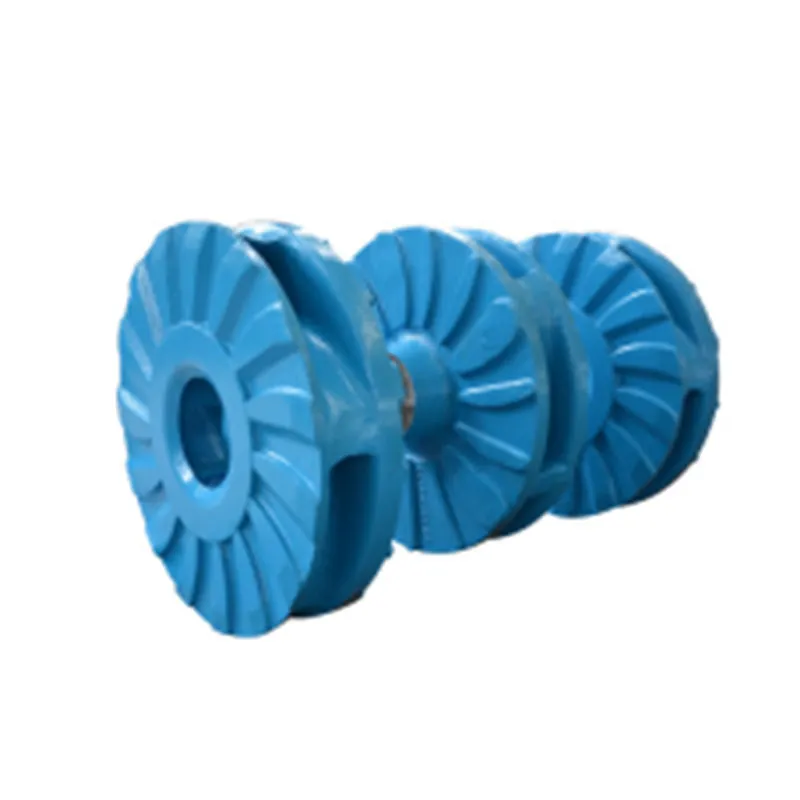
Fig 6: A high-performance slurry pump impeller, ready for demanding applications.
Ensuring Trust and Reliability: FAQ, Lead Time, Warranty, and Support
Establishing trust and providing comprehensive support are cornerstones of a reliable B2B partnership. For critical components like a slurry pump impeller, transparency in operations and robust after-sales services are paramount.
Frequently Asked Questions (FAQ):
- Q: What factors most affect the lifespan of a slurry pump impeller?
A: Material hardness, slurry abrasiveness, particle size and shape, operating speed, pH level (for corrosion), and cavitation are primary factors. Proper selection and operation are crucial. - Q: How do I choose the right material for my slurry impeller?
A: Selection depends on the specific slurry characteristics. High-chrome alloys are for high abrasion, natural rubber for fine particles and corrosion, and polyurethane for impact and moderate abrasion. Consult with our engineering team for a detailed analysis. - Q: Can a worn slurry pump impeller be repaired or refurbished?
A: In some cases, minor wear can be repaired by welding (for metallic impellers) or rubber patching, followed by re-balancing. However, severe wear often necessitates replacement to maintain hydraulic efficiency and structural integrity. - Q: What determines the slurry pump impeller price?
A: Price varies significantly based on material (e.g., specific alloy grade, rubber type), size, complexity of design, manufacturing process, and any customization requirements. Higher quality materials and precision engineering typically incur higher initial costs but offer lower total cost of ownership. - Q: What maintenance is typically required for a slurry pump impeller?
A: Regular inspection for wear patterns, checking for vibration, and ensuring proper pump alignment are essential. Early detection of wear allows for planned maintenance, minimizing unexpected downtime.
Lead Time & Fulfillment Details:
Our standard lead time for most common slurry impeller models ranges from 4 to 8 weeks, depending on material availability and production schedule. Custom-engineered impellers may require a longer lead time, typically 8-12 weeks, to accommodate design, prototyping, and specialized manufacturing processes. We offer expedited manufacturing and shipping options for urgent requirements, ensuring minimal disruption to your operations. All lead times are communicated transparently and proactively managed with clients.
Warranty Commitments:
We stand behind the quality of our products. All our slurry pump impeller products come with a comprehensive warranty against manufacturing defects and material flaws. The specific warranty period and terms are detailed in our sales agreements and are designed to provide peace of mind regarding product reliability and performance. We are committed to resolving any issues promptly and efficiently to ensure customer satisfaction.
Customer Support Information:
Our dedicated customer support team and engineering experts are available to provide technical assistance, product selection guidance, and after-sales service. We offer:
- 24/7 Technical Consultations: Via phone or email for immediate operational queries.
- On-site Field Service: For complex troubleshooting, installation support, and performance optimization.
- Spare Parts Management: Ensuring quick access to genuine replacement parts to minimize downtime.
- Training Programs: For client personnel on proper pump and impeller maintenance and troubleshooting.
We believe in building long-term partnerships through consistent product quality and exceptional support.
References
- ISO 9001:2015 Quality management systems — Requirements. International Organization for Standardization.
- ASTM International Standards. Various standards related to materials for pumps and valves.
- "Slurry Pump Handbook" by Warman International. (Industry textbook for slurry pump design and application).
- "Centrifugal Pumps: Design and Application" by Val S. Lobanoff, Robert R. Ross. Elsevier, 2013.
- "Advances in slurry pump materials and designs" - Journal of Materials Science and Engineering, vol. 45, no. 2, pp. 123-130, 2021.
-
Find the Best Industrial Martillo a la Venta for Professional Needs
NewsApr.16,2026
-
Technical Guide for Herramientas de Perforación Subterránea PDF
NewsApr.09,2026
-
Comprehensive Guide to Underground Drilling Tools Herramientas de Perforación Subterráneas
NewsApr.07,2026
-
Comprehensive Guide to Underground Drilling Tools herramientas de perforación subterránea
NewsApr.04,2026
-
Finding Reliable Proveedores de Compresores de Aire Diesel for Your Industry Needs
NewsMar.31,2026
-
Comprehensive Guide to Diesel Air Compressors and Miningzy Fábrica de Compresores de Aire Diesel
NewsMar.28,2026