
Sep . 22, 2025 19:00 Back to list
Efficient Vertical Centrifugal Pumps | Industrial & Sump Solutions
Introduction to Vertical Centrifugal Pumps in Industrial Applications
In industrial fluid handling, the vertical centrifugal pump stands as a critical component, essential for a myriad of applications ranging from dewatering to transferring abrasive slurries. Unlike horizontal configurations, its design offers significant advantages in space optimization and handling specific process requirements. These pumps are engineered for environments where floor space is limited, or where the liquid source, such as a sump or pit, is below the motor drive. Their robust construction and operational versatility make them indispensable across various heavy-duty sectors.
The inherent design of a vertical centrifugal pump allows for submerged operation of the wet end, eliminating the need for priming and ensuring continuous, reliable service. This characteristic is particularly beneficial in applications involving sumps or tanks where maintaining a constant liquid level is challenging. The engineering precision behind these units focuses on maximizing efficiency, extending service life, and minimizing maintenance, all while adhering to stringent industry standards for performance and safety.
This article delves into the intricate details of vertical centrifugal pump technology, covering its manufacturing processes, technical specifications, diverse application scenarios, and the compelling advantages it offers to B2B stakeholders. We will also explore industry trends, vendor considerations, customization potential, and real-world case studies, ensuring a comprehensive understanding for engineers and procurement professionals.
Manufacturing Process of a Vertical Centrifugal Pump
The production of a high-performance vertical centrifugal pump involves a meticulous multi-stage manufacturing process, ensuring durability, efficiency, and adherence to precise engineering specifications. This process integrates advanced metallurgical science with sophisticated machining techniques to create components capable of withstanding harsh industrial environments.
Schematic Steps of Manufacturing:
1. Material Selection & Casting/Forging
Materials are carefully selected based on application requirements. For abrasive slurries, high-chromium alloy (e.g., A05, A07) is preferred for wet-end components. For corrosive media, stainless steel (e.g., SS304, SS316, Duplex SS) is used. Impellers, casings, and other critical parts are then produced via sand casting, investment casting, or forging processes to achieve desired metallurgical properties and initial forms.
2. Precision CNC Machining
Cast or forged components undergo CNC (Computer Numerical Control) machining. This ensures precise dimensional accuracy, surface finish, and tight tolerances crucial for efficient pump operation. Key components like impellers, shafts, and bearing housings are machined to exacting standards, often within microns.
3. Heat Treatment & Surface Finishing
Components, especially those from high-chromium alloys, may undergo heat treatment to enhance hardness, wear resistance, and stress relief. Surface finishing processes like polishing, coating (e.g., ceramic lining for extreme abrasion), or painting are applied to improve corrosion resistance and aesthetic appeal.
4. Assembly & Quality Control
Individual components are meticulously assembled into the complete pump unit. During assembly, critical clearances, bearing fits, and seal installations are checked. Throughout the process, rigorous quality control measures are implemented, including material verification, dimensional checks, and non-destructive testing (NDT).
5. Performance Testing & Certification
Every vertical centrifugal pump undergoes comprehensive performance testing in accordance with international standards like ISO 9906 (for hydraulic performance) and ANSI/HI 1.6 (for vertical pump testing). Tests include hydraulic performance (head, flow, efficiency), vibration analysis, noise levels, and power consumption. Only pumps meeting or exceeding these standards are certified for dispatch.
The target industries for these robust pumps include petrochemicals, metallurgy, mining, power generation, wastewater treatment, and general water supply & drainage. The advantages demonstrated in typical application scenarios include enhanced energy saving through optimized hydraulic design, superior corrosion resistance due to advanced material selection, and extended service life often exceeding 10 years even under continuous, demanding operation.
Industry Trends and Market Dynamics for Vertical Centrifugal Pumps
The market for vertical centrifugal pump technology is evolving rapidly, driven by global megatrends in sustainability, digitalization, and operational efficiency. Industries are increasingly demanding pumps that are not only reliable and powerful but also environmentally conscious and intelligently integrated into broader operational systems.
Key Trends Shaping the Vertical Pump Landscape:
- Energy Efficiency: With rising energy costs and stricter environmental regulations, there's a significant push towards pumps with higher wire-to-water efficiency. This involves advanced hydraulic designs, variable frequency drives (VFDs), and optimized motor selections to minimize power consumption.
- Smart Pump Technology: Integration of IoT sensors and digital controls for real-time monitoring of performance, vibration, temperature, and cavitation. This enables predictive maintenance, reduces downtime, and optimizes operational parameters, transforming the traditional vertical pump centrifugal into a 'smart' asset.
- Advanced Materials: Ongoing research and development in materials science are leading to components that offer superior resistance to abrasion, corrosion, and extreme temperatures. This includes advanced ceramic composites, elastomers, and specialized metal alloys, extending pump life in aggressive media like highly acidic slurries or high-temperature brines.
- Modular Design & Customization: Greater demand for modular pump designs that allow for easier maintenance, faster part replacement, and tailored configurations for specific applications, especially for specialized units like a cantilever sump pump or a heavy-duty slurry sump pump.
- Sustainability and Lifecycle Management: Focus on products with lower environmental impact, from manufacturing processes to end-of-life recycling. This includes designs that minimize waste, reduce noise pollution, and allow for easier component recycling. Lifecycle cost (LCC) analysis is now a standard consideration, emphasizing not just initial vertical centrifugal pump price but total cost of ownership.
These trends indicate a shift towards more intelligent, efficient, and sustainable pumping solutions, reflecting a broader industry commitment to operational excellence and environmental stewardship.
Technical Specifications and Product Parameters: SP Model Sump Pumps
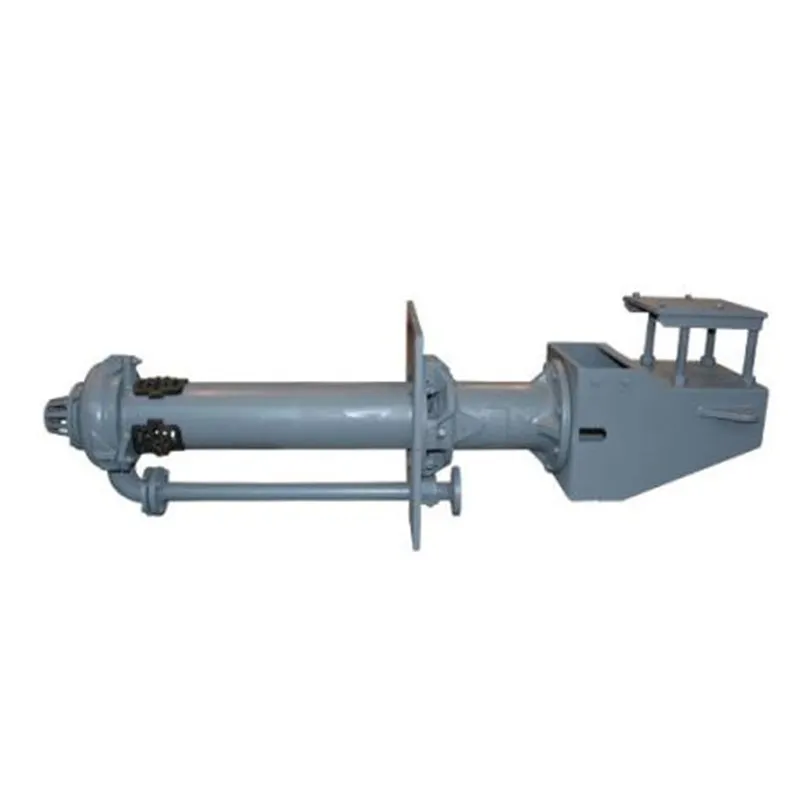
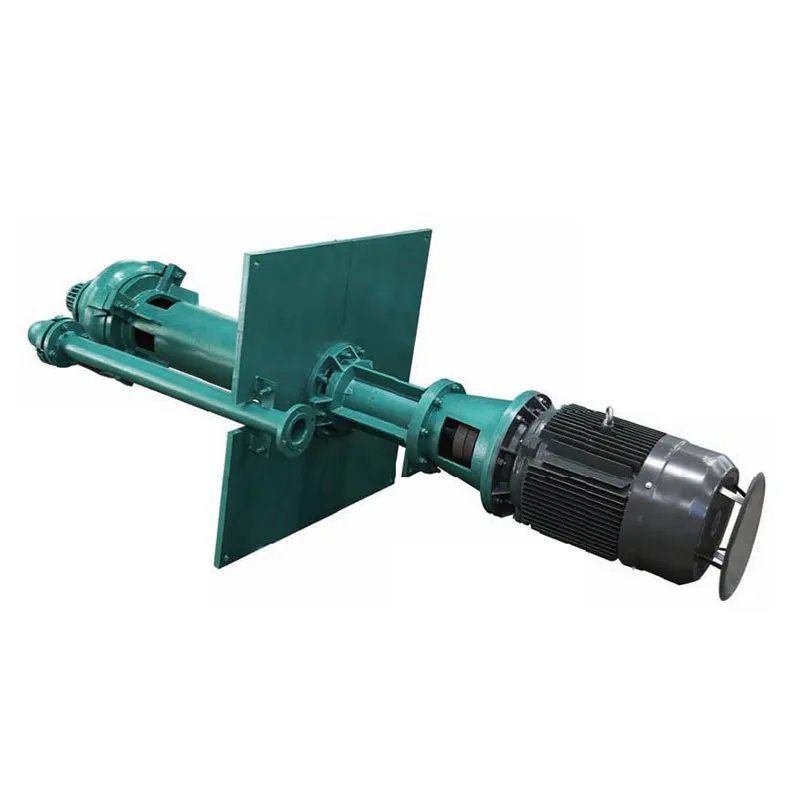
Understanding the technical specifications of a vertical centrifugal pump is crucial for proper selection and optimal performance. The SP Model Sump Pumps, designed for handling abrasive and corrosive slurries, exemplify robust engineering in this category. Here, we present key parameters that define their capabilities.
SP Model Sump Pumps: Key Specifications
| Parameter | Description | Typical Range / Value (SP Model) |
|---|---|---|
| Discharge Diameter | The size of the pump outlet. | 40 mm to 300 mm |
| Flow Rate (Q) | Volume of fluid pumped per unit time. | 10 m³/h to 1200 m³/h |
| Head (H) | The vertical distance the pump can raise the fluid. | 5 m to 40 m |
| Power (P) | Required motor power for operation. | 7.5 kW to 300 kW |
| Solid Handling Capacity | Maximum size of solid particles that can pass through. | Up to 70 mm (specific models vary) |
| Submersion Depth | Maximum depth the wet end can be submerged. | Up to 6 meters (with extension shaft options) |
| Operating Temperature | Temperature range of the pumped fluid. | 0°C to 100°C |
| Material (Wet End) | Construction material for parts in contact with fluid. | High-chromium alloy (A05, A07), natural rubber, synthetic rubber, stainless steel (SS304, SS316, Duplex) |
| Bearing Assembly | Type of bearings supporting the shaft. | Heavy-duty grease-lubricated bearings |
| Shaft Seal | Method to prevent leakage along the shaft. | Shaft seal-free design (cantilevered), eliminating submerged gland packing or mechanical seals. |
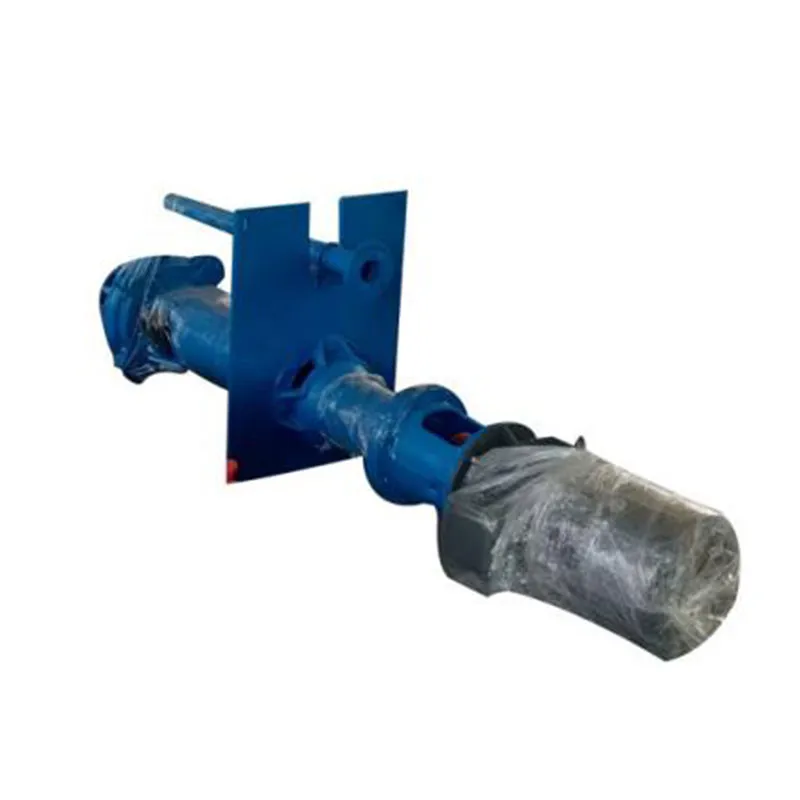
| Pump Type | Classification based on design. | Cantilever Sump Pump, Vertical Slurry Pump |
These parameters are critical for specifying the correct vertical pump centrifugal for any given industrial process, ensuring it meets performance requirements while offering long-term reliability and cost-effectiveness. The shaft seal-free design for the wet end is a notable feature, eliminating common points of failure and maintenance.
Application Scenarios and Industry Use Cases
The versatility of the vertical centrifugal pump makes it an indispensable asset across a wide spectrum of industrial applications, particularly where abrasive or corrosive fluids, often containing solids, need to be managed. Its design allows for effective operation in demanding environments, making it a preferred choice for sumps and pits.
Key Application Areas:
- Mining and Mineral Processing: Essential for handling highly abrasive slurries, tailings, and process water in concentrators, beneficiation plants, and coal preparation. A slurry sump pump is crucial here for managing residual mud and solid-laden water.
- Metallurgical Plants: Used for transferring molten metal waste, slag slurries, and acid solutions in processes like electrolysis and leaching, where high corrosion and abrasion resistance are paramount.
- Chemical and Petrochemical Industries: Employed for managing corrosive chemicals, solvents, and hazardous waste streams. The ability to handle high temperatures and aggressive media without external shaft seals is a significant advantage.
- Power Generation: Critical for ash handling, flue gas desulfurization (FGD) systems, and cooling water intake sumps in thermal and nuclear power plants.
- Wastewater Treatment: For pumping raw sewage, sludge, and industrial effluents from collection sumps and clarifiers. The cantilever sump pump design allows for operation without submerging bearings, reducing contamination risks.
- Construction and Civil Engineering: For dewatering excavations, construction sites, and flood control, especially where solid content in water is high.
- General Industrial Sumps: Broadly used in manufacturing facilities for draining process sumps, spill containment, and handling various industrial wastes, often where a reliable vertical pump for intermittent or continuous duty is required.
In these scenarios, the vertical centrifugal pump offers not only reliable fluid transfer but also significant operational benefits due to its minimal footprint and suitability for challenging fluid compositions.
Technical Advantages of Vertical Centrifugal Pumps
The unique design of the vertical centrifugal pump confers several distinct technical and operational advantages over other pump types, making it the preferred solution for many demanding industrial applications. These advantages contribute directly to enhanced efficiency, reduced maintenance, and improved safety.
Key Advantages:
- No Priming Required: The wet end of the pump is submerged in the liquid, eliminating the need for external priming systems. This ensures immediate operation and prevents issues related to air locks, especially crucial for a slurry sump pump.
- Space Efficiency: Its vertical configuration requires a significantly smaller footprint compared to horizontal pumps of similar capacity, making it ideal for installations where floor space is at a premium.
- Shaft Seal Elimination (Cantilever Design): Many vertical sump pumps, particularly the cantilever sump pump variant, are designed without submerged shaft seals or bearings. This design dramatically reduces wear parts, maintenance requirements, and the risk of leakage, which is critical when handling hazardous or abrasive fluids.
- Durability in Abrasive/Corrosive Environments: Constructed with heavy-duty materials like high-chromium alloys or specialized elastomers for wet-end components, these pumps excel at handling abrasive slurries and corrosive chemicals, offering extended service life.
- Reduced NPSH Requirements: Due to the submerged intake, the net positive suction head (NPSH) required for cavitation-free operation is inherently lower or eliminated, allowing the pump to operate effectively with lower liquid levels without damage.
- Stable Operation: The robust shaft and bearing assembly, typically located above the liquid level, ensures stable operation and minimal vibration even under heavy loads or when handling fluids with high specific gravity.
- Ease of Maintenance (Non-submerged components): While the wet end is submerged, the motor and bearing assembly are typically above the liquid level, simplifying routine inspection and maintenance without dewatering the sump.
These combined advantages contribute to a lower total cost of ownership (TCO) and enhanced operational reliability, making the vertical centrifugal pump a strategic investment for industrial enterprises.
Vendor Comparison and Selection Criteria
Selecting the right vertical centrifugal pump suppliers is a critical decision for any industrial operation. The choice impacts not only the initial vertical centrifugal pump price but also long-term operational costs, reliability, and support. A thorough vendor comparison goes beyond basic specifications, encompassing factors that ensure a robust and sustainable partnership.
Key Considerations for Vendor Selection:
- Product Quality & Reliability: Assess the manufacturer's track record, adherence to international quality standards (e.g., ISO 9001), and the reputation of their pumps for durability and consistent performance.
- Technical Expertise & Engineering Support: A vendor with deep engineering knowledge can provide valuable insights into pump selection, system integration, and troubleshooting. Availability of dedicated technical support is crucial.
- Customization Capabilities: The ability to offer tailored solutions for unique application requirements, including specialized materials, extended shaft lengths, or specific motor configurations, is a significant advantage.
- After-Sales Service & Spare Parts Availability: Prompt access to spare parts and efficient after-sales service, including maintenance contracts and field support, directly impacts pump uptime and operational continuity.
- Total Cost of Ownership (TCO): Beyond the initial purchase price, evaluate factors like energy consumption, expected maintenance costs, and projected service life to understand the true long-term investment.
- Certifications and Compliance: Ensure the vendor’s products meet relevant industry certifications (e.g., CE, ATEX for hazardous environments, API for oil & gas) and local regulatory standards.
Generic Product Feature Comparison: Standard vs. Heavy-Duty Vertical Sump Pumps
| Feature | Standard Duty Vertical Pump | Heavy-Duty (e.g., SP Model) |
|---|---|---|
| Fluid Type | Clean to moderately solid-laden water/effluent. | Highly abrasive slurries, corrosive chemicals, high-density fluids. |
| Wet End Material | Cast iron, SS304/316. | High-chromium alloy (A05, A07), natural/synthetic rubber, Duplex SS, specialized ceramics. |
| Shaft Seal Design | Mechanical seal, gland packing (often submerged). | Cantilevered (no submerged seal/bearing), allowing dry operation for shaft assembly. |
| Bearing Life | Standard bearing life, potentially impacted by submerged conditions. | Extended bearing life due to robust non-submerged assembly, often grease-lubricated. |
| Maintenance Frequency | Higher frequency due to seal/bearing wear in submerged environments. | Lower, more predictable maintenance, especially for wet-end components. |
| Typical Application | Light industrial sumps, clear water drainage. | Mining slurries, chemical processing, wastewater treatment, power generation ash ponds. |
This comparison highlights how specialized heavy-duty designs, like those for SP Model Sump Pumps, are engineered to tackle more arduous conditions, providing superior reliability and longevity. Evaluating these factors carefully ensures that the chosen vertical pump centrifugal aligns perfectly with the operational demands and long-term strategic goals of your business.
Customized Solutions for Specific Needs
While standard vertical centrifugal pump models offer broad applicability, many industrial operations face unique challenges that necessitate customized pumping solutions. Leading manufacturers understand this need and provide extensive customization options to ensure optimal performance and integration into existing systems. This adaptability is a key factor for clients seeking to optimize processes and maximize efficiency.
Areas of Customization:
- Material of Construction: Beyond standard high-chromium alloys or stainless steels, customization can include specific rubber linings (e.g., natural rubber for fine abrasive particles, synthetic rubber for oils/chemicals), ceramic inserts, or exotic alloys for extreme corrosion or high-temperature resistance.
- Shaft Length and Column Pipe Extensions: To accommodate varying sump depths, customized shaft lengths and corresponding column pipe extensions are common. This ensures the wet end is always adequately submerged while the motor remains above the liquid level.
- Impeller Design: While the SP Model often uses an open impeller for solid handling, specific applications might require semi-open or specialized vortex impellers to handle fibrous materials, gas entrainment, or extremely high solid concentrations.
- Motor Options: Custom motors can be specified for different voltage requirements, explosion-proof classifications (e.g., ATEX, NEMA), variable frequency drive (VFD) compatibility for speed control, or higher IP ratings for harsh outdoor environments.
- Discharge Port Configuration: The discharge can be configured for specific piping layouts, including different flange types, orientations, or even dual-discharge options for specific flow patterns.
- Mounting Arrangements: Customized base plates, support structures, or even mobile skids can be designed to facilitate installation in challenging locations or for temporary pumping needs.
- Instrumentation & Controls: Integration of advanced sensors for vibration, temperature, flow, and level monitoring, along with compatibility with existing SCADA or DCS systems for intelligent operation and predictive maintenance.
By leveraging customized solutions, industries can acquire a vertical pump centrifugal perfectly engineered to meet their precise operational demands, thereby enhancing efficiency, reducing risks, and extending equipment lifespan.
Application Case Studies & Customer Feedback
Real-world application case studies vividly illustrate the practical benefits and reliability of vertical centrifugal pump technology. These examples demonstrate how these pumps address critical industrial challenges, often exceeding client expectations in performance and durability.
Case Study 1: Iron Ore Mine Dewatering
Challenge: A large iron ore mine in Western Australia faced persistent issues with dewatering its primary processing sump. The previous pumps, horizontal slurry pumps, suffered frequent failures due to severe abrasion from high-density, coarse iron ore slurry and limited space in the sump pit.
Solution: Two custom-engineered SP Model vertical centrifugal pumps were installed. These units featured high-chromium alloy (A07) wet-end components, extended shaft lengths of 4 meters, and a cantilevered design that eliminated submerged bearings and seals. Each pump was specified for 500 m³/h at 25m head.
Results & Feedback: "Since installing the SP Model vertical pumps, our dewatering downtime has dropped by 70%. The lack of submerged seals means no more constant repacking or mechanical seal replacements. The pumps handle the dense iron ore slurry effortlessly, and the robust construction is clearly designed for this environment," stated the Mine Operations Manager. The service life of wear parts has doubled, leading to significant savings in maintenance and spare parts, directly impacting the overall vertical centrifugal pump price in terms of TCO.
Case Study 2: Chemical Plant Effluent Treatment
Challenge: A specialty chemical manufacturer required a reliable pump for transferring highly corrosive acidic effluent from a collection sump to a neutralization tank. The fluid had a pH of 2.5 and contained fine chemical precipitates, causing rapid corrosion and blockage in conventional pumps.
Solution: A customized SP Model vertical pump centrifugal with all wet-end components made from Duplex Stainless Steel (SS2205) and a specialized synthetic rubber lining for the casing was implemented. The pump's open impeller design allowed for efficient handling of the precipitates without clogging.
Results & Feedback: "Our previous pumps needed quarterly overhauls due to corrosion and seal failures. This SP Model has been operating flawlessly for over 18 months with only routine inspections. The material choice was spot on. It’s a truly robust cantilever sump pump that stands up to our aggressive chemicals," commented the Plant Engineer. The improved reliability led to consistent effluent processing, preventing production bottlenecks.
Case Study 3: Coal Power Plant Ash Sump
Challenge: A coal-fired power plant needed an efficient solution for removing fly ash and bottom ash slurries from its ash collection sump. The abrasive nature of the ash and high temperatures (up to 80°C) caused rapid wear and frequent breakdowns of the installed pumps.
Solution: A heavy-duty SP Model slurry sump pump, designed with thick section high-chromium alloy components and oversized bearings for prolonged service, was installed. The pump was selected for continuous duty and equipped with monitoring sensors for proactive maintenance.
Results & Feedback: The new pump significantly outperformed its predecessors. "We've seen a dramatic increase in the Mean Time Between Failures (MTBF) with the SP Model. The robust construction handles our abrasive ash slurries exceptionally well, and the cantilever design simplifies maintenance considerably. It's a testament to good engineering for demanding environments," stated the Maintenance Supervisor. The plant achieved consistent ash removal, reducing the risk of system overflows and environmental compliance issues.
Trustworthiness & Support: FAQ, Lead Times, Warranty, and After-Sales
Frequently Asked Questions (FAQ)
Q: What is the typical lead time for an SP Model vertical centrifugal pump?
A: Standard configurations typically have a lead time of 4-6 weeks from order confirmation. Custom-engineered solutions may require 8-12 weeks, depending on complexity and material availability. Expedited options are available upon request.
Q: What warranty is provided with the SP Model Sump Pumps?
A: All SP Model vertical pump centrifugal units come with a standard 12-month warranty from the date of commissioning or 18 months from the date of shipment, whichever occurs first, covering manufacturing defects and material failures under normal operating conditions. Extended warranty packages are also available.
Q: Are spare parts readily available for SP Model pumps?
A: Yes, we maintain a comprehensive inventory of genuine spare parts for all SP Model pumps. Critical wear parts are typically stocked for immediate dispatch, ensuring minimal downtime for our clients globally. We recommend keeping a set of essential spares on-site for continuous operation.
Q: Can these pumps handle highly corrosive chemicals, or only abrasive slurries?
A: The SP Model is highly adaptable. While renowned for abrasive slurries, it can be specifically configured with suitable materials (e.g., Duplex Stainless Steel, specialized rubber linings, or other corrosion-resistant alloys) to effectively handle a wide range of corrosive chemicals. Detailed fluid analysis is part of our selection process.
Customer Support and After-Sales Services
Our commitment to our clients extends far beyond the sale. We provide comprehensive after-sales support to ensure the continuous and efficient operation of every vertical centrifugal pump:
- Technical Support Hotline: 24/7 access to experienced engineers for troubleshooting and operational guidance.
- On-Site Service & Commissioning: Our factory-trained technicians are available for on-site commissioning, preventative maintenance, and emergency repairs globally.
- Training Programs: We offer tailored training programs for client's operational and maintenance staff, covering pump operation, maintenance, and basic troubleshooting.
- Performance Audits: Regular performance audits can be arranged to ensure optimal efficiency and identify potential issues before they become critical.
- Upgrades & Retrofits: Solutions for upgrading older pump systems with the latest technology, improving efficiency, and extending asset life.
Our dedication to quality, performance, and customer satisfaction is cemented by robust support infrastructure, ensuring that your investment in an SP Model vertical centrifugal pump delivers maximum value and reliability.
References
- Hydraulic Institute (HI). (2017). ANSI/HI 1.6-2017 Rotodynamic (Centrifugal) Sump Pump Tests. Hydraulic Institute.
- International Organization for Standardization (ISO). (2012). ISO 9906:2012 Rotodynamic pumps – Hydraulic performance acceptance tests – Grades 1, 2 and 3. ISO.
- American Petroleum Institute (API). (2010). API 610: Centrifugal Pumps for Petroleum, Petrochemical and Natural Gas Industries (11th ed.). American Petroleum Institute.
- Karassik, I. J., Messina, J. P., Cooper, P., & Heald, C. C. (2007). Pump Handbook (4th ed.). McGraw-Hill.
- Manganese Development Association. (2009). High-Chromium White Irons for Abrasive Applications. Manganese Development Association.
-
Find the Best Industrial Martillo a la Venta for Professional Needs
NewsApr.16,2026
-
Technical Guide for Herramientas de Perforación Subterránea PDF
NewsApr.09,2026
-
Comprehensive Guide to Underground Drilling Tools Herramientas de Perforación Subterráneas
NewsApr.07,2026
-
Comprehensive Guide to Underground Drilling Tools herramientas de perforación subterránea
NewsApr.04,2026
-
Finding Reliable Proveedores de Compresores de Aire Diesel for Your Industry Needs
NewsMar.31,2026
-
Comprehensive Guide to Diesel Air Compressors and Miningzy Fábrica de Compresores de Aire Diesel
NewsMar.28,2026