

Aug . 27, 2025 05:20 Back to list
Durable Throatbush: Essential Slurry Pump Parts
The Critical Role of the Throatbush in Slurry Pump Systems
In the demanding world of industrial fluid dynamics, particularly within applications involving abrasive and corrosive slurries, the integrity and performance of pumping equipment are paramount. A cornerstone component in ensuring the longevity and efficiency of centrifugal slurry pumps is the throatbush. This article delves into the intricate details of this vital component, exploring its manufacturing, technical specifications, diverse applications, and the strategic advantages it offers to B2B decision-makers and engineering professionals. We will examine industry trends, present critical data, and highlight the significance of selecting high-quality throatbush components for optimal operational performance and cost-effectiveness.
Industry Trends in High-Performance Slurry Pump Parts
The global industrial landscape is increasingly focused on enhancing operational efficiency, minimizing environmental impact, and reducing total cost of ownership (TCO). For slurry pump parts, this translates into a rising demand for components that offer superior wear resistance, extended service life, and adaptability to highly corrosive and abrasive media. Key trends shaping the market for slurry pump spares include:
- Advanced Material Science: Continuous innovation in metallurgy and elastomer technology is yielding materials with unprecedented hardness, fracture toughness, and chemical inertness. High-chrome alloys, ceramic composites, and advanced natural/synthetic rubbers are becoming standard.
- Optimized Hydrodynamics: Designs are evolving to reduce turbulence, minimize energy consumption, and extend the lifespan of wear parts by ensuring smoother flow paths.
- Predictive Maintenance Integration: Smart sensors and IoT technologies are being integrated into pump systems to monitor wear rates in real-time, enabling proactive replacement of components like the throatbush and preventing catastrophic failures.
- Sustainability and Circular Economy: Manufacturers are focusing on components that are more durable, reducing waste, and exploring recycling options for worn-out parts.
These trends underscore the critical need for robust and intelligently designed components that can withstand extreme operational conditions while contributing to overall system efficiency and reliability.
Understanding the Throatbush: Structure, Function, and Manufacturing Excellence
The throatbush is a sacrificial wear part located at the suction side of the impeller in a centrifugal slurry pump. Its primary function is to protect the much more expensive pump casing from direct impact and erosion by the abrasive slurry, especially as the fluid enters the impeller eye. By acting as the first line of defense, it significantly extends the life of the pump's main components. Its design is critical for maintaining hydraulic efficiency and preventing premature wear of the impeller and casing.
Product Materials and Properties
The selection of materials for a throatbush is dictated by the specific application's slurry characteristics (particle size, hardness, acidity, temperature). Common materials include:
- High-Chrome White Iron Alloys (e.g., A05, A07, A49): Known for exceptional abrasion resistance due to their high hardness (typically 58-65 HRC). Ideal for highly abrasive slurries with coarser particles.
- Natural Rubber (e.g., R55, R26): Offers excellent erosion resistance against fine, sharp particles and good corrosion resistance in acidic slurries. It also has superior impact absorption properties.
- Synthetic Elastomers (e.g., Polyurethane): Provides a balance of abrasion and chemical resistance, suitable for specific chemical slurries where natural rubber might degrade.
- Ceramic Composites: Emerging materials offering extreme hardness and wear resistance, especially for ultra-fine abrasive applications, though typically at a higher cost.
Detailed Manufacturing Process Flow
The manufacturing of a high-quality throatbush involves a series of meticulously controlled steps to ensure dimensional accuracy, material integrity, and optimal performance.
1. Material Selection & Alloying
Precise selection of raw materials (e.g., chrome, carbon, silicon for alloys) based on application requirements. Exact proportioning and melting for the desired metallurgical properties.
2. Casting (Sand/Investment)
Molten metal is poured into highly accurate sand molds (for larger parts) or investment molds (for intricate designs), ensuring minimal porosity and precise initial dimensions.
3. Heat Treatment & Hardening
Cast components undergo controlled heat treatment processes (e.g., quenching, tempering) to achieve the specified hardness, strength, and wear resistance, particularly crucial for high-chrome alloys.
4. CNC Machining
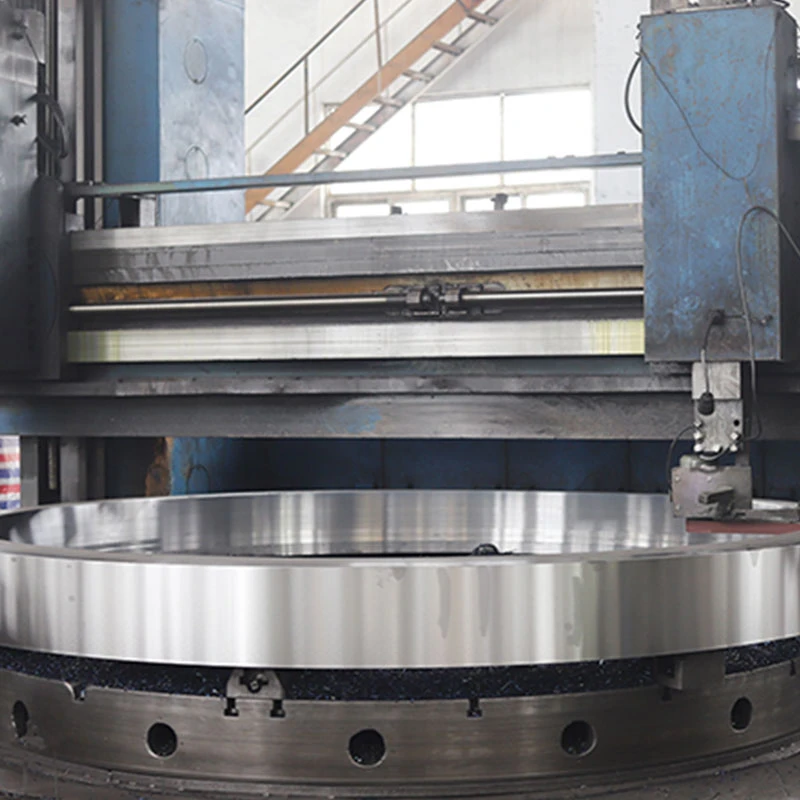
Advanced CNC machining centers precisely turn, bore, and mill the throatbush to exact dimensional tolerances, ensuring perfect fit and hydraulic efficiency within the pump assembly.
5. Quality Control & Testing
Each component undergoes rigorous inspection, including dimensional checks, hardness testing, ultrasonic testing for internal defects, and material composition analysis (Spectroscopy). Adherence to standards like ISO 9001 and ANSI is verified.
6. Surface Finishing & Coating (Optional)
Depending on application, some throatbushes may receive specialized surface treatments or coatings to further enhance wear or corrosion resistance.
Typical Specifications for High-Chrome Throatbushes
| Parameter | High-Chrome White Iron (e.g., A05) | Natural Rubber (e.g., R55) |
|---|---|---|
| Material Composition | Fe, Cr (24-28%), C (2.5-3.5%), Si, Mn | Natural Rubber (NR) compounds |
| Hardness (HRC) | 58-65 | ~45-55 Shore A |
| Tensile Strength (MPa) | ~300-400 (for matrix) | ~15-25 |
| Abrasion Resistance Index | Excellent (for coarse, hard particles) | Excellent (for fine, sharp particles) |
| Corrosion Resistance | Good (pH 5-12, limited acid) | Very Good (pH 3-9, most acids) |
| Operating Temperature (°C) | Up to 120 | Up to 70 |
Application Scenarios and Target Industries
The robust design and specialized material composition of the throatbush make it indispensable across a multitude of heavy-duty industrial applications. Its ability to withstand severe abrasive and corrosive environments is critical for continuous operation in sectors where downtime is costly.
- Mining and Mineral Processing: Essential for handling ore slurries, tailings, and mineral concentrates (e.g., iron ore, copper, gold, coal). Advantage: Significantly extends pump life in highly abrasive environments, reducing the frequency of costly replacements.
- Power Generation: Used in fly ash and bottom ash handling systems from coal-fired power plants. Advantage: Provides superior resistance to erosion from abrasive ash particles, ensuring consistent waste removal.
- Metallurgy: Critical in processes involving slag and chemical slurries. Advantage: Offers combined abrasion and corrosion resistance, crucial for maintaining pump integrity in aggressive chemical solutions.
- Dredging and Sand & Gravel: Handles large volumes of sand, gravel, and sediment. Advantage: Built to endure high impact and extreme abrasion from large, heavy solids, ensuring efficient material transport.
- Chemical Processing: For slurries containing corrosive chemicals and abrasive solids. Advantage: Tailored material options provide excellent chemical compatibility and wear protection.
- Water Supply & Drainage / Wastewater Treatment: In heavy-duty sludge and grit pumping applications. Advantage: Ensures reliable operation in municipal and industrial wastewater systems, minimizing blockages and wear.
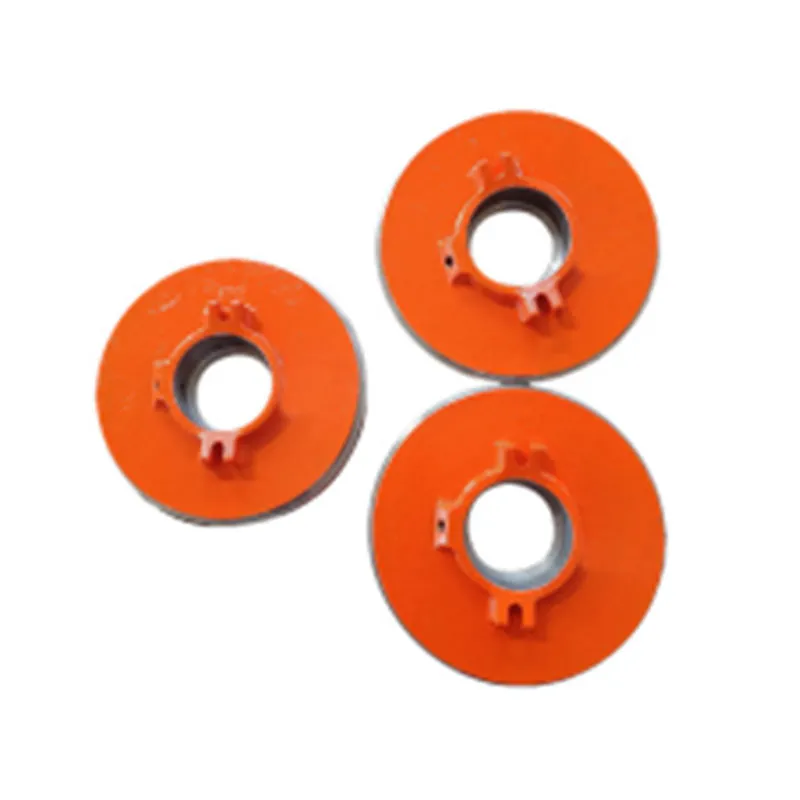
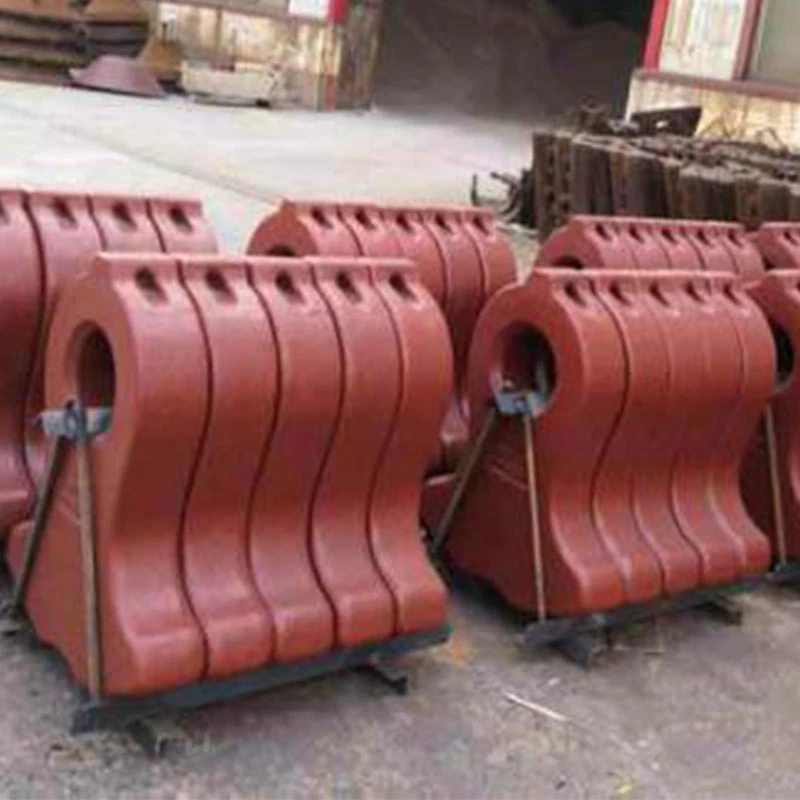
Figure 1: High-chrome throatbush ready for installation, illustrating robust construction.
In these diverse industries, the advantages offered by a well-engineered throatbush are tangible: energy saving through maintained hydraulic efficiency, prolonged service life of the entire pump unit, and significantly reduced maintenance costs and associated downtime.
Technical Advantages and Performance Metrics
Investing in high-grade throatbush components offers a range of quantifiable technical advantages that contribute directly to improved operational expenditure (OPEX) and overall system reliability.
- Superior Wear Resistance: Through the application of specialized alloys (e.g., A05, A49) or resilient elastomers, the service life of the throatbush is significantly extended, often by 30-50% compared to standard materials in demanding applications. This directly translates to less frequent replacements and reduced material consumption.
- Enhanced Hydraulic Efficiency: Precision machining ensures that the internal contours of the throatbush match the original pump design, maintaining optimal fluid flow dynamics. This minimizes turbulence and energy losses, contributing to lower power consumption (e.g., 5-10% energy savings reported in some applications).
- Reduced Maintenance Downtime: The increased durability of the component means fewer scheduled and unscheduled pump shutdowns for part replacement. For operations running 24/7, even a few hours saved in downtime can result in substantial cost savings and maintained production targets.
- Optimized Corrosion Resistance: For slurries with low pH or high chemical activity, specific elastomer-lined or chemically resistant alloy throatbushes protect against material degradation, preventing structural failure and maintaining pump integrity. This is particularly crucial for chemical processing or acidic tailings.
- Dimensional Stability and Fit: Adherence to strict manufacturing tolerances (e.g., ISO 2858 or specific OEM standards) ensures a perfect fit with other pump components like the casing and impeller. This prevents internal leakage and cavitation, which can rapidly accelerate wear.
These advantages collectively lead to a lower total cost of ownership over the pump's operational lifespan, making the selection of a high-quality throatbush a strategic business decision rather than merely a procurement task for slurry pump parts.
Vendor Comparison and Selection Criteria
Choosing the right supplier for slurry pump spares, especially a critical component like the throatbush, requires a comprehensive evaluation beyond just price. Key criteria for vendor comparison include:
- Material Expertise: A reputable vendor will have deep knowledge of various alloys and elastomers, offering precise recommendations based on your specific slurry characteristics.
- Manufacturing Capabilities: Look for advanced casting, heat treatment, and CNC machining facilities to ensure dimensional accuracy and material integrity.
- Quality Assurance & Certifications: Adherence to international standards like ISO 9001:2015 is non-negotiable, indicating a commitment to quality management. Material test reports (MTRs) should be readily available.
- Engineering Support & Customization: The ability to provide bespoke solutions and technical consultation for unique operational challenges sets apart leading suppliers.
- Lead Time and Inventory Management: Reliable lead times and readily available inventory for common parts are crucial to minimize operational downtime.
- After-sales Support: Comprehensive warranty, technical assistance, and accessibility of customer service are vital for long-term partnership.
Vendor Comparison Table (Illustrative)
| Feature/Criteria | Leading OEM (e.g., Warman) | Specialized Aftermarket (e.g., MiningZY) | Generic Supplier |
|---|---|---|---|
| Material Range | Extensive (proprietary alloys) | Wide (high-chrome, NR, PU equivalents) | Limited (standard alloys only) |
| Manufacturing Precision | Very High (OEM standards) | Very High (ISO certified, advanced CNC) | Moderate (basic quality checks) |
| Engineering & Customization | Full R&D, bespoke solutions | Material/design optimization, technical consulting | Minimal to none |
| Lead Time (Typical) | 4-8 weeks (depend on stock) | 2-6 weeks (strong inventory, flexible production) | Highly variable (longer for non-standard) |
| Certifications | ISO, industry-specific | ISO 9001:2015, Material Certs | Often uncertified or basic |
| Cost-Effectiveness | High initial cost, high quality | Excellent balance of quality and cost | Low initial cost, higher lifecycle cost |
Specialized aftermarket suppliers, like MiningZY, often bridge the gap between OEM quality and cost-effectiveness, providing high-quality, fully compatible slurry pump parts that meet or exceed OEM specifications, coupled with responsive service and competitive pricing.
Customized Solutions for Optimal Performance
Recognizing that no two slurry applications are identical, leading manufacturers offer customized throatbush solutions. This involves a detailed analysis of the specific operational environment, including:
- Slurry Composition: Particle size distribution, hardness, concentration, and chemical properties (pH, dissolved solids).
- Pump Operating Parameters: Flow rate, head, speed, and temperature.
- Existing Wear Patterns: Analyzing worn components can reveal specific points of failure and inform design modifications.
Based on this assessment, material selection, design modifications (e.g., flow path optimization, reinforcement in high-wear zones), and surface treatments can be tailored. For instance, a mine handling highly acidic and abrasive tailings might require a throatbush made from a specific ceramic-reinforced elastomer, while a dredging operation dealing with large rocks might opt for a thicker, high-chrome cast iron component. This bespoke engineering approach ensures maximum service life and minimizes operational disruptions, including its interaction with other crucial components such as a decompression cover or stuffing box, ensuring a fully optimized pump assembly.
Real-world Application Case Studies
The practical benefits of high-quality throatbush components are best illustrated through real-world applications.
Case Study 1: Iron Ore Mine in Western Australia
A major iron ore processing plant faced consistent challenges with premature wear of their slurry pump spares, particularly the throatbushes, in their primary concentrator circuit. The slurry contained highly abrasive iron ore particles (D50 of 200 µm, Mohs hardness 6-7) at high concentrations (45% solids by weight). Standard A05 high-chrome throatbushes lasted approximately 8-10 weeks.
Solution: Working with a specialized aftermarket supplier, the mine implemented an optimized A07 high-chrome throatbush, featuring a slightly modified internal profile and enhanced heat treatment for improved microstructural hardness.
Results: The service life of the throatbush increased to an average of 14-16 weeks, representing a 60-100% improvement. This resulted in a 40% reduction in annual replacement costs for this specific part, a significant decrease in pump downtime (saving approximately 120 hours of production time per pump per year), and an estimated 5% reduction in energy consumption due to maintained hydraulic efficiency.
Case Study 2: Coal-Fired Power Plant Ash Handling
A power plant utilizing large-scale centrifugal pumps for transporting fly ash slurry encountered severe erosion in their slurry pump parts. The fine, sharp ash particles (D50 of 50 µm) combined with a mildly acidic slurry (pH 5.5) caused rapid wear of conventional rubber-lined throatbushes, requiring replacement every 6-8 weeks.
Solution: The plant transitioned to a specialized natural rubber compound throatbush (R55 equivalent), engineered for enhanced resilience against fine particle erosion and improved chemical resistance.
Results: The new throatbushes achieved a service life of 12-14 weeks, doubling the operational period. This led to a 50% reduction in spare part expenditure for throatbushes, coupled with a 25% reduction in labor hours dedicated to pump maintenance and a notable improvement in overall system availability.
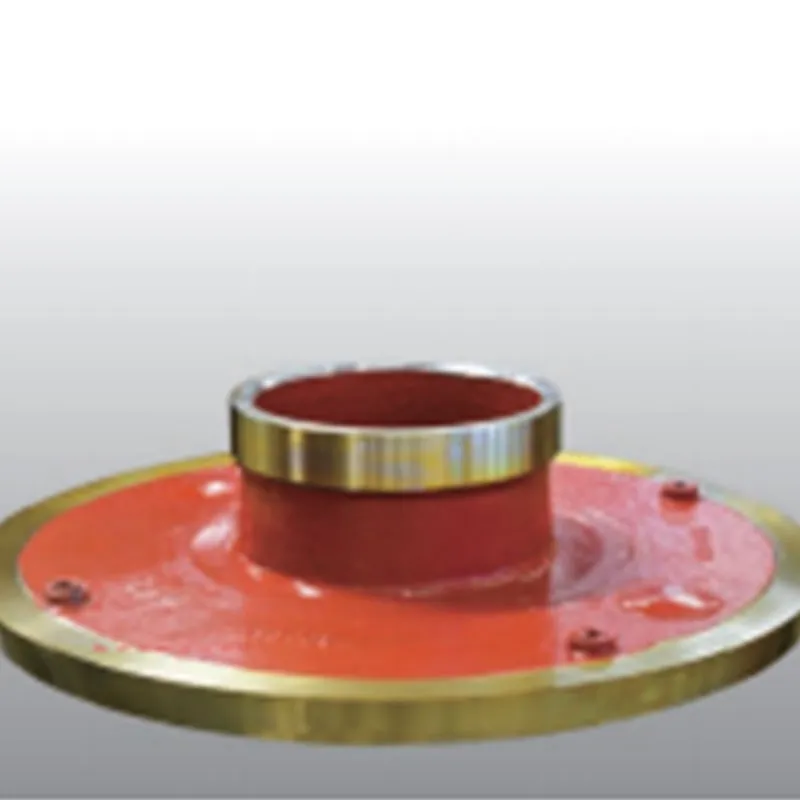
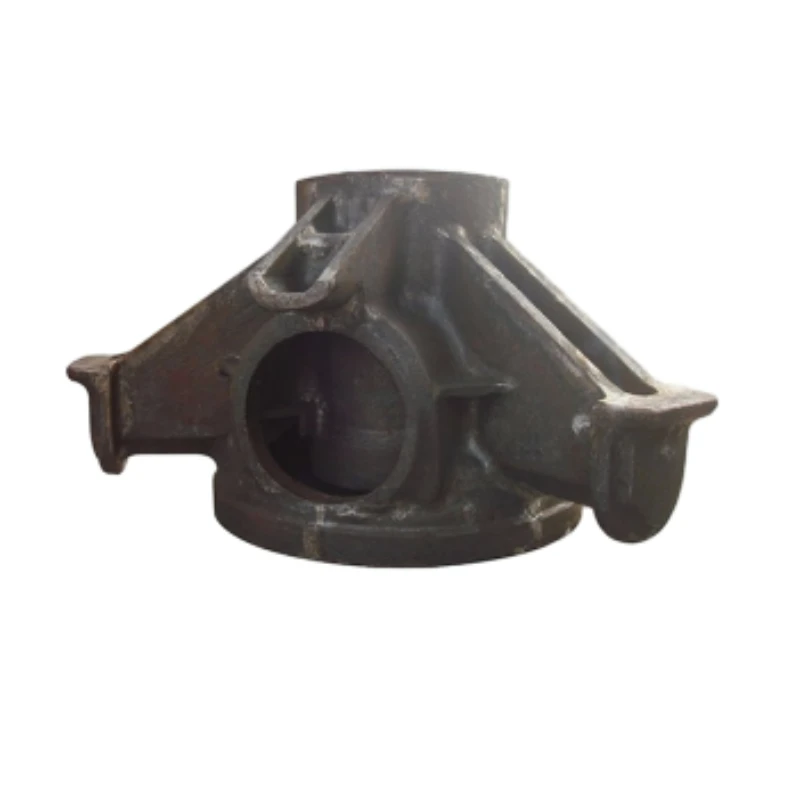
Figure 2: Interior view of a throatbush, highlighting the critical wear surface.
Ensuring Trustworthiness: FAQs, Support & Commitment
Frequently Asked Questions (FAQ)
A: Material selection is crucial and depends on slurry properties (particle size, hardness, pH, temperature). We offer comprehensive material analysis and expert consultation to recommend the optimal alloy or elastomer for your specific application, ensuring maximum wear life and chemical compatibility.
A: Yes, our slurry pump parts, including the throatbush, are designed and manufactured to be fully interchangeable with leading OEM pump models, meeting or exceeding their performance and dimensional specifications. We ensure precise fit and function.
A: Standard throatbush components and common slurry pump spares are often available from stock for immediate shipment. For customized solutions or larger orders, lead times typically range from 2 to 6 weeks, depending on material, complexity, and production schedule. We prioritize efficient fulfillment and transparent communication.
Lead Time and Fulfillment Details
Our streamlined manufacturing processes and robust inventory management systems are designed to minimize lead times for critical slurry pump parts. We maintain a substantial stock of raw materials and semi-finished products to facilitate rapid production. For urgent requirements, expedited manufacturing and shipping options are available upon request. Our logistics team works diligently to ensure timely and secure delivery to your operational sites worldwide.
Warranty Commitments
All our throatbush components and other slurry pump spares come with a standard warranty against manufacturing defects and material failures. We stand by the quality of our products, ensuring they meet the specified technical parameters and performance expectations. Detailed warranty terms and conditions are provided with every quotation and order.
Comprehensive Customer Support
Our commitment extends beyond product delivery. We provide comprehensive after-sales support, including technical assistance, troubleshooting, and advice on optimizing pump performance. Our experienced engineering team is available to assist with installation guidelines, maintenance best practices, and performance monitoring. We aim to forge long-term partnerships built on trust, reliability, and continuous support for your critical operations.
Conclusion
The throatbush stands as a deceptively simple yet profoundly critical component in the complex ecosystem of slurry pumping. Its design, material selection, and manufacturing precision directly dictate the operational efficiency, maintenance demands, and overall lifespan of expensive slurry pumps. By understanding the detailed process flow, leveraging advanced materials, and partnering with expert manufacturers committed to quality and customization, industries can significantly reduce operational costs, enhance productivity, and ensure sustainable, reliable slurry transport. Investing in high-performance slurry pump parts, especially the throatbush, is not merely a purchase—it's a strategic decision for long-term operational excellence.
References
- International Organization for Standardization (ISO). ISO 9001:2015 - Quality management systems - Requirements.
- American National Standards Institute (ANSI). Various standards related to pump design and materials.
- Journal of Engineering Materials and Technology, "Wear Characteristics of High-Chrome White Cast Irons in Slurry Environments."
- Mining Technology, "Advancements in Slurry Pump Technology for Enhanced Durability."
-
Find the Best Industrial Martillo a la Venta for Professional Needs
NewsApr.16,2026
-
Technical Guide for Herramientas de Perforación Subterránea PDF
NewsApr.09,2026
-
Comprehensive Guide to Underground Drilling Tools Herramientas de Perforación Subterráneas
NewsApr.07,2026
-
Comprehensive Guide to Underground Drilling Tools herramientas de perforación subterránea
NewsApr.04,2026
-
Finding Reliable Proveedores de Compresores de Aire Diesel for Your Industry Needs
NewsMar.31,2026
-
Comprehensive Guide to Diesel Air Compressors and Miningzy Fábrica de Compresores de Aire Diesel
NewsMar.28,2026