

Sep . 22, 2025 13:40 Back to list
Durable Throatbush for Slurry Pumps | High-Wear Resistance
The Critical Role and Engineering of the throatbush in Slurry Pump Systems
In the demanding world of industrial pumping, particularly within applications involving abrasive and corrosive slurries, the integrity and performance of every component are paramount. Among the most vital slurry pump parts, the throatbush stands out as a critical wear component. Positioned at the suction side of the pump casing, directly adjacent to the impeller, the throatbush plays an indispensable role in maintaining hydraulic efficiency and preventing premature wear of the main casing. It effectively guides the slurry into the impeller's eye, minimizing turbulence and ensuring optimal flow dynamics. Its robust design and material composition are engineered to withstand extreme abrasive wear, impact, and, in some cases, chemical attack, making it a cornerstone for extended pump service life and reduced operational costs in heavy-duty applications across mining, metallurgy, and chemical processing industries.
The selection and maintenance of high-quality slurry pump spares, including the throatbush, are directly linked to a plant's uptime and overall productivity. A well-engineered throatbush not only resists wear but also contributes to the pump's overall efficiency by maintaining precise clearances with the impeller, thus preventing recirculation and energy losses. This initial deep dive establishes the fundamental importance of this component before exploring its manufacturing complexities, technical specifications, and strategic advantages.
Manufacturing Process of a High-Performance Throatbush
The production of a durable throatbush involves a meticulously controlled manufacturing process, leveraging advanced metallurgical and polymer engineering techniques to ensure optimal performance in harsh environments. The primary materials used are typically high-chrome white cast iron alloys (e.g., A05, A07, A49) for extreme abrasive applications, or natural rubber/synthetic elastomers for corrosive and fine particle slurries where impact absorption is critical.
Process Flow Overview:
- Material Selection: Based on application requirements (abrasion, corrosion, impact resistance), specific high-chrome alloys (e.g., ASTM A532 Class III, Type A) or specialized elastomers (e.g., natural rubber R55, SBR, polyurethane) are chosen. High-chrome iron offers exceptional hardness (60-65 HRC) and wear resistance, while elastomers excel in resisting fine particle abrasion and impact.
- Casting (for metallic throatbush):
- Pattern Making: High-precision patterns are created, often using CNC machining, to ensure accurate final dimensions.
- Molding: Sand molds are prepared, incorporating risers and gates to facilitate proper metal flow and minimize defects.
- Melting & Pouring: High-chrome iron is melted in induction furnaces, with strict control over alloy composition. Molten metal is poured into the molds under controlled conditions to prevent inclusions and porosity.
- Cooling & Shakeout: Castings are allowed to cool slowly to ensure proper microstructure formation, then removed from molds.
- Vulcanization/Molding (for rubber/elastomeric throatbush):
- Compound Preparation: Rubber or polymer compounds are formulated with specific additives for wear, chemical resistance, and mechanical properties.
- Compression Molding or Injection Molding: The compound is precisely molded under heat and pressure into the desired throatbush shape, followed by a controlled vulcanization process to achieve final material properties.
- Heat Treatment (for metallic throatbush): Cast high-chrome components undergo specialized heat treatment processes (e.g., annealing, hardening, tempering) to achieve the desired hardness, toughness, and wear resistance. This is crucial for developing the primary carbide structure that defines wear performance.
- CNC Machining & Grinding: Post-casting or molding, the throatbush undergoes precision CNC machining to achieve exact dimensional tolerances, surface finish, and critical fits with other pump components like the casing and impeller. Grinding may be used for specific surface finishes.
- Quality Control & Testing: Each throatbush is subjected to rigorous quality checks. This includes dimensional inspection (CMM), material hardness testing (Rockwell, Brinell), ultrasonic flaw detection for internal defects, and spectrographic analysis for chemical composition. Adherence to standards like ISO 9001, ASTM, and ANSI ensures consistent quality and interchangeability.
- Surface Treatment & Finishing: Depending on application, some throatbushes may receive additional surface treatments to enhance corrosion resistance or reduce friction.
The diligent execution of these steps results in a throatbush with a superior service life, often exceeding that of conventional alternatives by significant margins. In target industries such as petrochemical, metallurgy, and water supply & drainage, these components demonstrate advantages like energy saving due to reduced recirculation, and exceptional corrosion resistance in challenging chemical environments. A typical service life can range from 6 to 12 months or even longer, depending on the slurry's abrasiveness and concentration, directly impacting operational efficiency.
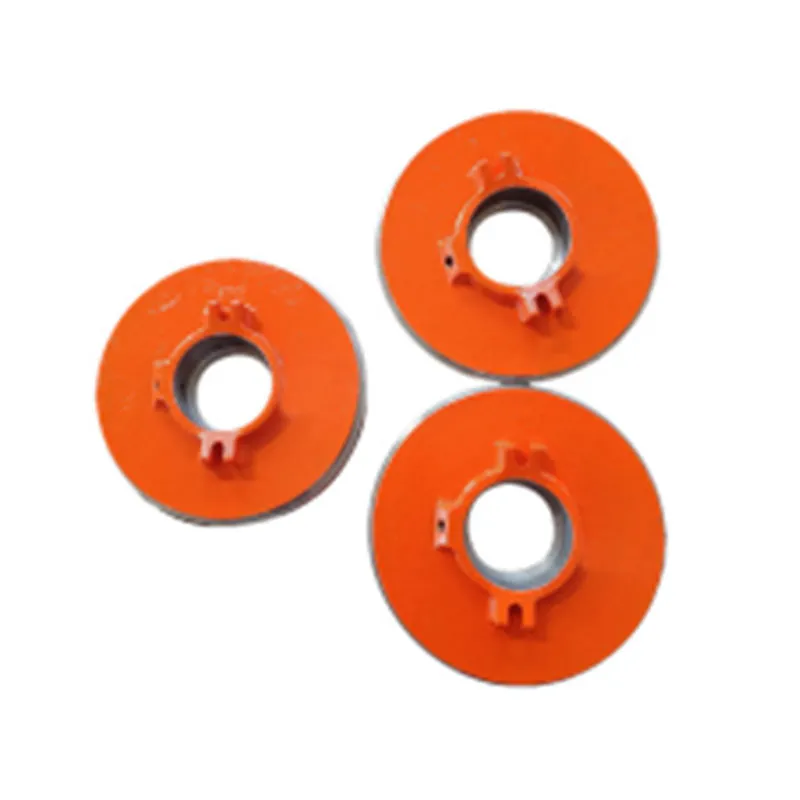
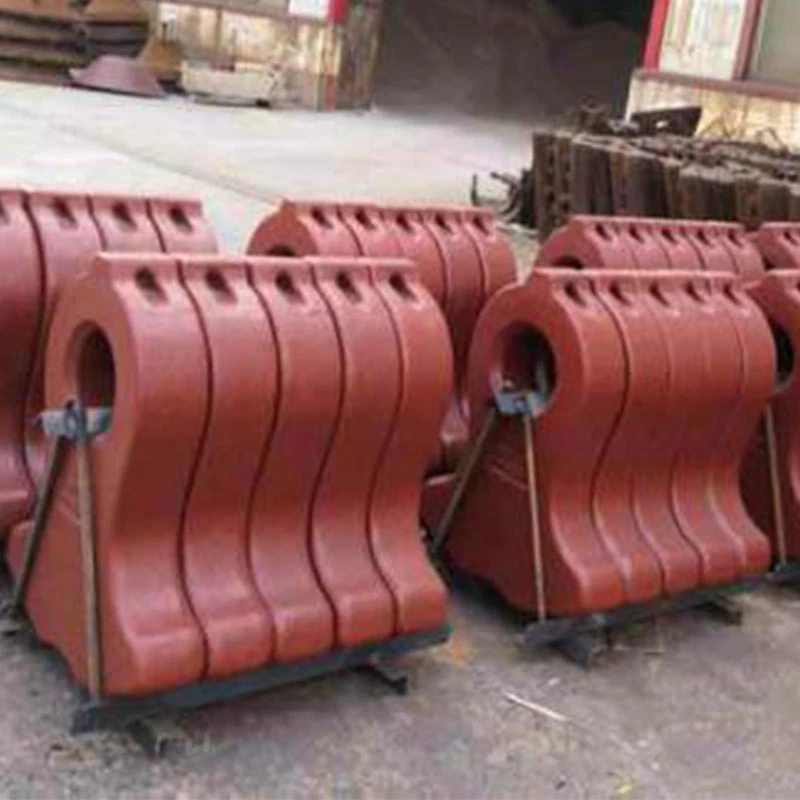
Figure 1: High-chrome white iron throatbush casting undergoing quality inspection.
Technical Specifications and Performance Parameters
Understanding the technical specifications of a throatbush is crucial for optimal selection and performance. These parameters dictate its suitability for specific slurry conditions and directly influence its service life and efficiency.
Table: Typical Throatbush Material Specifications (High-Chrome White Iron)
| Parameter | ASTM A532 Class III, Type A (Equivalent to A05) | ASTM A532 Class II, Type A (Equivalent to A07) |
|---|---|---|
| Material Composition (Nominal % by Weight) | C: 2.5-3.5, Si: 0.3-1.0, Mn: 0.3-0.8, Cr: 24-28, Mo: 0.5-1.5, Ni: ≤1.0, P: ≤0.06, S: ≤0.06 | C: 1.8-2.5, Si: 0.3-1.0, Mn: 0.3-0.8, Cr: 15-20, Mo: 0.5-1.5, Ni: ≤1.0, P: ≤0.06, S: ≤0.06 |
| Hardness (HRC) | 60-65 | 58-62 |
| Tensile Strength (MPa) | 300-450 | 350-500 |
| Impact Resistance | Good (for high-wear, moderate impact) | Very Good (higher toughness than A05) |
| Wear Mechanism | Abrasive wear by hard carbides | Abrasive wear, better erosion resistance |
| Typical Applications | Heavy duty slurry, coarse particles, high abrasion, low impact. | Moderate to heavy duty slurry, mixed particles, higher impact. |
In addition to metallic options, elastomeric throatbush components (e.g., natural rubber R55) typically offer a Shore A hardness of 35-45, excellent resilience, and superior resistance to fine particle abrasion and corrosion, especially in environments with high chloride content or low pH. Their tensile strength typically ranges from 15-25 MPa, with elongation at break often exceeding 500%, providing excellent flexibility and impact absorption.
Dimensional accuracy is paramount for the throatbush to ensure precise impeller clearance. Tolerances are typically within ±0.05 mm for critical mating surfaces, minimizing internal recirculation and maximizing hydraulic efficiency. Operating temperature ranges vary by material: high-chrome alloys can handle up to 200°C (392°F), while elastomers are generally limited to 80-100°C (176-212°F).
Application Scenarios of Throatbush in Slurry Pumps
The versatility of the throatbush, coupled with its material specific designs, allows it to serve effectively across a multitude of arduous industrial applications. Understanding these scenarios highlights its strategic importance in maintaining operational integrity and efficiency for slurry pump parts.
- Mining and Mineral Processing: This is arguably the most prevalent application. Throatbushes handle highly abrasive slurries containing metallic ores (iron, copper, gold), coal, and mineral concentrates. In iron ore processing, for instance, the combination of sharp, hard particles and high flow rates demands ultra-hard high-chrome white iron throatbushes to prevent rapid wear and maintain crucial impeller-to-throatbush clearances for sustained pump performance.
- Power Generation (Ash and FGD Slurries): Coal-fired power plants generate vast quantities of fly ash and bottom ash slurries. Flue Gas Desulfurization (FGD) systems also produce gypsum slurries. These applications often involve fine, abrasive particles and sometimes corrosive chemical constituents. Elastomeric throatbushes are frequently used here due to their excellent resistance to fine particle abrasion and chemical corrosion, contributing to energy saving by maintaining pump efficiency despite challenging conditions.
- Dredging and Sand & Gravel Operations: In dredging, the throatbush is exposed to large, sharp sand and gravel particles, requiring materials with high impact and abrasion resistance. Specially formulated high-chrome alloys or robust rubber compounds are vital to endure continuous heavy-duty service in these environments.
- Industrial Chemical Processes: While less about extreme abrasion, some chemical processes involve pumping corrosive slurries or those with suspended solids. Here, the material selection for the throatbush prioritizes chemical compatibility and moderate abrasion resistance, often utilizing specialty elastomers or chemically resistant alloys.
- Water Supply & Drainage (Sludge Handling): Municipal and industrial wastewater treatment plants often handle sludge, which can be moderately abrasive and contain fibrous materials. The throatbush ensures smooth passage and prevents clogging, contributing to efficient sludge transfer.
In all these scenarios, the primary goal is to maximize the life of the pump by protecting the more expensive and complex components, ensuring energy saving through sustained hydraulic efficiency, and reducing the total cost of ownership through extended service intervals.
Technical Advantages and Performance Optimization
The strategic design and material engineering of the throatbush offer several distinct technical advantages that are critical for optimal slurry pump performance and longevity.
- Enhanced Wear Resistance: Utilizing advanced materials like high-chrome white cast iron (e.g., A05, A07, A49) or specific elastomeric compounds, the throatbush exhibits exceptional resistance to abrasive wear. The microstructure of high-chrome iron, with its hard chromium carbides, provides a formidable barrier against particle erosion, extending operational life significantly in aggressive slurry conditions.
- Corrosion Resistance: For applications involving corrosive slurries (e.g., acidic or alkaline process waters, chemical effluents), specialized materials are employed. Certain high-chrome alloys offer improved corrosion resistance alongside abrasion, while engineered rubber compounds excel in highly corrosive, lower abrasion environments, protecting the pump from chemical degradation.
- Improved Pump Efficiency and Reduced Power Consumption: The throatbush works in close conjunction with the impeller. Maintaining a precise clearance between these two components is crucial. As the throatbush wears, this clearance increases, leading to internal recirculation of slurry, reduced head, and increased power consumption. A wear-resistant throatbush minimizes this degradation, thereby maintaining pump hydraulic efficiency and contributing to significant energy saving over its operational life.
- Extended Service Life and Reduced Downtime: By effectively absorbing the brunt of abrasive wear, the throatbush protects the more expensive and intricate components of the slurry pump, such as the casing and impeller. This sacrificial wear part design ensures that only the throatbush needs frequent replacement, reducing overall maintenance frequency and plant downtime.
- Design for Ease of Maintenance: Modern throatbush designs often prioritize ease of installation and replacement. Features such as segmented designs or simplified fastening mechanisms allow for quicker change-outs, further minimizing maintenance-related downtime and improving operational efficiency for slurry pump spares.
These advantages underscore why the throatbush is not merely a component, but a critical engineered solution for optimizing slurry pump performance in demanding industrial settings.
Industry Trends in Slurry Pump Spares
The industry for slurry pump spares, including the throatbush, is continuously evolving to meet the increasing demands for efficiency, sustainability, and reliability. Key trends include:
- Sustainable Materials and Manufacturing: Growing emphasis on eco-friendly manufacturing processes and the development of materials with reduced environmental impact. This includes optimizing casting processes to minimize waste and exploring recyclable elastomeric compounds.
- Advanced Manufacturing Techniques: Research into additive manufacturing (3D printing) for complex geometries and specialized materials, allowing for rapid prototyping and production of customized slurry pump parts. While not yet mainstream for high-volume throatbushes, it’s a developing area.
- Digitalization and Predictive Maintenance: Integration of IoT sensors into pumps to monitor vibration, temperature, and wear patterns. This data enables predictive maintenance strategies, forecasting the optimal replacement time for components like the throatbush, thus preventing catastrophic failures and maximizing its service life.
- Demand for Highly Customized Solutions: As processes become more specialized, there's an increasing need for throatbushes tailored to unique slurry characteristics (particle size distribution, chemical composition, temperature, etc.) rather than off-the-shelf components.
- Improved Metallurgy and Polymer Science: Continuous advancements in material science lead to stronger, harder, and more resilient alloys and elastomers, pushing the boundaries of wear and corrosion resistance in slurry pump spares.
Vendor Comparison: Selecting the Right Partner for Slurry Pump Spares
Choosing the right vendor for slurry pump spares, particularly for critical components like the throatbush, is a strategic decision that impacts operational efficiency, maintenance costs, and overall plant reliability. A comprehensive evaluation should consider multiple factors beyond just initial price.
Table: Throatbush Vendor Comparison Matrix
| Criteria | Vendor A (Industry Leader) | Vendor B (Specialized Manufacturer) | Vendor C (Cost-Effective Option) |
|---|---|---|---|
| Material Quality & Range | Extensive (A05, A07, R55, specialty alloys), strict QC, proprietary blends. | Focus on high-chrome and specific elastomers, proven performance, ISO certified. | Standard materials (A05, R55), good for general applications, basic QC. |
| Manufacturing Precision | State-of-the-art CNC, advanced casting, tight tolerances (e.g., ±0.02mm). | Modern CNC, robust foundry, meeting international standards (e.g., ±0.05mm). | Standard machining, suitable tolerances (e.g., ±0.1mm). |
| Engineering Support & Customization | Full engineering design services, material consultation, R&D for bespoke solutions. | Strong technical support, custom material selection, minor design modifications. | Basic technical advice, standard product offerings. |
| Lead Time & Fulfillment | Global presence, extensive inventory, expedited shipping options (2-4 weeks). | Efficient production, regional distribution (4-6 weeks). | Standard lead times, batch production (6-10 weeks). |
| Certifications & Compliance | ISO 9001, OHSAS 18001, numerous industry-specific approvals. | ISO 9001, material certifications (ASTM). | Basic quality checks, material test reports available. |
| Warranty & After-Sales | Comprehensive warranty (12-18 months), global support network, field service. | Standard warranty (6-12 months), responsive customer service. | Limited warranty (3-6 months), online support. |
Choosing a vendor with a strong reputation for material quality, manufacturing precision, and robust engineering support ensures that the throatbush will perform reliably and integrate seamlessly, reducing total cost of ownership and maximizing operational uptime.
Customized Solutions and Engineering Support
Recognizing that no two slurry applications are identical, leading manufacturers offer extensive customized solutions for slurry pump spares, particularly for the throatbush. This bespoke approach ensures optimal performance, even in the most challenging and unique operating environments.
- Tailored Material Selection: Engineers work closely with clients to analyze slurry characteristics (particle size distribution, hardness, pH, temperature, presence of chemicals) and select the most appropriate material. This could range from specific high-chrome alloys (e.g., A05 for extreme abrasion, A49 for corrosion + abrasion) to specialized elastomers (e.g., R55 natural rubber for fine abrasive particles, various synthetic rubbers for chemical resistance).
- Design Optimization: While the basic geometry of a throatbush is standard, minor modifications to its profile, leading edges, or thickness can significantly impact wear patterns and hydraulic efficiency for specific applications. CFD (Computational Fluid Dynamics) analysis may be employed to simulate slurry flow and optimize the design for reduced turbulence and wear.
- Dimensional Adaptations: For non-standard pumps or highly customized pump designs, throatbushes can be manufactured with specific dimensions and tolerances to ensure perfect fit and optimal impeller clearance, preventing recirculation and maximizing energy saving.
- Advanced Coatings & Treatments: In some instances, specialized surface coatings or post-treatment processes can be applied to metallic throatbushes to enhance specific properties like corrosion resistance, erosion resistance, or even reduce friction.
This level of engineering support goes beyond merely supplying slurry pump parts; it involves partnering with clients to solve complex wear and efficiency challenges, ultimately leading to longer service life and lower operational expenditures.
Real-World Application Case Studies
Case Study 1: Extended Service Life in a Chilean Copper Mine
A large copper mining operation in northern Chile faced chronic wear issues with their slurry pump throatbushes, necessitating replacements every 3-4 months. The highly abrasive copper concentrate slurry, with sharp, angular particles and a high solids concentration (up to 40% by weight), rapidly eroded standard A05 high-chrome iron throatbushes. Our engineering team conducted a detailed analysis of the slurry properties and pump operating parameters. We recommended a custom-designed throatbush fabricated from a modified A49 high-chrome alloy, specifically engineered for enhanced erosion-corrosion resistance. Post-installation, the new throatbushes achieved an average service life of 9-10 months, a more than 150% improvement. This resulted in a significant reduction in downtime for maintenance, saving the mine approximately $150,000 annually in replacement parts and labor, while also optimizing pump efficiency and reducing specific energy consumption by 3%.
Case Study 2: Improved Efficiency in Australian Gold Dredging
An alluvial gold dredging operation in Western Australia encountered consistent issues with rapid wear of slurry pump parts, including the throatbush, due to large, sharp quartz particles and high-impact conditions. The frequent replacements of throatbushes led to considerable operational interruptions and increased maintenance costs. After assessing the unique challenges of the dredging environment, our solution involved supplying a throatbush manufactured from a specialized wear-resistant natural rubber compound (R55), known for its superior resilience and ability to absorb impact from larger particles without sacrificing abrasion resistance. Furthermore, the geometric design was optimized to promote smoother flow and reduce localized wear points. This modification extended the throatbush life from 2 months to over 6 months, yielding a 200% improvement. The client reported a substantial reduction in pump vibrations, an improvement in pump efficiency of 5%, and a dramatic decrease in the frequency of component replacements, leading to enhanced overall dredging productivity.
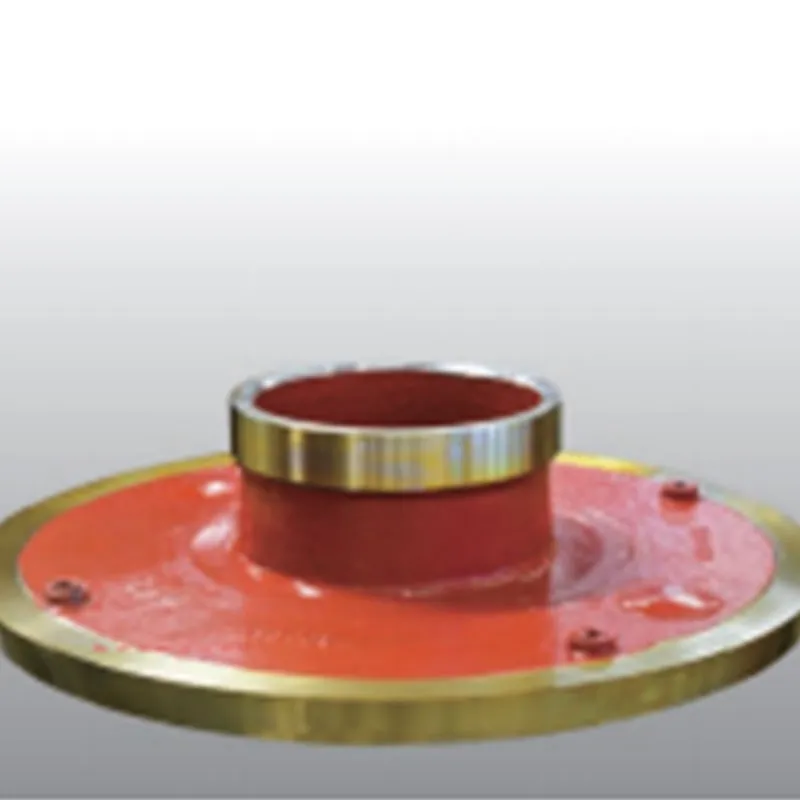
Figure 2: An installed throatbush as part of a slurry pump assembly.
Ensuring Trustworthiness: FAQ, Lead Times, Warranty, and Support
Building long-term partnerships requires transparency and robust support. We commit to delivering not just high-quality slurry pump spares, but also comprehensive service.
Frequently Asked Questions (FAQ)
Q1: How do I select the correct throatbush material for my application?
A1: Material selection depends heavily on slurry characteristics: particle size, hardness, concentration, pH, and operating temperature. Our engineering team can provide a detailed material recommendation based on your specific operational data. Typically, high-chrome iron is for coarse, hard abrasives, while rubber is for fine abrasives and corrosive applications.
Q2: What are the typical lead times for a custom throatbush?
A2: Standard lead times for stock items are usually 2-4 weeks. For custom-engineered throatbushes, lead times can range from 6-12 weeks, depending on material availability, design complexity, and manufacturing queue. Expedited options may be available upon request.
Q3: How often should a throatbush be inspected or replaced?
A3: Inspection frequency depends on the abrasiveness of the slurry and operating hours. Initially, we recommend inspection at regular intervals (e.g., monthly). Replacement is typically indicated by a significant drop in pump performance (reduced flow, head) or visual inspection revealing excessive wear. Regular monitoring can extend component life.
Q4: Are your slurry pump parts interchangeable with OEM components?
A4: Yes, our throatbushes and other slurry pump spares are designed and manufactured to meet or exceed OEM specifications for fit, form, and function, ensuring complete interchangeability and reliable performance.
Lead Time and Fulfillment Details
We maintain strategic inventory levels for common throatbush sizes and materials to ensure rapid dispatch. Our robust supply chain and logistics network enable efficient delivery globally. For custom orders, our project management team provides regular updates on manufacturing progress and estimated delivery dates, ensuring transparent communication and timely fulfillment.
Warranty Commitments
All our slurry pump parts, including the throatbush, are backed by a comprehensive warranty against manufacturing defects and material failures under normal operating conditions. The typical warranty period ranges from 6 to 12 months, demonstrating our confidence in the quality and durability of our products. Specific warranty terms will be provided with each quotation.
Customer Support and After-Sales Services
Our commitment extends beyond the sale. We offer extensive after-sales support, including:
- Technical consultation for installation and operational troubleshooting.
- On-site support and wear analysis (where feasible).
- Performance monitoring and optimization advice.
- Dedicated account managers for ongoing communication and support.
Conclusion
The throatbush is far more than a simple wear component; it is an engineered solution vital to the efficiency, longevity, and cost-effectiveness of slurry pump operations. Through meticulous manufacturing, advanced material science, and continuous innovation, these slurry pump parts ensure sustained performance in the most demanding industrial environments. By prioritizing high-quality, technically superior throatbushes, industries can achieve significant reductions in downtime, lower maintenance costs, and substantial energy savings, solidifying their operational integrity and productivity.
References
- ASTM A532/A532M-10, Standard Specification for Abrasion-Resistant Cast Irons. ASTM International, West Conshohocken, PA, 2010.
- ISO 9001:2015, Quality management systems — Requirements. International Organization for Standardization, Geneva, Switzerland, 2015.
- Wood, R. J. K. (1996). Wear Control Handbook. American Society of Mechanical Engineers.
- Australian Standard AS 2129:2000, Slurry pumping systems - Guidelines for design, installation, operation and maintenance. Standards Australia, 2000.
- Metals Handbook, Vol. 1: Properties and Selection: Irons, Steels, and High-Performance Alloys. ASM International, 1990.
-
Find the Best Industrial Martillo a la Venta for Professional Needs
NewsApr.16,2026
-
Technical Guide for Herramientas de Perforación Subterránea PDF
NewsApr.09,2026
-
Comprehensive Guide to Underground Drilling Tools Herramientas de Perforación Subterráneas
NewsApr.07,2026
-
Comprehensive Guide to Underground Drilling Tools herramientas de perforación subterránea
NewsApr.04,2026
-
Finding Reliable Proveedores de Compresores de Aire Diesel for Your Industry Needs
NewsMar.31,2026
-
Comprehensive Guide to Diesel Air Compressors and Miningzy Fábrica de Compresores de Aire Diesel
NewsMar.28,2026