
Nov . 13, 2025 12:00 Back to list
Durable Stone Crusher Jaw Plates for Industrial Efficiency
What Makes a Quality Stone Crusher Jaw Plate?
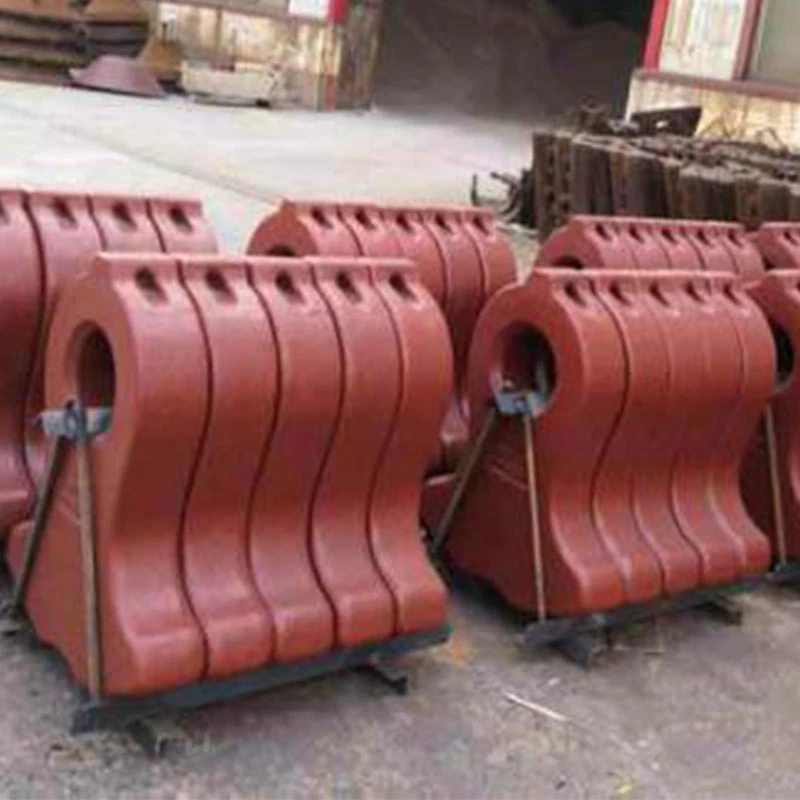
If you’ve ever been around crushing equipment on a job site, you’ll know that the jaw plate isn’t just some throwaway part. Frankly, it’s the heart of the crusher’s performance and reliability. I remember early on in my career, watching a machine come to a grinding halt because someone underestimated the wear life of the jaw plate — costly downtime, needless to say. Stone crusher jaw plates have to take quite a beating. They’re built to crush unforgiving rock, grinding away at materials constantly, often in dusty, gritty environments where any weak link can cause a full stop. Not all jaw plates are created equal though — material choice, design, heat treatment, and precision manufacturing play huge roles in how long these plates can last and how they handle the stress. It feels like the best ones strike a balance between hardness and toughness. Too brittle, and they chip or crack early; too soft, and wear means they lose shape fast and degrade product quality. Many engineers swear by manganese steel for its self-hardening properties under impact — it wears gently but stays strong. Others go for high-chrome alloys or even composite reinforcements nowadays, especially for specific customer needs or unusually abrasive stones.Hands-On Insights Into Stone Crusher Jaw Plate Design
Over the years, I’ve noticed that the plate's shape — the famous "tooth profile" — is as critical as the material. It determines crushing efficiency and the product’s granularity. A serrated tooth profile usually improves grip and breaks the stone more effectively, but it can be tougher on the plate itself. Smooth plates wear slower but might require more power and time. It’s one of those trade-offs where operators have to weigh throughput versus wear cost. On a few projects, we customized jaw plates to sync perfectly with the local stone type — granite, basalt, or limestone — and saw noticeably better uptime. Customization in this segment isn’t just a buzzword; it really pays off. If you work with a supplier who understands this aspect deeply — not just selling stock but willing to tweak designs — it will make life that much easier. It reminds me of a case where an Indian quarry replaced standard plates with a customized manganese alloy set. The result? Operational hours doubled before any replacements were necessary, cutting maintenance headaches dramatically.Stone Crusher Jaw Plate Specifications You Should Know
Here’s a quick rundown of typical specs for a durable stone crusher jaw plate, just so you know what to expect or look for:| Parameter | Typical Value | Notes |
|---|---|---|
| Material | Manganese Steel (No.13-18) | Good wear resistance, impact toughness |
| Hardness | 280-400 HB | Heat treated for durability |
| Weight | Depends on crusher size (10-500 kg) | Customized per model |
| Tooth Profile | Serrated / Smooth | Selected per rock type |
| Replacement Cycle | Approximately 1000-3000 operating hours | Varies by material & conditions |
Comparing Leading Stone Crusher Jaw Plate Vendors
Picking the right vendor can feel like choosing between similar-looking options but with subtle differences that matter. Here’s a quick comparative snapshot of some top suppliers who are seriously worth considering:| Vendor | Material Options | Customization Level | Lead Time | Price Range |
|---|---|---|---|---|
| Miningzy | Manganese Steel, High Chrome | High (design & alloy tweaks) | 2-4 weeks | Mid-Range |
| Vendor B | Manganese Steel Only | Low (stock sizes) | 1-2 weeks | Low |
| Vendor C | High Chrome, Alloy Steel | Medium | 4-6 weeks | High |
Final Thoughts on Investing in Your Crusher’s Jaw Plates
In my experience, spending a little more time upfront selecting the right stone crusher jaw plate often saves a ton of trouble down the road. It’s not just about buying a spare part; it’s about keeping the crushing line fresh, efficient, and running with minimal hiccups. So, if you’re eyeballing jaw plates for your fleet, do yourself a favor — don’t rush. Think material, design, the supplier’s expertise, and match it to the rock you’re working on. That combo usually spells success. And if you’re lucky enough to come across vendors that get those nuances, well… that’s a small victory worth celebrating. --- References:1. Personal field experiences in material handling and crushing plants.
2. Industry case studies from various quarry sites.
3. Supplier material datasheets and engineering testimonials.
Latest news
-
Find the Best Industrial Martillo a la Venta for Professional Needs
NewsApr.16,2026
-
Technical Guide for Herramientas de Perforación Subterránea PDF
NewsApr.09,2026
-
Comprehensive Guide to Underground Drilling Tools Herramientas de Perforación Subterráneas
NewsApr.07,2026
-
Comprehensive Guide to Underground Drilling Tools herramientas de perforación subterránea
NewsApr.04,2026
-
Finding Reliable Proveedores de Compresores de Aire Diesel for Your Industry Needs
NewsMar.31,2026
-
Comprehensive Guide to Diesel Air Compressors and Miningzy Fábrica de Compresores de Aire Diesel
NewsMar.28,2026