tel

86-311-8525-8258

0%

Table of Contents

Wholesale slurry pumps are critical components in a vast array of industrial processes, from mining and wastewater treatment to agriculture and construction. These robust pumps are designed to efficiently move abrasive and dense fluids – slurries – which are often composed of solids mixed within liquids. Understanding the nuances of wholesale slurry pump selection, operation, and maintenance is paramount for ensuring optimal performance, minimizing downtime, and maximizing return on investment for businesses across numerous sectors. The global demand for efficient and reliable slurry handling solutions continues to grow, driven by increasing industrialization and a greater focus on environmental sustainability.

The significance of wholesale slurry pumps extends beyond mere fluid transfer. They play a vital role in resource recovery, pollution control, and the safe handling of hazardous materials. The market is characterized by a diverse range of pump types, each tailored to specific slurry characteristics and application requirements. Choosing the right pump – considering factors such as flow rate, head pressure, abrasive content, and chemical compatibility – directly impacts operational efficiency and the lifespan of the equipment. A robust supply chain and competitive pricing from wholesale suppliers are essential for companies looking to optimize their capital expenditure.

Moreover, advancements in materials science and pump design are continuously improving the performance and durability of wholesale slurry pumps. This translates to reduced energy consumption, lower maintenance costs, and a smaller environmental footprint. Investing in high-quality slurry pumps sourced through reputable wholesale channels is a strategic decision that can yield significant long-term benefits for organizations of all sizes.
Comprehensive Guide to Wholesale Slurry Pumps for Industrial Applications

Introduction to Wholesale Slurry Pumps

Comprehensive Guide to Wholesale Slurry Pumps for Industrial Applications

Wholesale slurry pumps aren’t just about moving liquids containing solids; they represent a critical element in maintaining operational efficiency and reducing costs for a diverse range of industries. Sourcing these pumps through wholesale channels allows businesses to benefit from competitive pricing and streamlined procurement processes.

Effective slurry management is crucial for preventing equipment damage, minimizing downtime, and ensuring environmental compliance. The right wholesale slurry pump, selected based on specific application needs, can significantly contribute to these objectives.

The Global Relevance of Wholesale Slurry Pumps

The demand for wholesale slurry pumps is deeply intertwined with global economic trends and industrial activity. Rapid urbanization, particularly in developing nations, drives the need for improved wastewater treatment facilities, which heavily rely on these pumps. According to the UN, global wastewater generation is projected to increase significantly in the coming decades, necessitating substantial investment in treatment infrastructure.

Furthermore, the mining industry, a major consumer of wholesale slurry pumps, is experiencing growth in several regions, fueled by demand for critical minerals used in renewable energy technologies. The World Bank estimates that the demand for these minerals will increase exponentially in the coming years, further amplifying the need for robust and reliable slurry handling solutions.

A key challenge addressed by wholesale slurry pumps is the efficient and environmentally responsible management of tailings – the waste materials generated from mining operations. Proper tailings management is crucial for preventing environmental contamination and ensuring the long-term sustainability of mining activities.

Defining Wholesale Slurry Pumps

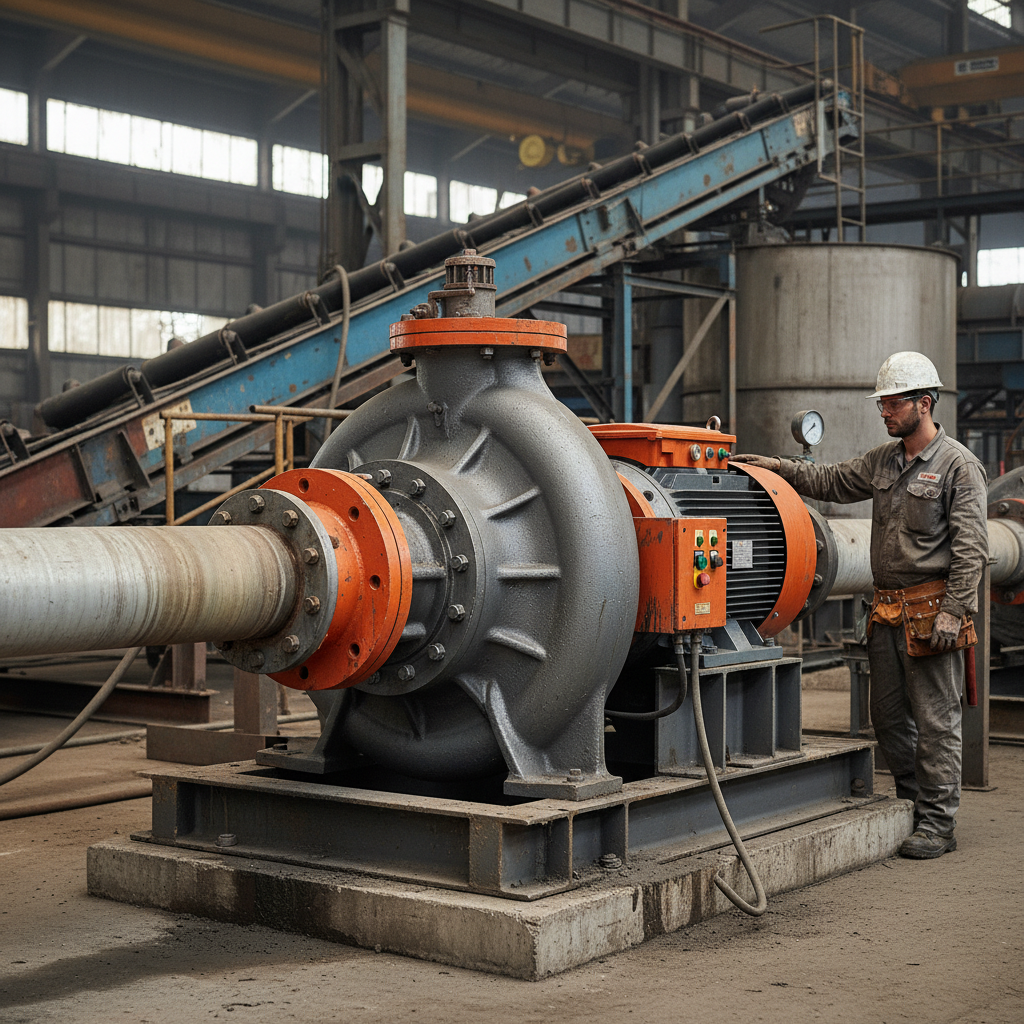
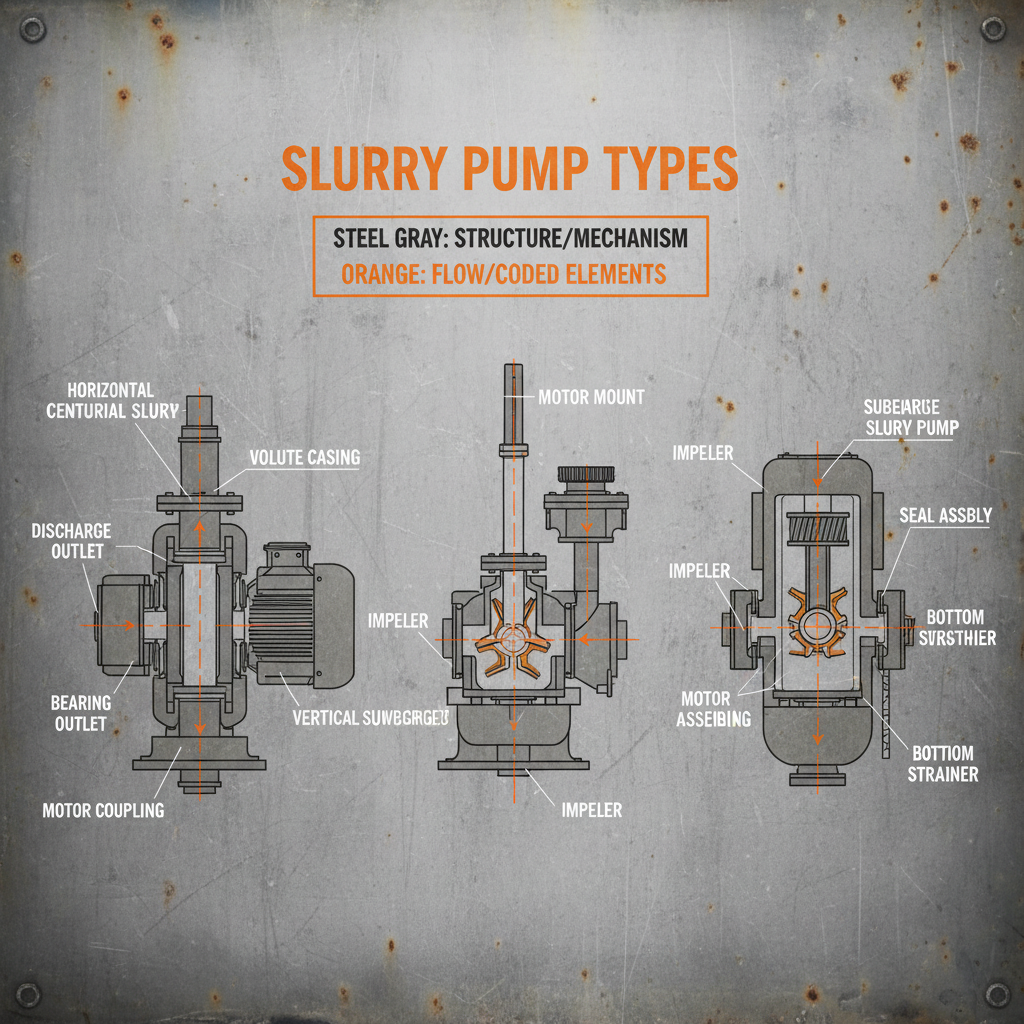
Wholesale slurry pumps are specialized pumping systems designed to transport abrasive, corrosive, and high-solids content fluids – known as slurries. Unlike standard pumps, these are engineered with robust construction, wear-resistant materials, and hydraulic designs optimized to handle the unique challenges posed by slurries. They come in various types, including centrifugal, positive displacement, and diaphragm pumps, each suited to different slurry characteristics.

The connection to modern industry is undeniable. From transferring mineral concentrates in mining to handling wastewater solids in municipal treatment plants, wholesale slurry pumps underpin essential processes across numerous sectors. Their ability to operate reliably in demanding conditions contributes to increased productivity and reduced operational costs.

In humanitarian contexts, wholesale slurry pumps can play a critical role in disaster relief efforts. They can be used to dewater flooded areas, remove debris, and provide clean water to affected communities. Their portability and ruggedness make them ideal for deployment in challenging environments.

Key Factors in Wholesale Slurry Pump Performance

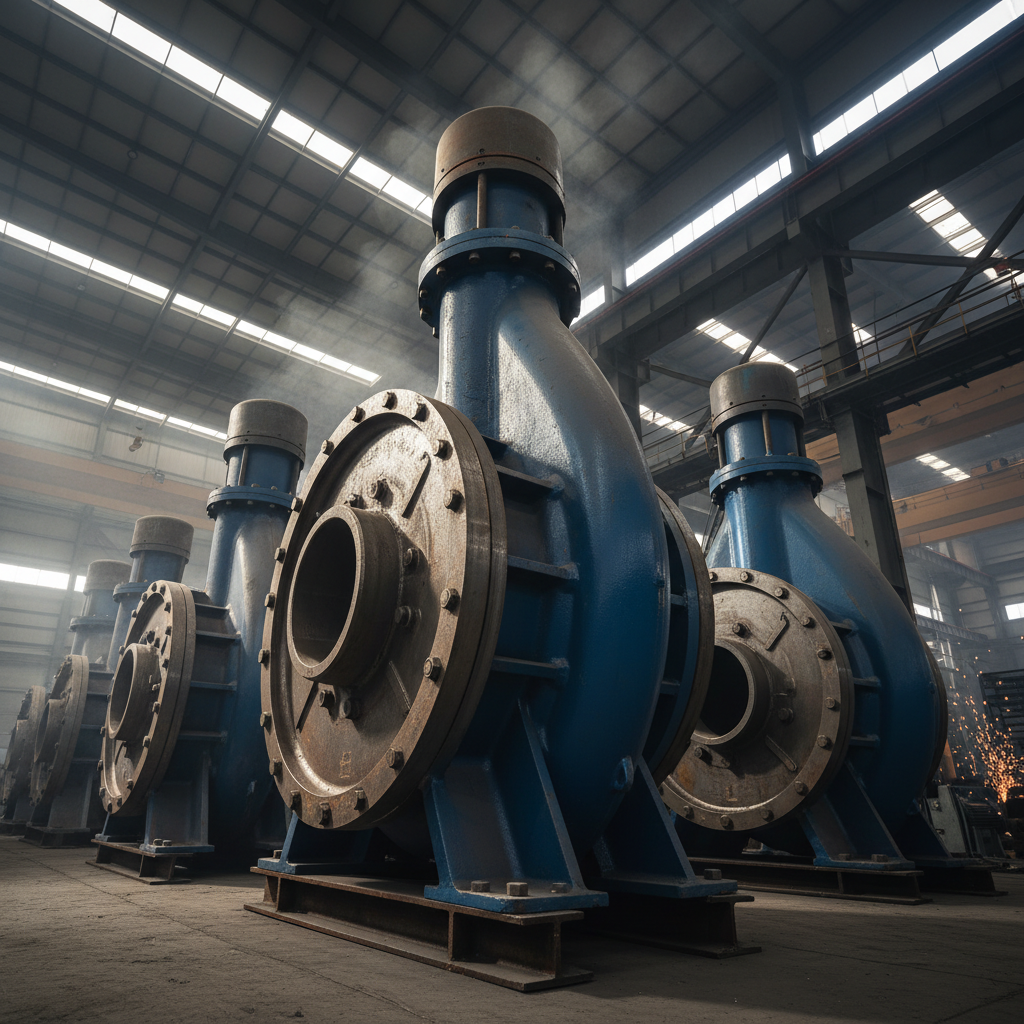
Several key factors dictate the performance and longevity of wholesale slurry pumps. Durability is paramount, as these pumps are exposed to highly abrasive materials. This necessitates the use of specialized alloys and wear-resistant liners.

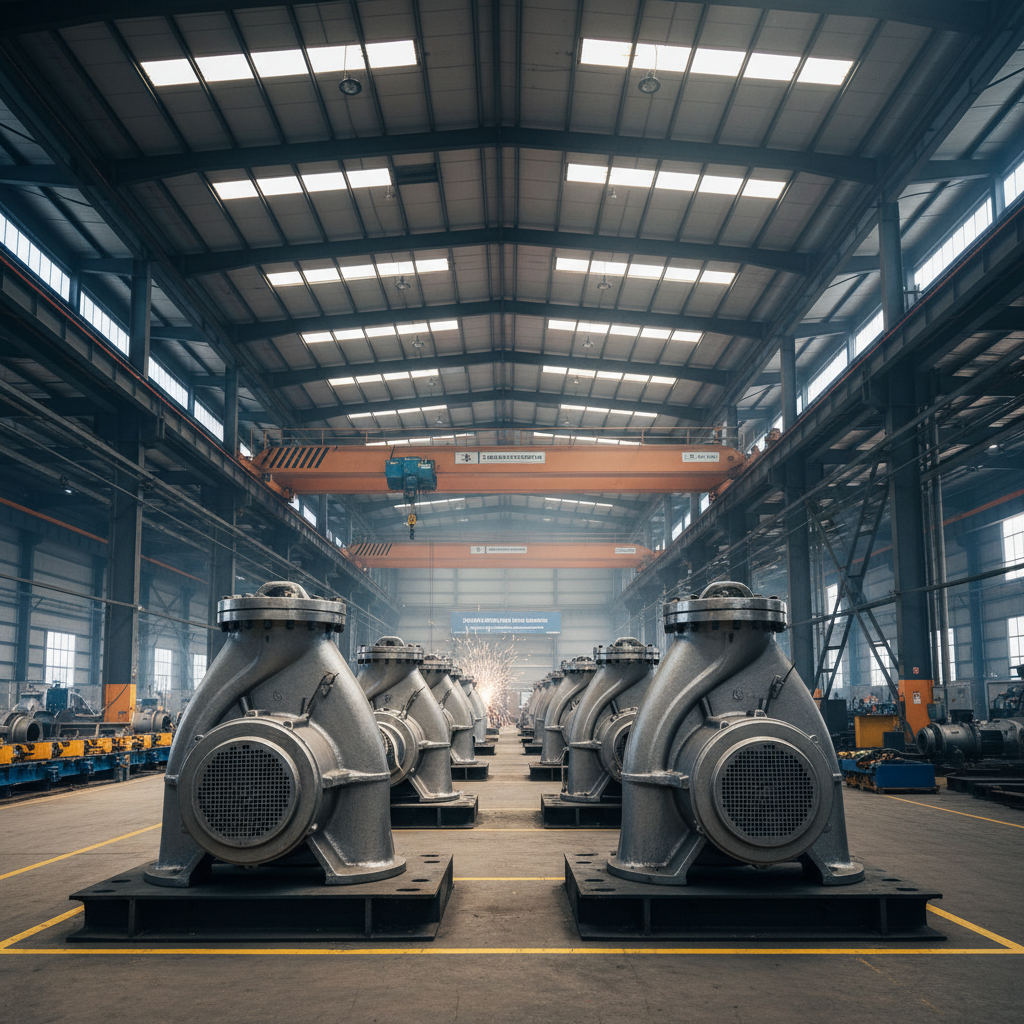
Scalability is another critical consideration. Different applications require pumps with varying flow rates and head pressures. Wholesale suppliers offer a wide range of pump sizes and configurations to meet diverse needs. Cost Efficiency is also crucial, encompassing not only the initial purchase price but also the total cost of ownership, including maintenance, energy consumption, and downtime.

Material Selection is heavily influenced by the chemical composition of the slurry being handled. Pumps must be constructed from materials compatible with the slurry to prevent corrosion and erosion. Hydraulic Design impacts the pump’s efficiency and ability to handle solids without clogging. Sealing Systems must prevent leakage and protect the pump’s internal components from damage.

Applications Across Industries

The applications of wholesale slurry pumps are incredibly diverse. In the mining industry, they’re essential for transferring ore slurries, tailings, and process water. Wastewater treatment plants utilize these pumps to handle sludge and other solid-laden effluents.

The oil and gas sector employs wholesale slurry pumps for drilling mud circulation and waste management. Chemical processing plants rely on them for transferring corrosive and abrasive chemical mixtures. In agriculture, these pumps are used for irrigation and fertilizer distribution.

In post-disaster relief operations, portable slurry pumps can be rapidly deployed to dewater flooded areas and remove debris. In remote industrial zones, where access to specialized maintenance services is limited, robust and reliable slurry pumps are particularly valuable.

Advantages and Long-Term Value

Investing in high-quality wholesale slurry pumps offers tangible benefits. Reduced maintenance costs, stemming from the pumps’ durability and wear resistance, translate into significant savings over the long term. Improved operational efficiency, resulting from optimized hydraulic designs and reliable performance, boosts productivity.

Sustainability is also a key advantage. Modern slurry pumps are designed to minimize energy consumption, reducing environmental impact and lowering operating expenses. The increased safety afforded by reliable pump operation – preventing leaks, spills, and equipment failures – is invaluable. Trust in a reputable wholesale supplier ensures access to expert support and timely replacement parts, further minimizing downtime.

Future Trends and Innovations

The future of wholesale slurry pumps is marked by several exciting trends. The integration of digital technologies, such as remote monitoring and predictive maintenance, is enabling proactive management and minimizing downtime. Advancements in materials science are leading to the development of even more wear-resistant and corrosion-resistant pump components.

Automation is playing an increasingly important role, with automated control systems optimizing pump performance and reducing the need for manual intervention. A growing emphasis on sustainability is driving the development of energy-efficient pumps and the use of eco-friendly materials. The adoption of IoT (Internet of Things) sensors allows for real-time data collection and analysis, enabling more informed decision-making.

Furthermore, the development of specialized pumps for handling increasingly complex slurries – such as those found in emerging battery technologies – is driving innovation within the industry.

FAQS

What factors should I consider when choosing a wholesale slurry pump?

When selecting a wholesale slurry pump, carefully assess the slurry’s composition (solids content, particle size, chemical properties), required flow rate, discharge pressure, and operating environment. Material compatibility is paramount to prevent corrosion and wear. Consider total cost of ownership, including energy consumption and maintenance.

How often should I perform maintenance on my slurry pump?

Regular maintenance is crucial for maximizing the lifespan and efficiency of your slurry pump. Inspect wear liners, impellers, and seals frequently. Lubricate bearings as recommended by the manufacturer. Monitor pump performance for any signs of degradation, such as reduced flow rate or increased vibration. Develop a preventative maintenance schedule based on operating hours and slurry characteristics.

What are the different types of slurry pumps available?

Common types of slurry pumps include centrifugal pumps, positive displacement pumps (like progressing cavity pumps and diaphragm pumps), and vertical turbine pumps. Centrifugal pumps are suitable for high-volume, low-head applications, while positive displacement pumps excel at handling viscous slurries and maintaining consistent flow. Vertical turbine pumps are ideal for deep well applications. The best choice depends on your specific needs.

How can I improve the lifespan of my slurry pump?

Implementing best practices such as proper pump sizing, regular maintenance, using compatible materials, and avoiding abrasive materials when possible will significantly extend the lifespan of your slurry pump. Operating the pump within its specified parameters is also critical. Utilizing wear-resistant liners and impellers can also enhance durability.

What is the importance of selecting the right pump material?

The pump material must be chemically compatible with the slurry to prevent corrosion and erosion. Incorrect material selection can lead to premature failure and costly repairs. Common materials include cast iron, stainless steel, and various alloys. Selecting the right material ensures long-term reliability and minimizes maintenance requirements.

Where can I find reliable wholesale slurry pump suppliers?

Look for suppliers with a proven track record, a wide range of pump options, and strong technical support. Check for certifications and industry affiliations. Read customer reviews and request references. A reputable supplier will be able to provide expert guidance and assist you in selecting the right pump for your application. Consider wholesale slurry pumps for a wide selection.

Conclusion

In conclusion, wholesale slurry pumps are indispensable components in numerous industries, facilitating efficient fluid handling and contributing to operational success. Understanding the key factors influencing pump performance, from material selection to hydraulic design, is critical for making informed purchasing decisions. The selection and proper application of wholesale slurry pumps directly impact productivity, cost efficiency, and environmental sustainability.

Looking ahead, innovations in digital technology, materials science, and automation promise to further enhance the performance and reliability of these essential machines. Investing in high-quality pumps from reputable wholesale suppliers is a strategic move that can yield significant long-term benefits. For a comprehensive selection and expert advice, visit our website: www.miningzy.com.
Daniel Wilson

Daniel Wilson

Daniel Wilson is Zen Young Technology's Air Compressor Product Manager. He’s responsible for the development and promotion of the company’s full-range compressed air solutions, emphasizing reliability and ease of maintenance. Daniel focuses on integrating comprehensive monitoring systems into the compressors, improving operational efficiency. He recently analyzed market trends in industrial
Previous Investing in a Reliable Borehole Machine for Sale and Its Global Impact
Next Comprehensive Guide to Slurry Pumps for Sale and Industrial Applications
slurry pump companies

Zen Young Technology Hebei Co., Ltd. Specialized in Slurry pump solutions, Foundry OEM services, Drilling rigs and drilling tools, and Air compressors for world wide industries of mining, metallurgy, municipal construction, power, dredging, petrochemical, etc.

Copyright © 2026 Zen Young Technology Hebei Co.,Ltd. All Rights Reserved. Sitemap | Privacy Policy | Top Blog | Global Service


tel
mailto
phone
goTop