
Mar . 19, 2026 02:25 Back to list
Choosing the Right Diesel Mobile Air Compressor for Optimal Performance
Choosing the Right compresor de aire móvil diesel for Your Needs
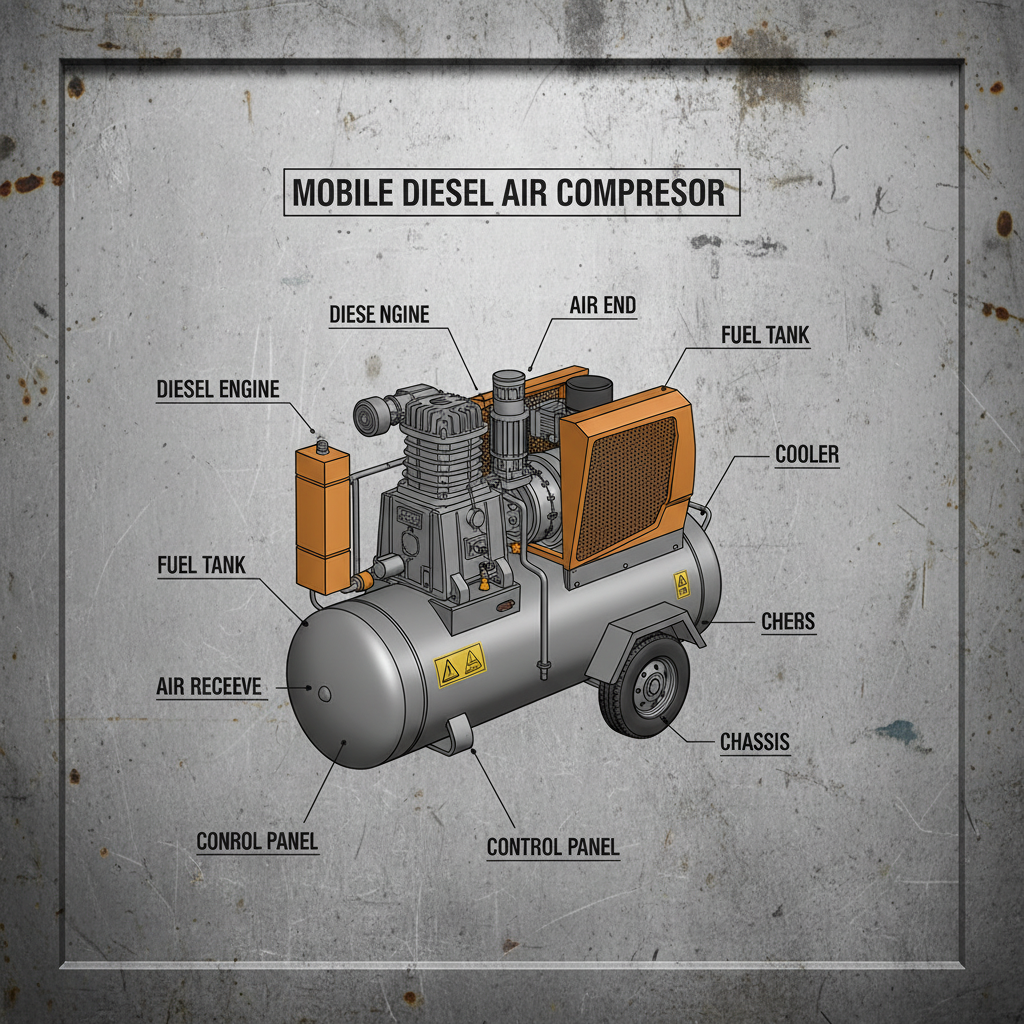
A compresor de aire móvil diesel is an invaluable asset for a wide range of industries, from construction and mining to automotive repair and agriculture. Its portability and diesel-powered independence make it ideal for on-site applications where electricity is limited or unavailable. Selecting the appropriate model, however, requires careful consideration of your specific requirements. This article will guide you through the key factors to consider when choosing a diesel air compressor, helping you make an informed decision. We will cover applications, specifications, and how to choose the right compressor for optimal performance and longevity.
Understanding the Applications of Diesel Air Compressors
Diesel air compressors are incredibly versatile tools. In the construction industry, they power pneumatic tools like jackhammers, nail guns, and sprayers. Mining operations utilize them for drilling, rock breaking, and dust suppression. Automotive shops rely on them for powering impact wrenches, spray guns, and tire inflation. Agricultural applications include powering irrigation systems, pneumatic tools for equipment maintenance, and even assisting with crop dusting. The key is to match the compressor's capabilities to the demands of the application. A small, portable unit might be sufficient for light-duty tasks, while a larger, more powerful compressor is necessary for heavy-duty industrial operations.
Key Takeaway: Identifying your primary application is the first and most crucial step in selecting the right diesel air compressor. This will dictate the necessary CFM, PSI, and tank capacity.
Key Specifications: CFM, PSI, and Tank Capacity
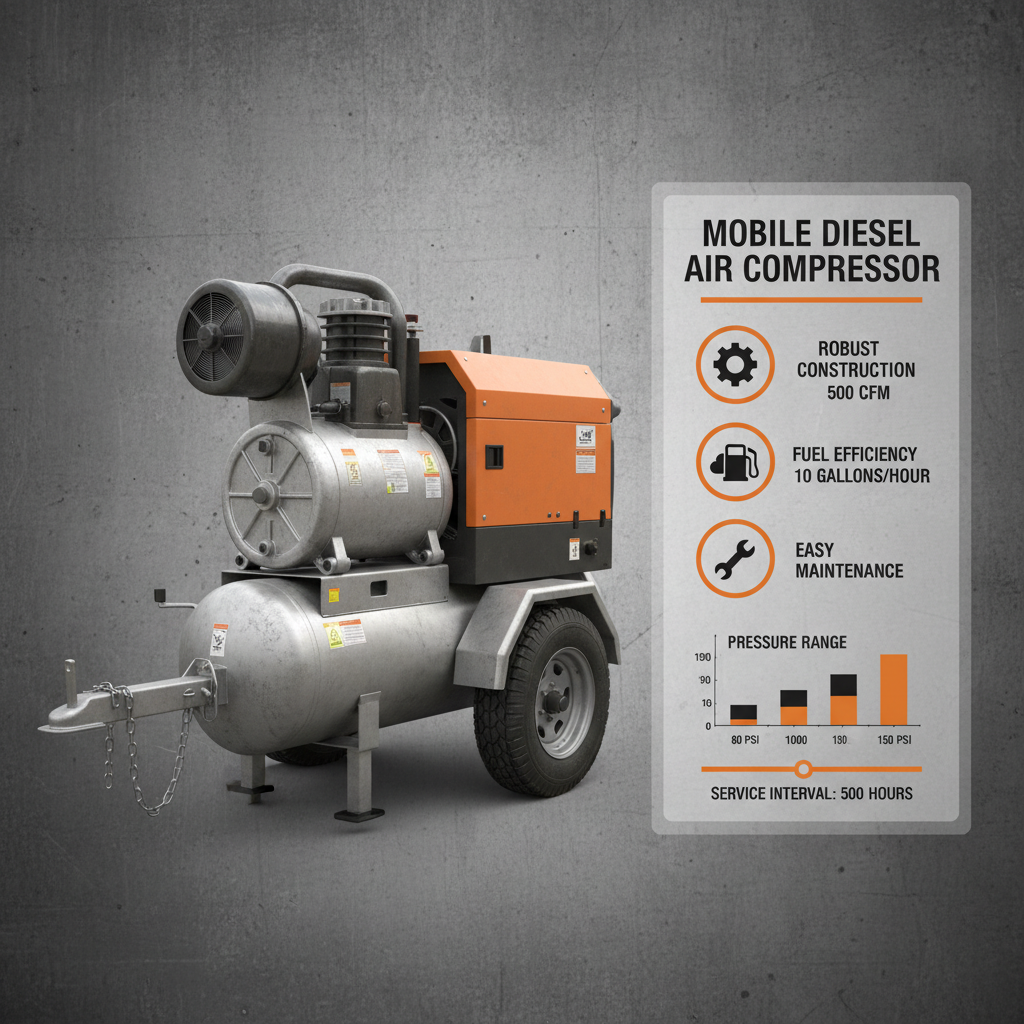
When evaluating a compresor de aire móvil diesel, three key specifications stand out: CFM (Cubic Feet per Minute), PSI (Pounds per Square Inch), and tank capacity. CFM measures the volume of air the compressor can deliver, and it's critical to ensure it meets or exceeds the requirements of your pneumatic tools. PSI indicates the air pressure, and different tools require different pressures to operate effectively. Tank capacity affects how long the compressor can run tools continuously without needing to refill. A larger tank allows for longer run times, but also increases the compressor's size and weight. Properly matching these specifications to your tool requirements is essential for optimal performance.
Understanding the Specifications:
• CFM: Air Volume Delivered
• PSI: Air Pressure
• Tank Capacity: Run Time Between Refills
Comparing Popular compresor de aire móvil diesel Models
The market offers a diverse selection of diesel air compressors. Here’s a comparison of a few popular models available from Miningzy:
Factors Beyond Specifications: Portability and Durability
Beyond CFM, PSI, and tank capacity, consider the compressor's portability and durability. A heavy compressor might be difficult to move around a job site, while a poorly built unit could require frequent repairs. Look for compressors with robust frames, quality engines, and reliable components. Consider features like pneumatic tires for easier maneuverability and protective cages to shield internal components. Miningzy’s compressors are designed with both portability and durability in mind, offering a long-lasting and reliable solution for your compressed air needs.
Maintenance and Longevity: Ensuring a Long Service Life
Regular maintenance is crucial for maximizing the lifespan of your compresor de aire móvil diesel. This includes checking and changing the oil regularly, cleaning the air filter, and inspecting hoses and connections for leaks. Follow the manufacturer's recommendations for maintenance intervals and procedures. Proper maintenance not only extends the compressor's life but also ensures optimal performance and prevents costly downtime.
Conclusion: Invest in the Right Diesel Air Compressor
Choosing the right compresor de aire móvil diesel is a significant investment. By carefully considering your application, specifications, portability, durability, and maintenance requirements, you can select a compressor that delivers reliable performance and long-term value. Miningzy offers a comprehensive range of diesel air compressors to meet your specific needs.
Frequently Asked Questions (FAQs)
What size diesel air compressor do I need for a framing crew?
For a framing crew, you'll typically need a compressor that delivers at least 150-200 CFM at 90 PSI. This will comfortably power several nail guns simultaneously. A tank capacity of 80-120 gallons is recommended to minimize downtime for refills. Consider a compressor with a reliable diesel engine and durable construction to withstand the demands of a construction site. Miningzy's ZY-185 model might be a suitable option for smaller framing crews, while larger crews may benefit from the ZY-285.
How often should I change the oil in my diesel air compressor?
The oil change interval depends on the compressor's operating conditions and the manufacturer's recommendations. Generally, it’s advisable to change the oil every 250-500 hours of operation, or at least once a year. Always use the oil type and viscosity specified in the owner's manual. Regularly checking the oil level is also crucial to prevent engine damage.
Are diesel air compressors noisy?
Diesel air compressors can be relatively noisy, especially larger models. Noise levels typically range from 80 to 100 decibels. However, some manufacturers offer models with noise reduction features, such as enclosed engines and sound-dampening materials. Wearing hearing protection is always recommended when operating a diesel air compressor.
What are the advantages of a diesel air compressor over a gasoline-powered one?
Diesel engines generally offer greater fuel efficiency and longer engine life compared to gasoline engines. Diesel fuel is also typically less expensive than gasoline. Diesel compressors are also known for their higher torque, making them better suited for demanding applications. Although diesel compressors may have a higher initial cost, their long-term operating costs are often lower.
-
Find the Best Industrial Martillo a la Venta for Professional Needs
NewsApr.16,2026
-
Technical Guide for Herramientas de Perforación Subterránea PDF
NewsApr.09,2026
-
Comprehensive Guide to Underground Drilling Tools Herramientas de Perforación Subterráneas
NewsApr.07,2026
-
Comprehensive Guide to Underground Drilling Tools herramientas de perforación subterránea
NewsApr.04,2026
-
Finding Reliable Proveedores de Compresores de Aire Diesel for Your Industry Needs
NewsMar.31,2026
-
Comprehensive Guide to Diesel Air Compressors and Miningzy Fábrica de Compresores de Aire Diesel
NewsMar.28,2026