
Oct . 20, 2025 14:35 Back to list
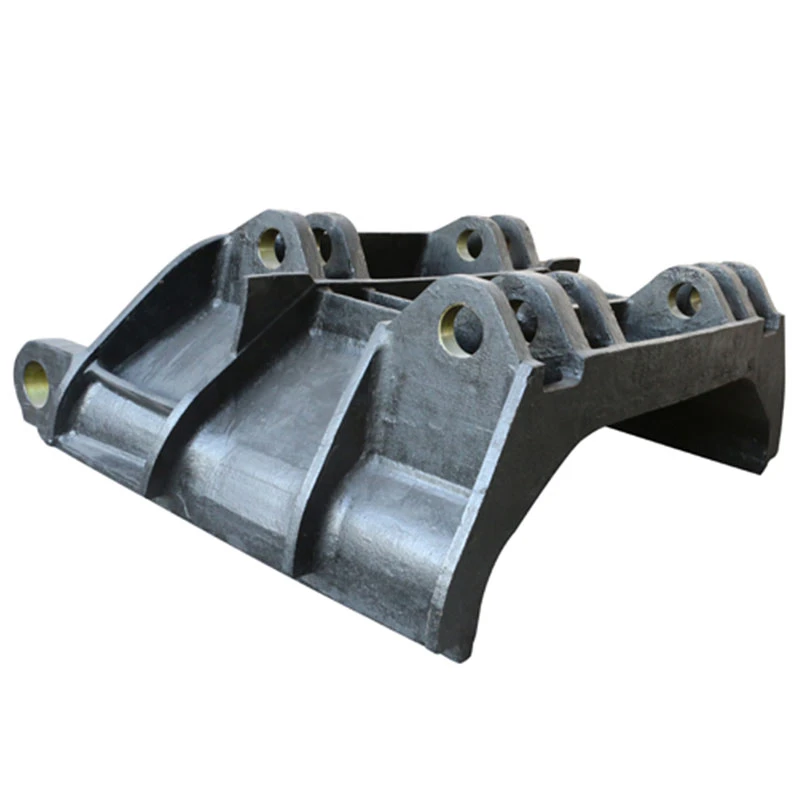
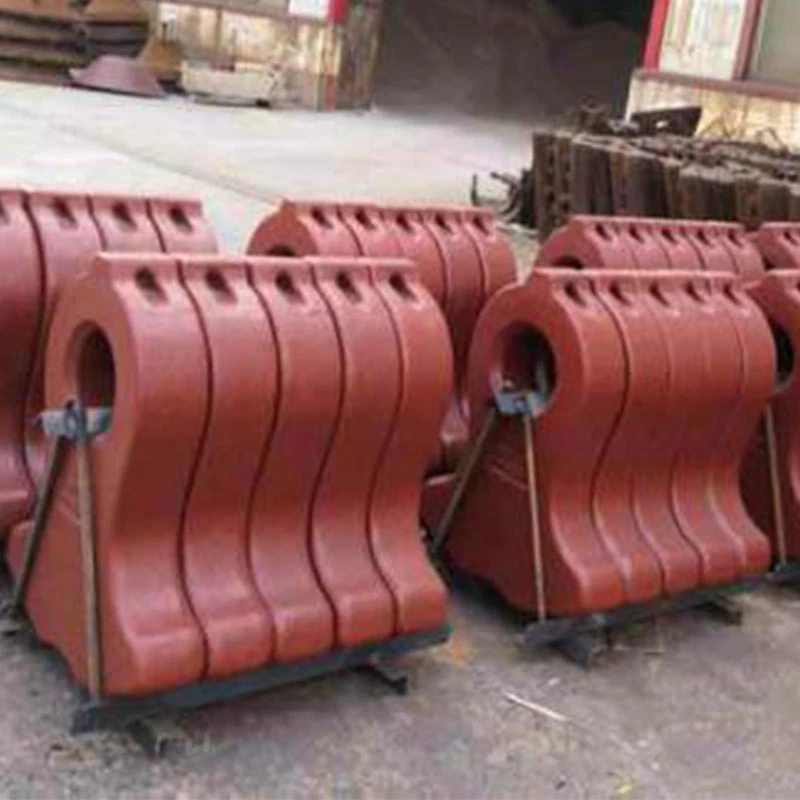
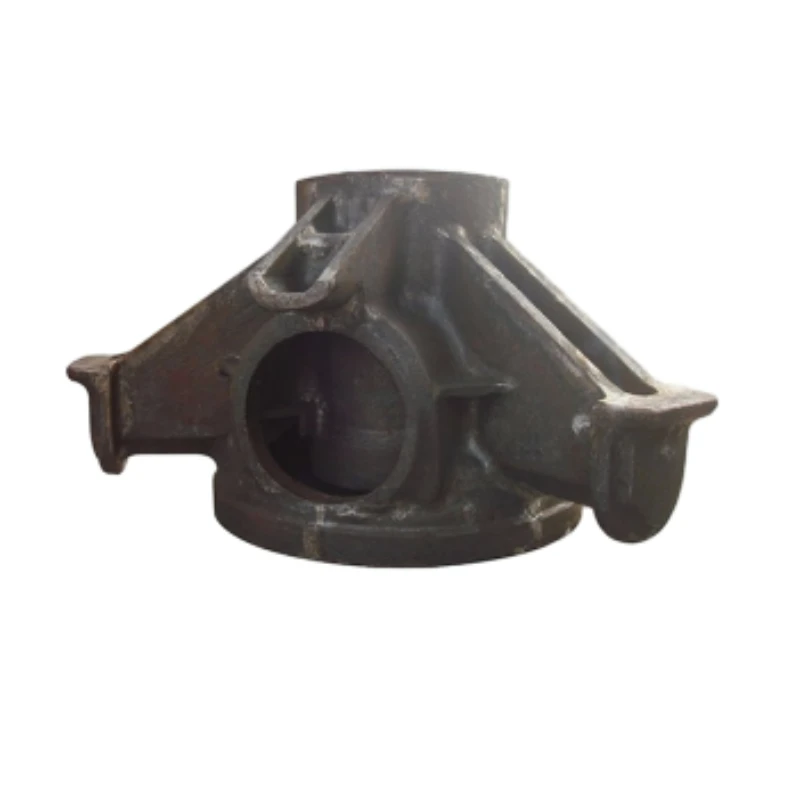
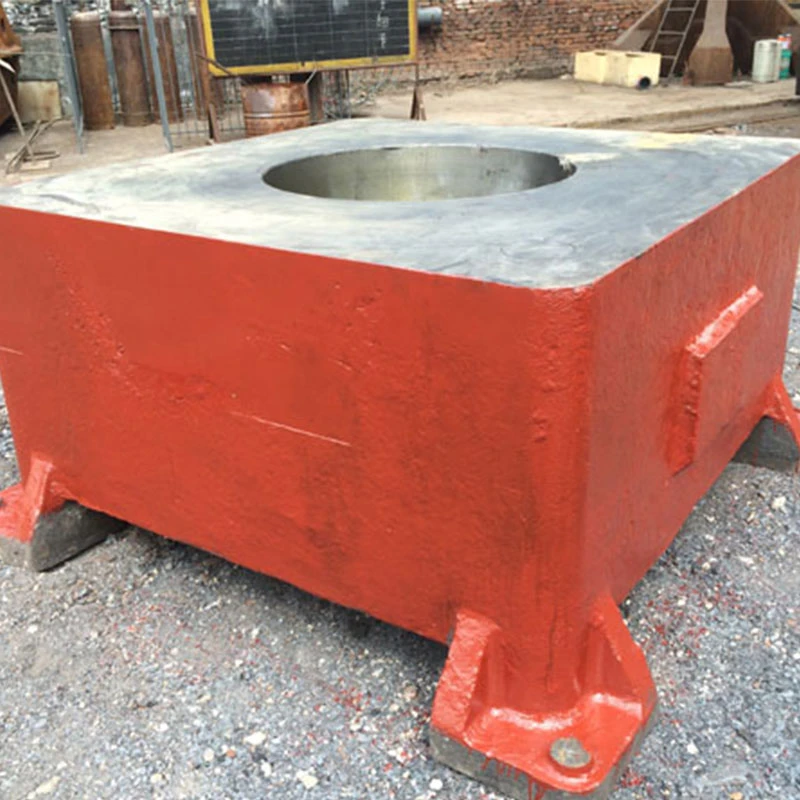
Bucket Front Wall – Heavy-Duty, Wear-Resistant, Custom OEM
Bucket Front Wall: what’s driving the new wave of durability in hard rock
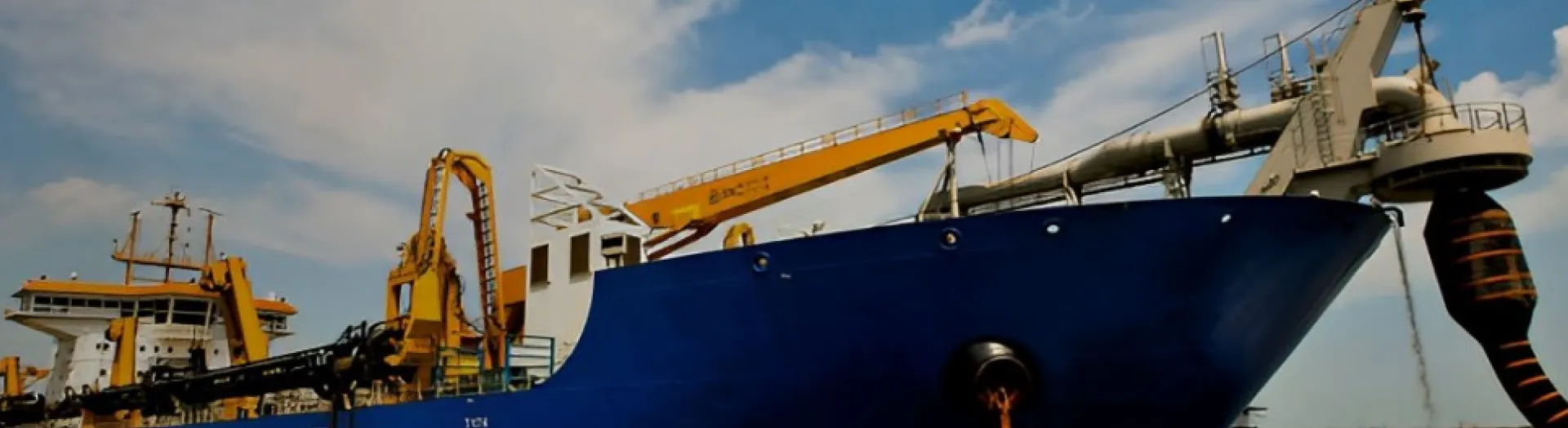
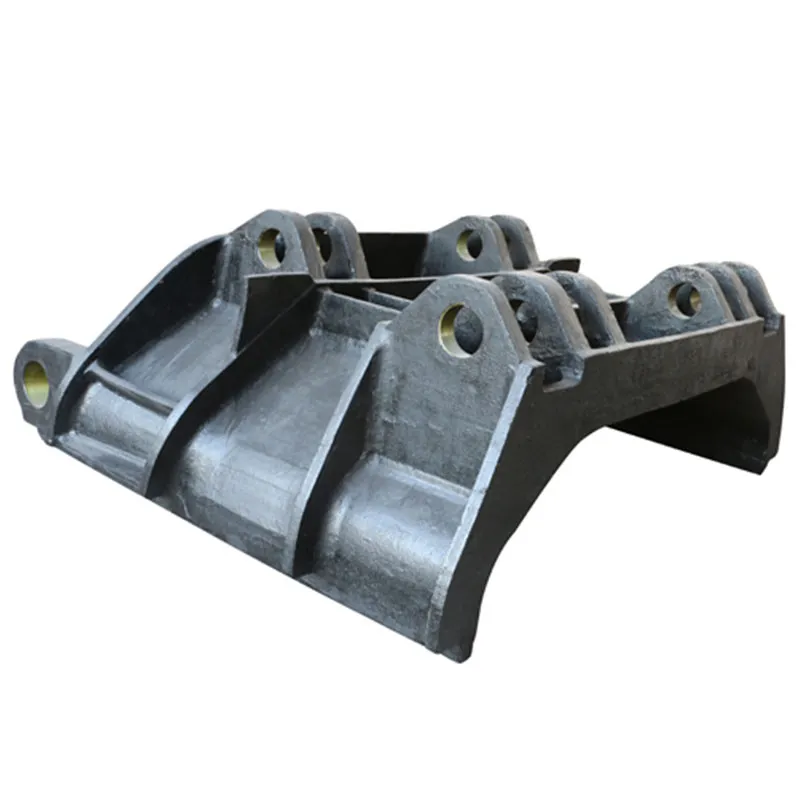
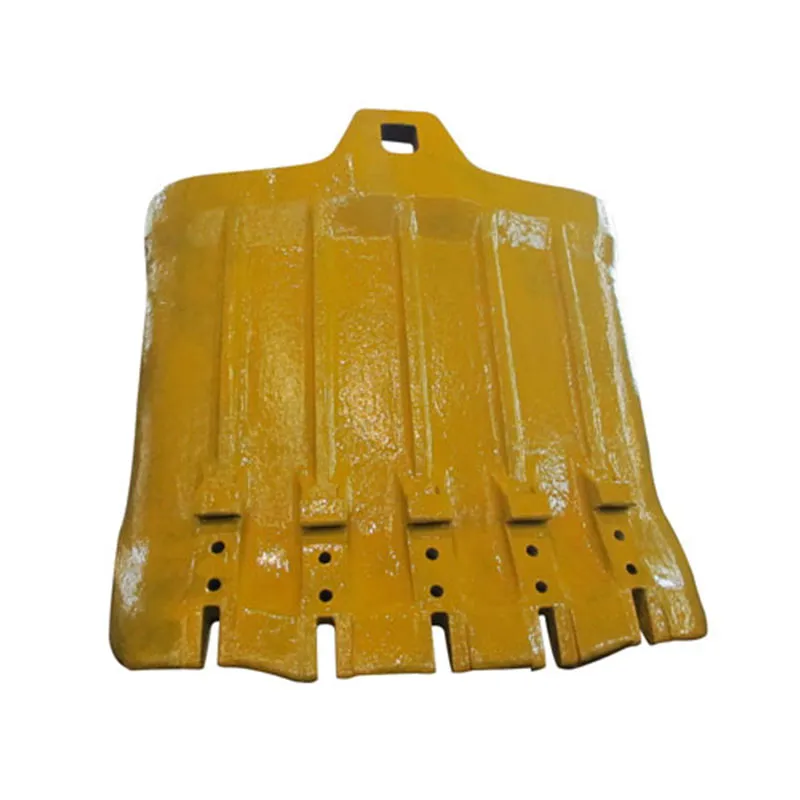
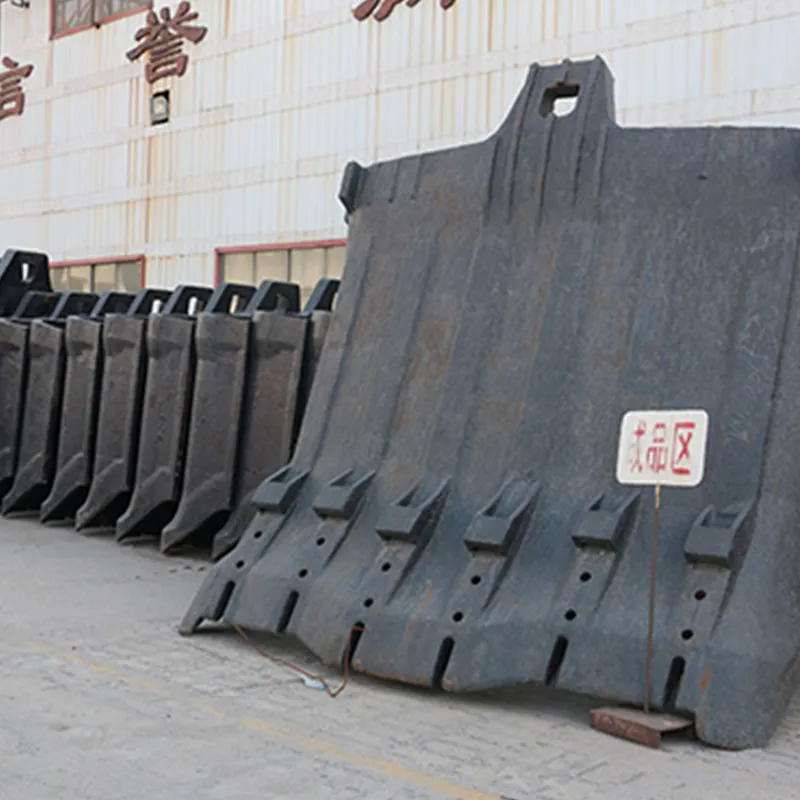
If you maintain loaders or big excavators, you already know the silent workhorse is the Bucket Front Wall—the surface that takes the first hit, the constant abrasion, the fatigue. Lately, the chatter in maintenance circles (and honestly, my inbox) is all about upgraded alloys, smarter wear packages, and less downtime. And yes, the shift is real.
What’s changing (and why it matters)
Two trends stand out: tougher quenched-and-tempered steels (think HARDOX 450/500 class or AR400/500 equivalents) and hybrid designs that add chromium-carbide overlay (CCO) in high-abrasion zones. Pair that with better weld procedures and it seems many fleets are pushing service life 1.5–3×—your mileage may vary depending on ore abrasiveness and operator habits, of course.
In practice, a Bucket Front Wall is not just a big plate. It’s a layered system: base steel for structural integrity, liners or CCO for wear, and proper heat input control to keep toughness where you need it. Surprisingly, several customers say simple tweaks—like adding corner-backed wear bars—paid off more than full redesigns.
Typical specs (field-proven, but adjustable)
| Parameter | Typical value (≈, real-world use may vary) |
|---|---|
| Base steel grade | Q&T 450–500 HBW or AR400/500-class |
| Thickness range | 18–60 mm (heavy-duty up to 80 mm) |
| Overlay options | CCO 5/10/20 mm, or bolt-on wear bars |
| Hardness | ≈ 450–520 HBW (overlay: up to ≈ 60–65 HRC) |
| Weld procedures | FCAW/GMAW; preheat 150–200°C; low-hydrogen practice |
Process flow and QA
- Materials: Q&T wear plate, optional Ni-Hard cast segments, CCO liners.
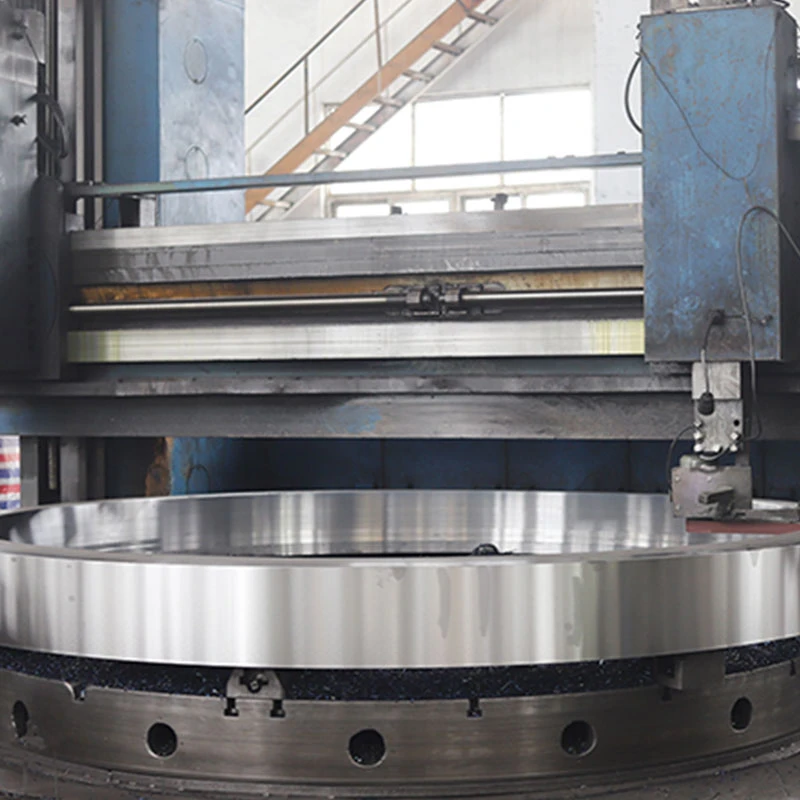
- Methods: CNC/plasma cutting; robotic FCAW; controlled heat input; stress-relief where specified.
- Testing: VT/MT to ASTM E709, UT on critical seams, hardness to ISO 6506-1, welds to AWS D14.3; sample wear tests per ASTM G65.
- Service life: around 6,000–12,000 hours in aggregates; hard iron ore can be lower—operators and haul profile matter.
- Certifications: ISO 9001, ISO 14001 available from leading shops.
Applications and advantages
Where a Bucket Front Wall earns its keep: surface mining (iron ore, copper), underground LHDs, quarry loaders, and heavy construction. Advantages include slower wear rates, better impact resistance at low temps, and easier maintenance thanks to modular liner kits. A maintenance planner told me their biggest win wasn’t “max hardness,” but predictable wear—so they could schedule change-outs on their terms.
Vendor snapshot (informal, but useful)
| Vendor | Steel options | Welding QA | Lead time | Relative cost |
|---|---|---|---|---|
| ZY Mining (Hebei) | AR400/500, CCO kits | AWS D14.3/ISO 3834-minded | ≈ 3–6 weeks | Mid |
| Regional Fabricator | AR400, limited CCO | Shop standard | ≈ 1–4 weeks | Low–Mid |
| Global OEM-Pattern Supplier | HARDOX 450/500, premium overlays | Formal ISO 3834 | ≈ 6–10 weeks | High |
Customization checklist
- Profile and curvature to match OEM geometry; bolt-hole patterns compatible with major brands.
- Edge transition radius to reduce stress risers; optional gusseting.
- Replaceable liner layout; corner wear blocks; lip-shroud tie-ins.
- Cold-climate chemistry control (aim for impact toughness at −20°C, ask for Charpy data).
Mini case notes
Iron ore, Pilbara: a fleet swapped to a Bucket Front Wall with CCO panels on strike zones—reported ≈ 22% longer intervals between liner turns. Midwest limestone: moving from AR400 to AR500 base plate trimmed wall replacements from 3 to 2 per season. Not lab-perfect data, but the trend is clear.
Origin and support: Tower C 603, MCC World Grand Plaza, No.66, XiangTai Road, Shijiazhuang, Hebei, China. To be honest, visiting the shop floor tells you more than a brochure—ask for procedure qualification records and sample G65 wear curves.
References
- ASTM G65 – Standard Test Method for Measuring Abrasion Using the Dry Sand/Rubber Wheel Apparatus. https://www.astm.org/g0065
- AWS D14.3/D14.3M – Specification for Welding Earthmoving and Construction Equipment. https://pubs.aws.org
- ISO 6506-1 – Metallic materials — Brinell hardness test. https://www.iso.org/standard/61451.html
- ASTM E709 – Guide for Magnetic Particle Testing. https://www.astm.org/e0709
- ISO 3834 – Quality requirements for fusion welding of metallic materials. https://www.iso.org/standard/66783.html
-
Find the Best Industrial Martillo a la Venta for Professional Needs
NewsApr.16,2026
-
Technical Guide for Herramientas de Perforación Subterránea PDF
NewsApr.09,2026
-
Comprehensive Guide to Underground Drilling Tools Herramientas de Perforación Subterráneas
NewsApr.07,2026
-
Comprehensive Guide to Underground Drilling Tools herramientas de perforación subterránea
NewsApr.04,2026
-
Finding Reliable Proveedores de Compresores de Aire Diesel for Your Industry Needs
NewsMar.31,2026
-
Comprehensive Guide to Diesel Air Compressors and Miningzy Fábrica de Compresores de Aire Diesel
NewsMar.28,2026