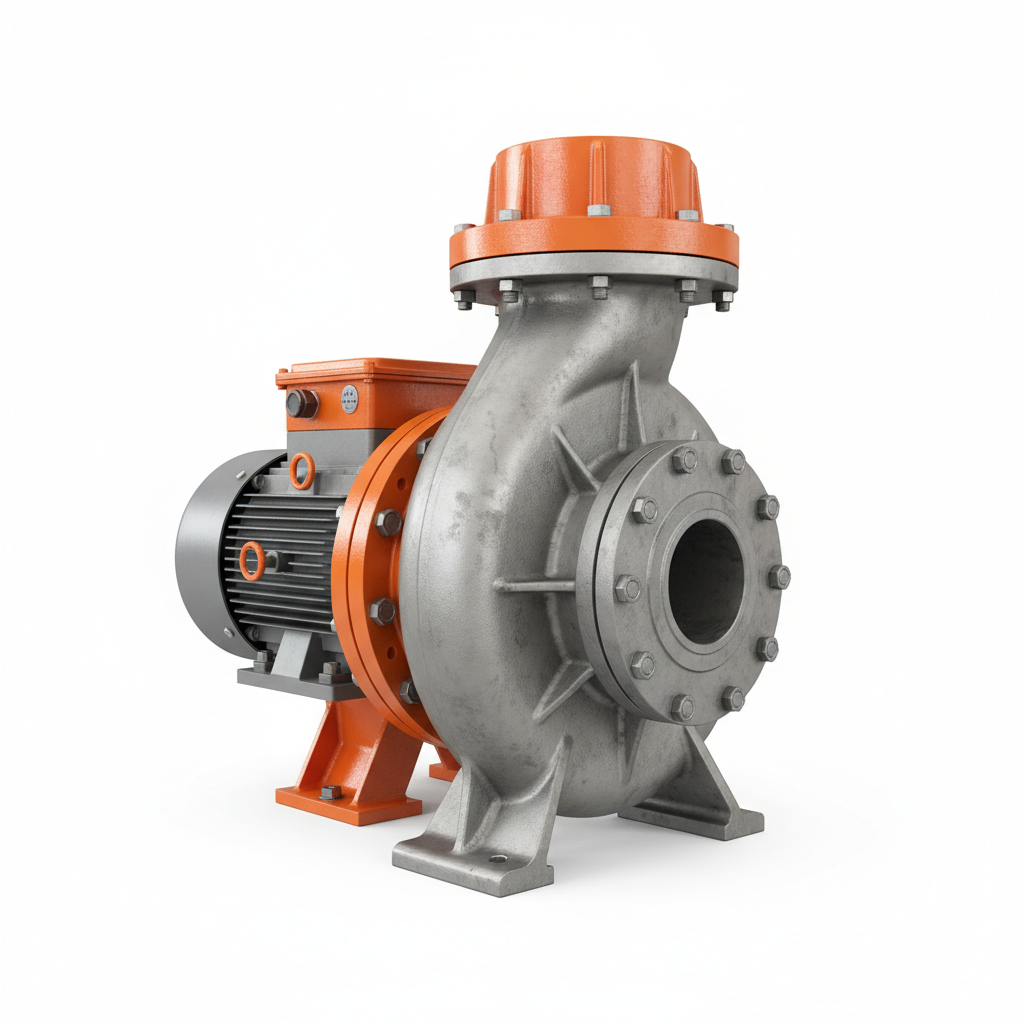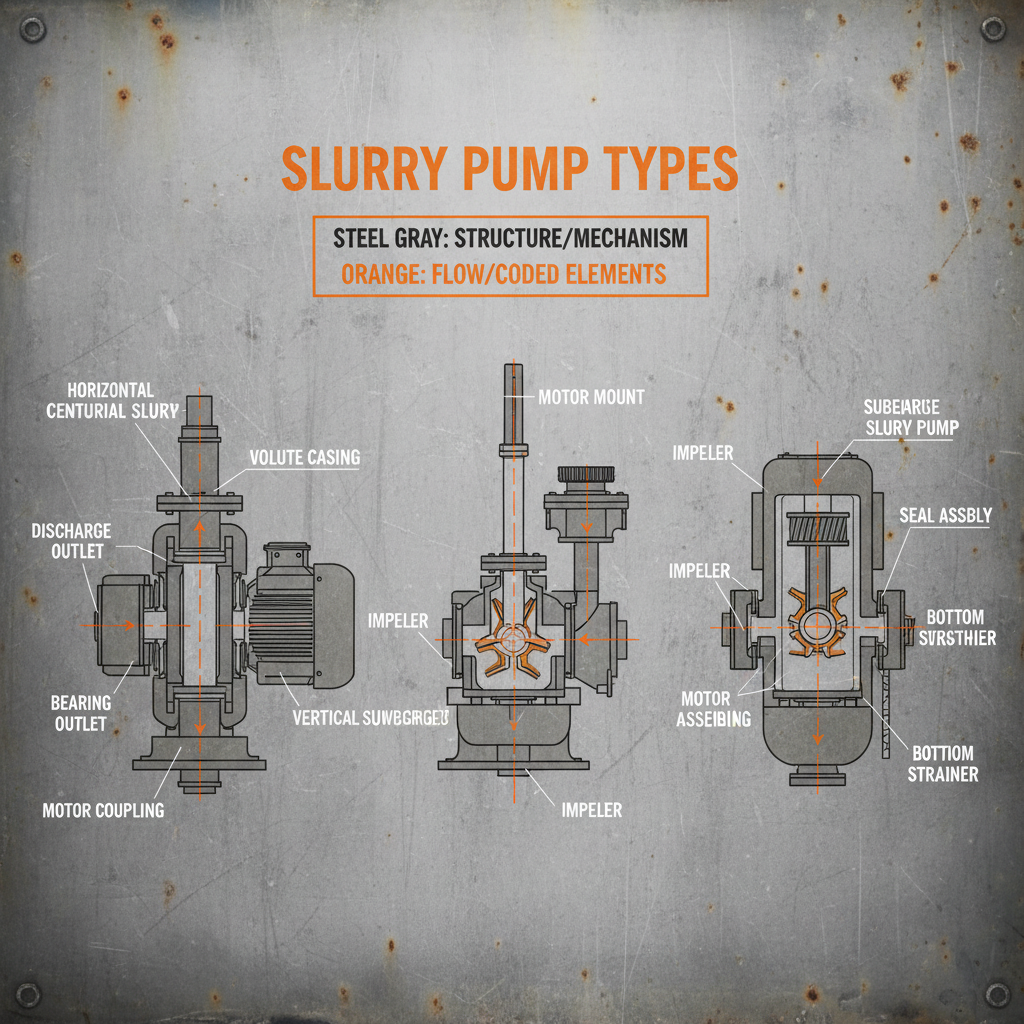
You know, slurry pump factories… been seeing a lot of changes lately. It’s not just about bigger pumps anymore, it's about smart pumps, pumps that talk to you, pumps that… well, I’m still figuring out half of it to be honest. Everyone’s chasing efficiency, lower energy consumption, longer lifespan. Seems simple enough, right? But getting there? Hoo boy.
The biggest thing I’ve noticed, and it drives me crazy, is how designers forget what it’s actually like on a site. They’ll spec something beautiful on paper, all neat angles and streamlined flow, then you get it out in the mud and… it clogs after five minutes. It’s happened so many times. You've got to think about the slurry itself – what's in it, how abrasive it is, how easily it settles. You can't just assume everything will flow smoothly. It never does.
And the materials! We’re moving beyond just cast iron, thank goodness. High-chrome alloys are standard now, of course. You can smell that stuff when you’re cutting it – kinda metallic, a little sweet. Feels…substantial. Then there’s the newer ceramics, the silicon carbides. They’re brittle, you gotta be careful handling them, but man, they resist abrasion like nothing else. We’ve also started playing around with polymers for linings. It's a weird feeling, a pump lined with plastic - strangely light for something that has to handle such heavy loads.
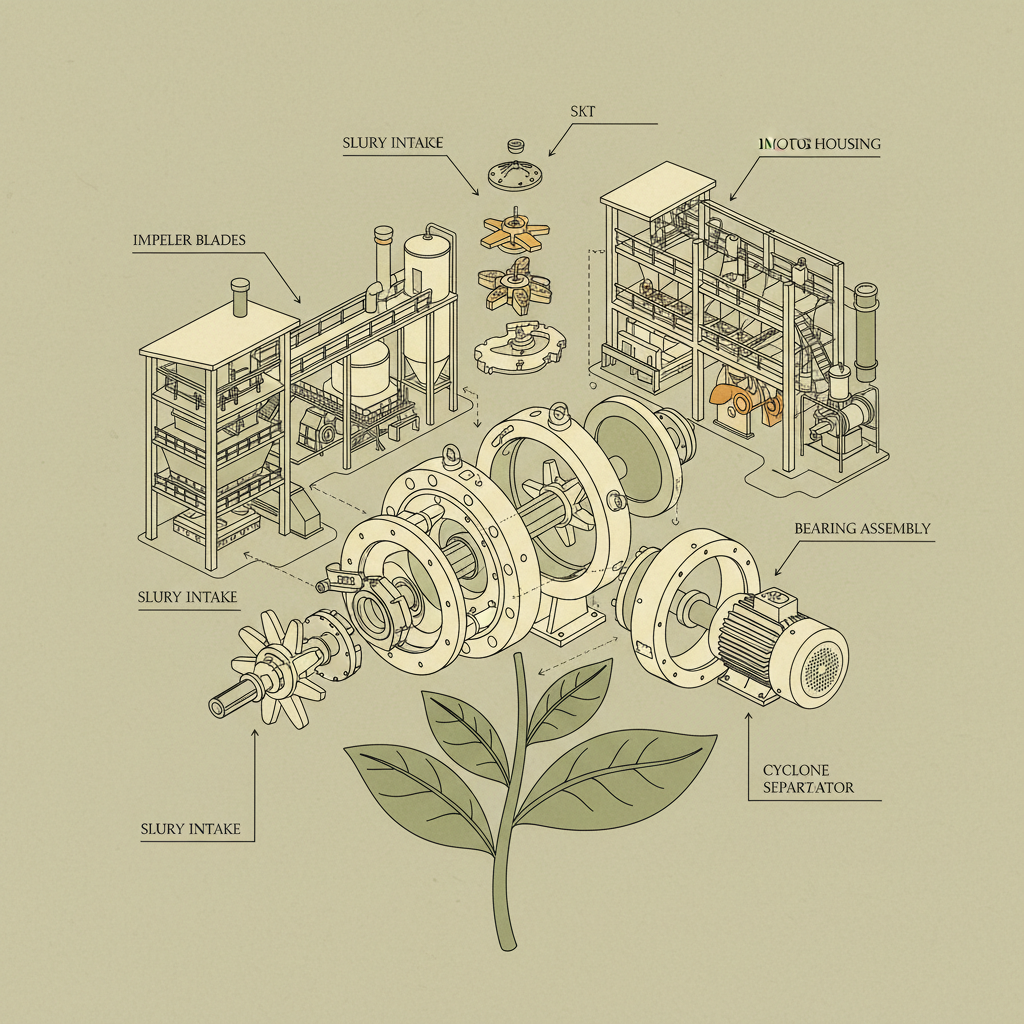
These days, it’s all about variable frequency drives, remote monitoring, predictive maintenance… fancy stuff. But honestly? The core need hasn’t changed. People need to move abrasive mixtures from point A to point B reliably. Everything else is just layers on top.
I encountered a site last time, a mine in Australia, where they were using drones to inspect the pumps while they were running. Amazing technology, sure, but the guy operating it said the biggest problem was still a loose bolt. Go figure. It's always the little things.
Seriously, the impeller design. That’s where I see the most mistakes. Too many vanes, vanes in the wrong place… it creates turbulence, causes wear, reduces efficiency. It seems like people get so focused on making it look good, they forget about fluid dynamics. And the volute casing – gotta get that right too. If it’s not smooth, it'll accelerate erosion. Anyway, I think a lot of designers have never actually stood and watched a pump working in a real environment. It makes a difference.
Another one is undersizing the suction pipe. You starve the pump, it cavitates, and then you're replacing impellers every other week. Simple stuff, but you’d be surprised how often it happens.
And don't even get me started on seal design. That's a whole other rabbit hole. Leakage, maintenance… it’s a constant headache.
Like I said, high-chrome alloys are the workhorse. They're tough, they’re relatively affordable. But they’re heavy. And they corrode, eventually. That’s where the ceramics come in – silicon carbide, alumina. Super hard, fantastic wear resistance, but brittle. Drop one, and it’s toast. You have to handle them with kid gloves, which isn't always practical on a muddy construction site.
We're also using more and more duplex stainless steels. Good corrosion resistance, good strength. It’s a compromise, but often a good one. The polymers, like polyurethane, are interesting too. Lightweight, good for low-abrasive slurries, but they don’t hold up to high temperatures or aggressive chemicals.
Strangely, the feel of the material often tells you a lot. A good high-chrome casting will have a certain weight and ring to it when you tap it. A cheap one will feel… hollow. It’s hard to explain, but you learn it after a while. And the smell when you’re machining it – it's a subtle thing, but a skilled machinist can tell you the composition just by the smell of the chips.
We've been testing these materials at the factory with a simple setup: a slurry tank, the pump, and a timer. We run it until something breaks, or the performance drops below a certain level. It's not fancy, but it's real-world.
Lab tests are fine, but they don't tell the whole story. You need to see how these pumps perform in the field. We send prototypes to sites – mines, wastewater treatment plants, dredging operations – and let them run them hard. We monitor everything – flow rate, pressure, power consumption, vibration levels.
That's when you really see what works and what doesn’t. We had one pump that performed beautifully in the lab, but failed catastrophically after a week in a coal mine. Turned out the slurry contained a lot of fine shale, which eroded the impeller faster than we anticipated. Later… forget it, I won’t mention it.
You'd be surprised where these things end up. Mining is obvious, of course. But we also sell a lot to wastewater treatment plants, dredging companies, even power plants. And it’s not always about huge volumes. Sometimes it’s about pumping small amounts of highly abrasive slurry – like in a chemical processing plant.
I saw one setup at a diamond mine in South Africa where they were using a series of small pumps to move a very concentrated slurry through a network of pipes. It was a clever system, but incredibly sensitive to blockages.
The biggest advantage? Reliability. If a pump goes down, everything stops. People need something they can depend on. That’s why we focus on robust designs and high-quality materials. But they’re not cheap. A good slurry pump can cost a fortune.
And maintenance is a constant battle. Everything wears out eventually, especially the impellers and liners. It's a never ending cycle of repair and replacement.
Plus, they can be energy hogs. Pumping abrasive slurries takes a lot of power. That's why there's so much focus on efficiency now.
We can customize almost anything. Different impeller designs, different materials, different seals, different motor sizes. Last month, that small boss in Shenzhen who makes smart home devices insisted on changing the interface to for the power connection – said it was “more modern”. The result? It took three times as long to install, and the connector kept getting clogged with dust. He learned his lesson.
But seriously, we can adapt the pumps to specific applications. We’ve done pumps with special coatings to resist corrosion, pumps with variable speed drives to optimize efficiency, pumps with remote monitoring systems to track performance.
We even had one customer who wanted a pump painted bright pink. I don't ask why anymore.
| Pump Configuration | Typical Application | Estimated Lifespan (Hours) | Maintenance Frequency |
|---|---|---|---|
| High-Chrome Alloy Impeller | Mining, Gravel Pumping | 2000-4000 | Every 6 Months |
| Silicon Carbide Liner | Chemical Processing, Acid Slurries | 3000-5000 | Annually |
| Polyurethane Lining | Wastewater Treatment, Low-Abrasive Slurries | 1500-3000 | Quarterly |
| Duplex Stainless Steel Construction | Corrosive Environments, Sea Water | 4000-6000 | Every 18 Months |
| Variable Frequency Drive (VFD) | Flow Control, Energy Savings | 2500-4500 | Semi-Annually |
| Remote Monitoring System | Critical Applications, Preventative Maintenance | 3000-5000 | As Needed (Alert-Based) |
Honestly, it's usually wear and tear on the impeller and liners. Abrasive slurries just eat away at those components over time. Regular inspections and timely replacements are key. We see a lot of failures due to neglecting maintenance, people thinking "it'll be fine" and then… it’s not. Preventative maintenance is essential, even if it seems expensive upfront.
That depends entirely on the slurry! What's in it? What's the pH? How abrasive is it? High-chrome alloys are a good all-rounder, but for corrosive slurries, you'll need something like duplex stainless steel or even specialized plastics. It’s a complex question, and getting it wrong can be costly. We usually recommend a material analysis of the slurry before making a decision.
Make sure the suction pipe is sized correctly, and that you're not starving the pump. Also, maintain a positive suction head. Cavitation is a nasty thing – it destroys the impeller very quickly. It sounds like marbles rattling around inside the pump – a telltale sign that something’s wrong.
Very important, especially with rising energy costs. A more efficient pump will save you money in the long run. Variable frequency drives (VFDs) can help optimize efficiency by adjusting the pump speed to match the demand. But you have to balance efficiency with reliability – sometimes a slightly less efficient pump is more robust and lasts longer.
Absolutely. We’ve supplied pumps for everything from oil sands to fly ash to mine tailings. The key is choosing the right materials and seals to handle the specific fluid. You need to consider things like viscosity, temperature, and chemical compatibility. It’s not one-size-fits-all.
Remote monitoring and predictive maintenance are huge right now. Being able to track pump performance in real-time and predict when maintenance is needed can save a lot of downtime and money. We’re also seeing more interest in energy-efficient designs and pumps that can handle higher solids concentrations. It's a fast-moving field, that’s for sure.
Ultimately, slurry pumps are workhorses. They’re not glamorous, but they’re essential for a huge range of industries. Getting the right pump for the job, and keeping it properly maintained, is critical for reliability and efficiency. It’s about understanding the slurry, choosing the right materials, and designing for real-world conditions.
And look, at the end of the day, whether this thing works or not, the worker will know the moment he tightens the screw. If it feels right, sounds right, and moves the slurry, then it's a good pump. That's all that really matters.
Zen Young Technology Hebei Co., Ltd. Specialized in Slurry pump solutions, Foundry OEM services, Drilling rigs and drilling tools, and Air compressors for world wide industries of mining, metallurgy, municipal construction, power, dredging, petrochemical, etc.
Copyright © 2026 Zen Young Technology Hebei Co.,Ltd. All Rights Reserved. Sitemap | Privacy Policy | Top Blog